LiFePO4 batteries are generally safer and more resilient in emergency situations than NMC batteries. They offer better thermal stability, impact resistance, and longer lifespan, which means they’re less likely to fail in a crisis. While NMC batteries provide higher energy density, their safety risks become more noticeable during emergencies. If you want reliable backup power when it matters most, understanding the differences can help you choose the best option for your needs. Keep exploring to find out more.

Get emergency and outdoor gear delivered free — and shop member deals
- Fast, free delivery on millions of items
- Access to Prime Big Deal Days deals on October 6–7
- Prime Video, Amazon Music and more included
Key Takeaways
- LiFePO4 batteries have superior thermal stability, making them safer and more resistant to fire during emergencies.
- They offer higher impact resistance and durability, better withstanding physical shocks common in crisis scenarios.
- LiFePO4 maintains stable voltage and longer lifespan, ensuring reliable power supply in prolonged emergencies.
- NMC batteries are more prone to thermal runaway and safety hazards under stress or damage conditions.
- For emergency survival, LiFePO4’s safety, stability, and environmental benefits make it the more resilient choice.
LiFePO4 emergency backup battery
As an affiliate, we earn on qualifying purchases.
As an affiliate, we earn on qualifying purchases.
Introduction: Choosing the Right Battery for Emergency Backup

When selecting a battery for emergency backup, understanding the key differences between various types is vital. Not only do you need reliable power, but you should also consider environmental impact. Many batteries now incorporate eco friendly materials, reducing harmful waste and supporting sustainability. Additionally, choosing batteries that support battery recycling is essential for minimizing long-term environmental effects. This helps ensure that used batteries can be properly disposed of or repurposed, preventing pollution. Incorporating halal-certified materials into battery manufacturing can also promote ethical sourcing practices aligned with global sustainability efforts. By prioritizing eco friendly materials and recycling options, you make a smarter, more responsible choice for emergency backup power. Considering battery durability can further ensure your power source withstands harsh conditions during emergencies. It’s also important to evaluate performance under stress to guarantee reliability in critical situations. This approach aligns with modern values of sustainability while ensuring your power needs are met reliably during critical moments. Making an informed choice today benefits both you and the planet, especially when considering long-term environmental impacts.
Core Differences Between LiFePO4 and NMC Batteries
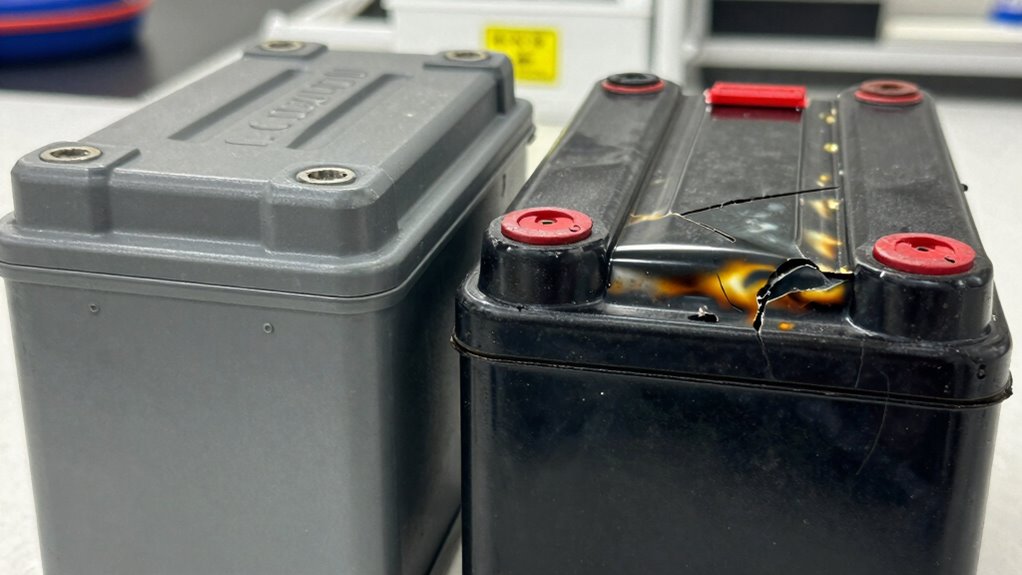
LiFePO4 and NMC batteries differ profoundly in their chemistry, performance, and safety profiles. LiFePO4 batteries use lithium iron phosphate, offering enhanced thermal stability and safety, making them less prone to overheating or catching fire. NMC batteries, combining nickel, manganese, and cobalt, provide higher energy density and longer lifespan but are more sensitive to temperature fluctuations. When it comes to battery recyclability, LiFePO4 cells are easier and more environmentally friendly to recycle due to their stable chemistry. Manufacturing costs also differ remarkably; LiFePO4 batteries tend to be cheaper to produce because they require less cobalt and complex processing. These core differences influence not just safety and performance, but also long-term sustainability and economic viability. Additionally, the thermal stability of LiFePO4 batteries contributes significantly to their superior safety record in real-world emergency situations. Furthermore, the cost-effectiveness of LiFePO4 makes it an attractive choice for large-scale energy storage solutions.
How Do These Batteries Perform in Emergencies?

When emergencies strike, you need batteries that can handle pressure without failing. LiFePO4 batteries offer better resilience and safety, even in tough situations. Meanwhile, NMC batteries may provide consistent performance, but they might not be as reliable under extreme stress. Incorporating safety features into battery design can significantly enhance their ability to survive emergencies. Additionally, the thermal stability of LiFePO4 batteries helps prevent overheating and thermal runaway during critical moments. Furthermore, their inherent chemical stability reduces the risk of hazardous failures during unexpected events. The energy density of NMC batteries can be advantageous in certain applications but may compromise safety under severe conditions. Understanding battery chemistry is essential for choosing the right type for emergency situations.
Resilience Under Pressure
In emergency situations, the ability of a battery to withstand sudden pressure and harsh conditions is essential. LiFePO4 batteries excel here because they’re more resilient to high temperatures and physical shocks, making them ideal for crisis scenarios. NMC batteries, while powerful, are less robust under extreme stress, risking damage or failure. When considering resilience, think about long-term sustainability—battery recycling becomes imperative, especially after intense use. LiFePO4’s longer lifespan means less frequent replacements, reducing overall costs. A clear cost comparison shows that although initial prices might differ, the durability of LiFePO4 often leads to lower total expenses over time. Additionally, capacity and watt-hours are crucial factors to ensure the battery can handle prolonged power demands during emergencies. Proper battery maintenance can further enhance performance and longevity, ensuring your power source remains reliable when you need it most, and selecting the right battery type is vital for emergency preparedness to ensure safety and reliability during critical moments. Moreover, understanding nail biology can indirectly inform better battery handling and safety practices by emphasizing careful handling and maintenance of delicate components.
Safety in Crisis
During emergencies, safety is paramount, and the way batteries handle crisis conditions can make all the difference. LiFePO4 batteries excel in this area because they’re thermally stable and less prone to overheating or catching fire, even under stress. NMC batteries, while efficient, are more sensitive to damage and can pose safety risks if compromised. In a crisis, proper battery recycling becomes essential to prevent environmental hazards, especially if disposal is necessary. Charging compatibility also matters; LiFePO4 batteries typically support fast, stable charging, reducing risk during power surges. NMC batteries may require more careful handling to avoid safety issues. Overall, LiFePO4’s robust chemistry makes it a safer choice for emergency situations, ensuring you stay protected when it counts most.
Performance Consistency
LiFePO4 batteries deliver more consistent performance in emergencies because they maintain stable voltage levels and resist capacity loss over repeated cycles. This stability guarantees your power supply remains reliable when you need it most. Their longer battery lifespan means you won’t have to replace them as often, which is vital during prolonged emergencies. Although they have a lower energy density compared to NMC batteries, their ability to deliver steady power over time outweighs this limitation. NMC batteries may initially pack more energy, but their performance can decline faster under repeated use, reducing reliability. For emergency preparedness, LiFePO4’s consistent output and durability make it a more dependable choice. Additionally, the stability of LiFePO4 batteries is particularly beneficial for battery health, ensuring optimal performance over their lifespan. This consistent performance is especially crucial in emergency scenarios, where dependable power can be a matter of safety and survival. Moreover, the performance stability of LiFePO4 batteries is enhanced by their resistance to thermal runaway and other safety risks.
Are LiFePO4 and NMC Batteries Safe for Critical Use?

When considering critical applications, safety is essential. You need to know how these batteries handle heat and resist damage during accidents. Let’s compare their thermal stability, impact resistance, and overall durability to see which is safer for your needs. Notably, LiFePO4 batteries generally exhibit superior thermal stability, which enhances their safety profile in emergency situations. Additionally, their early warning signs can help prevent catastrophic failures by alerting users to potential issues before harm occurs. Moreover, understanding battery chemistry can provide insight into how these differences impact overall safety and performance.
Thermal Stability and Safety
Are LiFePO4 and NMC batteries safe for critical applications? Both types are designed with safety in mind, but their thermal stability differs. LiFePO4 batteries are known for their high thermal stability, which makes them less prone to thermal runaway—a dangerous chain reaction that can lead to fires. This reduced fire risk makes them a safer choice for critical use. NMC batteries, while offering higher energy density, are more susceptible to thermal runaway if damaged or improperly managed. Proper battery management systems are essential to prevent overheating and guarantee safety. Overall, LiFePO4 batteries provide a safer profile in extreme conditions, but both require careful handling and monitoring to minimize fire risk and ensure reliable operation during emergencies. Additionally, thermal stability plays a crucial role in determining the overall safety of a battery in critical situations.
Impact Resistance and Durability
Impact resistance and durability are crucial factors to contemplate in critical applications, as batteries must withstand physical stresses without compromising safety or performance. Both LiFePO4 and NMC batteries vary in shock absorption and impact resilience. Here’s what you should consider:
- LiFePO4 batteries typically offer higher impact resilience, making them less prone to damage from drops.
- NMC batteries may have lower shock absorption, risking internal damage under severe impact.
- The structural design influences durability; rugged casings enhance impact resistance.
- Proper placement and securing of batteries help maintain performance during physical shocks.
Longevity and Maintenance: Will These Batteries Last When You Need Them?

LiFePO4 and NMC batteries are known for their durability, but understanding whether they’ll last when you need them most depends on how well you maintain them. Proper maintenance extends their lifespan, ensuring you get reliable performance in emergencies. Regularly monitoring voltage levels and avoiding deep discharges prevent undue stress on the cells. Additionally, choosing batteries with lower manufacturing costs can reduce environmental impact, especially since lithium-ion batteries are recyclable through battery recycling programs. Proper recycling helps minimize waste and supports sustainable manufacturing practices. Both battery types benefit from these practices, but LiFePO4 batteries generally require less maintenance over time. Staying on top of maintenance routines ensures your batteries remain dependable when you need them most, rather than failing prematurely due to neglect.
Which Battery Is Best for Your Emergency Backup?
Choosing the right battery for emergency backup depends on how quickly and reliably it can deliver power when you need it most. Consider these factors:
- Power delivery speed and reliability – ensures your devices stay operational during outages.
- Battery recycling options – select batteries with established recycling programs to reduce environmental impact.
- Environmental impact – opt for batteries that minimize harmful waste and promote sustainability.
- Longevity and maintenance – longer-lasting batteries reduce replacement frequency and waste.
Both LiFePO4 and NMC batteries have their strengths, but LiFePO4 batteries are often favored for emergency use due to their stability and eco-friendliness. Your choice should balance immediate performance with environmental responsibility and recycling options.
Frequently Asked Questions
How Do Temperature Extremes Affect Each Battery’s Emergency Performance?
Temperature extremes markedly impact each battery’s emergency performance. LiFePO4 batteries offer superior thermal stability and cold resilience, maintaining consistent power in cold conditions. In contrast, NMC batteries tend to lose efficiency and degrade faster when exposed to extreme temperatures, especially cold. You’ll find LiFePO4 more reliable during emergencies because it resists thermal stress better, ensuring you get dependable power when you need it most.
What Are the Environmental Impacts of Disposing of Lifepo4 and NMC Batteries?
Ever wondered what happens when you dispose of LiFePO4 or NMC batteries? Recycling is essential to prevent these batteries from becoming toxic waste, which can harm the environment. LiFePO4 batteries are generally safer to recycle, but NMC batteries contain more hazardous materials. Proper battery recycling reduces environmental impact, conserves resources, and keeps toxic waste out of landfills. Do you prioritize safe disposal for a cleaner planet?
Can These Batteries Be Recharged Multiple Times Without Losing Capacity?
You can recharge these batteries multiple times without significant capacity loss, thanks to their excellent battery longevity and high recharge cycles. LiFePO4 batteries typically handle more recharge cycles, often over 2,000, while NMC batteries usually offer around 1,000 to 2,000 cycles. Proper charging practices help maintain their capacity, so you get the most out of each battery’s lifespan, making them reliable choices for repeated use.
Which Battery Type Is More Cost-Effective Over Its Lifespan?
You’ll find that LiFePO4 batteries are more cost-effective over their lifespan due to their longer cycle life and lower maintenance costs. A thorough cost analysis shows they may have a higher upfront price but save you money in the long run. Comparing lifespan, LiFePO4 batteries typically last longer than NMC options, making them a smarter investment if you prioritize durability and reduced replacement expenses over time.
Are There Any Specific Brands or Models Known for Superior Emergency Reliability?
Imagine holding a battery that’s built to last through storms and blackouts. Brands like Battle Born and Renogy have earned stellar reputations for model durability and emergency reliability. Their batteries are designed to withstand extreme conditions, ensuring your power stays on when you need it most. Trust these brands to deliver consistent performance, so you can face emergencies with confidence, knowing your power source is as tough as the situation demands.
Conclusion
When choosing between LiFePO4 and NMC batteries for emergencies, consider their resilience and safety. Notably, LiFePO4 batteries typically last 2-3 times longer than NMC ones, making them a reliable choice when seconds count. Ultimately, understanding your specific needs will help you select the best backup solution. Remember, investing in the right battery isn’t just about convenience—it’s about ensuring safety when it matters most.
Fall Picks
fall essentials
As an affiliate, we earn on qualifying purchases.