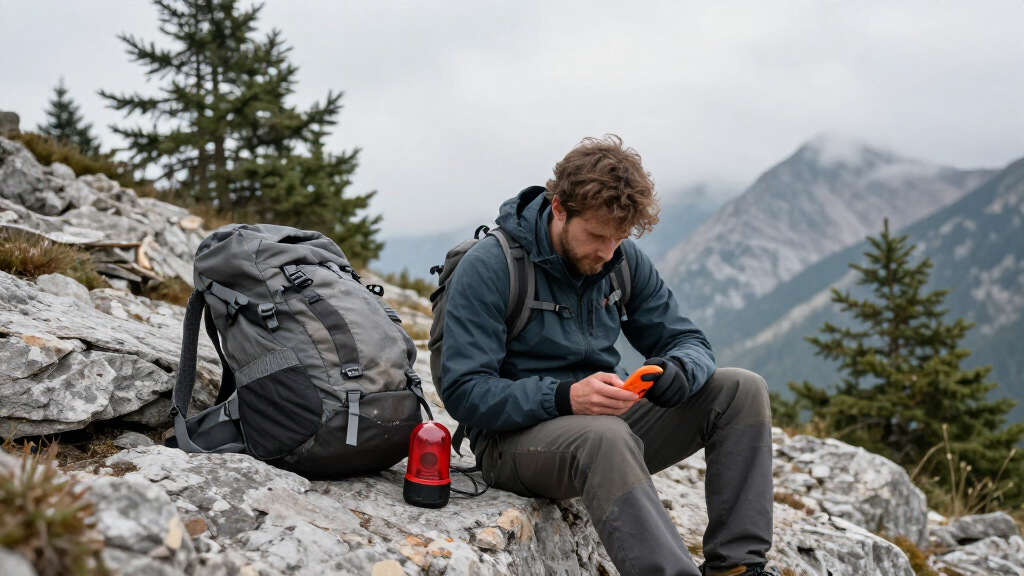

Satellite emergency communication devices range from two-way messengers for ongoing check-ins to personal locator beacons (PLBs) built mainly to send an SOS. I rank the Garmin inReach Messenger as the best overall for its balance of messaging and emergency use, while the Garmin inReach Mini 2 suits hikers who want a compact, capable device and the ACR ResQLink 410 RLS suits people prioritizing a dedicated rescue beacon without a messaging plan. The key tradeoff is whether you want everyday communication and subscription flexibility or a simpler SOS-first device with different operating limits. I also compare app-linked communicators, stand-alone hardware, and near-identical color or bundle versions. Read on for the full breakdown and help choosing a device that matches your route, habits, and backup plan.

Get emergency and outdoor gear delivered free with Prime
- Fast, free delivery on millions of items
- Prime Video, Amazon Music and more included
- Member-only deals all year
Key Takeaways
- Two-way communication and SOS-only rescue are different jobs: the Garmin and ZOLEO messengers support ongoing contact, while the ACR ResQLink models focus on alerting rescuers rather than chatting with contacts.
- Subscription requirements change the ownership decision: satellite messengers generally depend on an active service plan, while PLBs avoid routine messaging plans but provide fewer communication options.
- The inReach Mini 2 listings are close variants, not three distinct communication systems: compare color and included bundle items rather than expecting major differences in core capability.
- App dependence is a meaningful dividing line: ZOLEO, Motorola Defy Satellite Link, and some Bivy Stick use cases rely heavily on a paired phone, while a device with its own interface can reduce dependence on a working handset.
- ACR ResQLink models prioritize a dedicated rescue beacon: RLS versions add return-link confirmation, while other ResQLink variants should be compared by their specific beacon features rather than assumed to offer messaging.
- The best fit depends on the emergency plan: regular backcountry contact favors a two-way messenger; a simple emergency-only backup favors a PLB, and travelers should check service coverage and activation rules for their destinations.
| SPOT X Bluetooth Two-Way Satellite Messenger | 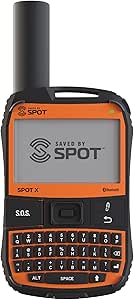 | Best for Standalone Two-Way Messaging | Satellite network: Globalstar | Messaging: Two-way satellite messaging | Phone compatibility: Android and iPhone | VIEW LATEST PRICE | See Our Full Breakdown |
| ACR ResQLink 410 RLS SOS Personal Locator Beacon |  | Best No-Subscription Emergency Beacon | Navigation compatibility: GPS, Galileo GNSS, MEOSAR | Return Link Service: Confirms receipt of distress signal | Operational life: 24+ hours | VIEW LATEST PRICE | See Our Full Breakdown |
| Spot Gen 4 Satellite GPS Messenger |  | Best for Basic Location Tracking and SOS | Satellite connectivity: Globalstar Satellite | Features: Motion activated, SOS | Weight: 142 g | VIEW LATEST PRICE | See Our Full Breakdown |
| ZOLEO Satellite Communicator, Limestone |  | Best for Smartphone-Based Multi-Network Messaging | Messaging connectivity: Satellite, cellular, and Wi-Fi | Navigation: GPS and Galileo | Message length: Up to 900 characters | VIEW LATEST PRICE | See Our Full Breakdown |
| Garmin inReach Messenger Satellite Communicator |  | Best for Extended Group Trips | Battery life: Up to 28 days in 10-minute tracking mode | Display: Sunlight-readable monochrome transflective MIP | Display resolution: 160 × 68 | VIEW LATEST PRICE | See Our Full Breakdown |
| Motorola Defy Satellite Link Bluetooth Satellite Messenger |  | Best for Smartphone-First Messaging | Model: BM3A01 | Connectivity: Bluetooth | Compatibility: iOS 14 and Android 10 or later | VIEW LATEST PRICE | See Our Full Breakdown |
| ACR Bivy Stick Satellite Communicator |  | Best for Group Tracking and Trip Planning | Model: 4621 | Satellite network: Iridium | Connectivity: Bluetooth, Iridium satellite, LoRa, wireless | VIEW LATEST PRICE | See Our Full Breakdown |
| ACR ResQLink View RLS PLB Satellite SOS GPS Personal Locator Beacon |  | Best Subscription-Free Beacon with Signal Confirmation | Model: PLB-435 | GNSS compatibility: GPS, Galileo, MEOSAR | Return Link Service: Yes | VIEW LATEST PRICE | See Our Full Breakdown |
| ACR ResQLink View PLB425 Buoyant GPS Personal Locator Beacon |  | Best for Buoyant, No-Subscription SOS | Model: PLB-425 | Satellite network: COSPAS-SARSAT, 406 MHz | Homing frequency: 121.5 MHz | VIEW LATEST PRICE | See Our Full Breakdown |
| ACR Bivy Stick 2-Way Satellite Communicator Bundle with Pouch and Carabiner |  | Best Accessory Bundle for Satellite Messaging | Communication: Two-way satellite | Emergency function: SOS emergency rescue | Location feature: GPS location sharing | VIEW LATEST PRICE | See Our Full Breakdown |
| Garmin inReach Mini 2 Satellite Communicator, Black |  | Best Compact Two-Way Communicator | Color: Black | Messaging: Two-way satellite messaging | Emergency feature: Interactive SOS | VIEW LATEST PRICE | See Our Full Breakdown |
| Garmin inReach Mini 2 Satellite Communicator, Orange |  | Best for Easy-to-Spot Gear | Color: Orange | Connectivity: Bluetooth, USB | Display: 1.27-inch sunlight-readable monochrome transflective MIP | VIEW LATEST PRICE | See Our Full Breakdown |
| Garmin inReach Mini 2 Portable Satellite Communicator and GPS Navigator Bundle, Flame Red |  | Best Accessory Bundle | Color: Flame Red | Weight: 3.5 oz | Dimensions: 4 x 2 in | VIEW LATEST PRICE | See Our Full Breakdown |
| ACR ResQLink 400 PLB – Satellite SOS GPS Personal Locator Beacon |  | Best Subscription-Free Emergency Beacon | Model: ResQLink 400 | Model number: PLB-400 | Weight: 5.28 ounces | VIEW LATEST PRICE | See Our Full Breakdown |
| satellite emergency communication device | Battery life | Weight | Dimensions |
|---|---|---|---|
| SPOT X Bluetooth Two-Way Satel | 240 hours | 7.04 ounces | 2.9 x 0.94 x 6.54 inches |
| ACR ResQLink 410 RLS SOS Perso | Up to 5 years | — | 4.52 x 2.03 x 1.49 inches |
| Spot Gen 4 Satellite GPS Messe | — | 142 g | 11.42 x 1.97 x 5.51 inches |
| ZOLEO Satellite Communicator | 200+ hours in tracking mode | — | — |
| Garmin inReach Messenger Satel | Up to 28 days in 10-minute tracking mode | — | — |
| Motorola Defy Satellite Link B | — | 2.5 ounces | 3.4 x 2.5 x 0.5 inches |
| ACR Bivy Stick Satellite Commu | 120 hours | 3.95 ounces | 4.51 x 1.86 x 0.83 inches |
| ACR ResQLink View RLS PLB Sate | — | 5.28 ounces | — |
| ACR ResQLink View PLB425 Buoya | Up to 28 hours | 5.28 ounces | 4.52 x 2.03 x 1.49 inches |
| ACR Bivy Stick 2-Way Satellite | — | — | — |
| Garmin inReach Mini 2 Satellit | Up to 14 days in 10-minute tracking mode | — | — |
| Garmin inReach Mini 2 Satellit | Up to 14 days in 10-minute tracking mode | — | — |
| Garmin inReach Mini 2 Portable | Up to 14 days in 10-minute tracking mode; up to 30 days in 30-minute tracking mode | 3.5 oz | 4 x 2 in |
| ACR ResQLink 400 PLB | — | 5.28 ounces | — |
More Details on Our Top Picks
SPOT X Bluetooth Two-Way Satellite Messenger
The SPOT X suits buyers who want to exchange messages by satellite without making a phone the only way to operate the device. It can pair with an iPhone or Android phone over Bluetooth, yet also has its own U.S. mobile number and can work on its own. That flexibility makes it more message-focused than the ACR ResQLink 410 RLS, which is designed to send a distress alert rather than support ongoing conversation. SPOT X also shares GPS location and connects SOS communications with a 24/7 search-and-rescue service. The tradeoff is an active subscription, and its 7.04-ounce weight is more noticeable than a minimal emergency beacon. I’d choose it for trips where regular check-ins matter, but not for buyers seeking a no-subscription, SOS-only device.
Pros:- Supports two-way satellite messaging rather than SOS-only alerts
- Can operate independently or pair with an iPhone or Android phone
- Shares GPS coordinates and supports SOS communication with a 24/7 search-and-rescue service
- Listed battery life is up to 240 hours
Cons:- Requires an active subscription for satellite service
- At 7.04 ounces, it weighs more than a compact emergency-only beacon
- Its standalone messaging flexibility may be unnecessary for buyers who only need distress signaling
Best for: Hikers and backcountry travelers who want two-way satellite check-ins and the option to message without a paired phone.
Not ideal for: Buyers who want a simple emergency-only beacon with no ongoing service plan, or those prioritizing the lightest possible carry.
- Satellite network:Globalstar
- Messaging:Two-way satellite messaging
- Phone compatibility:Android and iPhone
- Connectivity:Bluetooth, USB
- Battery life:240 hours
- Dimensions:2.9 x 0.94 x 6.54 inches
- Weight:7.04 ounces
- Subscription required:Yes
Our verdict“Choose the SPOT X if you want satellite messaging with standalone operation, and skip it if an SOS-only beacon without a subscription better fits your needs.”
ACR ResQLink 410 RLS SOS Personal Locator Beacon
The ACR ResQLink 410 RLS is the clearest choice here for someone who wants an emergency signal, not a satellite conversation. Its GPS, Galileo GNSS, and MEOSAR compatibility support positioning, while Return Link Service provides confirmation that the distress signal was received. That confirmation can offer useful reassurance when the device is activated, a function that differs from the messaging-led SPOT X and Garmin inReach Messenger. The ResQLink also needs no subscription, so it avoids the ongoing service commitment required by those communicators. Built-in buoyancy and visible and infrared strobes suit marine and low-light situations. The limitation is its narrow role: it is designed for emergencies, with more than 24 hours of operational life, rather than everyday check-ins or two-way messaging.
Pros:- Return Link Service confirms that search and rescue received the distress signal
- Uses GPS, Galileo GNSS, and MEOSAR for global positioning
- Built-in buoyancy, strobe, and infrared strobe lights support water and low-light use
- No subscription is required
Cons:- Designed for emergency signaling rather than two-way messaging
- Operational life is more than 24 hours, not a multiweek tracking or messaging figure
- Offers fewer routine communication options than the SPOT X or Garmin inReach Messenger
Best for: Boaters, paddlers, and remote travelers who want a dedicated SOS beacon, distress-signal receipt confirmation, and no subscription.
Not ideal for: People who want routine two-way messages, live conversational check-ins, or a communicator they can use for everyday trip updates.
- Navigation compatibility:GPS, Galileo GNSS, MEOSAR
- Return Link Service:Confirms receipt of distress signal
- Operational life:24+ hours
- Battery life:Up to 5 years
- Buoyancy:Built-in
- Lights:Strobe and infrared strobe
- Dimensions:4.52 x 2.03 x 1.49 inches
- Subscription required:No
Our verdict“Pick the ResQLink 410 RLS if you want a subscription-free beacon with signal-receipt confirmation, not a device for regular satellite messaging.”
Spot Gen 4 Satellite GPS Messenger
The SPOT Gen4 is aimed at hikers and campers who mainly need to send location updates and an SOS beyond cell coverage. That makes it a more focused choice than the SPOT X, which adds two-way messaging and standalone phone-number operation. The Gen4’s motion-activated design can support location tracking without requiring the user to compose messages, while its SOS button sends GPS coordinates to emergency responders. It is listed at 142 grams, a portable format for carrying on a trip, and comes with a strap and carabiner. The compromise is that satellite service requires a subscription, and the product data notes that battery life depends on satellite use without giving a runtime figure. I’d favor it for straightforward tracking and emergency signaling, not for conversational contact.
Pros:- Sends GPS coordinates to emergency responders through its SOS function
- Supports location tracking beyond cellular coverage
- Listed weight is 142 grams, with a strap and carabiner for carrying
- Motion-activated feature supports tracking use
Cons:- Requires a paid subscription for satellite service
- Battery life is affected by satellite use, and no runtime is provided in the supplied specifications
- Less suited to ongoing conversation than the SPOT X or Garmin inReach Messenger
Best for: Hikers and campers who want a portable satellite device for location tracking and SOS, with little need for two-way messaging.
Not ideal for: Travelers who want to exchange messages with contacts or need a stated long-duration battery figure for planning.
- Satellite connectivity:Globalstar Satellite
- Features:Motion activated, SOS
- Weight:142 g
- Dimensions:11.42 x 1.97 x 5.51 inches
- Material:Plastic
- Model:Gen 4
- Subscription required:Yes
Our verdict“Choose the SPOT Gen4 for simple location tracking and SOS on trips, but look at a two-way communicator if regular messaging is part of your safety plan.”
ZOLEO Satellite Communicator, Limestone
The ZOLEO Satellite Communicator stands out for keeping a smartphone at the center of messaging while shifting between satellite, cellular, and Wi-Fi where available. That gives it a different role from the ACR ResQLink 410 RLS: ZOLEO is for check-ins and conversations as well as SOS, while the ACR beacon is intended for distress signaling. Its app supports messages up to 900 characters, GPS and Galileo navigation, and one-touch SOS with 24/7 monitoring; medical assistance is also listed for non-emergencies. The IP68 rating and 200+ hours in tracking mode suit extended outdoor trips. The main tradeoff is reliance on a compatible phone for messaging features, alongside a required service plan. Compared with the standalone-capable SPOT X, ZOLEO is a less independent choice if a phone is unavailable or unusable.
Pros:- Can message over satellite, cellular, or Wi-Fi depending on availability
- Supports messages up to 900 characters and GPS location sharing
- One-touch SOS connects to 24/7 emergency monitoring, with medical assistance listed for non-emergencies
- IP68-rated construction and 200+ hours in tracking mode
Cons:- Requires a service plan for connectivity
- A compatible smartphone is required for messaging features
- Less self-contained for messaging than the standalone-capable SPOT X
Best for: Smartphone users who want longer messages and location sharing across satellite, cellular, and Wi-Fi connections on outdoor trips.
Not ideal for: Travelers who want to message without a compatible phone or avoid a required service plan.
- Messaging connectivity:Satellite, cellular, and Wi-Fi
- Navigation:GPS and Galileo
- Message length:Up to 900 characters
- Battery life:200+ hours in tracking mode
- Durability:IP68-rated
- Charging:USB-C
- Compatibility:Android and iOS
- Service plan required:Yes
Our verdict“Choose ZOLEO if you want app-based messaging with multiple connection types, and skip it if phone-independent use is a priority.”
Garmin inReach Messenger Satellite Communicator
The Garmin inReach Messenger is the strongest fit in this group for trips where group communication and long tracking intervals matter. It supports two-way and group messaging, GPS location sharing, and interactive SOS through a 24/7 monitoring and coordination center. Its listed battery life reaches up to 28 days in 10-minute tracking mode, a more specific planning reference than the SPOT Gen4’s usage-dependent battery information. Compared with the smartphone-dependent ZOLEO, Garmin also lists compatibility with other Garmin devices, which can suit users already carrying Garmin gear. This is still a subscription-based satellite communicator, not a no-plan emergency beacon like the ACR ResQLink 410 RLS. Its small monochrome display and button input favor basic device control over rich on-device messaging, and satellite use may be regulated or prohibited in some jurisdictions.
Pros:- Supports two-way messaging, group chats, and GPS location sharing
- Interactive SOS connects to a 24/7 monitoring and coordination center
- Up to 28 days of battery life in 10-minute tracking mode
- Works with the Garmin Messenger app and compatible Garmin devices
Cons:- Requires an active satellite subscription
- Uses a small monochrome display with button input
- Some jurisdictions regulate or prohibit satellite communication devices
Best for: Groups and extended-trip travelers who need satellite check-ins, shared location, and a defined tracking-mode battery estimate.
Not ideal for: Buyers seeking a subscription-free SOS beacon, or those who want to compose longer messages on a large touchscreen.
- Battery life:Up to 28 days in 10-minute tracking mode
- Display:Sunlight-readable monochrome transflective MIP
- Display resolution:160 × 68
- Screen size:2.74 cm
- Connectivity:ANT+, Bluetooth, Wi-Fi
- Navigation systems:BeiDou, GPS, Galileo, QZSS
- Input:Buttons
- Mounting type:Handheld
Our verdict“Choose the inReach Messenger for extended group trips that call for two-way satellite updates, and choose the ACR beacon instead if you only need subscription-free SOS signaling.”
Motorola Defy Satellite Link Bluetooth Satellite Messenger
I’d pick the Motorola Defy Satellite Link for hikers who want satellite messaging without giving up the familiar interface of their phone. It connects over Bluetooth to compatible iOS and Android devices, letting the phone handle check-ins, messages, and SOS alerts when cellular service is unavailable. Its IP68 protection and four-day standby rating suit wet, dusty trips, while the 2.5-ounce accessory is easy to attach to a pack. Unlike the ACR ResQLink View, this is a messaging accessory rather than a standalone personal locator beacon, so it depends on both a compatible smartphone and an active service plan. That pairing adds flexibility for routine communication, but also gives you more gear and another battery to manage. I’d skip it if your priority is a simple SOS device that works independently of a phone.
Pros:- Supports satellite messaging, check-ins, and SOS alerts outside cellular coverage
- Works with compatible iOS and Android smartphones
- IP68-rated dust and water resistance
- Up to four days of standby battery life
Cons:- Requires a compatible smartphone for its communication features
- An active service plan is required
- Adds a separate device whose battery must be managed alongside the phone
Best for: Smartphone users who want satellite check-ins and messaging on hikes or road trips beyond cellular coverage.
Not ideal for: Buyers seeking a standalone emergency beacon, or anyone unwilling to carry a compatible phone and maintain a service plan.
- Model:BM3A01
- Connectivity:Bluetooth
- Compatibility:iOS 14 and Android 10 or later
- Battery capacity:600 mAh Li-Po
- Standby battery life:Up to 4 days
- Water and dust resistance:IP68; waterproof at nearly 5 ft for 30 minutes
- Dimensions:3.4 x 2.5 x 0.5 inches
- Weight:2.5 ounces
Our verdict“Choose the Defy Satellite Link if you want phone-based satellite messaging; choose the ACR ResQLink View if independent SOS operation matters more.”
ACR Bivy Stick Satellite Communicator
The ACR Bivy Stick earns its place for trips where communication is more than pressing SOS: it combines two-way messaging with GPS tracking, location sharing, offline maps, and group tracking for up to 12 people. Global Iridium coverage and 24/7 emergency monitoring make it a more capable planning and coordination tool than the ACR ResQLink View, which is built around distress signaling rather than ongoing conversations. That extra utility comes with a service-plan requirement and a three-month initial commitment, so it suits frequent backcountry use better than a device bought for one occasional outing. Its listed battery life is 120 hours, but buyers should also factor in charging and app dependence when planning longer trips. I’d choose it for groups that will actively use tracking and messaging, not just carry a beacon for emergencies.
Pros:- Global Iridium satellite coverage
- Combines two-way messaging, GPS tracking, and location sharing
- Group tracking supports up to 12 people, with offline maps in the app
- 24/7 emergency monitoring
Cons:- Requires an active service plan
- Three-month service commitment per device before switching to month-to-month
- Relies on the Bivy app and a compatible smartphone for its broader features
Best for: Backcountry groups and regular hikers who want shared location tracking, offline maps, messaging, and monitored SOS support.
Not ideal for: Occasional adventurers seeking subscription-free emergency signaling or a device with no initial service commitment.
- Model:4621
- Satellite network:Iridium
- Connectivity:Bluetooth, Iridium satellite, LoRa, wireless
- Compatible devices:Android, iOS, smartphones
- Battery life:120 hours
- Dimensions:4.51 x 1.86 x 0.83 inches
- Weight:3.95 ounces
- Service commitment:Three months per device, then month-to-month
- Warranty:1 year
Our verdict“Pick the Bivy Stick for group coordination and frequent satellite messaging, but favor the ResQLink View if you want SOS coverage without a service plan.”
ACR ResQLink View RLS PLB Satellite SOS GPS Personal Locator Beacon
I’d rank the ACR ResQLink View RLS for people who want a dedicated emergency beacon rather than a satellite messaging service. Its Return Link Service confirms that the distress signal was received, giving the user a clear response that the signal reached the rescue system. GPS, Galileo GNSS, and MEOSAR compatibility support location transmission, while built-in buoyancy and an infrared strobe add practical help in water or low visibility. Unlike the ACR Bivy Stick, it does not provide two-way conversations, routine location sharing, or offline maps; its appeal is a focused SOS function with no subscription required for operation. The small one-inch display may be difficult to read, and this is not the choice for keeping in touch with family during a trip. I’d choose it when independent emergency signaling matters more than messaging features.
Pros:- Return Link Service confirms that the distress signal was received
- No subscription required for operation
- GPS, Galileo GNSS, and MEOSAR compatibility
- Built-in buoyancy, infrared strobe, and 28+ hours of operational life
Cons:- Does not offer two-way messaging or routine location sharing
- One-inch display may be hard to read in bright conditions
- Emergency-focused functionality is less versatile for trip communication than the ACR Bivy Stick
Best for: Boaters, hikers, and remote-area travelers who want a standalone SOS beacon with signal receipt confirmation and no service plan.
Not ideal for: Users who need two-way messaging, routine check-ins, or group tracking during their trips.
- Model:PLB-435
- GNSS compatibility:GPS, Galileo, MEOSAR
- Return Link Service:Yes
- Standby battery life:5 years
- Operational battery life:28+ hours
- Display:1-inch LCD with infrared strobe
- Weight:5.28 ounces
- Built-in buoyancy:Yes
- Warranty:5 years
Our verdict“Choose the ResQLink View RLS for subscription-free emergency signaling with receipt confirmation, not for ongoing satellite conversations.”
ACR ResQLink View PLB425 Buoyant GPS Personal Locator Beacon
The ACR ResQLink View PLB425 is a focused personal locator beacon for buyers who need an emergency signal, not a satellite inbox. It sends SOS distress information with GPS coordinates through the 406 MHz COSPAS-SARSAT network, with 121.5 MHz homing to help rescuers locate the beacon nearby. Buoyancy, a bright LED strobe, an infrared strobe, and several mounting options make it particularly suited to boating and wet-weather outings. Compared with the ResQLink View RLS, this model’s listed features do not include Return Link Service, so it does not provide the same signal-receipt confirmation. It also lacks two-way messaging like the ACR Bivy Stick. That narrower purpose is a benefit for buyers avoiding service plans, but it limits routine communication and trip coordination.
Pros:- Transmits SOS and GPS coordinates on the 406 MHz COSPAS-SARSAT network
- Buoyant design helps keep the beacon afloat if dropped in water
- Bright LED and infrared strobes support visual location
- Multiple mounting options and up to 28 hours of battery life
Cons:- Does not provide two-way messaging or routine location sharing
- No Return Link Service is listed, unlike the ResQLink View RLS
- One-inch screen provides limited information
Best for: Boaters and outdoor users who want a buoyant, subscription-free PLB with worldwide distress signaling and flexible attachment options.
Not ideal for: Travelers who want confirmation that an SOS was received, or anyone who needs two-way satellite messages and location sharing.
- Model:PLB-425
- Satellite network:COSPAS-SARSAT, 406 MHz
- Homing frequency:121.5 MHz
- Battery life:Up to 28 hours
- Weight:5.28 ounces
- Dimensions:4.52 x 2.03 x 1.49 inches
- Display:1-inch OLED
- Waterproof:Yes
- Mounting options:Belt clip, oral inflation tube clip, straps, lanyard, wrist mount
Our verdict“Pick the PLB425 for buoyant, subscription-free SOS signaling, but choose the ResQLink View RLS if signal-receipt confirmation is a priority.”
ACR Bivy Stick 2-Way Satellite Communicator Bundle with Pouch and Carabiner
This ACR Bivy Stick bundle makes the most sense for buyers who have already settled on two-way satellite communication and want a few carrying options included. Its core role is the same as the standard ACR Bivy Stick: satellite messaging, SOS rescue, GPS location sharing, and app-based offline maps when cellular service is unavailable. The bundle adds a pouch with belt attachment, carabiner, and bottle holder, which can make the communicator easier to keep accessible on a pack or belt. Those extras do not change the satellite service or emergency capabilities, so I would not treat it as a more capable communicator than the standard Bivy Stick. It still requires satellite coverage, and the provided product data does not specify battery life, satellite network, or service terms for this bundle. Buyers who already own suitable carry gear may prefer the standard device.
Pros:- Supports two-way satellite communication beyond cellular coverage
- Includes SOS rescue and GPS location sharing
- Supports offline maps and navigation
- Bundle adds a belt-attachment pouch, carabiner, and bottle holder
Cons:- Satellite features depend on satellite coverage
- Bundle accessories do not add communication or emergency capabilities over the standard Bivy Stick
- Product data does not specify battery life or service-plan terms
Best for: Hikers and travelers who want a Bivy Stick for messaging and SOS and value having several carry accessories in the package.
Not ideal for: Buyers who already own a Bivy Stick or carry pouch, or those seeking an independent PLB without app-based messaging.
- Communication:Two-way satellite
- Emergency function:SOS emergency rescue
- Location feature:GPS location sharing
- Navigation:Offline maps and navigation
- Included accessories:Pouch with belt attachment, carabiner, bottle holder
- Unit count:1
Our verdict“Choose this bundle if you want the Bivy Stick’s messaging and SOS features with included carry accessories; skip it if you already have suitable storage gear.”
Garmin inReach Mini 2 Satellite Communicator, Black
The Garmin inReach Mini 2 is the better fit for hikers who want emergency signaling plus a way to stay in contact, without carrying a larger handheld unit. With an active satellite subscription, it supports two-way messaging and interactive SOS; TracBack routing can also help retrace a recorded route if conditions or plans change. Its compact build and up to 14 days of battery life in 10-minute tracking mode suit multi-day trips where pack space matters. Compared with the ACR ResQLink 400, this Garmin offers messaging and location sharing, while the ACR is a simpler, subscription-free emergency beacon. The tradeoff is ongoing subscription dependence: the Mini 2’s core communication and SOS functions require an active plan, and satellite device use is restricted in some jurisdictions.
Pros:- Two-way satellite messaging supports contact beyond cellular coverage.
- Interactive SOS adds a way to request emergency assistance.
- TracBack routing and location sharing add useful trip-safety functions.
- Up to 14 days of battery life in 10-minute tracking mode.
Cons:- Messaging, SOS, and location sharing require an active satellite subscription.
- Satellite communication devices are regulated or prohibited in some jurisdictions.
Best for: Solo hikers and backpackers who want a compact device for two-way satellite messages, location sharing, and SOS on trips beyond cell coverage.
Not ideal for: Buyers seeking a subscription-free, emergency-only beacon or anyone traveling where satellite communicators are restricted.
- Color:Black
- Messaging:Two-way satellite messaging
- Emergency feature:Interactive SOS
- Navigation:TracBack routing
- Compass:Digital compass
- Battery life:Up to 14 days in 10-minute tracking mode
- Subscription requirement:Active satellite subscription required for messaging, SOS, and location sharing
Our verdict“Choose the black Mini 2 if you want compact two-way communication and navigation support, and are prepared to maintain a satellite subscription.”
Garmin inReach Mini 2 Satellite Communicator, Orange
The orange inReach Mini 2 offers the same core communication and navigation role as the black version, but its bright casing is easier to pick out among packed gear or on a trail. Its sunlight-readable monochrome display, Bluetooth and USB connectivity, and GPS support complement two-way satellite messaging, interactive SOS, and TracBack routing. Up to 14 days of battery life in 10-minute tracking mode can suit extended outings, though actual runtime depends on use. Compared with the black Mini 2, the meaningful difference in the supplied product details is color rather than emergency capability; buyers should choose based on visibility preference, not expect a different feature set. Like the ACR ResQLink 400, it can call for help, but Garmin also supports messaging and location sharing at the cost of requiring an active subscription.
Pros:- Bright orange color is easier to spot among outdoor equipment.
- Supports two-way satellite messaging and interactive SOS with a subscription.
- TracBack routing, GPS, and location sharing support trip safety.
- Sunlight-readable display and up to 14 days of battery life in 10-minute tracking mode.
Cons:- Messaging and SOS require an active satellite subscription.
- The orange model’s core capabilities are similar to the black Mini 2, so color is the main distinction in the supplied details.
- Satellite communicator use is regulated or prohibited in some jurisdictions.
Best for: Campers and hikers who want a two-way satellite communicator with bright-colored gear that is easier to locate in a pack or at camp.
Not ideal for: Buyers who want a subscription-free SOS beacon, or who prefer a discreet device and have no need for messaging or location sharing.
- Color:Orange
- Connectivity:Bluetooth, USB
- Display:1.27-inch sunlight-readable monochrome transflective MIP
- Resolution:176 x 176
- Water resistance:Yes
- Navigation:GPS
- Battery life:Up to 14 days in 10-minute tracking mode
- Subscription requirement:Required for messaging and SOS
Our verdict“Pick the orange Mini 2 over the black version if visibility is a priority and you want the same subscription-based messaging and SOS functions.”
Garmin inReach Mini 2 Portable Satellite Communicator and GPS Navigator Bundle, Flame Red
This Flame Red inReach Mini 2 bundle is aimed at buyers who want a ready-to-pack satellite safety setup, rather than just the communicator. The device supports two-way messaging, interactive SOS, location sharing, and TracBack routing over the Iridium network; the included charger, cables, lantern flashlight, carabiner, and guide add practical trip gear. At 3.5 ounces, it remains a compact option, with IPX7 water resistance and up to 14 days of battery life at a 10-minute tracking interval—or up to 30 days at a 30-minute interval. Compared with the standard black and orange Mini 2 listings, the core communicator functions are similar; the bundle’s distinction is its included accessories and stated ruggedness details. It still depends on an active satellite subscription, and longer battery life comes with less frequent tracking.
Pros:- Two-way messaging and interactive SOS work through the Iridium satellite network with an active subscription.
- Includes a USB-C charger, cables, lantern flashlight, carabiner, and guide.
- Compact 3.5-ounce design with IPX7 water resistance and MIL-STD-810 durability listing.
- Up to 30 days of battery life in 30-minute tracking mode.
Cons:- Messaging, SOS, and related satellite functions require an active subscription.
- Battery life varies with tracking interval, with less frequent tracking at the longest stated runtime.
- Accessory bundle may be unnecessary for buyers who already have compatible charging and lighting equipment.
Best for: Backpackers or campers buying a satellite communicator and useful charging and lighting accessories together for remote trips.
Not ideal for: Buyers who already own charging gear and a light, want the simplest device-only option, or do not want an ongoing satellite subscription.
- Color:Flame Red
- Weight:3.5 oz
- Dimensions:4 x 2 in
- Satellite network:Iridium
- Water resistance:IPX7
- Durability standard:MIL-STD-810
- Battery life:Up to 14 days in 10-minute tracking mode; up to 30 days in 30-minute tracking mode
- Navigation:TracBack routing and digital compass
- Included accessories:USB charging/data cable, USB-C cable, USB-C charger, lantern flashlight, carabiner, and guide
Our verdict“Choose this bundle if you want a Mini 2 communicator plus included charging and lighting gear, and can accept subscription costs and interval-dependent battery life.”
ACR ResQLink 400 PLB – Satellite SOS GPS Personal Locator Beacon
The ACR ResQLink 400 takes a focused approach: it sends distress and homing signals for rescue, rather than serving as a two-way messaging device. Its subscription-free operation and Cospas-Sarsat/MEOSAR coverage make it a distinct choice for people who want an emergency beacon without a recurring satellite messaging plan. GPS and Galileo positioning support location information, while dual LED and infrared strobes help rescuers identify the beacon in day or night conditions. Compared with the Garmin inReach Mini 2, the ResQLink 400 gives up routine messages, location sharing, and route tools in exchange for a more limited emergency-only role. That simplicity will not suit travelers who want updates or reassurance messages, and its 5.28-ounce weight is heavier than the Mini 2 bundle’s stated 3.5 ounces.
Pros:- No subscription is required for operation.
- Cospas-Sarsat and MEOSAR networks provide global distress coverage.
- GPS and Galileo GNSS support location accuracy.
- Dual LED and infrared strobes aid visibility in varied lighting.
Cons:- Designed for emergency signaling, not two-way communication or routine personal tracking.
- At 5.28 ounces, it is heavier than the 3.5-ounce inReach Mini 2 bundle device.
- Its emergency-only function offers fewer trip-planning and navigation tools than the Garmin communicator.
Best for: Boaters, pilots, and hikers who want a dedicated emergency locator without a satellite subscription for operation.
Not ideal for: People who want two-way messaging, ongoing location sharing, or navigation tools such as TracBack on trips.
- Model:ResQLink 400
- Model number:PLB-400
- Weight:5.28 ounces
- Satellite networks:Cospas-Sarsat and MEOSAR
- Positioning:GPS and Galileo GNSS
- Emergency signaling:406 MHz distress and homing signals
- Visibility features:Dual LED and infrared strobes
- Warranty:5 years
- Mounting:Wrist mount
Our verdict“Choose the ResQLink 400 if subscription-free distress signaling matters more than messaging, tracking, and navigation features.”
How We Picked
I judged these satellite emergency communication devices by how well they serve a real emergency plan: SOS access, two-way messaging, location sharing, ease of use under stress, and the amount of setup required before a trip. I also weighed device independence from a phone, portability, ruggedness-related design cues, and the practical burden of charging, subscriptions, and maintenance. A product that can exchange messages has more everyday utility, but that does not automatically make it a better rescue beacon for every buyer.
The order favors useful communication paired with clear emergency value, then separates dedicated beacons and app-dependent communicators by their intended role. I treat color listings and bundles as variants unless their included accessories change the buying decision; they do not earn a higher position merely for being a separate listing. Since this lineup includes both messaging devices and SOS-focused PLBs, I compare each against the closest alternative in its role rather than pretending every option solves the same problem.
Factors to Consider When Choosing Satellite Emergency Communication Devices
Before choosing a device, decide what you expect it to do on an ordinary trip and in a serious emergency. The following points address choices that are easy to miss when comparing feature lists.
Choose Between Messaging and an SOS Beacon
Start by asking whether you need to exchange messages or only summon help. A messenger can support check-ins, route updates, and clarification during a developing problem, which can matter when a delayed return is not yet a life-threatening emergency. A PLB is a more focused tool for signaling distress, so it may suit a user who wants a dedicated rescue device and does not expect routine satellite contact. Do not buy an SOS-only beacon assuming it can reassure family or coordinate a pickup. Conversely, a messenger is not a substitute for understanding its SOS procedure and service requirements. Match the device to the communication tasks you will actually use, not simply the longest feature list.
Account for Plans, Activation, and Ongoing Costs
Service plans are part of the device decision for many satellite messengers, and plan terms can affect whether you keep the unit ready between trips. Check whether activation is required, how seasonal suspension works, and what charges or limits apply to messages and tracking before purchase. A PLB can avoid routine messaging-plan management, but its narrower role means you give up ordinary two-way contact. Read the current service terms for your destination and use pattern rather than assuming all providers treat occasional users alike. A device that sits unused with an expired or inactive plan may not be ready when needed. Build plan status and account checks into your pre-trip routine.
Consider Phone Dependence and Failure Points
Some communicators rely on a paired smartphone for typing and controls, while others provide more direct device-based operation. Phone pairing can make composing messages easier and offer a familiar interface, but it adds another battery, cable, app, and connection to manage. Cold weather, a cracked screen, water exposure, or a lost phone can turn that convenience into a weak point. If you choose an app-linked model, practice pairing before leaving and carry a power bank with a compatible cable. Ask whether you could still trigger an SOS or send a basic message if the phone fails. That answer should influence your backup plan as much as the device’s size.
Check Coverage, Sky View, and Local Rules
Satellite communication depends on service availability and a usable view of the sky; terrain, dense forest, buildings, and canyon walls can slow or obstruct contact. Compare the provider’s coverage information with your actual route, including remote border regions and offshore travel, rather than relying on a broad world map alone. Learn where to place or hold the device while it sends a message, since stowing it deep in a pack can hinder signal access. Local rules may also affect satellite devices or services in some countries. If your route includes remote terrain, plan for delayed delivery and set realistic check-in expectations with your contacts. A satellite device adds a communication path, not guaranteed instant contact everywhere.
Weigh Device Independence Against Size and Simplicity
A compact unit is easier to carry consistently, but small controls and screens may be less convenient when hands are cold or gloved. A device with its own interface can reduce phone dependence, while a smaller app-linked communicator may keep the hardware simpler. Think through the person who will operate it: a first-time user may benefit from clear physical controls and a practiced SOS sequence more than from extra navigation functions. Check how the unit attaches to a pack and whether its design fits your likely exposure to rain, water, or rough handling. Avoid choosing by dimensions alone if that makes the emergency procedure harder to use. The device you can reach, understand, and operate under pressure is the more useful one.
Plan for Charging, Battery Readiness, and Testing
Readiness depends on maintenance as much as hardware. For rechargeable messengers, confirm expected battery behavior for your message and tracking schedule, then decide whether a power bank is part of your kit. Dedicated beacons have different upkeep needs, including checking the manufacturer’s battery replacement schedule and testing guidance. Set a calendar reminder to inspect charge, account status, accessories, and emergency contacts before trips; do not wait until the trailhead to discover a setup problem. Learn the maker’s permitted self-test procedure and do not send a live distress alert as a test. A device with a simple routine is more likely to be ready when conditions turn serious.
Frequently Asked Questions
Should I choose a satellite messenger or a PLB if I hike alone?
Choose based on whether you want routine contact as well as an SOS. A messenger can let you check in, share changing plans, or explain what help you need, which can be useful when solo travel brings uncertainty before a rescue is necessary. A PLB is a more focused emergency signal and can suit someone who wants a dedicated beacon without ongoing messaging service. Neither choice removes the need to tell someone your route and overdue plan. If you hike alone in areas where small problems can become serious, consider whether messaging would change the decisions your contacts or rescuers can make.
Can I use a satellite communicator without carrying a smartphone?
Some models support more direct operation than phone-centered communicators, but the exact controls and messaging experience differ by device. A paired phone can make text entry easier, yet it also creates a second device that must be charged, protected, and connected. Check the manufacturer’s instructions for what functions remain available when the phone is unavailable or unpaired. Practice the emergency action and a basic message before relying on the communicator in the field. If you want a phone-free emergency tool, compare dedicated PLBs as well as messengers rather than assuming every satellite product works the same way.
Do satellite devices work under trees or in a narrow canyon?
They can have difficulty when terrain or overhead cover blocks the device’s view of the sky, and message delivery may take longer in those conditions. A satellite device should not be treated like a cellular phone that works reliably from any pocket or indoor space. Follow the manufacturer’s guidance on positioning, give messages time to send, and move toward a clearer opening when it is safe to do so. In a canyon or dense forest, your ability to reach an open area may be limited during an emergency, so think through that possibility when planning. Share realistic check-in expectations with your contacts instead of promising an exact delivery time.
Are the Garmin inReach Mini 2 color and bundle listings different devices?
The listed Mini 2 options are presented as color or bundle variations, so buyers should compare the included items and confirm the exact model rather than assume a different communication system. The flame-red bundle may include additional navigation accessories, while the black and orange listings identify different finishes. Accessories can be useful if they match your setup, but they do not automatically change satellite coverage or core messaging functions. Check the seller’s package contents and manufacturer specifications before choosing. If you already own compatible navigation gear, paying attention to the bundle may matter more than the color.
What should I do before depending on a device for an international trip?
Check satellite service coverage and local rules for every country on your route, including transit stops and border regions. Confirm whether the model needs an active plan, an account, or advance activation for the features you intend to use. Review emergency procedures and make sure your listed contacts know how to respond to check-ins or an SOS notification. Test the device using the manufacturer’s permitted test process before departure, and carry the charging accessories it requires. Do not assume a device that works at home will have identical service or legal status abroad.
Conclusion
For most buyers who want two-way messaging and emergency capability in one device, I recommend the Garmin inReach Messenger as the best overall starting point in this lineup. The ACR ResQLink 410 RLS is my best value for SOS-first buyers who prefer a dedicated beacon over routine satellite messaging, while the Garmin inReach Mini 2 is the best premium compact messenger for hikers who want a small, capable unit and are prepared to manage its service and charging. For beginners, I would choose the option whose SOS steps and everyday controls they can practice confidently; an app-linked communicator can feel familiar, but only if they are comfortable relying on a phone. For specific needs, choose a ResQLink PLB for emergency-only signaling, a two-way messenger for regular check-ins, and compare the Bivy Stick or Motorola Defy Satellite Link if phone-connected operation fits your setup. The right pick is the one that matches your route and that you will keep charged, activated when needed, and ready to operate.
Halloween Picks
halloween
As an affiliate, we earn on qualifying purchases.