Building a survival kit for emergency preparedness comes down to balancing coverage against cost and portability — and this lineup shows that tradeoff clearly. The 262-Piece Survival Kit earns my best overall spot because it bundles first aid, shelter, and tools into one bag, covering more scenarios per dollar than any single-item pick. If you already own tools, the LifeStraw Personal Water Filter and Tenergy Hand Crank Weather Radio are the strongest standalone additions, solving the two problems that kill fastest in an emergency: unsafe water and no information. Budget shoppers will find mylar blankets and glow sticks deliver serious preparedness value for under $20. The main tension throughout this roundup is do-it-all kits versus specialized gear that does one job exceptionally well — read on for the full breakdown of which approach fits your situation.
Key Takeaways
- Bundled kits like the 262-Piece Survival Kit won on value-per-scenario, but they sacrifice depth — their first aid supplies and tools are adequate rather than excellent, so serious preppers should still add a dedicated water filter and radio.
- Water safety showed the clearest quality gap: the LifeStraw filters instantly for one person, Aquatabs treat large volumes cheaply but take 30+ minutes, and Mayday packets require zero effort but weigh more — the right choice depends on whether you’re mobile or sheltering in place.
- The two hand crank radios split along a clear line: the Tenergy wins for features (SOS alarm, better phone charging), while the 2000mAh competitor wins on simplicity and price for less tech-comfortable users.
- Duplicated categories revealed meaningful differences — the 84-inch QIO CHUANG mylar blankets offer more coverage than standard space blankets, and the 100-pack bulk option only makes sense for families or group kits, not solo go-bags.
- The cheapest items (glow sticks, mylar blankets) were the hardest to eliminate from any kit, proving that low-cost redundancy in lighting and warmth belongs in every emergency plan regardless of budget.
| Ultra Bright Green Emergency Glow Sticks (6″, 25 Pack) |  | Best Budget Lighting Stockpile | Count: 25 sticks | Length: 6 inches | Runtime: Approx. 12 hours | VIEW LATEST PRICE | See Our Full Breakdown |
| Emergency Mylar Space Survival Blankets (4-Pack) |  | Best Value Warmth Essentials | Material: Aluminized Mylar | Unfolded Size: 82″ x 52″ | Pack Size: 4 blankets | VIEW LATEST PRICE | See Our Full Breakdown |
| Tenergy Multifunctional Hand Crank Weather Radio with LED Flashlights and SOS Alarm |  | Best Overall Emergency Hub | Radio Bands: AM / FM / NOAA Weather | Power Sources: Hand crank, solar, USB, 3x AAA batteries | Flashlight: Built-in LED | VIEW LATEST PRICE | See Our Full Breakdown |
| Hand Crank Radio with LED Flashlight, 2000mAh NOAA AM FM Emergency Radio |  | Best Portable Backup Radio | Battery Capacity: 2000mAh rechargeable | Radio Bands: NOAA / AM / FM | Power Sources: Hand crank, solar panel, rechargeable battery | VIEW LATEST PRICE | See Our Full Breakdown |
| Aquatabs Water Purification Tablets, 397mg, 100 Pack | 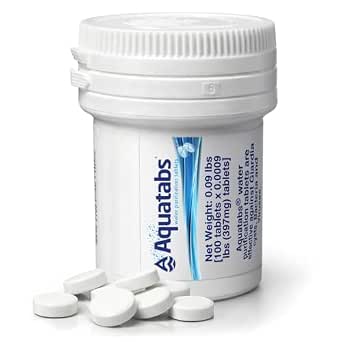 | Best Lightweight Water Treatment | Tablet Count: 100 tablets | Dose: 397mg per tablet | Capacity: 4 gallons per tablet | VIEW LATEST PRICE | See Our Full Breakdown |
| Sucrain Pocket Chainsaw with Paracord Handle |  | Best for Firewood Prep | Length: 24 inches | Teeth: 11, bidirectional | Blade Material: Heat-treated alloy steel | VIEW LATEST PRICE | See Our Full Breakdown |
| READYWISE Emergency Food Supply Meals 72 Hour Survival Kit, 30 Servings |  | Best 72-Hour Food Kit | Servings: 30 | Shelf Life: Up to 25 years | Preparation: Just add water | VIEW LATEST PRICE | See Our Full Breakdown |
| QIO CHUANG Emergency Mylar Thermal Blankets 4 Pack |  | Best Budget Multi-Person Warmth | Quantity: 4 blankets | Size: 84″ x 55″ | Material: Polyethylene, Polyester, Mylar | VIEW LATEST PRICE | See Our Full Breakdown |
| LifeStraw Personal Water Filter |  | Best Personal Water Filtration | Bacteria Removal: 99.999999% | Parasite Removal: 99.999% | Microplastic Removal: Down to 1 micron | VIEW LATEST PRICE | See Our Full Breakdown |
| Emergency Glow Sticks with 12 Hours Duration |  | Best Zero-Battery Lighting | Duration: 12 hours per stick | Grade: Industrial grade | Waterproof: Yes | VIEW LATEST PRICE | See Our Full Breakdown |
| VOETIR Led Solar Flashlight, 1500 Lumens, Waterproof, Handheld Emergency Light (2 Pack) |  | Best Lighting Value | Lumens: 1500 | Waterproof Rating: IP65 | Battery: Built-in, non-removable | VIEW LATEST PRICE | See Our Full Breakdown |
| Survival Kit, 262-Piece Emergency Gear with First Aid, Tent, Axe, Shovel, and Crossbody Bag |  | Best All-in-One Starter Kit | Pieces: 262 | Key Items: First aid kit, tent, axe, hammer, shovel, fire starter, flashlight, multi-tool, emergency blanket, rope, compass | Tool Material: Carbon steel (axe and shovel) | VIEW LATEST PRICE | See Our Full Breakdown |
| Emergency Mylar Space Survival Blanket – 100 Pack |  | Best for Group and Shelter Prep | Material: Aluminized Mylar | Size: 82″ x 52″ | Quantity: 100 blankets | VIEW LATEST PRICE | See Our Full Breakdown |
| Mayday 73021 Emergency Water Packets (50-Pack) |  | Best Water Storage Solution | Brand: Mayday Industries | Quantity: 50 pouches | Pouch Size: 4.225 oz each | VIEW LATEST PRICE | See Our Full Breakdown |
More Details on Our Top Picks
Ultra Bright Green Emergency Glow Sticks (6″, 25 Pack)
When the grid goes down, 25 individually wrapped glow sticks give you distributed light without batteries, fuel, or moving parts. That’s the core appeal: unlike the Tenergy hand crank radio or the VOETIR solar flashlight, chem lights work when wet, frozen, or dropped down a flight of stairs. Each 6-inch stick delivers roughly 12 hours of 360-degree illumination, which matters if you’re marking escape routes or signaling family members at night without draining your electronics.
The tradeoff is honesty about brightness — a glow stick is a marker, not a searchlight. The VOETIR flashlight at 1500 lumens outclasses it for task lighting, so these work best as a supplement, not your primary source. The bulk count and long shelf life justify the spot for households building kits on a budget.
Pros:- 12-hour runtime far exceeds typical cheap glow sticks
- No batteries or charging required — always ready
- Non-toxic and leak-resistant, safe around kids
- Bulk pack lets you distribute across kits and vehicles
Cons:- Dim compared to any LED flashlight or headlamp
- Single-use — once cracked, they’re spent
Best for: Families and preppers stocking multiple emergency kits, go-bags, and vehicles who need cheap, zero-maintenance backup lighting
Not ideal for: Anyone expecting these to replace a real flashlight — the output is too low for navigating dark rooms or trail work
- Count:25 sticks
- Length:6 inches
- Runtime:Approx. 12 hours
- Color:Green
- Light Output:360-degree illumination
- Safety:Non-toxic, non-leaking
- Packaging:Individually wrapped
Our verdict“A low-cost insurance policy for lighting that belongs in every go-bag, as long as a real flashlight carries the main load.”
Emergency Mylar Space Survival Blankets (4-Pack)
Mylar is the cheapest lifesaving technology in survival gear, and this 4-pack keeps the per-unit cost minimal while covering the whole household. Retaining up to 90% of body heat turns a hypothermia risk into a manageable problem, whether you’re sheltering after an earthquake or stranded in a broken-down car. At 82″ x 52″ unfolded, each blanket fits an adult, and they pack down smaller than a deck of cards.
Compared with the QIO CHUANG 84″x55″ blankets, this set is slightly smaller and lighter, which suits go-bags more than permanent shelter kits — anyone outfitting a large group should look at the 100-pack version instead. The real limitation is durability: Mylar tears under rough handling, so treat these as emergency backups rather than camp blankets you reuse every weekend.
Pros:- Reflects up to 90% of body heat for genuine hypothermia protection
- Packs down to pocket size and weighs almost nothing
- Four units cover a family for less than a single premium blanket
- Doubles as ground cover, shelter material, or signaling surface
Cons:- Tears easily if handled roughly or on rough ground
- Crinkly and uncomfortable for actual sleep
Best for: Households building budget emergency kits for cars, homes, and go-bags who need heat retention for a few dollars per person
Not ideal for: Extended cold-weather camping — Mylar alone won’t replace an insulated sleeping bag in sustained freezing temperatures
- Material:Aluminized Mylar
- Unfolded Size:82″ x 52″
- Pack Size:4 blankets
- Heat Retention:Up to 90% of body heat
- Reusable:Yes, with care
- Durability:Tear-resistant construction
- Weight:Ultra-lightweight
Our verdict“The best dollars-to-lives-saved ratio in any emergency kit — buy the 4-pack for your household and forget about it until you need it.”
Tenergy Multifunctional Hand Crank Weather Radio with LED Flashlights and SOS Alarm
This earns the top spot because it consolidates four critical functions — NOAA weather alerts, lighting, an SOS alarm, and phone charging — into one device powered by hand crank, solar, USB, or batteries. During a multi-day hurricane outage, that redundancy means you’re never fully cut off from evacuation notices, which is the single most information-dependent moment in any disaster. The SOS alarm adds a signaling option neither the compact 2000mAh crank radio nor any flashlight in this roundup offers.
Compared with the smaller hand crank radio, Tenergy’s model is the better household anchor but less pocketable, and its power bank output is modest — expect a partial phone top-up, not a full charge. The bigger gap: it’s not water resistant, so it stays inside the tent or shelter during heavy weather rather than riding on a backpack strap.
Pros:- Four power sources including hand crank and solar for indefinite operation
- NOAA, AM, and FM bands keep you current on official alerts
- Built-in SOS alarm for signaling rescuers
- Power bank function keeps a phone alive for emergency calls
Cons:- No water resistance — must be sheltered from rain
- Hand crank charging is slow for phones; battery output is limited
Best for: Households that want one countertop device covering weather alerts, light, and backup phone power during extended outages
Not ideal for: Backpackers and ultralight hikers — the extra functions add size and weight better spent elsewhere
- Radio Bands:AM / FM / NOAA Weather
- Power Sources:Hand crank, solar, USB, 3x AAA batteries
- Flashlight:Built-in LED
- SOS Alarm:Yes
- Phone Charging:Yes, via built-in power bank
- Voltage:5V
- Water Resistance:No
Our verdict“The closest thing to a single-device emergency command center, and the one item in this roundup I’d grab first for a storm.”
Hand Crank Radio with LED Flashlight, 2000mAh NOAA AM FM Emergency Radio
At 5 x 1.8 x 2.4 inches and half a pound, this is the radio you actually take with you. It covers the same NOAA/AM/FM ground as the Tenergy hub, with a 2000mAh battery that doubles as a power bank, but its size makes it a glovebox and backpack item rather than a kitchen-shelf unit. For bug-out scenarios where every ounce counts, that difference decides the purchase.
The compromises are real. Its battery is small for extended charging duties — a modern phone will drain it in one session — and the feature set is bare-bones, with no SOS alarm or second light. It also shares the Tenergy’s lack of water resistance, so a ziplock bag is part of the deal. Think of it as the mobile complement to a home hub, not a replacement for one.
Pros:- Genuinely pocketable at 0.5 lbs — small enough for everyday carry kits
- 2000mAh battery doubles as an emergency phone charger
- Hand crank and solar keep it running indefinitely
- 1W LED flashlight handles close-range tasks
Cons:- Battery too small for repeated device charging
- Basic feature set — no SOS alarm or weather sealing
Best for: Hikers, commuters, and bug-out bag builders who need weather alerts and backup power that fit in a pocket or glovebox
Not ideal for: Homebound emergency planners who’d get more capability from the larger multifunction Tenergy at similar cost
- Battery Capacity:2000mAh rechargeable
- Radio Bands:NOAA / AM / FM
- Power Sources:Hand crank, solar panel, rechargeable battery
- Dimensions:5 x 1.8 x 2.4 inches
- Weight:0.5 lbs
- Flashlight:1W high-brightness LED
- Power Bank:Yes
Our verdict“The grab-and-go pick for people whose emergency plan involves moving, not sheltering in place.”
Aquatabs Water Purification Tablets, 397mg, 100 Pack
Water is the survival priority people most often under-prepare for, and 100 tablets treating 4 gallons each gives you up to 400 gallons of safe drinking water in a container weighing about two ounces. Compared with the LifeStraw personal filter, Aquatabs win on scale: one straw serves one person, while a single strip of tablets treats water for an entire household or group. They also kill viruses, which most hollow-fiber filters like the LifeStraw cannot remove.
The tradeoffs are patience and source quality: treatment takes a full 30 minutes before the water is safe, and tablets don’t remove sediment or chemicals — murky water needs pre-filtering through cloth first. For guaranteed-potable storage, the Mayday water packets are ready instantly, but they expire and weigh far more per gallon. These tablets are the flexible middle ground.
Pros:- Kills bacteria, viruses, and cysts, including viruses filters miss
- Treats up to 400 gallons total across the pack
- No unpleasant taste, color, or odor after treatment
- Multi-year shelf life through November 2028
Cons:- 30-minute wait before water is safe to drink
- Does not remove sediment, chemicals, or heavy metals
Best for: Families and group planners who need to treat large volumes of water from questionable sources at minimal weight and cost
Not ideal for: Solo fast-packers who need water instantly on the trail — a filter straw drinks on demand, tablets do not
- Tablet Count:100 tablets
- Dose:397mg per tablet
- Capacity:4 gallons per tablet
- Treatment Time:30 minutes
- Targets:Bacteria, viruses, cysts
- Expiration:November 2028
- Weight:Approx. 0.06 kg (2 oz)
Our verdict“The most weight-efficient way to secure drinking water for a group — just plan ahead and pre-filter murky sources.”
Sucrain Pocket Chainsaw with Paracord Handle
When an emergency stretches past a day or two, fuel for fire and heat becomes the priority, and that’s where this pocket chainsaw earns its slot. Unlike the Ultra Bright Green Glow Sticks or the Mylar blankets elsewhere in this roundup, which are passive supplies, this is an active tool — it turns standing deadwood into burnable fuel with nothing but arm strength. The bidirectional 11-tooth design cuts on both the pull and push stroke, so it works noticeably faster than a fixed-blade camp saw of similar pack weight.
The tradeoff is effort and reach: very thick logs will leave you sweating, and there’s no carrying case included, so the chain should be wrapped carefully before it goes near other gear.
Pros:- Cuts on both pull and push strokes for faster work
- Heat-treated alloy steel resists corrosion over years of storage
- Folds to roughly 3 inches and weighs just 170 grams
- Paracord handles are comfortable and field-replaceable
Cons:- Physically demanding on thick logs
- No included carrying case or blade guard
Best for: Campers and emergency preppers who need to process firewood without carrying a full axe or bow saw
Not ideal for: Anyone expecting to cut large-diameter timber quickly — this is arm-powered and struggles on thick trunks
- Length:24 inches
- Teeth:11, bidirectional
- Blade Material:Heat-treated alloy steel
- Handle Material:Nylon paracord
- Weight:170 grams
- Folded Dimensions:3″L x 2″W x 0.5″H
Our verdict“A near-weightless addition to any bug-out bag for those who expect to gather their own firewood during extended emergencies.”
READYWISE Emergency Food Supply Meals 72 Hour Survival Kit, 30 Servings
Most items in this roundup solve one problem; this kit solves the one people forget until it’s too late — calories during the first 72 hours of a disaster. The 25-year shelf life means you buy it once and it sits ready through power outages, storms, or evacuations, and preparation needs nothing but water, which pairs naturally with the Mayday Emergency Water Packets elsewhere in this guide. Compared with assembling your own pantry of canned goods, this is far more compact per serving and requires zero cooking fuel.
The honest drawback: 30 servings is a stretch for a family of four covering three days, and no calorie counts are listed, so hungry adults may need to supplement. Think of it as a bridge, not a full food plan.
Pros:- Up to 25-year shelf life for true set-and-forget storage
- Only requires water to prepare, no cooking fuel
- Compact footprint fits closets, cars, or go-bags
- Includes familiar comfort meals like cheesy macaroni
Cons:- Serving count is insufficient for larger households
- No published calorie information per serving
Best for: Solo preppers or couples building a short-term 72-hour emergency food reserve
Not ideal for: Large families — 30 servings won’t stretch to three days for four or more people
- Servings:30
- Shelf Life:Up to 25 years
- Preparation:Just add water
- Meal Variety:Includes Cheesy Macaroni, Whey Milk Alternative, and others
- Use Case:72-hour emergencies, camping, everyday backup
Our verdict“The easiest way to check the emergency-food box for a 72-hour scenario, as long as you size it to your household honestly.”
QIO CHUANG Emergency Mylar Thermal Blankets 4 Pack
At the price of a coffee, this four-pack delivers heat retention for the whole family, reflecting up to 90% of body heat when hypothermia is the real threat in any emergency. Where the LifeStraw in this roundup solves water for one person, these blankets solve exposure for four — making the per-person cost almost trivial. They’re waterproof and windproof, and the bright orange color doubles as a signal panel for rescuers, something the silver versions in the Emergency Mylar Space Survival Blankets 4-Pack don’t offer as visibly.
Be realistic about limits: Mylar is a supplement to, not a replacement for, a sleeping bag in genuinely cold conditions, and larger users may find 84 x 55 inches snug.
Pros:- Reflects up to 90% of body heat to fight hypothermia and shock
- Four blankets cover a family for the price of one
- Waterproof and windproof in all-weather conditions
- Folds down small enough for gloveboxes and first-aid kits
Cons:- Insufficient alone in extreme cold
- Size may be tight for larger individuals
Best for: Budget-conscious households and car-kit builders who need heat retention for multiple people at minimal cost
Not ideal for: Anyone planning to rely on these as primary insulation in extreme winter cold — they supplement, they don’t replace real bedding
- Quantity:4 blankets
- Size:84″ x 55″
- Material:Polyethylene, Polyester, Mylar
- Color:Orange
- Heat Reflection:Up to 90% of body heat
- Features:Waterproof, windproof, reusable
Our verdict“The cheapest meaningful upgrade to any emergency kit — four people get basic hypothermia protection for pocket change.”
LifeStraw Personal Water Filter
Water is the survival priority that kills fastest, and the LifeStraw addresses it with lab-grade filtration at consumer weight — 99.999999% of bacteria and 99.999% of parasites removed, down to 1-micron microplastics. Compared with the Aquatabs Water Purification Tablets in this same roundup, the LifeStraw wins on instant access and zero wait time: you drink straight from the source rather than waiting 30 minutes for chemical treatment. Its 4,000-liter capacity means one unit can last a solo user for years of emergencies, not just one event.
The catch is scale and comfort. This is strictly one person, one straw — a group needs multiples or tablets — and drinking through the filter takes real suction effort, which can be tiring when dehydrated.
Pros:- Removes bacteria, parasites, and microplastics to certified standards
- 4,000-liter capacity covers years of personal use
- Instant use with no waiting, chemicals, or batteries
- BPA-free and lightweight for go-bags and travel
Cons:- Requires noticeable suction effort to drink
- Single-person use only; no pump or storage container included
Best for: Solo hikers, travelers, and individuals building a personal go-bag where safe drinking water is the top concern
Not ideal for: Families or groups — it’s single-person by design, and purifying water for cooking isn’t practical with a straw
- Bacteria Removal:99.999999%
- Parasite Removal:99.999%
- Microplastic Removal:Down to 1 micron
- Turbidity Reduction:Down to 0.2 microns
- Filter Capacity:4,000 liters (1,000 gallons)
- Materials:BPA-free
Our verdict“If you’re building a one-person emergency kit, this is the highest-value water tool in the roundup — just pair it with tablets if you cook or share.”
Emergency Glow Sticks with 12 Hours Duration
Every light source in a survival kit eventually meets a dead battery — except this one. These industrial-grade glow sticks provide 360-degree light for a full 12 hours with no power, no fuel, and no fire risk, which is exactly why they belong alongside battery-dependent options like the VOETIR Solar Flashlight or the Tenergy Hand Crank Radio’s LED in this roundup. They’re safe around gas leaks where flashlights with sparks or flames would be dangerous, and the individual foil wrapping means they’ll still work after years in a glovebox or boat compartment.
The limitations are structural: each stick is single-use, so activating one for a five-minute task burns half a night of light, and brightness drops in bitter cold.
Pros:- 12 hours of continuous 360-degree illumination
- No batteries, fuel, or flame — safe near gas leaks
- Waterproof, non-toxic, and non-flammable
- Individually foil-wrapped for long-term storage
Cons:- Single-use with no way to switch off and save
- Reduced brightness in extreme cold
Best for: Households and vehicle-kit builders who want failsafe, fire-safe lighting that works when batteries and chargers don’t
Not ideal for: Anyone needing focused, adjustable, or repeated lighting — single-use chemistry can’t replace a flashlight
- Duration:12 hours per stick
- Grade:Industrial grade
- Waterproof:Yes
- Toxicity:Non-toxic, non-flammable
- Packaging:Individually foil-wrapped
- Activation:Bend and snap to activate
Our verdict“A cheap, indestructible lighting backup that belongs in every car trunk and emergency bin next to — not instead of — your flashlight.”
VOETIR Led Solar Flashlight, 1500 Lumens, Waterproof, Handheld Emergency Light (2 Pack)
Lighting is where most emergency kits cut corners, and this two-pack fixes that problem affordably. 1500 lumens is genuinely bright enough to light a room or signal for help, and the SOS mode gives it a real emergency function beyond casual flashlight duty. Compared with the Ultra Bright Green Glow Sticks elsewhere in this roundup, these flashlights offer rechargeability and dramatically higher output — but glow sticks win on zero-maintenance reliability since they never depend on a battery. The solar charging is the standout feature for extended outages: when the grid is down for days, a USB-only light eventually dies. The tradeoff is the non-removable battery, which means when the cell eventually degrades, the whole unit is done. Eight hours per charge also falls short of multi-night use without sun.
Pros:- 1500 lumens is exceptionally bright for the price
- Solar charging keeps lights running during extended power outages
- SOS mode adds genuine emergency signaling capability
- IP65 waterproofing survives rain and rough outdoor handling
Cons:- Non-removable battery means the light cannot be revived with fresh cells
- 8-hour runtime is limiting for multi-night use without sunlight
Best for: Households in outage-prone areas who want redundant, rechargeable lighting for two people at a low price
Not ideal for: Anyone building a decade-shelf-life bug-out bag — the sealed battery will degrade long before quality alkaline lights would
- Lumens:1500
- Waterproof Rating:IP65
- Battery:Built-in, non-removable
- Charging Methods:Solar and USB
- Battery Life:At least 8 hours
- Light Modes:4 modes including SOS
- Quantity:2-pack
Our verdict“Buy this if you want affordable, solar-rechargeable lighting redundancy; skip it if your priority is maximum shelf life.”
Survival Kit, 262-Piece Emergency Gear with First Aid, Tent, Axe, Shovel, and Crossbody Bag
For someone starting from zero, this 262-piece kit solves the hardest part of preparedness: knowing what to buy. Between the 17-inch carbon steel axe and shovel, first aid supplies, tent, and fire starter, it covers shelter, medical, and tool needs in one purchase. The tradeoff is depth versus breadth — a LifeStraw Personal Water Filter filters thousands of gallons, while this kit offers only a water container with no purification method at all. That gap matters more than any axe. Compared with piecing together individual items like the Sucrain Pocket Chainsaw or a standalone first aid kit, this bundle is cheaper and faster, but the quality of any single tool won’t match a dedicated purchase. The crossbody bag with molle straps makes it genuinely portable, though the full load gets heavy on foot.
Pros:- 262 pieces cover first aid, shelter, tools, and fire starting in one organized bag
- Full-size 17-inch axe and shovel beat the tiny multi-tools in most kits
- Molle-equipped crossbody bag keeps everything grab-and-go ready
Cons:- No water filtration or purification included, a serious gap for disaster scenarios
- Broad rather than deep — individual tools are lower quality than standalone versions
- Full kit weight is cumbersome for extended on-foot evacuation
Best for: Beginners and busy families who want broad emergency coverage in a single purchase rather than months of research
Not ideal for: Experienced preppers — the individual tool quality and missing water purification will disappoint anyone who already owns dedicated gear
- Pieces:262
- Key Items:First aid kit, tent, axe, hammer, shovel, fire starter, flashlight, multi-tool, emergency blanket, rope, compass
- Tool Material:Carbon steel (axe and shovel)
- Bag Type:Crossbody with compartments and molle straps
- Axe/Shovel Length:17 inches
- Designed For:Earthquakes, tornadoes, hurricanes, outdoor emergencies
Our verdict“This is the fastest way to go from unprepared to reasonably covered, but plan to add a water filter like the LifeStraw immediately.”
Emergency Mylar Space Survival Blanket – 100 Pack
Most Mylar blankets are sold in four-packs, which barely covers one family for one night. This 100-pack changes the math entirely — it’s enough to blanket a household repeatedly, outfit a car and office kit, or serve as a community shelter reserve. Each 82 x 52-inch sheet retains up to 90% of body heat, and uses extend beyond warmth: ground cover, shelter insulation, and signaling. Compared with the Emergency Mylar Thermal Blankets 4 Pack in this lineup, the per-unit cost here is dramatically lower, but you’re committing to bulk storage for items you’ll hopefully never use. Unlike consumables such as READYWISE Emergency Food, these don’t expire, which makes stockpiling them rational. The honest tradeoff: Mylar is noisy, crinkly, and hand-wash only, and the manufacturer is vague on how well reusability holds up after repeated folding.
Pros:- 100 blankets cover large families, groups, or multiple vehicle and office kits
- Retains up to 90% of body heat for hypothermia prevention
- Doubles as ground cover, shelter insulation, and signaling material
- No expiration date, so bulk stockpiling never goes to waste
Cons:- Hand wash only, limiting genuine reusability
- Long-term durability after repeated use is not well documented
- Bulk quantity is impractical for people who need only a couple of blankets
Best for: Families, volunteer groups, and anyone stocking multiple locations (home, car, work) who needs warmth coverage at scale
Not ideal for: Solo hikers or minimalists who only need one or two blankets and don’t want 100 units of storage committed
- Material:Aluminized Mylar
- Size:82″ x 52″
- Quantity:100 blankets
- Features:Water resistant, tear resistant, windproof, reusable
- Heat Retention:Up to 90% of body heat
- Recommended Uses:Camping, hiking, emergency kits, shelter, ground cover
Our verdict“If you’re preparing for a household or group rather than one person, this bulk pack beats multi-packs on pure per-blanket value.”
Mayday 73021 Emergency Water Packets (50-Pack)
Water is the survival priority most people get wrong, and these pouches solve the two hardest problems: no purification needed and a 5-year shelf life with zero maintenance. Unlike tap water stored in jugs that goes stale or grows bacteria, each 4.225 oz pouch is sealed, purified, and ready to drink straight away. Compared with Aquatabs Water Purification Tablets or the LifeStraw, this is the opposite approach: those tools treat water you find, while Mayday gives you water you already own. The smart play is actually carrying both. The tradeoff is capacity — 50 pouches totals just under 1.7 gallons, roughly a day and a half of drinking water for one person. At that rate, a family of four would need multiple boxes to meet the recommended three-day minimum, and the small pouch size means opening several per meal.
Pros:- 5-year shelf life with no rotation schedule or maintenance required
- Sealed, purified pouches are drinkable immediately with no filtering
- Leak-resistant and freezable, surviving garage and vehicle storage
- Compact pouches distribute easily among packs, cars, and kits
Cons:- Small 4.225 oz pouches require opening many units for real hydration needs
- Total volume (under 2 gallons) is limited for the price versus bulk storage
- Bulk box takes up more cabinet space than tablets or a filter
Best for: Preppers who want grab-and-go, maintenance-free water with a verified shelf life rather than relying on finding and treating sources
Not ideal for: Anyone needing high-volume hydration — 1.7 gallons total is far short of a family’s three-day minimum without buying multiple packs
- Brand:Mayday Industries
- Quantity:50 pouches
- Pouch Size:4.225 oz each
- Shelf Life:5 years
- Container Type:Leak-resistant pouch
- Purification Required:None — ready to drink
- Freezer Safe:Yes, can be frozen without adverse effects
Our verdict“Pair these pouches with a LifeStraw or Aquatabs for redundancy — alone they cover short-term needs, not a multi-day family supply.”
How We Picked
I evaluated each product against what actually matters in an emergency: does it solve a life-safety problem, how quickly does it work under stress, and will it still function when infrastructure is down. That meant prioritizing gear with no battery dependency or with hand-crank/solar backup, items that work for untrained users, and supplies with long shelf life. Water, warmth, light, information, and first aid outranked comfort items — a pocket chainsaw is genuinely useful, but it ranks below water purification because dehydration and waterborne illness kill faster than a lack of firewood.
Ranking also reflected coverage-per-dollar and redundancy. Kits that consolidated multiple needs scored well for beginners, while specialized tools scored well when they outperformed their kit equivalents. Finally, I weighed portability and expiration: food and water supplies lose value if they expire unnoticed, so products with long, clearly labeled shelf lives ranked higher than comparable options with shorter windows.
Factors to Consider When Choosing Survival Gear For Emergency Preparedness
Choosing survival gear isn’t about buying the most impressive tools — it’s about covering the threats most likely to affect you, in the order they’ll actually hurt you. Before spending anything, work through the factors below.Prioritize by Threat Timeline, Not by Catalog
The most common mistake in emergency preparedness is buying impressive gear while skipping boring essentials. In a real emergency, the clock runs roughly like this: minutes for medical bleeding, hours for exposure, three days for water, weeks for food. A tactical axe feels exciting, but a mylar blanket and water treatment will save more lives in the first 72 hours than any cutting tool. Build your kit in reverse order of how long you can survive without each item. This is also why I rank radios and water purification above saws and multi-tools in this roundup. Once the life-safety basics are covered, then add capability tools. Buyers who skip this sequencing often end up with a heavy bag full of gear they’ll never reach for while missing the blanket they needed on night one.
Battery Dependency Is Your Biggest Vulnerability
Every battery-powered item in your kit is a countdown timer, and emergencies are defined by unavailable power. When comparing lights and radios, hand crank and solar options carry a reliability premium that battery-only products can’t match, even when the battery versions are brighter or louder. That said, redundancy beats purity: a solar flashlight plus glow sticks covers you when one fails, and glow sticks never run out of charge, never break in a way that kills the light, and are safe around children and gas leaks where spark-producing lights are risky. The tradeoff is brightness and rechargeability — crank devices require physical effort when you may be exhausted or injured. A layered lighting plan (one rechargeable primary, one chemical backup) outperforms any single purchase.
Water: Match Your Method to Your Scenario
Water treatment is where one-size-fits-all advice fails hardest. Filters, tablets, and stored packets serve completely different emergencies. A personal filter like a straw-style unit is ideal if you’re mobile and near any freshwater source, but it does nothing for turbid or chemically contaminated water. Tablets treat large volumes cheaply and pack flat, but require waiting time and leave a taste — a real problem for children who may refuse treated water. Stored packets guarantee quality but are heavy and finite, making them best for shelter-in-place plans or car kits. The mistake to avoid is buying only one method: a filter with no backup breaks, and tablets alone fail if you have nothing to carry treated water in. Ideally your plan includes a primary method plus either stored water or a second treatment type.
Shelf Life and the Maintenance Trap
Emergency food and water are the only kit components that silently expire, and expired calories are worse than no gear because they create false confidence. Food rations typically last 5–25 years, water packets around 5, and purification tablets 4–5 once manufactured — but only if stored away from heat cycles, which makes car kits the harshest environment you can put them in. The practical move is setting a single annual calendar check to rotate anything dated, and writing purchase dates on items that arrive with cryptic lot codes. Buyers also routinely overestimate how much food they need: a 72-hour supply per person is the recognized baseline, and stretching to 30 days before securing water and warmth is backwards prioritization. Buy calories last, and date-check them first.
All-in-One Kits vs. Specialized Gear
Pre-assembled kits trade depth for convenience, and whether that trade is worth it depends entirely on your starting point. For someone with no supplies, a 262-piece style kit creates instant baseline coverage for less than assembling items individually, and its crossbody bag solves the storage problem too. The catch: kit components are chosen for cost, not quality — the included first aid supplies run shallow on the items that matter most (tourniquets, quality dressings), and tools are lighter-duty than standalone versions. Experienced preppers almost always outgrow bundled kits within a year. My suggestion: beginners start with a kit, then replace its weakest components individually over time rather than treating it as permanent. If you already own solid tools and first aid, skip kits entirely and fill specific gaps.
Weight, Portability, and the Realistic Go-Bag
A kit you can’t carry is shelter-in-place supplies, not a go-bag, and confusing the two is a planning failure. As a rough rule, a realistic on-foot go-bag for one person tops out around 20 pounds, which forces brutal choices: water packets are heavy for their calorie of safety, so mobile plans should lean on filters and tablets instead. Bulk buys like 100-count mylar blanket packs and 25-count glow stick packs make sense for home and vehicle staging points but should be split into individual kits rather than carried whole. Size your gear to your actual plan — if you’d shelter at home, weight barely matters and stored supplies win; if you’d evacuate, every ounce competes with water. The buyers who struggle most bought heavy kits for scenarios that required walking.
Frequently Asked Questions
Should I buy an all-in-one survival kit or build my own piece by piece?
If you’re starting from zero, an all-in-one kit like the 262-piece option delivers immediate baseline coverage at a lower total cost than piecing items together, and it removes the paralysis of deciding what matters first. Building your own produces a higher-quality kit — better tools, deeper first aid, gear matched to your climate — but it takes months and costs noticeably more upfront. The pragmatic middle path is starting with a kit, then auditing it within the first month and replacing its weakest components. The most common failure mode for DIY builders is stopping halfway done, which leaves them with a great water filter and no warmth or light. Choose based on your honesty about follow-through, not on the theoretical quality difference.
Is a LifeStraw or water purification tablets better for emergencies?
They solve different problems, and the best answer is usually both. A straw filter gives you instant, effort-free drinking from any freshwater source, which is ideal when you’re mobile — but it only serves one person at a time and can’t treat a container of water for cooking or for a group. Tablets treat larger volumes cheaply and weigh almost nothing, but they demand a 30-minute wait, leave a slight taste, and don’t remove sediment or chemical contamination. For a shelter-in-place plan, stored water packets plus tablets cover you without needing a water source at all. For evacuation planning, the filter is the primary tool. Families should treat the filter as one person’s solution and add tablets for scaling to the whole household.
Do I really need a hand crank radio if I have a phone?
Yes, and the reason is that phones fail in exactly the emergencies you’re preparing for. Cell networks congest or lose power within hours of a major disaster, and a dead phone battery with no grid power becomes a brick, while a hand crank radio keeps receiving NOAA alerts indefinitely with nothing but elbow effort. The crank models in this lineup add flashlights and limited phone charging, which turns them into a backup power source too — though 2000mAh of crank-generated charging is for emergency texts, not full recharges. The realistic value is information: evacuation orders, shelter locations, and storm updates that save more lives than any tool in your kit. If you only buy three items from this roundup, make the radio one of them.
How many mylar blankets do I actually need, and are the cheap ones adequate?
The single-sheet versions work, but they’re single-use in practice — once opened and crumpled, mylar loses effectiveness and tears easily, so the 4-pack is the honest minimum for one household and the 100-pack only makes sense for group or organizational kits. Plan on one blanket per person per emergency, plus spares, because a blanket used for ground insulation under a sleeping person won’t survive to be reused. The larger 84-inch QIO CHUANG blankets offer enough coverage to actually wrap an adult fully or fashion into a shelter, which matters more than thickness. The genuine weakness of all mylar blankets is noise and fragility — they crinkle loudly and shred in wind, so practice folding one into a shelter before you need to. At this price, buying extra is cheap insurance and buying one is a false economy.
What should I buy first if I can only afford one or two items right now?
Spend your first dollars on water treatment and warmth, because those are the two failures that kill fastest after the first 24 hours. A LifeStraw plus a 4-pack of mylar blankets costs under $30 and covers dehydration and hypothermia — the two most common preventable emergency deaths. Your third purchase should be light and information, which a hand crank radio handles in one item since most include a flashlight. Food comes last among the essentials because a healthy adult survives weeks without it, and the 72-hour READYWISE kit is a convenience purchase rather than a first-week lifesaver. Skip tools and cutting gear entirely until those four categories are covered, no matter how tempting a folding saw or axe looks. Sequencing by survival timeline beats buying by excitement every time.
Conclusion
After comparing all 14 products, the right pick depends less on quality gaps and more on your starting point and plan. For best overall, the 262-Piece Survival Kit delivers the broadest immediate coverage and suits anyone whose emergency supplies currently amount to a flashlight drawer. The best value picks are the Emergency Mylar Blankets 4-Pack and bulk glow sticks — under $25 combined for warmth and light redundancy no kit should skip. For best premium-style performance, the Tenergy Hand Crank Radio earns it with NOAA alerts, SOS alarm, and phone charging in one crank-powered package. Best for beginners is the READYWISE 72-Hour Food Kit paired with Aquatabs, a simple, low-skill entry point that covers sustenance and water with no learning curve. For specific needs: mobile evacuators should grab the LifeStraw, families stocking a home base get more from Mayday water packets and the 100-count blanket pack, and vehicle kits benefit from the solar flashlights and pocket chainsaw. Whatever combination you choose, cover water, warmth, light, and information before anything else — the rest is refinement.