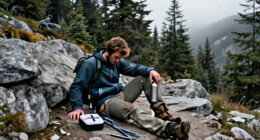
To stay safe at high altitudes, ascend gradually to allow your body to acclimate, staying well-hydrated and avoiding alcohol. Recognize early signs of AMS like headaches, nausea, and fatigue, and act quickly by resting or descending if symptoms worsen. Watch for severe symptoms of HAPE, such as breathlessness at rest and frothy cough, or HACE, like confusion and loss of coordination, which require urgent descent and medical help. Continuing your journey safely depends on understanding these risks.

Get emergency and outdoor gear delivered free with Prime
- Fast, free delivery on millions of items
- Prime Video, Amazon Music and more included
- Member-only deals all year
Key Takeaways
- Gradually ascend and stay hydrated to allow your body to acclimate and reduce risk of AMS, HAPE, and HACE.
- Recognize early symptoms like headache, nausea, confusion, or cough to prompt timely descent or treatment.
- Mild AMS often improves with rest, but severe symptoms require immediate descent and medical intervention.
- HAPE presents with shortness of breath at rest and frothy sputum; treat with oxygen, descent, and medications like nifedipine.
- HACE causes severe headache, confusion, and loss of coordination; prioritize rapid descent and emergency medical care.

Climbing to high altitudes exposes you to a range of health risks that can strike suddenly if you’re not prepared. When you ascend rapidly or don’t give your body enough time to acclimate, your body struggles to adapt to the lower oxygen levels, increasing the risk of conditions like Acute Mountain Sickness (AMS). AMS is often the first warning sign that your body is under stress. You might experience headaches, nausea, dizziness, fatigue, and shortness of breath. These symptoms can develop within hours of arrival at high altitude and can worsen if ignored. The key to prevention is to ascend gradually, allowing your body time to adjust. Drinking plenty of fluids, avoiding alcohol, and eating carbohydrate-rich foods can help your body cope with the altitude. If symptoms are mild, resting and descending slightly can often alleviate discomfort. However, if symptoms worsen or are accompanied by persistent vomiting, confusion, or difficulty breathing, immediate descent is essential to prevent more severe conditions. Additionally, using supplemental oxygen when available can significantly reduce the strain on your body and aid acclimatization. High-altitude pulmonary edema (HAPE) is a dangerous complication that occurs when fluid leaks into your lungs due to increased pressure in the pulmonary circulation. It can develop suddenly and progresses rapidly, making it a life-threatening emergency. The early signs of HAPE include a persistent cough, often producing frothy or blood-tinged sputum, along with extreme fatigue and shortness of breath even at rest. You might notice your chest feels tight, and you struggle to breathe deeply. Recognizing these symptoms early is critical. Preventive measures include ascending slowly, avoiding overexertion, and ensuring proper hydration. If you suspect HAPE, you should stop climbing immediately, administer supplemental oxygen if available, and descend as quickly as possible. Medical treatment often involves medications such as nifedipine to reduce pulmonary pressure, but the priority remains rapid descent and professional care. High-altitude cerebral edema (HACE) is the most severe form of altitude sickness, occurring when swelling develops in your brain due to increased pressure from fluid buildup. Symptoms include severe headache, confusion, loss of coordination, hallucinations, and even unconsciousness. HACE can develop within a day of rapid ascent and requires urgent attention. It’s essential to recognize the signs early and act fast. If you experience any of these symptoms, you must cease ascent, descend immediately, and seek emergency medical assistance. While oxygen therapy and medications like dexamethasone can help stabilize symptoms temporarily, the definitive treatment is rapid descent. Ignoring early signs of HACE can lead to coma or death, so prevention through gradual acclimatization and monitoring for symptoms is fundamental. Being aware of altitude-related health risks and acting swiftly can mean the difference between a safe adventure and a life-threatening situation. Always listen to your body, respect the signs of altitude sickness, and prioritize gradual ascent and proper acclimatization to stay safe at high elevations.
Frequently Asked Questions
Can Altitude Sickness Occur at Elevations Below 8,000 Feet?
Yes, altitude sickness can occur below 8,000 feet. You might experience symptoms like headache, dizziness, or nausea even at lower elevations, especially if you ascend quickly or are sensitive to altitude changes. Your body needs time to adjust, so it’s important to ascend gradually, stay hydrated, and listen to your body. Early recognition and prevention are key to avoiding more serious issues like AMS, HAPE, or HACE.
Are There Specific Symptoms Unique to Each High-Altitude Illness?
Yes, each high-altitude illness has unique symptoms. You might notice headache, nausea, and dizziness with AMS. HAPE causes shortness of breath, persistent cough, and fatigue. HACE presents with confusion, coordination issues, and hallucinations. Recognizing these signs helps you act quickly. If symptoms appear, descend immediately and seek medical attention. Staying aware of these specific symptoms guarantees you respond promptly and prevent severe complications.
How Quickly Can Altitude Sickness Develop After Ascent?
Altitude sickness can strike swiftly, sometimes within just a few hours after ascent. You might start feeling symptoms such as headaches, dizziness, or shortness of breath almost immediately if you ascend too quickly. It’s essential to climb cautiously, monitor your body’s signals, and stay aware of subtle symptoms. Prompt prevention and proactive pacing keep you safe, helping you avoid severe complications like HAPE, HACE, or AMS as you ascend higher.
Is It Safe to Ascend Again After Experiencing Mild AMS?
No, it’s not safe to ascend again immediately after experiencing mild AMS. You should rest and allow your symptoms to fully resolve before considering another ascent. Pushing yourself too soon can worsen your condition or trigger more severe altitude sickness. Consult a healthcare professional, stay well-hydrated, and wait until you’re symptom-free. Remember, safety is essential; never ignore signs of altitude sickness.
What Are the Long-Term Health Effects of High-Altitude Illnesses?
Think of your body as a delicate mountain stream; high-altitude illnesses can cause lasting damage if ignored. Long-term effects may include persistent dizziness, cognitive issues, or lung scarring, which can shadow your future adventures. You might carry the weight of past struggles like a silent burden, risking reduced lung capacity or neurological problems. Prioritizing proper acclimatization and medical care helps protect your body’s resilience against these lasting impacts.
Conclusion
Remember, climbing high is like walking a tightrope—balance is key. By recognizing the signs of AMS, HAPE, and HACE early, you can prevent these dangers from turning into life-threatening storms. Stay aware, ascend gradually, and listen to your body’s signals. Think of your body as a delicate instrument; treat it with care, and you’ll reach the summit safely. Always prioritize safety—your adventure depends on it.
Halloween Picks
halloween
As an affiliate, we earn on qualifying purchases.