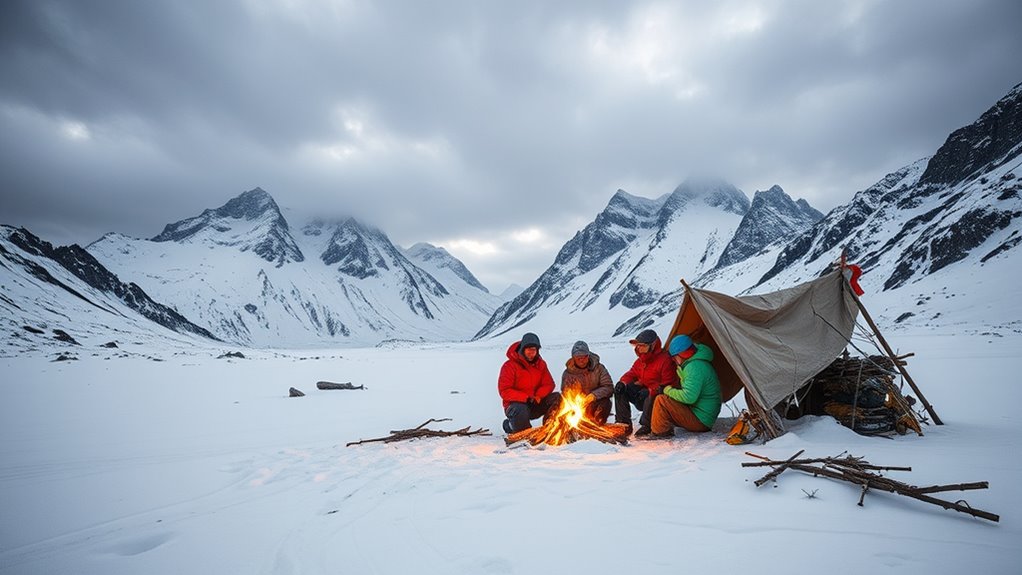

This spring, you can immerse yourself in extreme cold survival training in Alaska, where you’ll learn essential skills to navigate harsh wilderness. You’ll gain hands-on experience in building shelters, starting fires, and procuring food, all while developing mental resilience and teamwork. Under the guidance of experienced instructors, you’ll face real-world scenarios in Alaska’s stunning landscapes. This unforgettable training prepares you to confidently tackle unforgiving environments. Discover more about the life-changing adventure that awaits you!

Get emergency and outdoor gear delivered free with Prime
- Fast, free delivery on millions of items
- Prime Video, Amazon Music and more included
- Member-only deals all year
Key Takeaways
- Learn essential survival skills for extreme cold conditions with Learn to Return Training Systems, established in 1986.
- Training includes building shelters, starting fires, signaling for help, and procuring food in harsh environments.
- Experience physically demanding activities that enhance endurance, mental resilience, and adaptability to changing weather.
- Connect with experienced instructors and fellow participants in the unique Alaskan wilderness this spring.
- Empower yourself with practical skills to increase preparedness for real-life survival situations in unforgiving terrains.
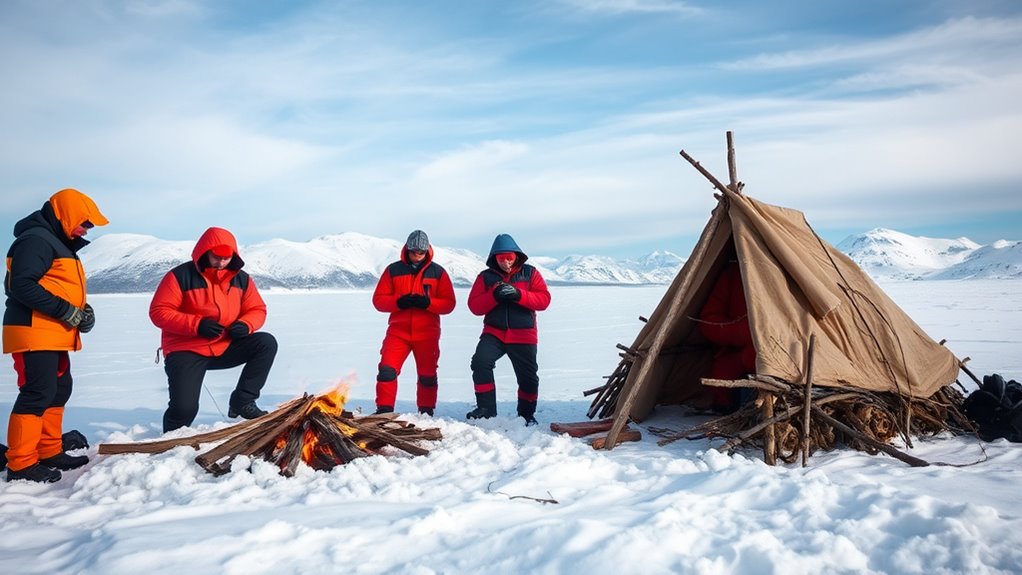
In Alaska, where temperatures plunge and harsh conditions reign, extreme cold survival training can make the difference between life and death. If you’re considering this training, you’ll find that the unique environment of Alaska offers diverse and challenging terrain, making it an ideal place to learn essential survival skills. One of the premier providers of this training is Learn to Return Training Systems, a school with a rich history since 1986, equipping participants with invaluable techniques to navigate the harsh realities of extreme cold.
During your training, you’ll face a variety of real-world scenarios in vast wilderness areas, from dense forests to expansive snow-covered landscapes. The weather can drop below freezing, exposing you to the elements while pushing your physical and mental limits. You’ll often find yourself in isolated areas, simulating situations where survival skills are essential.
Adaptability becomes your best friend, as the weather conditions can change rapidly, and you’ll need to adjust your strategies on the fly.
Throughout the courses, you’ll acquire essential skills like building shelters using available materials, such as snow and branches. You’ll learn techniques for starting fires even in the coldest, dampest conditions, ensuring you stay warm and can cook food. Signaling for help is another important area of focus; you’ll discover effective methods to attract rescue teams in challenging environments.
Additionally, you’ll learn how to procure food from the wilderness, enhancing your self-sufficiency.
The physical demands of the training can be intense, requiring you to engage in strenuous activities while building endurance. However, the mental resilience you develop is just as critical. You’ll face stress and pressure, and the training will help you cultivate coping mechanisms to handle extreme situations.
Teamwork is also emphasized, as working closely with others can greatly improve your chances of survival.
As you consider participating in this training, remember that the skills you learn will have real-world applications. Whether you’re an outdoor enthusiast, a professional adventurer, or just someone looking to enhance your knowledge, this training is designed to empower you.
With experienced instructors guiding you through every challenge, you’ll leave with newfound confidence and capabilities to survive in the unforgiving Alaskan wilderness. So, gear up and prepare for an unforgettable experience this spring!
extreme cold weather survival kit
As an affiliate, we earn on qualifying purchases.
As an affiliate, we earn on qualifying purchases.
Frequently Asked Questions
What Is the Minimum Age Requirement for Participants?
The minimum age requirement for participants is typically 18 years old.
This age limit guarantees that you’re legally accountable and can handle the responsibilities involved in such intensive training.
If you’re younger, you might need parental consent or to look for alternative programs designed for your age group.
Always check specific course details to confirm age requirements, as they can vary based on the training provider and the nature of the activities involved.
Is Prior Survival Training Necessary to Enroll?
No, prior survival training isn’t necessary to enroll in the program.
While some experience can be beneficial, the course is designed to accommodate participants of all skill levels.
You’ll learn essential skills like navigation, shelter building, and cold injury prevention, ensuring you’re well-prepared for extreme cold conditions.
The hands-on approach and experienced instructors will help you build confidence and knowledge, making it accessible for everyone, regardless of their background.
Will Food and Lodging Be Provided During Training?
Imagine facing the biting cold with nothing but your wits and training.
When you enroll in an extreme cold survival course, food and lodging details typically depend on the program. Some offer accommodations and meals, while others may require you to arrange your own.
Be sure to check with organizers for specifics, so you can focus on mastering the skills you need to survive in harsh environments without worrying about logistics.
What Is the Cancellation Policy for the Training Program?
You’ll want to check the specific cancellation policy for the training program, as details can vary.
Generally, you may need to provide notice to receive a refund, and late cancellations might result in reduced or no refunds.
If the provider cancels or reschedules, they typically offer refunds or alternatives.
Don’t forget to review any waivers or liability agreements you might need to sign, as these could influence cancellation terms.
Are Pets Allowed to Accompany Participants During the Training?
Pets usually aren’t allowed to accompany you during survival training courses.
The focus is on minimizing personal gear and ensuring safety in challenging wilderness environments. Having a pet could distract you or attract wildlife, which can pose risks.
It’s crucial to concentrate on the survival techniques being taught, such as hypothermia prevention and wildlife awareness.
Always check with the course provider for specific rules regarding pets in their training programs.
Conclusion
If you’re ready to face the challenge of extreme cold survival training in Alaska, don’t hesitate to sign up. Imagine yourself mastering survival skills alongside seasoned instructors, just like a recent participant who successfully navigated a blizzard scenario and emerged with newfound confidence. This training isn’t just a course; it’s an adventure that prepares you for the unexpected, ensuring you can thrive in the harshest conditions. So gear up, embrace the cold, and get ready to learn!
Halloween Picks
halloween
As an affiliate, we earn on qualifying purchases.