To survive crushes and chaos, stay calm and avoid pushing against others. Move slowly toward designated exits and follow crowd flow carefully. Watch for signs of congestion or distress, and don’t stand behind someone overwhelmed. Support others if possible, and alert security if you see danger. Remember, your calm reactions help prevent panic from spreading. Learning how to recognize risks and act smartly can keep you safe – discover more steps to stay protected.
Key Takeaways
- Recognize early signs of crowd congestion and distress to prevent escalation.
- Stay calm, avoid pushing, and move toward designated emergency exits safely.
- Follow clear signage and listen to official announcements during emergencies.
- Avoid standing behind overwhelmed individuals and support others to reduce pressure points.
- Remember safety is a shared responsibility; cooperate with staff and remain aware of your surroundings.

Have you ever wondered what it takes to keep large crowds safe during events? Ensuring safety in massive gatherings isn’t just about having enough security or barriers; it’s about understanding how crowds behave and anticipating potential risks. When thousands of people come together, emotions run high, and movement becomes unpredictable. Your goal is to prevent chaos from escalating into dangerous crushes or stampedes. To do that, you need to think proactively, planning every detail from entry points to emergency exits. Clear signage, well-trained staff, and effective communication are essential. If people can find their way easily and understand where they should go, panic diminishes.
Effective crowd safety relies on understanding behavior, clear planning, signage, and calm, proactive responses.
As a participant, your role isn’t passive—you’re part of the crowd, and your actions can influence the overall safety. Pay attention to how the crowd moves and reacts. If you notice congestion forming or people starting to push, avoid contributing to the pressure by staying calm and moving away if possible. Remember, in dense crowds, even a small imbalance of pressure can cause a sudden crush. It’s important to avoid standing directly behind someone who’s falling or becoming overwhelmed. Instead, try to create space around you and support others if you can. If you see someone in distress, alert security or staff immediately rather than trying to move them yourself, which could cause further chaos.
Understanding the importance of pacing is also key. Large events often have designated areas for entry and exit, which are usually designed to handle specific flow rates. If you rush or bunch up, you increase the risk of accidents. Respect the crowd’s rhythm and follow instructions from event organizers. When an emergency occurs, remaining calm and listening carefully to official guidance can make a significant difference. Don’t ignore alarms or announcements; they’re intended to keep everyone safe. If things start to go wrong, try to stay together with friends or family and move toward the nearest emergency exit. It’s better to leave the area calmly than to panic and cause a stampede. Additionally, understanding crowd behavior and how to adapt your actions accordingly can greatly improve overall safety.
In essence, keeping large crowds safe is a shared responsibility. Your awareness, cooperation, and calmness are just as important as the safety measures put in place by organizers. By understanding crowd dynamics and reacting thoughtfully, you can help prevent tragedies and ensure everyone enjoys the event safely. Remember, safety isn’t just about avoiding danger—it’s about actively contributing to a secure environment for all.
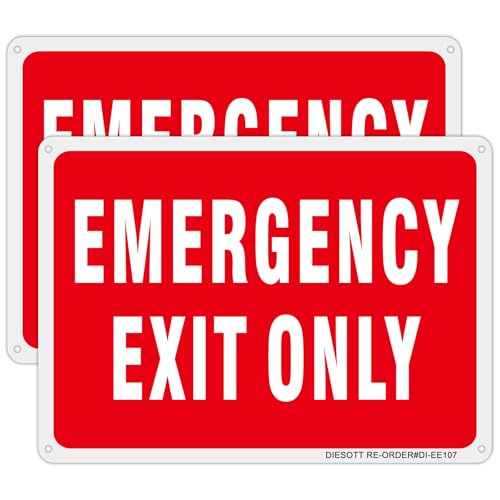
2 Pack Emergency Exit Only Signs, 10×7 Inches Aluminum Emergency Exit Sign, UV Protected, Durable, Weatherproof, Easy to Install, Indoor/Outdoor Use
2 PACK EMERGENCY EXIT ONLY SIGNS: This aluminum signs measure 10 X 7inches, 1mm thick, the highly visible…
As an affiliate, we earn on qualifying purchases.
As an affiliate, we earn on qualifying purchases.
Frequently Asked Questions
How Can I Identify Early Signs of Crowd Crush Danger?
You can spot early signs of crowd crush danger by paying attention to increasing pressure and tightness around you, feeling unable to move freely, and noticing people ahead becoming unresponsive or distressed. If the crowd suddenly slows or stops moving, or if there’s a loud, persistent noise, it’s time to stay calm and find a way to safer ground. Trust your instincts—early action can prevent dangerous situations from escalating.
What Legal Rights Do Victims Have After a Crowd Disaster?
After a crowd disaster, you have the right to seek legal action if negligence or safety violations caused the incident. You can file a claim for damages, report violations to authorities, and pursue compensation for injuries, emotional trauma, or property loss. It’s important to consult with a lawyer who specializes in personal injury or negligence cases to guarantee your rights are protected and you receive fair compensation.
How Do Organizers Plan for Emergencies in Large Crowds?
Imagine you’re steering a ship through stormy seas. As an organizer, you chart a course by planning for emergencies with clear evacuation routes, trained staff, and communication systems. You conduct drills, assess risks, and coordinate with emergency services to guarantee safety. Like a captain, you stay vigilant, ready to adapt quickly, minimizing chaos and guiding everyone safely to calm waters, no matter how fierce the storm.
Are There Specific Safety Devices to Prevent Crushes?
Yes, there are specific safety devices designed to prevent crushes. You might see barriers, crowd control barriers, and retractable fences that help guide movement and limit density. Additionally, portable crowd control stanchions with ropes create designated pathways, reducing bottlenecks. In some cases, sensors and real-time monitoring systems alert staff when areas become too crowded, allowing quick intervention to prevent dangerous crushes and guarantee safety for everyone.
How Do Cultural Differences Affect Crowd Safety Measures?
Like Shakespeare’s “Much Ado About Nothing,” cultural differences shape how you approach crowd safety. You might find that some societies prioritize collective harmony, leading to subtle, indirect safety measures, while others emphasize individual responsibility, encouraging proactive behaviors. Understanding these nuances helps you tailor safety protocols, ensuring everyone feels respected and protected. Recognizing cultural attitudes allows you to implement measures that resonate locally, making crowd management more effective and inclusive.
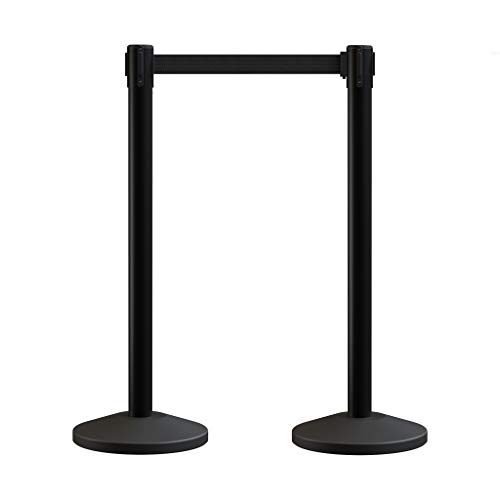
Crowd Control Warehouse Set of 2 Stanchion Retractable Belt Barriers, 11 Foot Black Belt Barrier with 40” Black Posts, Premium Crowd Control Barriers with Heavy Duty Concrete Base, CCW Series RBB-100
HEAVY-DUTY STANCHION POSTS: Each stanchion weighs 20 lbs and features a powder-coated steel post with a concrete-filled galvanized…
As an affiliate, we earn on qualifying purchases.
As an affiliate, we earn on qualifying purchases.
Conclusion
Remember, staying calm and aware is your strongest shield in a crowd. Think of yourself as a sturdy tree, rooted and steady, even as the storm swirls around you. By paying attention and following safety tips, you can navigate chaos like a skilled sailor steering through rough seas. Your vigilance keeps you safe and helps everyone around you stay secure. Stay alert, stay calm, and keep your footing firm—your safety depends on it.

She’s Birdie 3.0 New Version – The Original Personal Safety Alarm for Women by Women–Loud Siren, Flash Light and Rechargeable Battery in a Variety of Colors (Lemon Yellow)
NEW AND IMPROVED – When faced with danger, activate Birdie’s piercing 130dB siren and high-intensity flashing strobe light…
As an affiliate, we earn on qualifying purchases.
As an affiliate, we earn on qualifying purchases.

6 Packs Gold Stanchion Posts with 4 x Red VelvetRopes, 37.5" Stainless Steel Retractable Barrier Set, Crowd Control Barriers for Events, Parties, Museums, VIP Events, Queue Management
【Premium Gold Stainless Steel Stanchions with Plush Ropes】 Crafted from high-quality stainless steel with a lustrous polished gold…
As an affiliate, we earn on qualifying purchases.
As an affiliate, we earn on qualifying purchases.