TL;DR

Get emergency and outdoor gear delivered free with Prime
- Fast, free delivery on millions of items
- Prime Video, Amazon Music and more included
- Member-only deals all year
Montana Fish, Wildlife & Parks is asking the public to report a missing hybrid bighorn ewe last reported escaped from a private livestock facility near Vaughn in early September. The facility is owned by Jack Schubarth, convicted in a federal case involving illegally imported Marco Polo sheep genetic material. Officials say contact with wild sheep could pose disease risks, but the ewe’s location and whether it is still at large are unknown.
Montana Fish, Wildlife & Parks is seeking reports of a missing hybrid bighorn ewe that was reported to have escaped from a private alternative-livestock facility near Vaughn in early September. The facility is owned by Jack Schubarth, who was convicted in 2024 in a federal case involving illegally imported Marco Polo sheep genetic material; wildlife officials are concerned the ewe could encounter wild bighorns and expose them to disease.
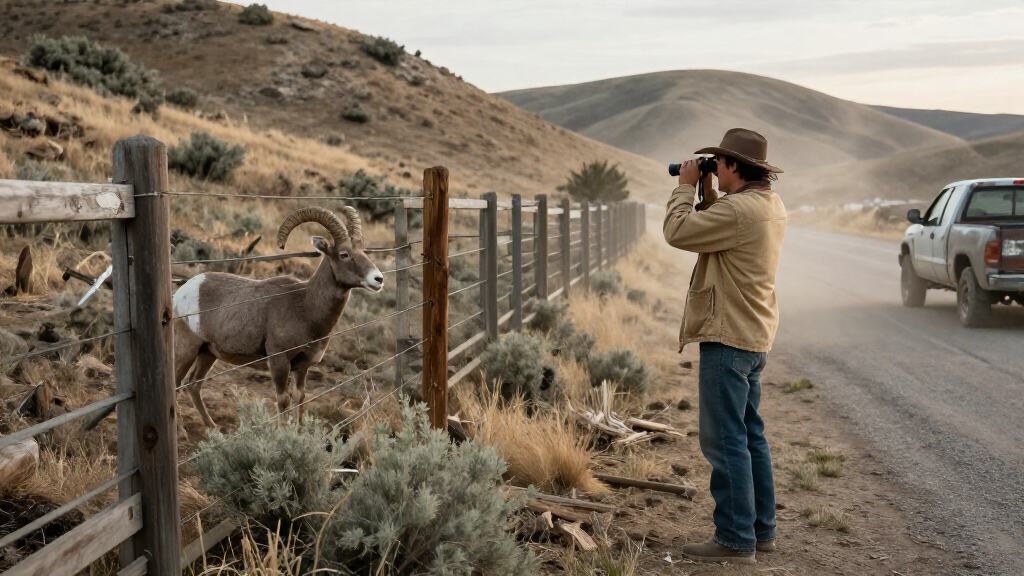
In a September 18 public notice, the department described the ewe as weighing about 120 pounds, mostly white, and wearing a red ear tag. FWP asked the public to report sightings. It has not announced that the animal has been found.
According to charging documents cited by Outdoor Life, Schubarth faces a state charge alleging he failed to report the animal’s escape as required under his game-farm permit. The permit requires owners to notify both FWP and the Montana Department of Livestock within 48 hours of an escape. FWP regional public information officer Dave Hagengruber told Outdoor Life that wardens learned of the reported escape the following week and spoke with Schubarth in mid-September.
Hagengruber said Schubarth told wardens the ewe may have gone through a fence damaged in a windstorm or a gate left open. Those explanations are attributed to Schubarth and have not been independently established. Outdoor Life reported that the ewe was bred at the same facility connected to Schubarth’s earlier hybrid sheep operation.
A Disease Risk to Wild Bighorns
The search is significant because domestic sheep can carry pathogens that are dangerous to wild bighorns. FWP’s public alert stressed concern that the missing ewe could come into contact with wild sheep in the area. A roaming animal’s location matters: officials identified bighorn populations in the broader region, including near Cascade and in the Birdtail Hills, while the Rocky Mountain Front is home to another major Montana herd.
The department has not said that the ewe is infected or that any wild sheep have been exposed. The concern is a potential risk, not a confirmed disease event. Locating the animal would help officials determine whether it remains near the farm and what response, if any, is needed to protect nearby wildlife.
Popular right now

De'Longhi Rivelia Automatic Espresso Machine with Milk Frother

Apple AirPods Pro 3 Wireless Earbuds with Active Noise Cancellation

KitchenAid Artisan 5-Quart Tilt-Head Stand Mixer, Almond Cream
As an affiliate, we earn on qualifying purchases.
The Farm’s Earlier Sheep Case
Schubarth pleaded guilty in 2024 to violating the federal Lacey Act in a scheme involving genetic material from Marco Polo argali sheep, a wild sheep native to Central Asia. The federal case concerned efforts to clone the animal and breed offspring with captive bighorns. Outdoor Life reported that Schubarth produced a cloned Marco Polo ram in 2017, called the Montana Mountain King, and later bred its offspring with captive bighorn ewes.
The missing ewe is described by FWP as a hybridized female, but the public alert did not provide details about her parentage. The earlier federal case drew attention to the facility’s unusual breeding work; the current development is a separate missing-animal and state reporting matter. Outdoor Life also reported that hunting outfitter John Lewton was sentenced in federal court the week before its report for his role in the genetic-material scheme.
“According to our records, the ewe in question reportedly escaped on Sept. 2, and our game wardens heard about it the next week.”
— Dave Hagengruber, FWP public information officer in Great Falls, as quoted by Outdoor Life
Where the Ewe May Be
The ewe’s current location is unknown. FWP’s notice says she went missing, but Outdoor Life reported that unnamed sources speculated she may have been sold to an out-of-state game farm rather than remaining loose. The report presented that possibility as a hunch, not verified information, and there is no confirmation in the supplied material that the ewe was sold.
It is also not clear whether the animal actually cleared the facility’s boundary, whether she has had contact with wild sheep, or whether officials have received sightings since the alert. No infection or exposure has been reported. Schubarth’s possible escape explanations and the state allegation that he failed to report the escape remain distinct from a confirmed account of exactly how the ewe went missing.
Public Reports and State Proceedings
FWP is asking people who see a mostly white ewe with a red ear tag to report the sighting to wildlife officials rather than approach or attempt to handle the animal. A confirmed location could help wardens establish whether she is still at large and assess possible proximity to wild herds.
The state charge over the alleged late report is a separate matter from the search. The supplied reporting does not give a hearing date, case outcome, or further agency timetable. Until officials provide an update, the ewe’s whereabouts and any possible contact with wild bighorns remain unresolved.
Key Questions
What animal are Montana officials trying to locate?
FWP is seeking a hybridized female Rocky Mountain bighorn sheep, described in its notice as about 120 pounds, mostly white, and wearing a red ear tag.
Where was the ewe last reported missing?
The ewe was reported missing from a private alternative-livestock facility near Vaughn, Montana. FWP said she reportedly escaped in early September, with September 2 cited in records described to Outdoor Life by a department spokesperson.
Why are officials concerned about the ewe reaching wild sheep?
FWP warned that domestic sheep can carry pathogens that may fatally infect wild bighorns. The department has reported a potential contact risk, not a confirmed infection or exposure.
Has the ewe been found or confirmed sold?
The supplied reporting does not say that she has been found. Outdoor Life cited unnamed sources speculating she might have been sold out of state, but that possibility has not been confirmed.
What is the state case about?
Charging documents cited by Outdoor Life say Schubarth was charged with failing to report the animal’s escape as required by his game-farm permit. The supplied material does not state the outcome of that charge.
Source: outdoorlife.com