TL;DR

Get emergency and outdoor gear delivered free with Prime
- Fast, free delivery on millions of items
- Prime Video, Amazon Music and more included
- Member-only deals all year
Outdoor Life reported an anecdotal, two-day Minnesota field test comparing a 20-gauge and a 12-gauge on early-season ducks, followed by range patterning. The test highlights the 20-gauge’s lower weight and recoil against the 12-gauge’s ability to carry more pellets; it does not establish a general lethality result.
Outdoor Life reported a two-day field test comparing a 20-gauge and a 12-gauge while hunting early-season ducks in Minnesota, followed by range patterning intended to compare their performance. The report describes the test as unscientific and anecdotal, so its observations do not establish that one gauge is generally more lethal than the other.
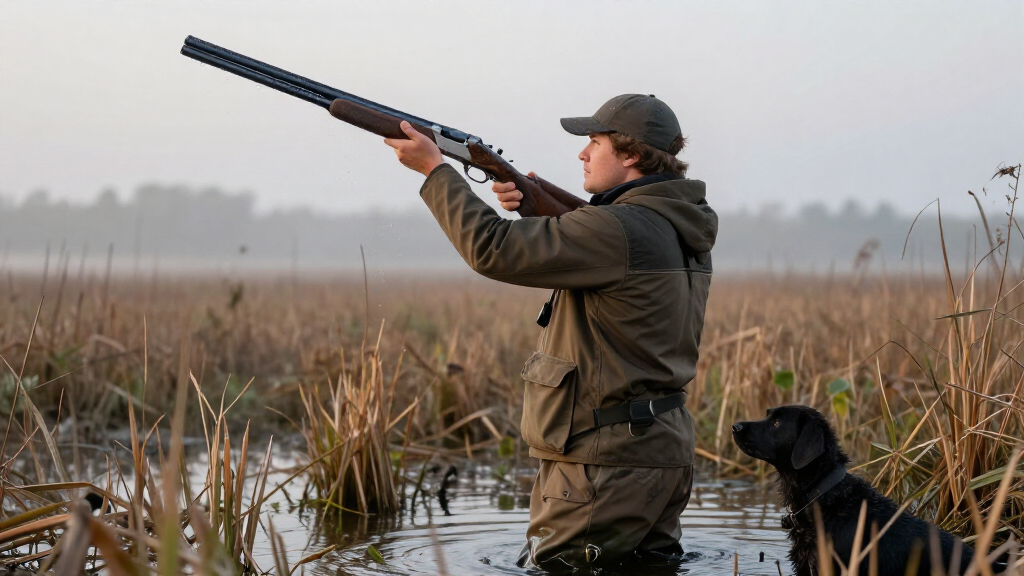
The hunters used two Browning A5 shotguns, each with a 28-inch barrel and modified choke. They hunted teal, wood ducks and mallards at reported distances of about 15 to 45 yards. The 20-gauge was used on the season’s opening day and the 12-gauge on the second day; the participants traded filming and shooting and took notes.
The ammunition was not an identical-load comparison. The 12-gauge used Remington Nitro-Steel No. 4 shells with a 1⅜-ounce payload. The 20-gauge used an Apex steel-and-TSS stacked load containing No. 7.5 tungsten super shot and No. 4 steel, with a 1⅛-ounce payload. The report says the hunters chose what they considered effective loads for each gun and situation.
The author described the test 20-gauge as weighing under six pounds, and said it was easier to keep ready while standing in a marsh. The report also records a downside: a light shotgun can be harder to swing smoothly and may feel “whippy,” particularly on crossing shots. The author recommended a 28-inch barrel for a 20-gauge duck gun, based on his experience rather than a controlled finding.
Weight and Pellet Capacity Trade-Off
The comparison matters to hunters choosing a gun for particular conditions, but its findings are best read as practical observations, not a universal verdict. A lighter firearm can be less tiring to hold ready in a marsh, while lower felt recoil may make follow-up shots and transitions feel more manageable, according to the report’s author. Those handling benefits may be relevant to hunters who shoot from a boat or stand in soft footing.
The trade-off is ammunition capacity. The report says 12-gauge shells typically carry more shot than 20-gauge shells. At the same time, it argues that gauge alone does not make an individual pellet more lethal when pellet size, material and velocity are the same. What matters for a fair comparison includes the load’s pellet type and count, the pattern at the target distance, and the shooter’s ability to place the shot. Because the field loads differed, the test cannot isolate gauge as the cause of any observed difference.
As an affiliate, we earn on qualifying purchases.
How the Test Was Set Up
The report describes growing interest in sub-gauge shotguns and says manufacturers have expanded 20-gauge options. It also notes that denser-than-steel ammunition, including bismuth and tungsten-based loads, has become scarcer and more expensive, prompting the author to reconsider the practical case for a 20-gauge. These are the article’s stated reasons for revisiting the choice, not findings from the field test itself.
For the hunt, the team selected loads they thought suited each shotgun rather than matching shot material, size and payload. The 20-gauge combination used both TSS and steel, while the 12-gauge load was steel. That choice may reflect real-world load selection, but it limits what the comparison can say about gauge alone. The report says the hunters also went to a range to pattern the guns and see whether a different 20-gauge load could offer performance similar to a 12-gauge; the available source text does not provide those pattern results.
““very unscientific field test””
— Outdoor Life report
What the Field Test Cannot Prove
The report does not provide a controlled sample, matched ammunition or enough detail in the supplied material to quantify outcomes such as hit rates, wounded birds or recovered birds. The hunts also took place on different days, so conditions and opportunities may not have been equivalent. The author explicitly frames the comparison as anecdotal.
The source text does not include the results of the promised range patterning, so it is unclear whether a particular 20-gauge load produced patterns comparable to the 12-gauge at specific distances. It also does not establish how either setup would perform with other chokes, guns, shot materials or loads. The report’s statements about recoil, handling and lethality should not be treated as controlled measurements.
Pattern Results and Load Choices
The next useful detail from the report would be the range-pattern results, including the loads tested, distances, pattern counts and how each setup performed. Those findings could help readers judge whether a 20-gauge load can meet their needs at the ranges they expect to hunt, but they would still apply to the specific guns and ammunition tested.
For now, the article offers a decision framework rather than a definitive recommendation: weigh the 20-gauge’s lighter carry and reduced recoil against the 12-gauge’s larger typical payload, and account for the ammunition actually available. The field test alone does not show that every hunter should switch gauges or that one gauge guarantees better results.
Key Questions
Did the field test prove that a 20-gauge is as lethal as a 12-gauge?
No. The report calls the field test unscientific and anecdotal, and the guns were used on different days with different ammunition. It does not establish a general lethality result.
What shotguns and loads were used?
Both guns were Browning A5s with 28-inch barrels and modified chokes. The 12-gauge used 1⅜ ounces of Remington Nitro-Steel No. 4 shot; the 20-gauge used a 1⅛-ounce Apex load combining No. 7.5 TSS and No. 4 steel.
What advantages did the report identify for the 20-gauge?
The author cited the tested gun’s lower weight and reduced felt recoil, which he said could make it easier to keep at the ready and to take follow-up shots. These are reported observations, not controlled measurements.
Why might a hunter still choose a 12-gauge?
The report says 12-gauge shells typically hold more shot than 20-gauge shells. The best choice depends on the gun, ammunition, expected range and a hunter’s ability to handle and shoot the setup.
Were the range-patterning results published in the supplied report material?
The source says the team went to the range to pattern the guns, but the supplied text does not include the results. Those findings remain unavailable here, so no specific pattern comparison can be reported.
Source: rss
Fall Picks
fall essentials
As an affiliate, we earn on qualifying purchases.