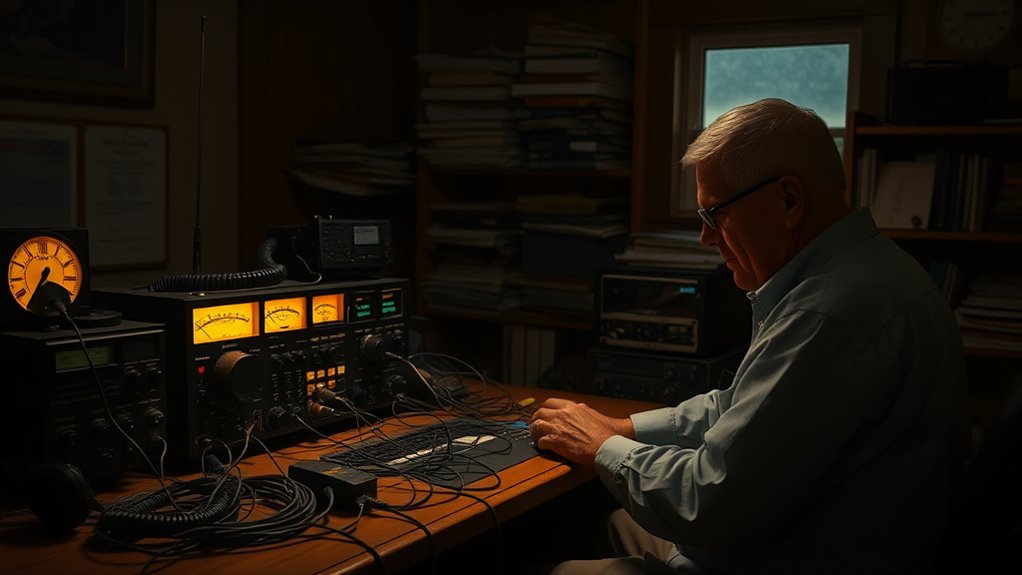

Ham radio is your backup communication when networks go dark, operating independently of internet and cell signals. By tuning into specific radio frequencies with a transceiver, you can connect locally or worldwide using modes like voice, Morse code, or digital signals. Following proper procedures and respecting regulations, you’ll join a community that offers reliable communication during emergencies. Stay tuned to learn how to get started and become a skilled operator in challenging times.

Get emergency and outdoor gear delivered free with Prime
- Fast, free delivery on millions of items
- Prime Video, Amazon Music and more included
- Member-only deals all year
Key Takeaways
- Ham radio operates independently of internet and cellular networks, making it reliable during emergencies when other communication methods fail.
- It uses various frequency bands and modes like voice, Morse code, and digital data to enable flexible, long-distance communication.
- Proper operating procedures, etiquette, and adherence to regulations ensure effective and legal emergency communication.
- Connecting with local ham radio clubs or online forums provides training, support, and practical experience.
- Ham radio enhances emergency preparedness by offering a resilient, community-driven communication network when networks go dark.
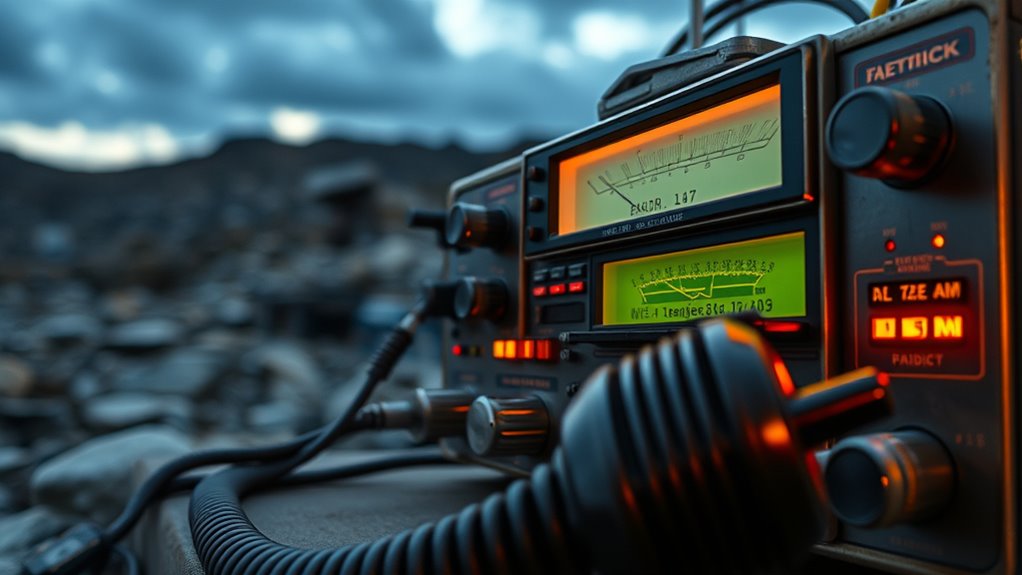
Have you ever wondered how amateur radio operators communicate across long distances without relying on the internet or cell phones? When modern networks fail or are overwhelmed, ham radio becomes a reliable lifeline. Unlike traditional communication methods that depend on infrastructure, ham radio operates through radio waves transmitted via antennas, making it resilient during emergencies. This means you can stay connected when all else seems to fall apart, ensuring you’re never truly cut off.
Ham radio keeps you connected when modern networks fail, using radio waves for resilient, long-distance communication during emergencies.
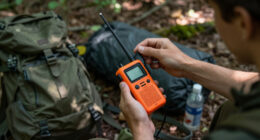
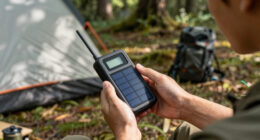
To get started, you’ll need a basic understanding of radio frequencies and how to operate a transceiver, the device that transmits and receives signals. Ham radio operators utilize various frequency bands allocated by government agencies like the FCC or other international bodies. These bands are divided into segments for different types of communication, such as voice, Morse code, or digital data. Once you’re familiar with these, you can tune your radio to the appropriate frequencies and begin communicating with others nearby or across continents.
One of the key aspects of ham radio is its ability to operate independently of the internet or cellular networks. During a disaster, when infrastructure is damaged or overloaded, ham operators can establish communication links to coordinate rescue efforts, relay essential information, or simply stay in touch with loved ones. Because radio signals can bounce off the ionosphere, you can reach distant locations—even across oceans—by using specific modes like shortwave or high-frequency (HF) bands. This ability to “hop” signals over vast distances makes ham radio a indispensable tool in emergencies.
You’ll also learn about different modes of transmission, such as voice communication, Morse code (CW), or digital modes like PSK31 and FT8. Each mode has its advantages; for example, Morse code requires less bandwidth and weaker signals, making it useful during poor conditions. Digital modes can transmit data efficiently, enabling messages, images, or even emergency protocols to be shared quickly and accurately. As you gain experience, you’ll discover how to optimize your setup for different situations, whether you’re operating from a city apartment or a remote rural area.
Practicing good operating procedures and understanding radio etiquette is essential. Respect for other operators, clear communication, and adherence to regulations help maintain an effective and harmonious radio community. You’ll also want to connect with local clubs or online forums, which can offer guidance, technical support, and opportunities to practice. Additionally, understanding regulations and licensing requirements is crucial for legal and safe operation. Ultimately, ham radio isn’t just a hobby; it’s a lifeline that empowers you to communicate when networks go dark, making you part of a global community committed to reliable communication under any circumstances.
ham radio transceiver for beginners
As an affiliate, we earn on qualifying purchases.
As an affiliate, we earn on qualifying purchases.
Frequently Asked Questions
What Licensing Is Required to Operate a Ham Radio?
You need a valid amateur radio license to operate a ham radio. In the United States, this means passing an exam administered by the FCC, covering basic radio theory and regulations. There are three license classes—Technician, General, and Extra—each granting different operating privileges. You must be at least 18 years old or have parental permission if younger. Once licensed, you can operate legally on designated frequencies and modes.
How Do I Choose the Right Ham Radio for Beginners?
You should look for a beginner-friendly ham radio that’s easy to operate, portable, and versatile. Consider a VHF/UHF FM transceiver, like the iconic Baofeng UV-5R or a Yaesu FT-60. These models are affordable, simple to learn, and support local communication. Make sure it covers your local bands, and check if it’s compatible with your license level. Starting with a basic, user-friendly radio helps you learn quickly and enjoy your new hobby.
Can Ham Radio Be Used for Emergency Communication Worldwide?
Yes, you can use ham radio for emergency communication worldwide. It allows you to connect with other operators locally and across borders, especially during disasters when regular networks fail. By selecting the right equipment, antennas, and learning proper operating procedures, you guarantee effective communication. You’ll need an amateur radio license and knowledge of various communication modes. With preparation, your ham radio becomes a reliable tool for global emergency connectivity.
What Are the Costs Involved in Setting up a Ham Radio Station?
You can set up a ham radio station for around $200 to $500, depending on your equipment choices. Basic starter kits with a transceiver, antenna, and accessories are affordable and perfect for beginners. If you want more advanced features, expect to spend more. Remember, you’ll also need to obtain a license, which involves a small exam fee. Overall, ham radio setup costs are manageable, making it accessible for most enthusiasts.
How Do I Find Local Ham Radio Clubs and Events?
You can find local ham radio clubs and events by checking the American Radio Relay League (ARRL) website, which has a club locator tool. Attend hamfests, which are great for meeting enthusiasts and discovering upcoming gatherings. Social media groups, local community centers, and hobby shops often post about events. Don’t hesitate to ask current members for recommendations—they usually know about local activities and how to get involved.
Conclusion
So, next time networks go dark, remember that your ham radio can be your lifeline. It’s funny how, just when you need it most, your radio’s the unexpected hero, bridging gaps and keeping you connected. You never know when a simple signal might make all the difference. Stay prepared, stay connected—because sometimes, the most reliable communication comes from a little-known device, ready to surprise you when you least expect it.
Columbus Day / Indigenous Peoples' Day Picks
long weekend sales
As an affiliate, we earn on qualifying purchases.