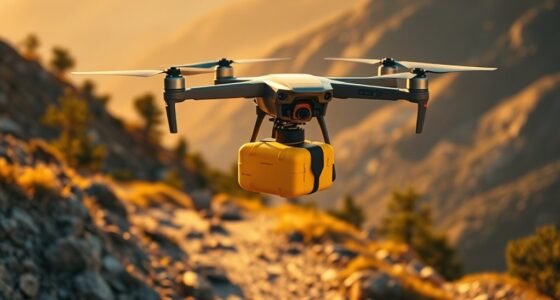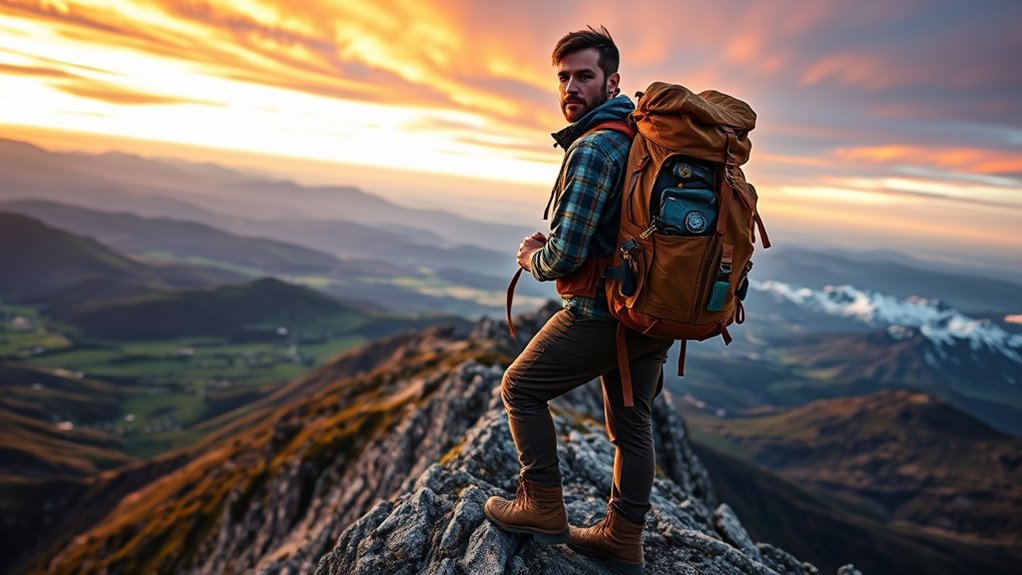

Preparedness tourism combines travel with essential survival skills, empowering you to handle emergencies while exploring new destinations. You’ll learn how to use emergency gear like multi-tools, first aid kits, and water purification systems. Hands-on activities such as building shelters, starting fires, and orienting yourself with natural cues boost your confidence and resilience. By embracing this approach, you’ll travel smarter and safer. Keep exploring to discover how you can turn your journeys into empowering adventures of preparedness and self-reliance.
Key Takeaways
- Preparedness tourism combines travel with hands-on emergency skills and gear education for safer, more empowering adventures.
- Participants learn essential survival techniques like shelter building, fire starting, and navigation in real or simulated scenarios.
- The experience emphasizes practical application, decision-making under pressure, and developing confidence to handle emergencies.
- It fosters a community of resilient travelers, promoting teamwork, self-reliance, and safety awareness during adventures.
- Engaging with emergency gear workshops enhances preparedness, ensuring travelers are equipped for diverse situations in wilderness or urban settings.
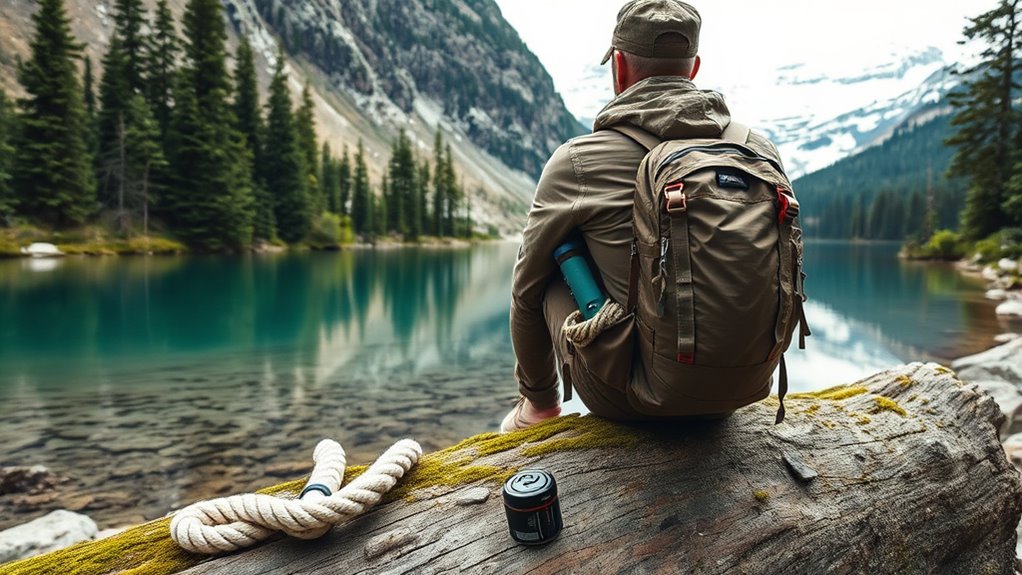
Have you ever considered visiting destinations that emphasize preparedness and resilience? If you’re someone who values being ready for anything, preparedness tourism offers a unique way to combine travel with crucial skills and gear. These destinations focus on teaching you how to handle emergencies and survive in challenging situations, making your trips more meaningful and empowering. Instead of just sightseeing, you’ll learn about emergency gear and survival skills that could one day save your life. Whether you’re venturing into wilderness areas or exploring urban resilience centers, this form of travel pushes you to develop practical knowledge while discovering new places.
Explore destinations that build resilience through survival skills and emergency preparedness for empowering travel experiences.
When you travel with preparedness in mind, you’ll find that the right emergency gear is essential. Think lightweight, versatile tools such as multi-tools, first aid kits, water purification systems, and emergency blankets. Many destinations offer workshops and demonstrations on how to select, pack, and use this gear effectively. It’s not enough to carry the right equipment—you need to know how to deploy it efficiently in real situations. These trips often include hands-on training, where experienced instructors show you how to set up emergency shelters, start fire without matches, or navigate with a compass. The goal is to make you comfortable and confident in your ability to respond to unforeseen circumstances, whether it’s a natural disaster or an outdoor emergency.
Your survival skills will take center stage during these trips. You’ll learn techniques like building makeshift shelters, sourcing edible plants, and reading weather patterns. These skills aren’t just theoretical; they’re practical lessons you can apply in real life. Many destinations feature guided scenarios that simulate emergencies, giving you a safe environment to practice decision-making under pressure. You might participate in mock rescue operations or learn how to signal for help using limited resources. This immersive approach ensures you’re not just passive observer but an active participant in your own learning process. Over time, these skills become second nature, transforming your perspective on travel and preparedness.
Traveling with a focus on resilience also fosters a mindset of self-reliance. You gain confidence in your ability to handle adversity, making your adventures more secure and enjoyable. Plus, it’s a way to connect with like-minded travelers who share your passion for preparedness. These experiences often include community-building activities, further reinforcing the importance of teamwork and resourcefulness. Whether you’re exploring remote wilderness or urban resilience centers, this kind of tourism helps you develop the skills and confidence needed to face emergencies head-on. It’s about transforming travel into a journey of empowerment, where every trip becomes an opportunity to grow more resilient and better prepared for whatever challenges life may throw your way. Additionally, understanding regulatory compliance and best practices ensures your safety and legality during such activities.
Frequently Asked Questions
What Are the Essential Items for a Preparedness Travel Kit?
You should pack essential items like emergency gear such as a first aid kit, flashlight, and multi-tool. Include enough water, non-perishable food, and a portable power bank for power. Don’t forget travel planning essentials like maps, a backup phone charger, and copies of important documents. These items guarantee you’re prepared for unexpected situations, helping you stay safe and resourceful during your travels with survival in mind.
How Do I Choose Safe Destinations for Preparedness Tourism?
You should start by conducting a thorough risk assessment of potential destinations, considering natural disasters, political stability, and health risks. Next, prioritize locations where you can enhance your cultural awareness, respecting local customs and safety norms. Research current travel advisories, connect with local experts, and stay updated on safety alerts. Combining these steps helps you select safe, preparedness-friendly destinations where you can enjoy your trip responsibly.
Are There Legal Considerations for Carrying Survival Gear Internationally?
You need to take into account international customs and legal restrictions before carrying survival gear abroad. While your gear might be legal at home, other countries may see it differently, risking confiscation or legal trouble. Always research each destination’s regulations, declare your gear if required, and pack thoughtfully. Ignoring these rules can turn your preparedness trip into a legal nightmare, so stay informed and compliant to enjoy safe, worry-free adventures.
How Can I Learn Basic Survival Skills Before Traveling?
You can learn basic survival skills by attending survival skill workshops and outdoor training programs. These hands-on courses teach you essential techniques like building shelters, sourcing water, and first aid. Look for local or online workshops, and practice regularly to build confidence. Many programs cater to beginners, so start with foundational skills and gradually advance. This preparation guarantees you’re ready to handle unexpected situations during your travels.
What Insurance Options Cover Emergencies During Preparedness Trips?
You should look into travel insurance that offers emergency coverage for your preparedness trips. Many plans include medical emergencies, evacuation, and trip interruption protection, ensuring you’re financially protected if something goes wrong. Always read the policy details carefully to confirm it covers the specific risks of your adventure. By choosing the right travel insurance, you can travel confidently, knowing you’re covered for unexpected emergencies during your preparedness journey.
Conclusion
So, next time you pack your bags for a trip, remember that preparedness tourism isn’t just a trend — it’s your secret weapon against chaos. With a survival mindset, you turn ordinary journeys into extraordinary adventures, capable of weathering storms that could wipe out entire cities. Don’t leave your safety to chance; embrace the mindset that makes you unstoppable. After all, when you’re prepared, you’re not just traveling — you’re conquering the unpredictable world like a true explorer.