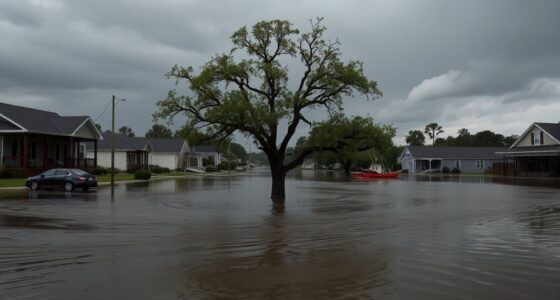
Landslide risk in the Andean region is increasing due to climate change, which brings heavy rains that destabilize slopes. Steep terrain and loose soils make certain areas more vulnerable, especially with urban expansion into these zones. Unplanned construction and poor planning worsen the problem. Implementing proper zoning, drainage, and vegetation can help reduce risks. To understand how communities are addressing these challenges, explore the factors behind landslides and mitigation strategies in this resilient region.
Key Takeaways
- Climate change increases rainfall and water infiltration, destabilizing slopes and raising landslide risk in the Andes.
- Steep terrain and loose sediments naturally predispose Andean slopes to landslides, especially during heavy storms.
- Rapid urbanization on unstable hillside areas without proper planning heightens vulnerability to landslides.
- Implementing geological assessments, drainage solutions, and vegetation cover can mitigate landslide susceptibility.
- Community awareness and proactive policies are essential for disaster preparedness and reducing landslide impacts.

Landslides pose a significant threat in the Andean region, where rugged terrain and heavy rainfall create ideal conditions for slope failures. You may not realize it, but climate change is intensifying these risks. As global temperatures rise, many parts of the Andes experience more intense and unpredictable rainfall patterns. This additional water infiltrates the soil, destabilizing slopes that are already vulnerable due to steep gradients and loose sediments. The increased frequency and severity of storms mean that landslides aren’t just occasional events anymore—they’re becoming more common and more destructive. If you live in or work near these mountains, understanding how climate change influences landslide risk is essential. It’s not just about weather; it’s about long-term environmental shifts that weaken natural stability.
Urban planning plays a pivotal role in either mitigating or exacerbating these dangers. Many communities in the Andes have expanded rapidly, often without adequate consideration of the terrain’s natural propensity for landslides. When cities grow haphazardly into hillside areas, they often ignore essential safety measures. You need to recognize that poorly planned infrastructure—such as unregulated construction on unstable slopes—can markedly increase the likelihood of disaster. Proper urban planning involves detailed geological assessments, careful zoning, and enforcing building codes suited for hillside environments. These strategies can help prevent homes and roads from being built in high-risk zones, reducing potential loss of life and property.
Moreover, urban planning isn’t just about avoiding risky areas; it’s about implementing sustainable solutions that respect the natural landscape. For example, retaining walls, proper drainage systems, and vegetation cover can markedly reduce landslide susceptibility. When planning new developments, you should advocate for policies that consider climate change projections, ensuring that infrastructure can withstand future rainfall intensities. This proactive approach helps communities adapt to changing conditions, rather than reacting after a disaster strikes. You also need to stay informed about local regulations and participate in community efforts to promote safer, more resilient urban environments.
In essence, addressing landslide risk in the Andes requires a combination of understanding climate change impacts and adopting smart urban planning practices. The two go hand in hand—climate change makes slopes more unstable, and poor urban planning often worsens the problem. If you’re involved in local development or community safety, your role is critical. By promoting responsible planning and advocating for climate-aware policies, you can help protect lives and preserve the natural beauty of this remarkable region. Staying informed and proactive is your best tool in facing the ever-evolving challenge of landslides in the Andes.
Additionally, increasing awareness about geological assessments can help communities identify high-risk zones before development occurs.
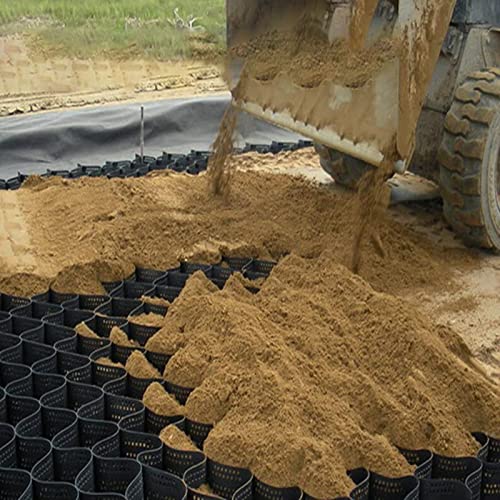
OHHRRIDGO Shed Base Plastic Grid,Foldable Honeycomb Gravel Grids for Garden & Driveway 2-Inch Retaining Wall System 6x10M (19.7×32.8FT) Ground Kit Prevent Landslides & Erosion(1x4M/3.3×13.1FT)
Reinforcement Patio Paver Base Foundation: Designed for Easy Installation and Customization. Simply lay it on the ground, expand,…
As an affiliate, we earn on qualifying purchases.
As an affiliate, we earn on qualifying purchases.
Frequently Asked Questions
What Are the Most Effective Early Warning Systems for Landslides?
You should implement early warning systems that combine sensor technology with community alerts. Sensors detect ground movement, rainfall, and slope instability, providing real-time data. When thresholds are surpassed, automated alerts notify communities quickly via sirens, text messages, or mobile apps. This proactive approach helps you respond faster, reducing risks and saving lives. Regular testing and community training guarantee the system remains effective and trusted when every second counts.
How Does Climate Change Influence Landslide Frequency in the Andes?
Climate change increases landslide frequency in the Andes by amplifying climate variability and accelerating glacier melt. As temperatures rise, you’ll notice more intense rainfall and unstable slopes, making landslides more likely. Glacier melt adds water to soil and rock, weakening their stability. These changes create a heightened risk, so staying alert to weather patterns and monitoring glacier conditions can help you better prepare for potential landslides in the region.
Which Communities Are Most Vulnerable to Landslides in the Region?
Ever wonder which communities face the greatest danger? Mountain communities and indigenous villages are most vulnerable to landslides, especially during heavy rains or seismic activity. You should pay close attention to these areas because their steep terrain, limited infrastructure, and traditional building methods increase their risk. If you’re involved in disaster preparedness, prioritize supporting these communities, as they often lack resources to mitigate or recover from landslides effectively.
What Are the Economic Impacts of Landslides on Local Agriculture?
Landslides cause significant economic impacts on your local agriculture by damaging crops and disrupting markets. When landslides destroy fields, you lose crucial food and income sources, which affects your livelihood. Market disruptions make it harder for you to sell produce, lowering prices and profits. These events also increase costs for recovery and rebuilding, putting additional financial strain on your community and hindering long-term agricultural productivity.
How Can Local Governments Improve Landslide Preparedness and Response?
You can improve landslide preparedness and response by fostering community engagement and implementing effective land use planning. Encourage local residents to participate in hazard assessments and awareness programs, ensuring they understand risks and safety measures. Coordinate with authorities to develop clear evacuation routes and land use regulations that avoid high-risk areas. Regular drills and updated response plans will boost resilience, helping communities react swiftly and effectively during landslide events.
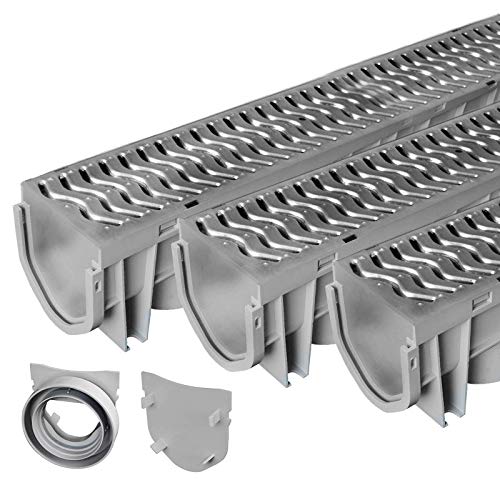
Source 1 Drainage Trench & Driveway Channel Drain with Galvanized Steel Grate – 3 Pack
Stop Standing Water & Protect Surfaces: Capture and direct runoff away from driveways, patios, garages, and pool areas…
As an affiliate, we earn on qualifying purchases.
As an affiliate, we earn on qualifying purchases.
Conclusion
If you think landslides are just minor inconveniences, think again. In the Andean region, they pose an unstoppable, earth-shaking threat that can swallow entire towns in seconds. Every tremor and rainstorm could release chaos on an unimaginable scale, turning peaceful landscapes into disaster zones overnight. Stay alert, because ignoring this risk isn’t just dangerous — it’s inviting catastrophe on a massive, world-altering scale. Don’t underestimate the power of nature’s fury in the Andes!

Sandbaggy Coconut Erosion Control Blanket – 3.75 ft x 120 ft Coir Mat for Soil Retention, Slope Stabilization, Plant Growth & Ground Cover – Ideal for Hillsides & DOT Projects – 2 Rolls (900 sq ft)
100% COCONUT FIBER FOR EROSION CONTROL: Made from 100% coconut fiber, this mat stabilizes steep slopes and controls…
As an affiliate, we earn on qualifying purchases.
As an affiliate, we earn on qualifying purchases.
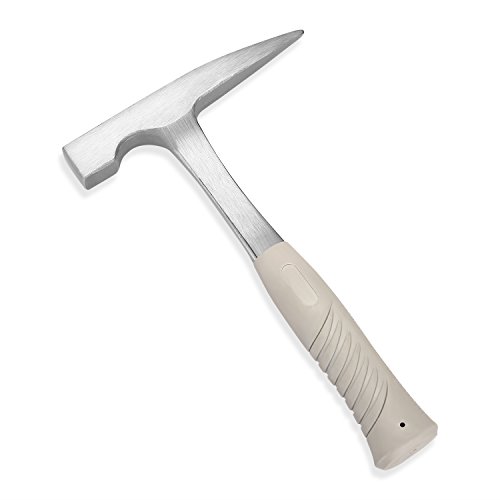
EFFICERE 22-Ounce All Steel Rock Pick Hammer with Pointed Tip, 11-Inch Overall Length | Essential for Geological Study, Rock Hounding, Prospecting, Mining, Fossil Dig, Masonry Related and Much More
An essential tool for contractor, camper, hunter, prospector, geologist, archaeologist, paleontologist, and is perfect for breaking and chipping…
As an affiliate, we earn on qualifying purchases.
As an affiliate, we earn on qualifying purchases.