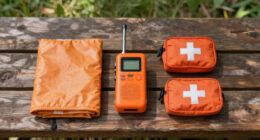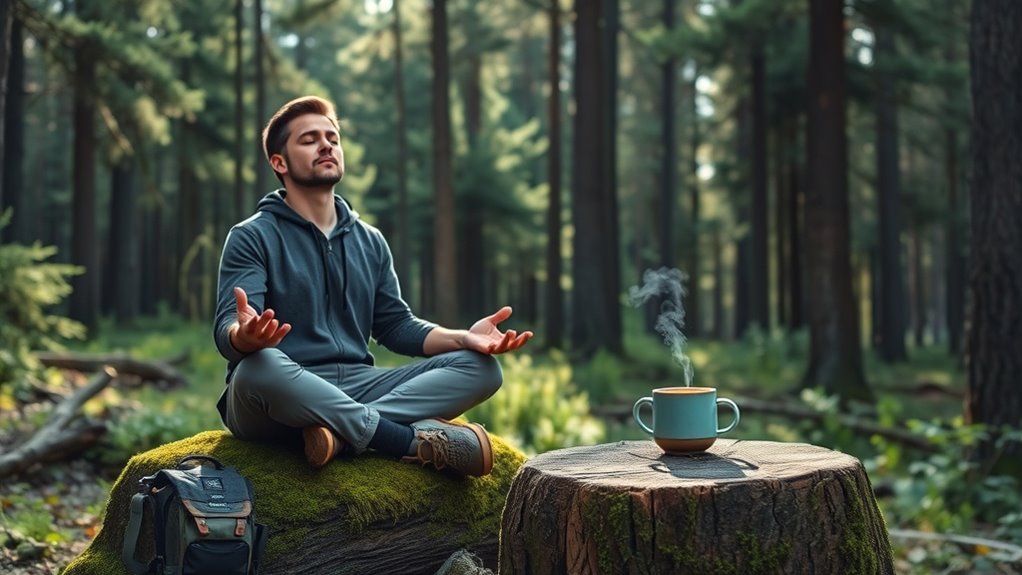

To manage stress effectively as a prepper, focus on combining mindfulness techniques with regular physical activity. Practice breathing exercises, meditation, or mindfulness daily to stay present and recognize early stress signals, preventing panic. Incorporate physical activities like walking, yoga, or strength training to release endorphins and reduce stress hormones. Prioritizing good sleep and establishing routines enhance resilience. Keep exploring these strategies to stay calm and clear-headed when it matters most.
Key Takeaways
- Practice regular mindfulness exercises like meditation or deep breathing to stay present and reduce anxiety during emergencies.
- Incorporate consistent physical activity, such as walking or yoga, to release endorphins and lower stress hormone levels.
- Recognize early stress signals to prevent panic and maintain mental clarity for effective decision-making.
- Establish routines that include sleep, mindfulness, and exercise to build resilience and enhance stress management skills.
- Combine mental techniques with physical exercise for a balanced approach to staying calm and focused under pressure.
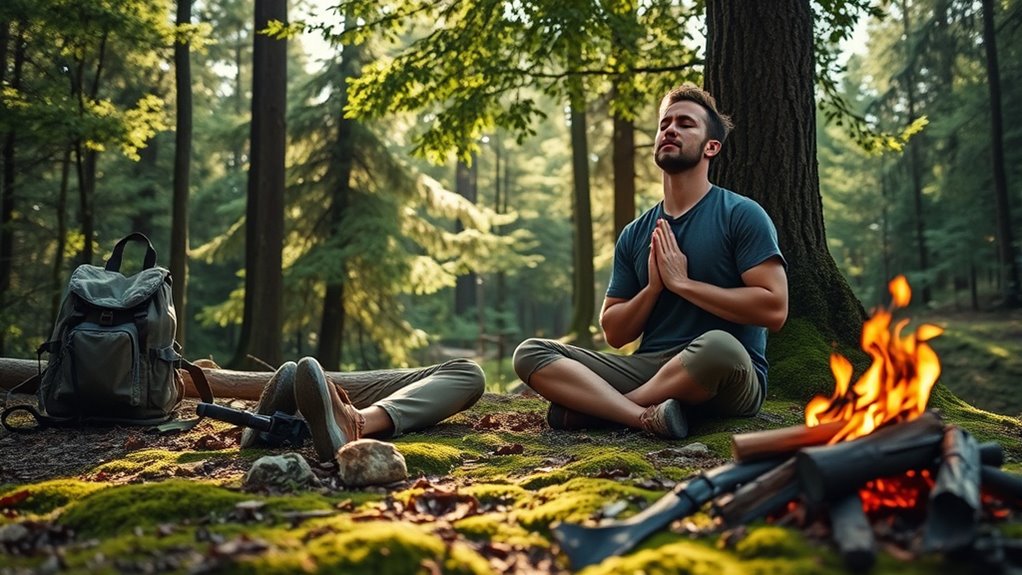
When preparing for emergencies, managing stress is essential to maintaining focus and making clear decisions. Stress can cloud your judgment, impair your ability to respond effectively, and even compromise your safety. To stay level-headed during crises, incorporating mindfulness training into your routine is a powerful tool. Mindfulness helps you stay present, recognize stress signals early, and prevent panic from taking over. By practicing simple breathing exercises or meditation daily, you build resilience against stress triggers, ensuring that when chaos erupts, you remain calm and collected. This mental clarity allows you to assess situations more accurately, prioritize tasks effectively, and avoid rash decisions.
In addition to mental techniques, physical exercise plays a crucial role in stress management. Regular activity releases endorphins, which naturally elevate your mood and reduce anxiety. It also helps you build physical endurance, making you more capable of handling prolonged stressful situations without fatigue setting in. Whether it’s brisk walking, strength training, or yoga, engaging in physical exercise reduces cortisol levels—the hormone associated with stress—and improves your overall mental health. When crises occur, your body will be better prepared to handle the physical and emotional toll if you’ve maintained an active lifestyle.
Combining mindfulness training with consistent physical exercise creates a powerful synergy. Mindfulness sharpens your mental state, while physical activity strengthens your body and reduces stress hormones. Together, they cultivate a balanced, resilient mindset, making it easier to stay focused under pressure. You’ll find it easier to maintain a positive outlook, which can be critical during extended emergencies. The key is to make these practices habitual, so they become second nature when you need them most. Short daily sessions of meditation or breathing exercises, paired with regular workouts, can significantly boost your ability to manage stress when it counts. Additionally, understanding the importance of sleep and ensuring you get adequate rest can greatly enhance your stress resilience and overall preparedness.
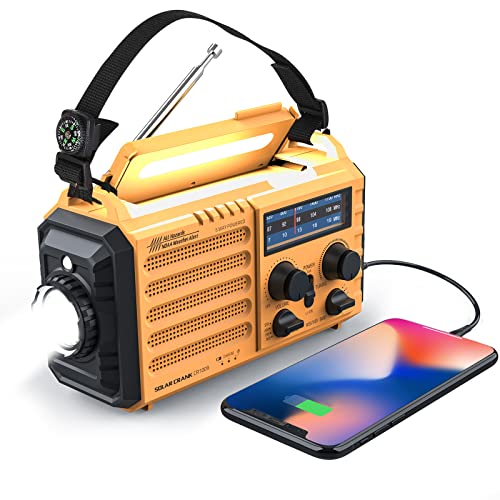
Raynic Weather Radio, 5000mAh/18500mWh NOAA Weather Radio, Solar Hand Crank Emergency Radio with AM/FM/SW/NOAA Weather Alert, Flashlight, Reading Lamp, Cell Phone Charger and SOS Siren
5-WAY POWER SOURCES - The weather radios with multiple power backup options are the best choice.5 power sources...
As an affiliate, we earn on qualifying purchases.
Frequently Asked Questions
How Can Preppers Maintain Mental Health During Long-Term Emergencies?
To maintain your mental health during long-term emergencies, you should practice mindfulness meditation daily to stay grounded and reduce anxiety. Stay connected with loved ones or your community for social support, which boosts resilience. Keep a routine, stay physically active, and focus on what you can control. These strategies help you stay calm, focused, and mentally strong amid stress, ensuring you’re better prepared to handle prolonged challenges.
What Are Quick Stress Relief Methods for Preppers in Crisis Situations?
In crisis situations, you can quickly relieve stress by practicing breathing exercises—inhale deeply, hold, then exhale slowly to calm your nerves. Grounding techniques, like focusing on your surroundings or feeling an object in your hand, help anchor your mind. These methods are fast and effective, enabling you to regain control and stay alert, so you can make clear decisions during emergencies.
How Does Physical Fitness Impact Stress Resilience for Preppers?
Physical fitness greatly boosts your stress resilience by improving cardiovascular endurance and strength training. When you’re fit, your body handles stressful situations better, reducing anxiety and fatigue. Cardiovascular endurance helps you stay calm and focused during crises, while strength training builds confidence and physical capability. Regular exercise also releases endorphins, which naturally elevate your mood. Staying physically active makes you more prepared mentally and physically to face emergencies confidently.
Are There Specific Dietary Tips to Reduce Anxiety for Preppers?
You might be surprised to learn that the right diet can considerably reduce anxiety. Focus on nutrient-rich foods like leafy greens, nuts, and berries to stabilize your mood. Don’t forget hydration strategies—staying well-hydrated helps keep stress levels in check. Small dietary changes can make a big difference in your mental clarity and calmness, giving you the edge when you need it most. Stay prepared, stay calm.
How Can Preppers Develop a Resilient Mindset Against Panic and Fear?
To develop a resilient mindset against panic and fear, focus on building mental toughness and practicing emotional regulation. You can do this by regularly challenging yourself with small, controlled stressors, staying grounded through mindfulness, and maintaining a positive outlook. Stay prepared and confident in your skills, which boosts mental resilience. Remember, staying calm and adaptable in stressful situations is key to overcoming fear and maintaining control.

Emergency Weather Radio with Large Solar Panel, Efficient Hand Crank & Real 12000mAh Battery | AM/FM/NOAA Bands, LED Flashlight, Reading Lamp, SOS Alarm & Phone Charger for Camping, Blackout, Survival
【Enhanced Solar Performance】Equipped with a large 8500mm² monocrystalline panel, this emergency radio captures more sunlight and converts it...
As an affiliate, we earn on qualifying purchases.
Conclusion
Remember, in prepping, the greatest threat isn’t always what’s outside but how you handle the chaos within. Master these stress management techniques now, and you’ll be better prepared when chaos strikes. But here’s the catch—your mind’s resilience can be your strongest weapon, or your greatest weakness. Will you let stress control you when it matters most, or will you stay calm and in control? The choice is yours. The question is, are you ready?

Leaton Hand Crank Emergency Radio, NOAA Weather Radio AM/FM,10000mAh
10000mAh Battery That Lasts – 3 Ways to Recharge Built around a genuine 10000mAh rechargeable lithium polymer battery,...
As an affiliate, we earn on qualifying purchases.
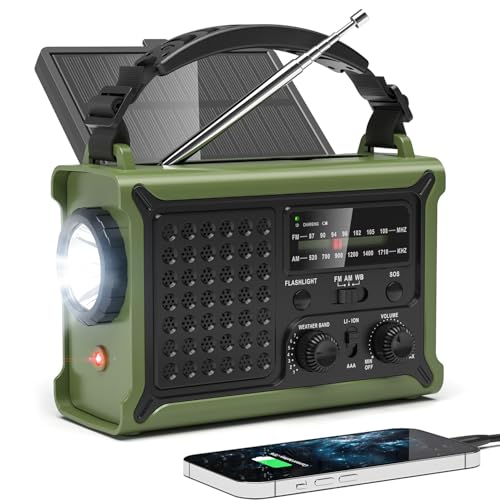
12000mAh/44400mWh Emergency Radio-NOAA Approved Weather Radio with AM/FM Portable Solar Panel/Hand Crank/AC Input Rechargeable Battery and Flashlight SOS Siren Lamp for Indoor/Outdoor Emergencies
【NOAA Weather Band Reception & Strong Signal】This NOAA emergency weather radio is designed to receive 7 NOAA weather...
As an affiliate, we earn on qualifying purchases.