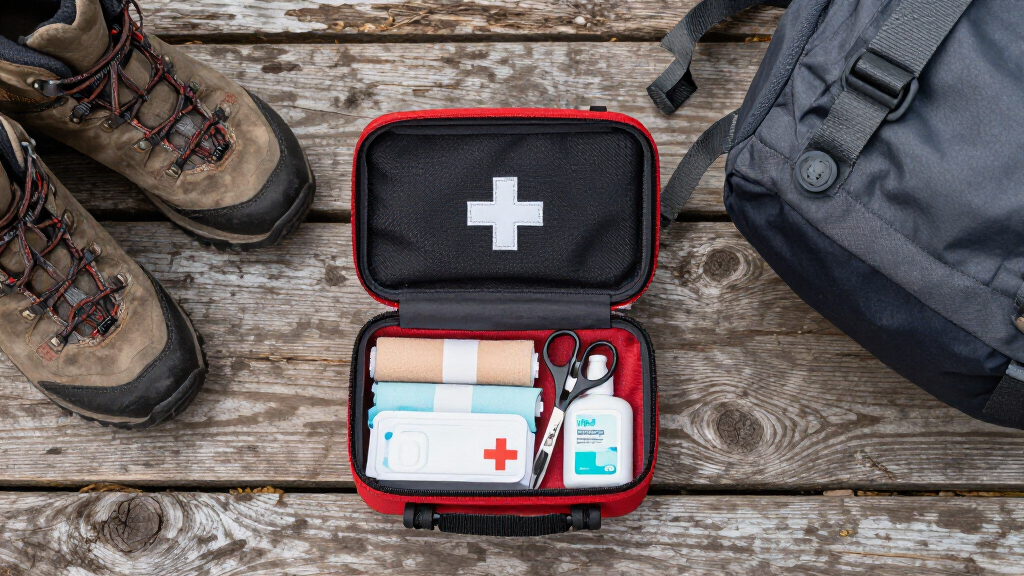

When an emergency hits, the kit you actually have with you beats the fully stocked cabinet at home every time — and that’s exactly why compact emergency first aid kits have become so popular for cars, backpacks, and gloveboxes. In this comparison, the 365 PCS Waterproof Hard Shell Kit earned my best overall pick for combining genuine supply depth with a rugged, well-organized EVA case that still fits in a backpack. Budget-minded buyers should look at the Thrive 66-Piece Mini Kit, which trades supply count for true pocketability, while families will appreciate the BAND-AID All-Purpose 160-Piece Kit for its familiar, beginner-friendly contents. The core tradeoff in this category is simple: piece count versus portability, and plenty of kits pad their numbers with cheap filler. Keep reading for the full breakdown of all 15 kits and which one fits your situation.
Key Takeaways
- Piece count was the least reliable indicator of quality — several 200+ piece kits padded totals with dozens of single-use swabs and bandages while 60-piece kits covered more injury types.
- Hard-shell EVA cases (365 PCS, Thrive, 150-Piece Mini) consistently protected supplies better than soft pouches, which matter most if the kit lives in a car trunk or backpack.
- The EVERLIT 12-pack stood alone as the only scatter-and-forget option — placing multiple small kits across locations beat one centralized kit for many households.
- Brand-name kits (BAND-AID) cost more per piece but delivered the most consistent adhesive quality — a real factor for wound care, not just brand loyalty.
- Waterproofing claims varied widely in practice: fully welded cases outperformed water-resistant zippers by a wide margin for boating, hiking, and wet-climate use.


More Details on Our Top Picks
365 PCS First Aid Kit, Waterproof Well-Organized Medic Hard Shell EVA Case
When the goal is maximum preparedness in a still-portable package, this kit outguns nearly everything else in the lineup. With 365 hospital-grade supplies packed into a waterproof EVA shell, it more than triples the piece count of the AMORNING 276-Piece kit while keeping a similar organized layout with labeled compartments and double zippers. The MOLLE straps also give it a mounting flexibility that soft-pouch options like the Thrive Mini lack. That said, bulk is the tradeoff — this is the kit you keep in a trunk or base camp, not the one you slip into a diaper bag. And with so many pieces, some are inevitably filler; buyers wanting just the basics will find the 107-piece kit easier to manage. This pick makes the most sense for households or groups who want deep supplies without buying a full trauma bag.
Pros:- 365-piece supply count far exceeds most compact kits
- Waterproof EVA hard shell with organized interior
- MOLLE straps and carry handle for mounting and transport
- Suitable for home, vehicle, travel, and outdoor use
Cons:- Large item count can be overwhelming for basic needs
- Individual item quality and brands are not specified
- Bigger and heavier than true pocket-size kits
Best for: Families and outdoor groups who want extensive supplies on hand for multiple people
Not ideal for: Minimalists and day-trippers — the sheer volume of items adds bulk and complexity they won’t use
- Piece Count:365
- Case Material:Waterproof EVA
- Closure:Double zippers
- Carry Options:Portable handle, MOLLE straps
- Organization:Well-organized labeled interior
- Recommended Uses:Home, outdoor, travel, vehicle
Our verdict“Buy this if you want the deepest supply reserves in a compact-hard-shell format and don’t mind the extra bulk.”
Protect Life Travel First Aid Kit, 100-Piece Waterproof Emergency Kit with Blanket and First Aid Guide
What separates this kit from the 107-piece competitor isn’t the piece count — it’s the doctor-written first aid guide that walks untrained users through common injuries step by step. For someone assembling their first emergency kit, that guidance matters more than a few extra gauze pads. It’s also one of the few compact kits here to include a thermal emergency blanket, which the smaller Thrive Mini omits entirely. The waterproof hard case holds up better in a boat or trunk than soft-shell alternatives. The tradeoff: 100 pieces runs out fast with a group, and there’s nothing here for advanced or trauma-level care. Compared with the 365-piece kit, this is the calmer, more digestible option — a starter kit that teaches as it treats, rather than burying you in supplies.
Pros:- Doctor-written first aid guide for untrained responders
- Includes thermal emergency blanket
- Waterproof hard case suited to boats and vehicles
- Covers cuts, scrapes, burns, and sprains
Cons:- Supply count too small for large groups or long trips
- Basic first aid only — no advanced medical components
Best for: First-time kit buyers and casual travelers who want guidance alongside the supplies
Not ideal for: Group leaders on extended trips — supplies are sized for individuals or pairs, not crowds
- Piece Count:100
- Case Type:Waterproof hard case
- Special Items:Emergency thermal blanket, first aid guide
- Included Items:Bandages, gauze, antiseptic wipes, gloves, scissors
- Guide:Doctor-written first aid instructions
- Recommended Uses:Home, travel, camping, hiking, boating
Our verdict“This is the right first kit for someone who wants supplies plus instructions in one grab-and-go case.”
AMORNING 276-Piece First Aid Kit, Red Emergency Kit for Car, Home, and Camping
Vehicles are where most compact kits actually live, and this one is shaped for that job: at 7.8 x 5.55 x 2.9 inches and just 1 lb, it slides into a glovebox or under a seat without monopolizing cargo space, yet carries 276 pieces — more than double the Protect Life 100-piece kit. The inclusions are car-smart too: an instant ice pack and an emergency blanket, neither of which the Thrive Mini offers. The red water-resistant EVA case is easy to spot in a dark trunk. The honest drawback is depth over breadth — this covers scrapes, burns, and minor wounds well, but has no trauma-grade components, so it falls short of what a serious overlander would want. Compared with the 365-piece kit, you trade capacity for a footprint that genuinely fits daily driving.
Pros:- Lightweight 1 lb build fits gloveboxes and consoles
- 276 pieces cover everyday minor injuries
- Includes ice pack and emergency blanket
- Water-resistant EVA case in high-visibility red
Cons:- No specialized trauma supplies
- Little spare room to add custom medications
- Contents need restocking after any real incident
Best for: Daily drivers and commuters who want substantial supplies in a glovebox-friendly size
Not ideal for: Backcountry adventurers needing trauma or advanced wound care capability
- Piece Count:276
- Dimensions:7.8 x 5.55 x 2.9 inches
- Weight:1 lb
- Case Material:Water-resistant EVA
- Color:Red
- Special Items:Ice pack, emergency blanket
- Recommended Uses:Car, home, office, camping, hiking, travel, boating
Our verdict“The best balance of supply depth and true in-car portability for everyday drivers.”
Thrive Mini First Aid Kit – 66-Piece Compact Waterproof Travel, Camping, and Car First Aid Set, Red Shell Case
At 66 pieces, this is the kit that actually goes where you go. The 600D polyester nylon shell is tough enough to survive being crushed at the bottom of a backpack — a durability edge over thin soft cases — while staying light enough to forget it’s there. Unlike the boxier AMORNING kit, this slips into a purse or diaper bag, which is exactly the point: a kit you carry beats a bigger one left at home. The water-resistant shell handles rain splashes and spills reasonably well. The cost of that portability is real, though. Sixty-six pieces handle a few scrapes and small cuts, but there’s no blanket, no ice pack, and essentially no room to add your own items. For anything beyond minor injuries, the Protect Life kit with its guide and blanket is the safer carry.
Pros:- Smallest footprint in the lineup — fits purses and packs
- Durable 600D nylon shell resists wear and water
- Light enough to carry every day without noticing
- Versatile across home, travel, and outdoor use
Cons:- Supply count too small for major or extended emergencies
- Almost no spare space for personal medications
Best for: Hikers, parents, and daily commuters who need a genuinely pocketable kit for minor injuries
Not ideal for: Anyone prepping for prolonged emergencies — supplies are strictly for small, everyday wounds
- Piece Count:66
- Case Material:600D polyester nylon
- Case Style:Red shell case
- Water Resistance:Water-resistant
- Portability:Fits backpacks, purses, vehicle compartments
- Recommended Uses:Travel, camping, car, hiking, home
Our verdict“The one to buy if the deciding factor is carrying it daily rather than storing it.”
First Aid Kit for Home, Car, Travel – 107 Pieces Emergency Trauma Kit for Hiking, Camping, Outdoor Activities
This kit earns its slot by keeping things simple and affordable: 107 pieces in a slim 7.5 x 5.2 x 1.5-inch soft case, with a printed instruction manual to guide use. Where the Thrive Mini leans minimal at 66 pieces, this adds enough bandages and gauze to handle a family afternoon outdoors, and where the Protect Life kit adds a blanket and hard shell, this trades those extras for a thinner profile and a friendlier price. The zipper layout keeps items findable under stress, which matters more than raw quantity at this tier. The tradeoffs are predictable: it’s strictly basic first aid despite the ‘trauma kit’ framing, the soft case offers less crush protection than EVA shells, and there’s no room for bulky add-ons. Buyers wanting one inexpensive kit that covers ordinary mishaps will find this hits the value sweet spot.
Pros:- 107 pieces cover common minor injuries for small groups
- Slim 1.5-inch profile stores almost anywhere
- Includes a detailed instruction manual
- Organized layout for quick access
Cons:- Soft case offers less protection than hard EVA shells
- Contents limited to basic first aid, not severe injuries
- Very little space to add personal items
Best for: Budget-conscious buyers wanting a solid everyday kit without paying for capacity they won’t use
Not ideal for: Buyers expecting true trauma capability — the contents are basic first aid despite the name
- Piece Count:107
- Dimensions:7.5 x 5.2 x 1.5 inches
- Case Material:Soft case with zipper
- Organization:Organized compartment layout
- Documentation:Instruction manual included
- Recommended Uses:Home, car, hiking, camping, outdoor activities
Our verdict“A sensible low-cost choice for everyday cuts and scrapes — just don’t mistake it for a real trauma kit.”
SurviveX Small First Aid Kit, Emergency Kit for 1-2 People
Most kits in this roundup stop at bandages and wipes, but SurviveX stands out for treating severe injuries, not just minor ones. The non-invasive wound closure technology is a genuine differentiator — if you’re hours from help, closing a deep laceration matters far more than having 50 adhesive plasters. The color-coded, labeled compartments mean you can find what you need under stress, something the cheaper Mini First Aid Kit 120 Piece can’t match with its unlabeled contents. MOLLE compatibility and mounting options make it a natural fit for vehicle or pack attachment. The tradeoff: at 1-2 person capacity, this is a specialist kit, not a group solution, and the price sits well above basic alternatives. This pick makes the most sense for backcountry users who accept that tradeoff deliberately.
Pros:- Handles severe injuries with innovative non-invasive wound closure, not just minor cuts
- Color-coded, labeled compartments enable fast access in high-stress situations
- MOLLE compatibility and mounting options for packs, vehicles, and gear
- FSA/HSA eligibility softens the higher price for budget-conscious buyers
Cons:- Capacity limited to 1-2 people, unusable as a group or family kit
- Meaningfully more expensive than basic compact kits in this lineup
Best for: Backcountry hikers, overlanders, and couples who adventure far from medical help and need severe-injury capability in a small package
Not ideal for: Families or group leaders — the 1-2 person capacity and premium price make larger multipacks like the EVERLIT 12-Pack a better allocation of money
- Capacity:1-2 people
- Organization:Color-coded, labeled compartments
- Mounting:Mountable and MOLLE compatible
- Injury Coverage:Minor and severe injuries
- Wound Care:Non-invasive wound closure technology
- Eligibility:FSA and HSA eligible
- Origin:Designed in Virginia
Our verdict“Buy this if you spend time beyond easy ambulance reach and want trauma-level capability; skip it for household or group first aid duty.”
EVERLIT Pocket-Aid Mini First Aid Kit, 12-Pack Hard-Shell Cases, 50 Items Each
Where every other kit here is a single unit, EVERLIT’s 12-pack approach solves a distribution problem: how do you put first aid everywhere it’s needed without buying twelve separate kits? Stashing one case each in the car, kids’ backpacks, gym bags, desk drawers, and camping gear beats a single bulk kit like the AMORNING 276-Piece that lives in one place and can’t help you when you’re not there. The water-resistant hard shells with D-ring attachment survive being tossed in a school bag, and 600 total pieces means serious restocking depth. The honest limitation: each case covers only minor cuts, scrapes, and stings — no trauma gear, and individual cases can’t hold larger dressings. This model is better suited to broad everyday coverage than deep capability.
Pros:- Twelve separate kits enable coverage across vehicles, bags, dorms, and workplaces
- 600 total hospital-grade pieces give strong restocking depth
- Water-resistant hard-shell cases with D-ring attachment hold up to daily abuse
- Balanced assortment of plasters, gauze, tapes, prep pads, and sting relief
Cons:- Contents limited to minor injuries — no trauma or severe-wound supplies
- Small cases can’t accommodate larger dressings or added gear
- A 12-pack is overkill and overspend for a single person or household
Best for: Parents, scout leaders, and small-business owners who want a stocked mini-kit in every bag, vehicle, and room without assembling them piecemeal
Not ideal for: Solo hikers or anyone needing trauma-grade capability — one deep-coverage kit like the SurviveX serves a single adventurer better than twelve shallow ones
- Pack Count:12 cases
- Items per Case:50
- Total Items:600
- Case Type:Water-resistant hard-shell
- Attachment:D-ring slot
- Supplies:Adhesive plasters, sterile gauze pads, non-adherent pads, wound prep pads, medical tapes, sting relief pads
- Intended Use:Cuts, scrapes, wound care, stings
- Use Cases:Travel, outdoor, school, camping, home, office
Our verdict“The smartest way to blanket a family’s or team’s entire life with minor-injury coverage, as long as you accept it isn’t a trauma kit.”
Mini First Aid Kit – 120 Piece Waterproof Medical Kit
At under a pound and smaller than a paperback, this 120-piece kit delivers the best supply-per-dollar ratio among single-kit options in this roundup. The Thrive Mini 66-Piece costs less but covers half the supplies; the 165 Piece Mini Kit offers more but at a larger footprint. The fully waterproof case is the standout feature here — not merely water-resistant like the Rhino Rescue — which matters for kayakers, boaters, and anyone whose kit lives in a wet trunk or garage. Included scissors and gauze round out genuine wound-care capability beyond just plasters. The compromises are real, though: contents lean basic, there’s no detailed inventory list so you can’t audit or restock systematically, and severe injuries are beyond its scope.
Pros:- Fully waterproof, not just water-resistant — rare at this size and price
- 120 pieces is generous supply depth for a sub-pound kit
- Includes functional tools like scissors and gauze, not just adhesive bandages
- Genuinely compact at 6.3 x 4.7 x 2.3 inches for gloveboxes and dry bags
Cons:- No detailed contents list, making inventory checks and restocking difficult
- Basic supplies only — insufficient for severe or traumatic injuries
Best for: Budget-minded buyers who want maximum piece count and true waterproofing for a car trunk, boat compartment, or storm kit
Not ideal for: Type-A organizers — the missing contents list makes restocking and auditing frustrating, and organized kits like the SurviveX serve planners better
- Piece Count:120
- Dimensions:6.3 x 4.7 x 2.3 inches
- Weight:0.62 lbs
- Protection:Waterproof case
- Notable Contents:Bandages, gauze, scissors
- Use Cases:Travel, outdoor activities, emergencies
Our verdict“The value pick for wet environments and glovebox duty, provided you don’t need trauma capability or a restockable inventory.”
Rhino Rescue Small Ultralight First Aid Kit, Water-Resistant Medical Kit
At just 20 grams of case weight, Rhino Rescue wins the weight war outright — nothing else in this lineup comes close, including the 0.62-pound 120 Piece Waterproof Kit, which weighs nearly fifteen times more. For ultralight backpackers, trail runners, and kayakers who count grams, that difference is the whole decision. The 79 items inside cover minor injuries credibly for a kit this size, and the water-resistant nylon shell handles sweat, drizzle, and splash. Compared with the EVERLIT mini cases, this trades hard-shell crush protection for feather weight — a deliberate choice that fast movers will appreciate and car campers won’t. Understand the ceiling, though: 79 items in a 180x100x30mm pouch can’t handle serious bleeding or multi-person scenarios, so this is a supplement to smart trip planning, not a substitute for it.
Pros:- Extraordinarily light at just 20 grams for the case
- 79 essentials is substantial coverage for the size class
- Water-resistant nylon construction handles outdoor moisture exposure
- Slim 180x100x30mm profile disappears into a running vest or PFD pocket
Cons:- Minor injuries only — not equipped for severe bleeding or trauma
- Very limited supply volume can’t sustain multiple or larger injuries
Best for: Ultralight backpackers, trail runners, and kayakers who refuse to carry grams they don’t need but still want real minor-injury coverage
Not ideal for: Car campers and base-camp setups — the tiny capacity and soft shell are wasted advantages when weight doesn’t matter
- Case Weight:20g
- Dimensions:180 x 100 x 30mm
- Supplies Included:79 items
- Material:High-quality nylon
- Protection:Water-resistant
- Injury Coverage:Minor injuries
- Best Activities:Hiking, camping, kayaking
Our verdict“The gram-counter’s first aid kit: buy it for fast-and-light pursuits, and pair it with a fuller kit when weight allows.”
BAND-AID Travel Ready Portable First Aid Kit, 80 Pieces
This kit’s superpower is brand familiarity and consumable quality: BAND-AID strips, NEOSPORIN, and TYLENOL are the exact products most people already reach for at home, so there’s zero learning curve in an anxious moment. Compared with generic kits like the 165 Piece Mini, the piece count is lower, but the contents are curated for real-world minor complaints — burns, aches, and pain relief included, which many budget kits skip entirely. The refillable case invites restocking rather than replacing, and latex-free bandages matter for allergy-prone households. The tradeoffs: 80 pieces deplete quickly once a few scrapes happen, there’s no trauma capability whatsoever, and per-piece value trails larger kits. This pick makes the most sense for suitcases, glove compartments, and dorm drawers — places where minor complaints outnumber emergencies.
Pros:- Trusted brands (BAND-AID, NEOSPORIN, TYLENOL) with no learning curve
- Covers burns and pain relief, which many compact kits omit
- Refillable case supports cheap long-term reuse
- Latex-free adhesive bandages safe for allergy-prone users
Cons:- 80 pieces run out quickly after a few real incidents
- Strictly minor-injury scope with no trauma or severe-wound capability
Best for: Travelers, college students, and parents who want familiar, trusted brand-name supplies for minor cuts, burns, and headaches in a suitcase or dorm drawer
Not ideal for: Outdoor adventurers and group planners — no trauma supplies and limited depth make the SurviveX or EVERLIT multipack far better suited
- Brand:BAND-AID (with NEOSPORIN, TYLENOL)
- Piece Count:80
- Key Supplies:Cleansing wipes, gauze pads, antibiotic cream, pain relief caplets, assorted adhesive bandages
- Intended Use:Minor cuts, scrapes, burns, aches, and pain
- Design:Compact, portable, refillable
- Latex:Adhesive bandages not made with natural rubber latex
- Use Cases:Home, car, travel, dorms, camping, outdoor activities
Our verdict“The comforting choice for travel and dorm life where familiar brands and pain relief matter more than raw supply count.”
BAND-AID All-Purpose Portable Compact First Aid Kit, 160 Pieces
Most budget kits in this roundup stuff their cases with generic bandages of wildly varying quality. This option stands out for doing the opposite: every consumable comes from a name you already recognize, including NEOSPORIN, TYLENOL, BENGAY, and BENADRYL. That matters more than it sounds, because brand-name medications and antiseptics mean consistent dosing and packaging you can actually read in a hurry. Compared with the 165 Piece Mini First Aid Kit, this one trades the rugged EVA hard shell for a refillable plastic case — a fair swap for glovebox or kitchen-drawer storage, less so for a backpack. The piece count leans heavily toward adhesive bandages, so it’s a minor-injury kit through and through. Still, for everyday bumps and burns at home or in the car, the FSA/HSA eligibility is a nice bonus.
Pros:- Every consumable is a recognized brand name for consistent quality
- 160-piece assortment covers the full range of minor injuries
- Refillable case keeps supplies organized long-term
- FSA and HSA eligible, latex-free adhesive bandages
Cons:- Plastic case offers no water resistance or impact protection
- Contents are geared to minor injuries only — no tourniquet, blanket, or trauma gear
Best for: Households and commuters who want trusted brand-name supplies in a refillable case for everyday minor injuries
Not ideal for: Hikers or boaters who need waterproof protection and trauma-grade contents — the plastic case and minor-injury focus won’t hold up outdoors
- Brand:BAND-AID
- Piece Count:160
- Case Material:Plastic, refillable
- Included Brands:BAND-AID, NEOSPORIN, TYLENOL, BENGAY, BENADRYL
- Recommended Use:Minor cuts, scrapes, burns, aches, and pains
- Latex Information:Adhesive bandages not made with natural rubber latex
- Eligibility:FSA & HSA eligible
Our verdict“Buy this if you want a car or home kit stocked with brands you already trust rather than anonymous bulk supplies.”
165 Piece Mini First Aid Kit, Compact Hard Shell Emergency Medical Kit
This kit earns its spot with the combination of a 0.7 lb weight, an impact-resistant EVA hard shell, and divided compartments that keep supplies from becoming a jumbled mess after a few uses. Unlike the BAND-AID 160-Piece kit, it goes beyond scrapes: a tourniquet and gloves push it toward genuine emergency territory, which is rare at this price and size. The tradeoff is capacity discipline — at 6.69 × 5.12 × 2.36 inches, there’s simply no room for bulky items like an emergency blanket or splint, something the 211 PCS Waterproof Kit manages to include. Water resistance is also only light, so a soaked backpack is a real risk. This pick makes the most sense for buyers who want crush protection for a glovebox or daypack without paying for full waterproofing they may never need.
Pros:- Impact-resistant EVA shell protects contents from being crushed in bags
- Divided compartments make supplies findable under stress
- Includes trauma items like a tourniquet beyond typical mini-kit contents
- Featherweight at 0.7 lbs for daily carry
Cons:- No space for larger items like emergency blankets or splints
- Only lightly water-resistant, not waterproof
Best for: Commuters, students, and day hikers who need crush protection and trauma basics in a sub-1-pound package
Not ideal for: Paddlers or anyone around water — light water resistance won’t protect contents from sustained exposure
- Number of Items:165
- Dimensions:6.69 × 5.12 × 2.36 inches
- Weight:0.7 lbs
- Case Material:EVA hard shell
- Water Resistance:Lightly water-resistant
- Notable Contents:Bandages, gloves, antiseptic pads, tourniquet
Our verdict“The smart middle ground if you want hard-shell protection and a few trauma supplies without the size or price of a bigger outdoor kit.”
211 PCS Waterproof First Aid Kit for Hiking and Boating
While the 165 Piece Mini Kit settles for light water resistance, this option goes all-in with an IPX7 waterproof rating and 3-layer fabric — the difference between soggy, unusable gauze and a kit that survives a capsized kayak. The reflective strip is a thoughtful touch for finding the kit in a dark tent or overcast trailhead, and the included carabiner clips cleanly to a pack strap. With 211 pieces, it’s the best-stocked kit in this batch, adding an emergency blanket and scissors that smaller kits omit. The honest tradeoff: soft-sided fabric means less crush protection than the 150-Piece EVA Hard Shell kit, and contents documentation is thin, so you’ll want to inventory it before heading out. For hikers and boaters, though, water protection beats everything else.
Pros:- IPX7 waterproof rating with 3-layer fabric survives real submersion
- Largest supply count in this batch at 211 pieces
- Reflective strip aids visibility in low light
- Carabiner attachment keeps it accessible on a pack
Cons:- Soft fabric case provides less crush protection than EVA hard shells
- Limited documentation on specific contents included
Best for: Hikers, kayakers, and boaters whose kit will regularly face rain, spray, or full submersion
Not ideal for: Buyers who need to know exactly what’s inside before purchasing — the vague contents list requires a manual inventory
- Waterproof Level:IPX7
- Number of Supplies:211
- Material:3-layer waterproof fabric
- Includes:Bandages, gloves, iodine pads, scissors, emergency blanket
- Carabiner:Yes
- Visibility Features:Reflective strip
Our verdict“The clear choice when water exposure is guaranteed and every other kit’s moisture claims fall short.”
Mini First Aid Kit, 150-Piece Small Waterproof EVA Hard Shell Case
What separates this kit from the nearly identical 165 Piece Mini Kit is interior design. The multiple independent compartments mean gauze isn’t rubbing against iodine pads and tweezers aren’t puncturing gloves — small details that pay off when you’re treating someone one-handed. The waterproof EVA shell plus bonus carabiners makes it a genuine dual-threat: hard-shell protection like the 165-piece kit, water protection approaching the 211 PCS boating kit, at a lighter supply count. Contents are practical rather than padded, including metal tweezers, a tourniquet, and povidone-iodine prep pads. One caveat the manufacturer is upfront about: waterproof here means rain and splashes, not full submersion. Compared with bulkier options like the AMORNING 276-Piece kit, this one wins on portability while giving up depth of supplies.
Pros:- Multiple independent compartments keep contents sorted and accessible
- Waterproof EVA hard shell balances crush and moisture protection
- Practical tools included like metal tweezers and a tourniquet
- Bonus carabiners add carry options
Cons:- Cannot be fully submerged despite waterproof claims
- 150 pieces deplete quickly for groups and require restocking
Best for: Travelers and backpackers who value a well-organized interior and want hard-shell plus water protection in one case
Not ideal for: Anyone expecting true submersion protection — the shell is waterproof against rain, not swimming
- Piece Count:150
- Dimensions:6.4 x 4.9 x 2.7 inches
- Weight:0.73 lbs
- Case Material:EVA hard shell
- Water Resistance:Waterproof (not submersible)
- Compartments:Multiple independent compartments
- Included Accessories:Bandages, gloves, povidone-iodine prep pads, metal tweezers, tourniquet, carabiners
Our verdict“The best-organized compact kit here — pick it if tidy compartments and a protective shell matter more than maximum piece count.”
DMI Mini First Aid Kit, 20 Pieces, Compact Water-Resistant Case
At 4 × 3.5 × 1 inches and 0.13 lbs, this is the smallest kit in the entire roundup — small enough for a purse, center console, or toiletry bag where even the Thrive 66-Piece kit won’t fit. That extreme portability is the entire value proposition: this is a backup kit, not a primary one. The 20 pieces cover the basics — alcohol swabs, gauze pads, a bandage roll, tape, and adhesive bandages — which handles a blister or small cut competently but stops there. Compared with the EVERLIT 12-Pack Pocket-Aid set, which scatters multiple small kits across locations, the DMI is a single unit better suited to one dedicated spot. Anyone treating more than a minor wound, or stocking for a family, should step up to the 150-piece EVA kit instead. Know its lane and it delivers.
Pros:- Genuinely pocketable at 4 inches wide and 0.13 lbs
- Water-resistant case protects the essentials
- Covers the fundamentals: swabs, gauze, tape, and bandages
- Fits where no other kit in this roundup can
Cons:- Only 20 pieces — a single minor injury can deplete it
- No tools, medications, or trauma supplies of any kind
Best for: Solo travelers and commuters who want a tiny backup kit in a purse, laptop bag, or glove compartment
Not ideal for: Families or anyone preparing for real emergencies — 20 pieces can’t cover multiple injuries or anything beyond minor wounds
- Piece Count:20
- Case Dimensions:4″ W x 3.5″ H x 1″ D
- Weight:0.13 lbs
- Case Type:Compact water-resistant case
- Includes:Alcohol swabs, gauze pads, bandage roll, bandage tape, adhesive bandages
Our verdict“A deliberate minimalist pick for a single dedicated spot — buy it as a supplement, never as your only kit.”
How We Picked
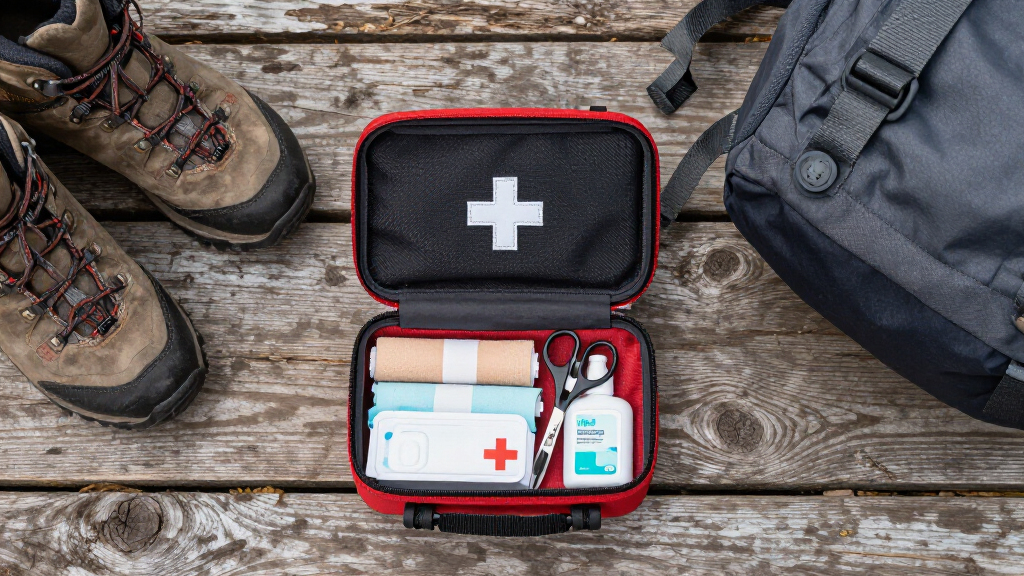
I evaluated each kit against five criteria that actually matter in an emergency: supply quality over quantity (whether the contents could treat real injuries like burns, sprains, and deep cuts, not just paper cuts), case durability (hard shell versus soft pouch, waterproof versus water-resistant), organization (whether you could find an item one-handed in bad light), true portability (measured against glovebox and backpack constraints, not marketing photos), and value per useful item. Kits that stuffed their counts with low-value filler ranked lower regardless of the number on the box.
The ranking order also reflects intended use. Kits that excel as do-it-all home-and-car options sit higher for most buyers, while narrowly focused kits — like ultralight hiking models or multi-pack disposables — were ranked for the specific buyer they serve best. Where two kits seemed similar on paper, the tiebreaker was always usability under stress: clearer labeling, smarter compartment layout, and contents you can actually deploy quickly.
Factors to Consider When Choosing Compact Emergency First Aid Kits
Before picking a kit, it helps to understand what actually separates a useful emergency kit from a box of bandages. These are the factors that shaped my rankings — and the mistakes I see buyers make most often.Piece Count Is Marketing — Triage the Contents Instead
The single biggest mistake in this category is buying on piece count alone. A 300-piece kit filled with 150 adhesive bandages and 50 alcohol swabs is less useful than a 60-piece kit containing a trauma pad, tweezers, a splint, and burn gel. When comparing, count the distinct injury categories a kit can handle: cuts, burns, sprains, blisters, and bleeding control. A well-rounded kit has at least one item for each. Also check whether the kit includes tools — tweezers, scissors, gloves, and a whistle are worth more than another fifty bandages. Kits that list their contents item-by-item are usually more trustworthy than those that only advertise a total number, because they have nothing to hide.
Case Material Determines Where the Kit Can Live
A kit stored in a car trunk faces temperature swings that destroy adhesive and melt ointments within a couple of seasons — soft pouches offer almost no protection against this. Hard-shell EVA cases insulate somewhat and resist crushing, making them the right choice for vehicles, boats, and backpacks. For pocket or purse carry, a slim soft case wins because rigid shells create bulk you’ll leave behind — and a kit left at home is worthless. Waterproof ratings deserve scrutiny too: a welded waterproof case protects contents dropped in water, while a water-resistant zipper only handles rain and splashes. Match the case to the environment, not the spec sheet.
One Big Kit or Several Small Ones?
Many buyers default to buying the largest kit they can afford, but emergency response research and common sense both favor distribution over centralization. An injury happens where you are — in the car, on the trail, in the kitchen — and a kit two rooms or ten miles away helps no one. This is why multi-pack options exist: three modest kits spread across home, car, and backpack outperform one comprehensive kit in a closet. If your budget allows only one purchase, start with a mid-size kit for the location where injuries are most likely, then expand. Also consider household size: kits rated for 1–2 people will run dry fast during a single serious incident involving a family of four.
Expiration and Restocking — The Hidden Cost
Every first aid kit is a perishable product. Adhesives dry out, ointments expire, and sterile packaging degrades — typically within two to four years, faster in hot cars. Before buying, check whether refills are available or whether you’ll need to source replacements piecemeal, which often costs more than the original kit. Kits with clearly labeled compartments make restocking far easier because you can see at a glance what’s been used. Set a calendar reminder to inspect your kit every six months; an unopened but expired kit gives false confidence that’s worse than no kit at all. Budget buyers should factor one restock cycle into the true cost of ownership.
Brand Names: When Paying More Makes Sense
There’s a real quality gap between name-brand consumables and generic kit fillers, and it shows up where it matters most: adhesion and sterility. Cheap bandages that won’t stick to sweaty or wet skin fail exactly when you need them, and off-brand gauze can be noticeably thinner. That said, brand-name kits rarely include trauma-level supplies, so they suit everyday minor injuries rather than true emergencies. My advice: buy a reputable kit brand for the case and organization, then upgrade the critical consumables — sterile gauze, medical tape, and nitrile gloves — with name-brand replacements if the included ones feel flimsy. This hybrid approach beats paying a premium for a logo on the case.
Skill Level Should Shape Your Purchase
A kit with supplies you don’t know how to use is dead weight, and this is where many outdoor-focused kits miss the mark for average buyers. If you’ve never taken a first aid course, prioritize kits with a printed instruction guide — several in this roundup include one, and it’s genuinely valuable during a stressful incident. Tourniquets, hemostatic gauze, and splints require training to deploy correctly, so a simpler kit plus a basic first aid class is a better investment than an advanced trauma kit sitting unused. Conversely, trained responders will find beginner kits frustratingly limited and should lean toward kits with bleeding-control components. Be honest about your skill level before choosing.
Frequently Asked Questions
How many pieces do I actually need in a compact first aid kit?
For most people, 60–120 pieces covering the five core injury categories is plenty for a compact kit. The number matters far less than the variety — you want multiple bandage sizes, gauze pads, antiseptic wipes, burn treatment, tweezers, gloves, and tape. A single person carrying a kit for day hikes can get by with 60 pieces, while a family of four sharing one car kit should aim for 150+. Beyond that range, additional pieces are usually redundant filler. If you find yourself wanting more capacity, the better move is often a second kit in another location rather than a bigger single kit.
Is a hard-shell case really worth the extra size and weight?
It depends entirely on where the kit lives. Hard-shell EVA cases earn their bulk in cars, boats, and backpacks, where contents get crushed, cooked by heat, or soaked — soft pouches fail in all three scenarios within months. For a desk drawer, kitchen shelf, or purse, a slim soft case is the smarter choice because you’ll actually carry it. The middle ground is a semi-rigid case with a water-resistant zipper, which handles rain and light abuse without full hard-shell bulk. One practical note: hard cases also protect adhesive bandages from heat degradation in parked cars, extending the usable life of your supplies noticeably.
Are multi-pack kits like the EVERLIT 12-pack a gimmick?
No — for many households they’re the most practical format in this entire roundup. The logic is that injuries happen where you are, so scattering small kits across gloveboxes, backpacks, luggage, and workshops beats one comprehensive kit in a closet. The tradeoff is that each individual kit handles only minor injuries; there’s no trauma-level gear in any single unit. They also work well as gifts or for outfitting a scouting troop or small office. If you buy a multi-pack, keep one larger kit at home as your anchor for serious incidents, since the small units are strictly for cuts, blisters, and scrapes.
How often should I replace or restock a compact first aid kit?
Inspect every six months and plan on replacing adhesives and ointments every two to three years — sooner if the kit lives in a hot car, where heat can degrade supplies in a single summer. During each inspection, check that sterile packaging is still sealed and dry, and replace anything you’ve used rather than waiting. The easiest system is to photograph the fully stocked kit when new, then compare during checkups to spot missing items instantly. Also verify that any medications you’ve added yourself haven’t expired, since kit manufacturers rarely include drugs. Kits with clear compartments make this a five-minute task instead of a chore you postpone indefinitely.
What’s the difference between waterproof and water-resistant kits, and which do I need?
Waterproof means the case can be submerged — contents stay dry if it drops in a lake or gets drenched in a storm, usually thanks to welded seams and sealed closures. Water-resistant means it handles rain, splashes, and humidity but will leak when submerged or exposed to sustained pressure. For boating, kayaking, and wet-climate hiking, waterproof is non-negotiable. For car, home, and office use, water-resistant saves money and the zipper operates more smoothly day to day. Be skeptical of vague claims: if a listing doesn’t specify, assume water-resistant at best, and store genuinely critical supplies like medications in a sealed bag inside the kit regardless.
Conclusion
After comparing all 15 kits, my recommendations map cleanly to buyer type. For best overall, the 365 PCS Waterproof Hard Shell Kit delivers the strongest combination of supply depth, case durability, and organization at a fair price. The Thrive 66-Piece Mini Kit takes best value for true pocket-sized coverage without filler padding. Buyers wanting premium-grade protection should look at the Rhino Rescue Ultralight Kit, which prioritizes serious trauma supplies over consumer-grade bulk. For beginners, the BAND-AID All-Purpose 160-Piece Kit offers familiar, easy-to-use contents and clear organization that builds confidence. And for specific needs: the EVERLIT 12-pack for households scattering kits across locations, the 211 PCS Waterproof Kit for boating and watersports, and the Protect Life Travel Kit for travelers who want an emergency blanket and guide included. Whatever you choose, the best kit is the one that’s with you when it counts — buy it, learn its contents, and check it twice a year.