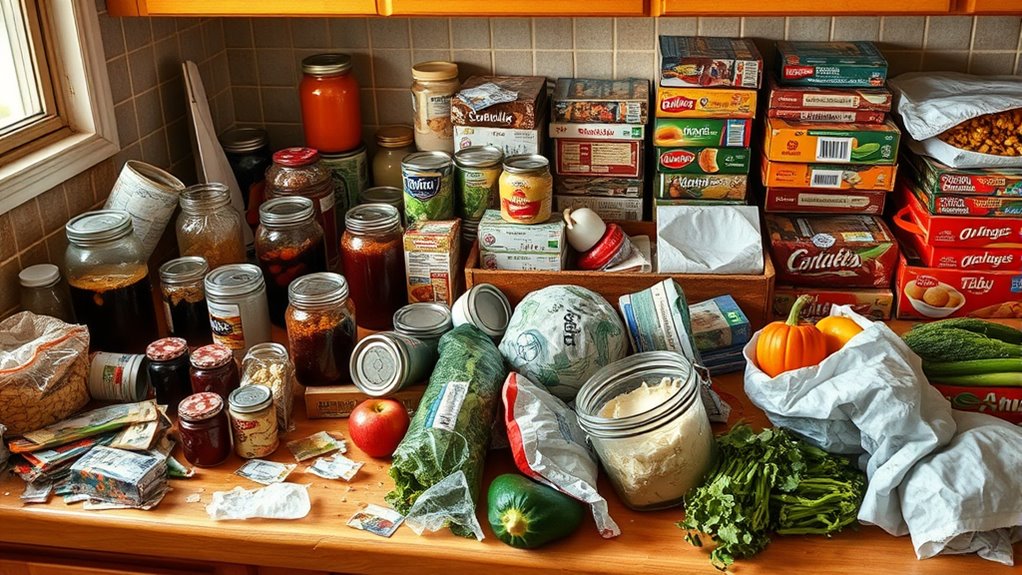

After a disaster, check your fridge and freezer temperatures; discard perishable foods that have been above 40°F for more than two hours or show signs of spoilage. Inspect canned goods for bulges, dents, or leaks before opening, and avoid using damaged cans. For dry foods, look for pests, mold, or moisture. If in doubt about an item’s safety, it’s best to toss it. To learn more tips, keep exploring how to keep your food safe after a disaster.

Get emergency and outdoor gear delivered free — and shop member deals
- Fast, free delivery on millions of items
- Access to Prime Big Deal Days deals on October 6–7
- Prime Video, Amazon Music and more included
Key Takeaways
- Discard perishable foods above 40°F after 2 hours or if the power outage exceeds 4 hours.
- Check for off odors, discoloration, or slimy textures before consuming food.
- Inspect canned goods for bulging, dents, or leaks; avoid damaged or compromised cans.
- Discard foods from cracked or leaking containers and those showing signs of spoilage or pests.
- When in doubt, throw away questionable items to prevent foodborne illness.
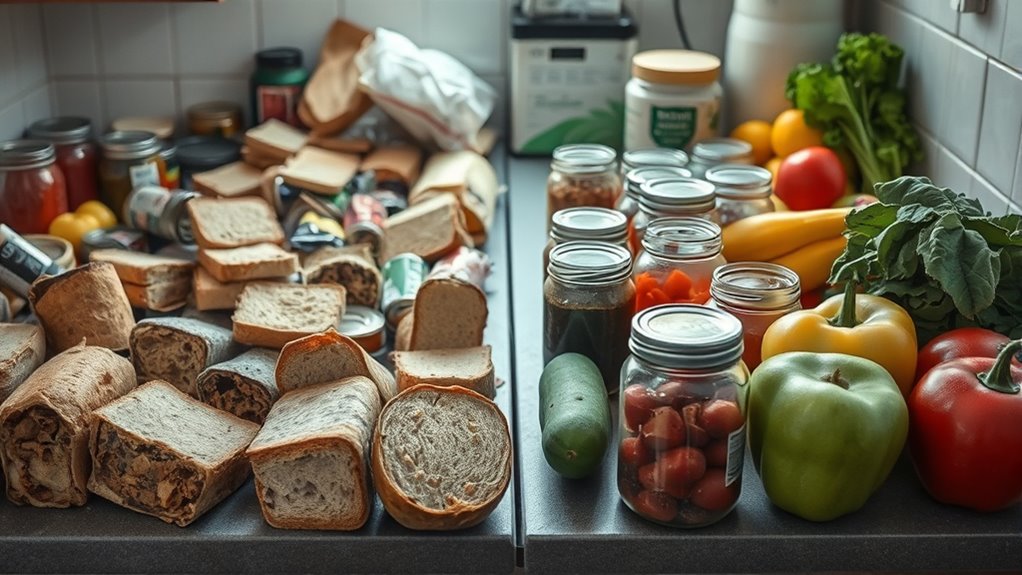
After a disaster, ensuring your food is safe to eat becomes a top priority. You need to carefully assess what’s still good and what’s a health risk. First, check the temperature of your refrigerator and freezer. If the power has been out for more than four hours, perishable foods like dairy, meat, seafood, and leftovers may no longer be safe. When in doubt, remember the rule: if food has been above 40°F (4°C) for more than two hours, it’s safer to toss it. Use a thermometer to verify the temperature if possible.
After a disaster, check refrigerator temperatures; discard perishable foods above 40°F after two hours.
Open the refrigerator or freezer door as little as possible to maintain cold temperatures. If you find food that’s still cold or frozen, it might be okay, but use your senses to decide. Look for ice crystals or a solid, frozen state. If food has partially thawed but still has ice crystals or is very cold, you might cook and eat it promptly. However, if it’s completely thawed and warm, discard it. Smell is also a good indicator—if anything smells sour, rancid, or off, don’t take the risk. Similarly, look for any discoloration, mold, or slimy textures, which suggest spoilage.
Canned goods are generally safe to keep if the cans are intact and haven’t been bulging, dented, or leaking. Do a visual inspection before opening. If a can is damaged, bacteria like Clostridium botulinum could have developed, and consuming such food can cause serious illness. Once opened, check for unusual odors or colors. If anything seems off, discard it.
Dry goods such as rice, pasta, and canned foods tend to be more resilient, but you still need to inspect them. Toss any food that shows signs of pests, moisture, or mold. Moisture can promote bacteria and mold growth, making food unsafe. Also, avoid eating food from containers that are cracked or leaking, as contamination is likely. Regularly check the shelf life of stored foods to ensure freshness and safety.
When in doubt, the safest choice is to throw it out. It’s better to waste some food than risk a foodborne illness. Keep a list of what you discard for future reference and to prevent reuse of compromised items. Remember, your health comes first. Properly cleaning surfaces and storage areas after a disaster is equally important to prevent cross-contamination. Handling food with care and attention now helps ensure you and your family stay safe and healthy during recovery.
Frequently Asked Questions
How Can I Identify Spoiled Canned Goods?
You can identify spoiled canned goods by checking for bulging lids, leaks, or dents. If the can is swollen, it indicates gas produced by bacteria, which is unsafe. Also, look for foul odors, discoloration, or a strange, off-putting taste when opening. If the can spurts liquid or foam, discard it immediately. Trust your senses—if something seems off, it’s best to err on the side of caution and toss it.
Is It Safe to Refreeze Thawed Food?
Yes, it’s generally safe to refreeze thawed food if it still has ice crystals or is at 40°F or below. You should not refreeze food that has been left out at room temperature for more than two hours or shows signs of spoilage, like bad odor or sliminess. When in doubt, it’s safer to discard questionable items to prevent foodborne illness. Always prioritize safety over waste.
What Are the Signs of Contaminated Water?
Imagine you’re pouring a glass of water, only to notice a strange color or smell—it’s a red flag. Contaminated water shows signs like a foul odor, unusual color, cloudiness, or floating debris. It may also cause stomach upset if consumed. If you notice these signs, avoid drinking or using it for cooking. Always test your water or get it checked if you’re unsure to protect your health.
How Long Can Food Be Stored Safely After a Power Outage?
You can typically keep refrigerated food safe for up to 4 hours without power. If the outage lasts longer, discard perishable items like meat, dairy, and leftovers, as bacteria can grow quickly. Keep a thermometer in your fridge to monitor temperature; if it rises above 40°F for more than 2 hours, it’s best to toss the food. When in doubt, always prioritize safety over saving food.
Are There Specific Foods to Avoid After a Flood?
Think of floodwaters as a siren calling danger; avoid foods like canned goods with bulging or damaged seals, fresh produce that’s been submerged, or dairy and meats that sit at unsafe temperatures. These items can harbor bacteria or toxins. Instead, focus on sealed, non-perishable foods and bottled water. When in doubt, discard questionable items to prevent illness. Your safety depends on choosing the right foods after a flood.
Conclusion
After a disaster, remember that about 40% of foodborne illnesses come from improperly stored or contaminated food. By keeping perishable items cold, discarding questionable foods, and cleaning your supplies, you can markedly reduce your risk. Staying vigilant with food safety isn’t just smart—it’s essential for your health. When in doubt, throw it out. Protect yourself and your loved ones by making safe choices, and you’ll navigate recovery with confidence.
Fall Picks
fall essentials
As an affiliate, we earn on qualifying purchases.