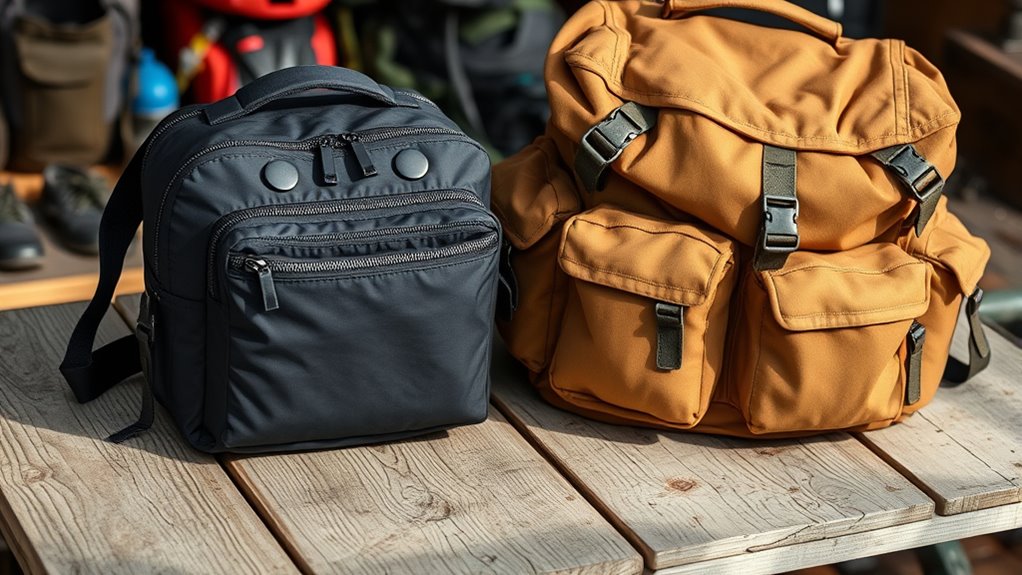

A go-kit is perfect when you’re preparing for a quick evacuation, containing essential supplies like water, snacks, and first aid for immediate survival. A stay-kit, on the other hand, is designed for longer periods at a fixed location, with extra clothing, sanitation items, and entertainment to support extended sheltering. Knowing the difference helps you build the right bag for your needs. Keep exploring to discover more tips on customizing each kit for any scenario.

Get emergency and outdoor gear delivered free — and shop member deals
- Fast, free delivery on millions of items
- Access to Prime Big Deal Days deals on October 6–7
- Prime Video, Amazon Music and more included
Key Takeaways
- Go-kits are lightweight, quick-evacuation bags with essentials for immediate survival; stay-kits are larger, for extended sheltering needs.
- Choose a go-kit for short-term emergencies like earthquakes, hurricanes, or sudden evacuations; opt for a stay-kit during prolonged shelter-in-place scenarios.
- Go-kits prioritize portability with minimal supplies, focusing on water, snacks, and first aid; stay-kits include clothing, sanitation, and entertainment for longer stays.
- Build a go-kit for rapid deployment within minutes; assemble a stay-kit for days or weeks of sustained sheltering at a fixed location.
- Proper planning and training ensure the right kit is used effectively for its intended situation and environment.
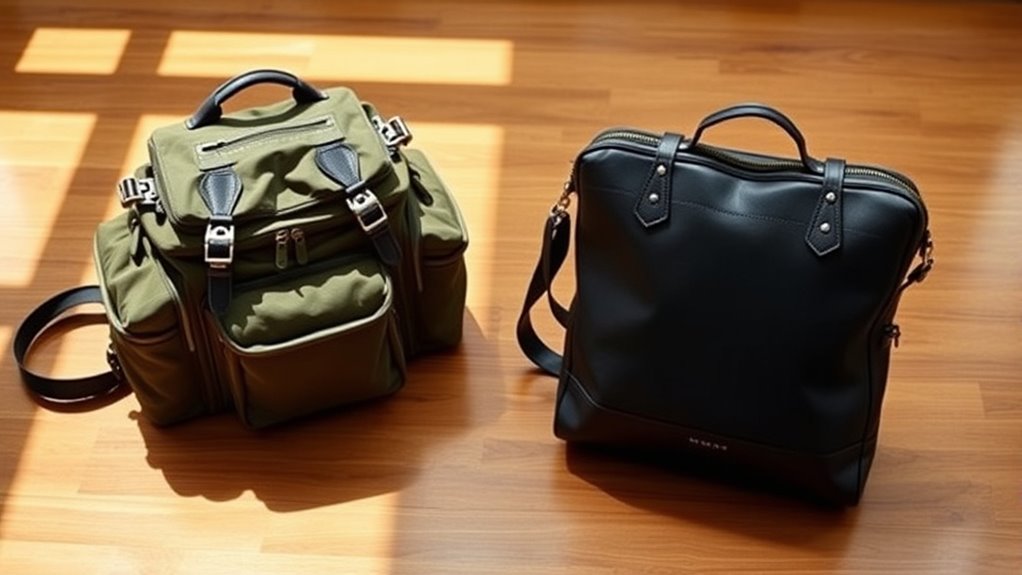
When choosing between a go-kit and a stay-kit, understanding their differences can help you prepare effectively for emergencies. A go-kit is designed for quick evacuation and mobility. It contains essential supplies you can grab and go at a moment’s notice, perfect for situations where staying put isn’t an option. Think of it as your emergency grab-bag, packed with items you’ll need if you have to leave your home or workplace suddenly. These kits typically include water, non-perishable snacks, essential medications, basic first aid supplies, a flashlight, batteries, cash, and copies of important documents. The goal is to ensure you can sustain yourself for at least 72 hours while moving to a safer location.
In contrast, a stay-kit is meant for a longer stay at one location, such as your home or shelter. It’s more thorough, focusing on comfort, safety, and self-sufficiency during an extended period of being confined. You’ll want to include additional supplies like extra clothing, blankets, sanitation items, cooking tools, and more substantial food and water reserves. A stay-kit might also have items for entertainment or communication, like books, board games, or a battery-powered radio. It’s about creating a self-contained environment that can sustain you and your family for days or even weeks if necessary. Because you’ll likely be stationary, you can afford to carry more, so your kit becomes larger and more detailed.
A stay-kit provides comfort and supplies for extended, self-sufficient shelter stays.
Understanding the purpose of each kit helps you decide what to pack. If you’re preparing for natural disasters like earthquakes or hurricanes that might force quick evacuation, a go-kit is essential. It ensures you have everything you need to leave swiftly and survive temporarily elsewhere. Conversely, if your region is prone to power outages or prolonged shelter-in-place scenarios, a stay-kit becomes more relevant. It provides comfort and supplies to weather the storm from the safety of your home.
You need to take into account your environment, potential risks, and personal needs when building either kit. For instance, if you or family members have specific medical conditions, include necessary medications and equipment. If you live in an area prone to extended outages, stockpile additional food and water. Remember, your goal is to be prepared without overpacking. Keep your go-kit lightweight and accessible, and your stay-kit well-stocked but manageable in size. Proper planning can also include training and drills to ensure everyone knows how to access and use each kit effectively. By understanding these differences and planning accordingly, you’ll be better equipped to handle emergencies confidently and calmly, no matter the situation.
As an affiliate, we earn on qualifying purchases.
Frequently Asked Questions
How Do I Choose Between a Go-Kit and a Stay-Kit?
You should choose a go-kit if you want a portable, ready-to-go emergency bag you can grab quickly in any situation. Opt for a stay-kit if you prefer a collection of supplies kept at home for longer-term needs or planned events. Consider your lifestyle and needs—if you move often or prioritize mobility, a go-kit’s the way to go. For stationary, long-term preparedness, a stay-kit works best.
What Materials Are Best for Durable Travel Kits?
If you’re after durability, go for nylon or polyester—they’re like the superhero capes of travel materials, resisting tears and water with flair. Leather, while classy, can be less forgiving when you toss it around. Ripstop fabrics are like the tough kids on the block, offering extra resistance. Remember, choose sturdy zippers and reinforced seams too—because the last thing you want is your kit falling apart mid-adventure.
Can I Customize My Go-Kit or Stay-Kit?
Yes, you can customize both your go-kit and stay-kit to suit your needs. Many bags offer modular compartments, removable pouches, and adjustable straps, allowing you to tailor the setup. You can add or remove items, choose different organizational inserts, or select specific materials for durability or style. Customizing guarantees your kit fits your lifestyle and preferences, making it more functional and personalized for every adventure or stay.
How Do I Maintain and Clean My Travel Bags?
You can keep your travel bags in pristine condition by regularly wiping them with a damp cloth and using mild soap for stubborn stains. For deep cleaning, unzip and empty all compartments, then vacuum out dirt and debris. Avoid harsh chemicals that could damage fabric or leather. Let your bag air dry completely before packing. This simple routine guarantees your bag stays fresh, durable, and ready for your next adventure!
Are There Eco-Friendly Options for These Kits?
Yes, eco-friendly options are available for your travel kits. You can choose bags made from sustainable materials like recycled fabrics, organic cotton, or biodegradable plastics. Look for brands that prioritize eco-conscious manufacturing and fair trade practices. Opt for reusable containers and eco-friendly toiletries to reduce waste. By selecting environmentally responsible products, you help minimize your carbon footprint while staying organized and prepared for your trips.
Conclusion
Whether you choose a go-kit or a stay-kit, remember it’s about preparedness, purpose, and peace of mind. A go-kit keeps you ready for the unexpected, while a stay-kit guarantees comfort during the calm. Both serve your needs, both protect your future, both empower your day. So pick what suits your life, pack it with intention, and face each day with confidence. Because when you’re prepared, you’re unstoppable, you’re secure, you’re truly ready for whatever comes next.
Fall Picks
fall essentials
As an affiliate, we earn on qualifying purchases.