TL;DR

Get emergency and outdoor gear delivered free with Prime
- Fast, free delivery on millions of items
- Prime Video, Amazon Music and more included
- Member-only deals all year
The UK government is set to recommend that citizens store water and tinned food to prepare for potential emergencies. This advice aims to improve household resilience amid ongoing concerns about supply disruptions and natural disasters.
The UK government is preparing to advise citizens to stockpile water and tinned food as a measure to enhance household resilience against emergencies, including natural disasters and supply chain disruptions. This guidance, still in development, aims to encourage preparedness at the individual and community levels amid rising concerns about potential crises.
According to sources familiar with the matter, the upcoming advice will recommend that households store sufficient supplies of water and non-perishable food to last several days or weeks. The guidance is part of broader emergency preparedness efforts, which officials say are motivated by recent global supply chain issues, extreme weather events, and geopolitical tensions that could impact food and water availability.
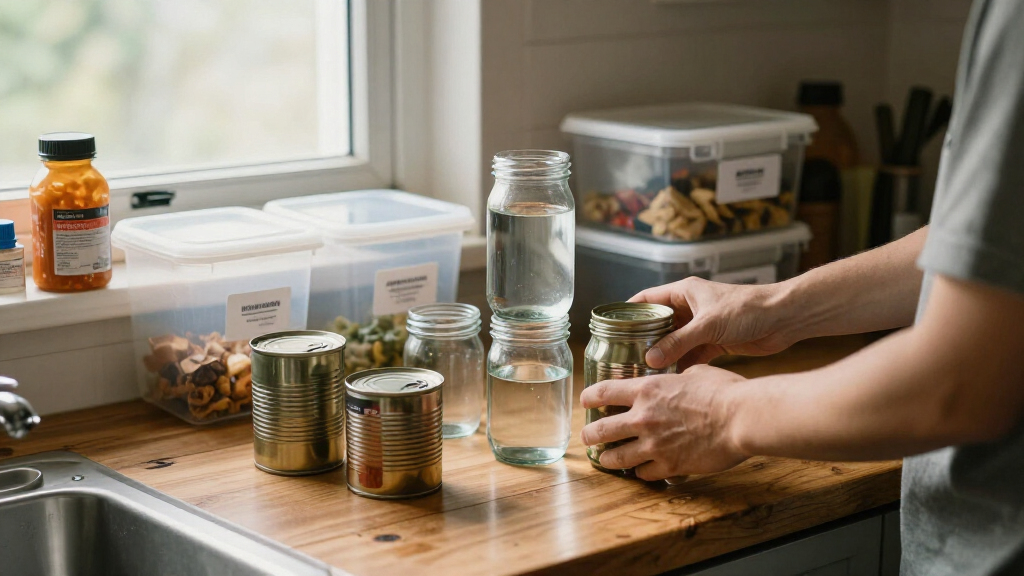
Officials have indicated that the advice will be tailored for all households, emphasizing practical steps such as storing at least three days’ worth of water per person and keeping a supply of canned or dried foods that do not require refrigeration or complex cooking methods. The guidance is expected to include tips on proper storage, rotation of supplies, and safety precautions to prevent spoilage or contamination.
While the details are still being finalized, government officials have stated that this initiative aims to empower citizens to be more self-reliant during emergencies. The advice will be communicated through official channels, including public information campaigns, local authorities, and online resources.
Why UK Emergency Preparedness Advice Matters Now
This move signals a shift towards encouraging individual and household resilience amid ongoing concerns over potential disruptions. With recent global events highlighting vulnerabilities in supply chains and infrastructure, the advice to store water and canned food aims to reduce panic and ensure households can sustain themselves during crises. It also reflects a broader trend of governments emphasizing personal preparedness as part of national security and disaster response strategies.
For citizens, this guidance could lead to increased household stockpiles, which may influence local supply levels temporarily. It underscores the importance of proactive planning, especially as climate change and geopolitical conflicts continue to threaten stability. The initiative may also serve to reduce pressure on emergency services during crises by encouraging self-sufficiency.
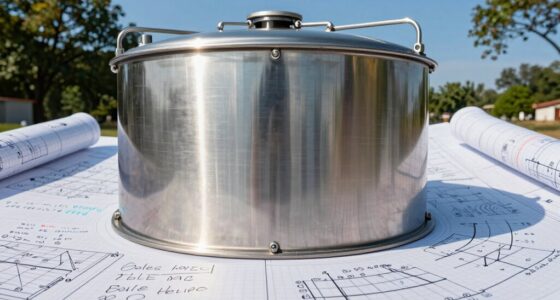
emergency water storage containers
As an affiliate, we earn on qualifying purchases.
As an affiliate, we earn on qualifying purchases.
Recent Trends in UK Emergency Preparedness Planning
The UK government has periodically issued emergency preparedness advice, but recent developments have heightened focus on household resilience. In 2021, officials emphasized the importance of emergency kits and communication plans, but the upcoming guidance on water and food storage marks a more specific step toward individual readiness.
This initiative aligns with similar programs in other countries, where governments have promoted stockpiling essentials in response to natural disasters, pandemics, or geopolitical tensions. The current push follows disruptions caused by the COVID-19 pandemic, recent flooding events, and concerns over energy security, which have all underscored vulnerabilities in supply chains and infrastructure.
While the UK has historically maintained strategic reserves, the emphasis on personal stockpiling is a new element intended to complement national resources and reduce reliance on external supply chains during emergencies.
Details of the Official Guidance Still Unconfirmed
While the government has announced plans to issue advice on storing water and tinned food, specific details—including the recommended quantities, storage methods, and distribution channels—have not yet been publicly disclosed. It remains unclear if the guidance will be mandatory or voluntary, or how it will be communicated to different communities.
Additionally, the timing of the official rollout is still uncertain, with sources indicating it could be announced within the next few weeks, but no firm date has been confirmed. Experts warn that the effectiveness of such advice depends on clear communication and public understanding, which are still being developed.
Next Steps for Public Emergency Preparedness Advice
The government is expected to finalize and publicly announce the detailed guidance within the coming weeks, likely through a national campaign and local authority channels. Citizens are advised to stay informed via official government websites and local authorities for updates.
Authorities may also organize informational sessions or distribute printed materials to help households implement the recommendations effectively. The initiative could be followed by periodic reviews and updates based on feedback and evolving risks.
Experts recommend that households begin assessing their current supplies and consider gradual stockpiling of water and canned foods, following the forthcoming official advice to ensure readiness without causing panic or supply shortages.
Key Questions
How much water should I store for emergencies?
Official guidance typically recommends storing at least 3 days’ worth of water per person, which equates to about 1 gallon (4 liters) per person per day. However, details are still being finalized, so check the latest government advice.
What types of canned food are recommended?
Non-perishable items such as canned vegetables, fruits, meats, and soups are recommended. Choose options with long shelf lives, minimal added ingredients, and ensure you have a manual can opener available.
Do I need special storage conditions?
Store supplies in a cool, dry place away from direct sunlight. Use airtight containers for water to prevent contamination, and rotate supplies regularly to keep them fresh.
Is this advice mandatory for all households?
Currently, the guidance is expected to be voluntary, aimed at encouraging preparedness rather than enforcing compliance. Details will be clarified upon official announcement.
Will there be government support or resources available?
Yes, the government plans to provide informational resources, including online guides and community sessions, to help households implement the recommendations effectively.
Source: google-trends
Columbus Day / Indigenous Peoples' Day Picks
long weekend sales
As an affiliate, we earn on qualifying purchases.