

Expecting rescue techs to be infallible or to have instant solutions is unfair and can be dangerous. While their training provides valuable skills, emergencies are unpredictable and complex, making perfection unrealistic. Equipment helps but isn’t foolproof, and overreliance can cause complacency. Recognizing these limitations and understanding that mistakes happen promotes safer, more responsible rescue efforts. If you want to learn how managing expectations improves safety, keep exploring these key points.
Key Takeaways
- Rescue techs are skilled support professionals, not infallible experts capable of instant solutions.
- Equipment aids efforts but has limitations; overreliance can lead to complacency and risks.
- Expecting flawless performance ignores the unpredictable nature of emergencies and human fatigue.
- Perceptions of infallibility can cause burnout and underestimating hazards, impacting safety.
- Responsible rescue emphasizes proper training, teamwork, and safety over unrealistic expectations of perfection.
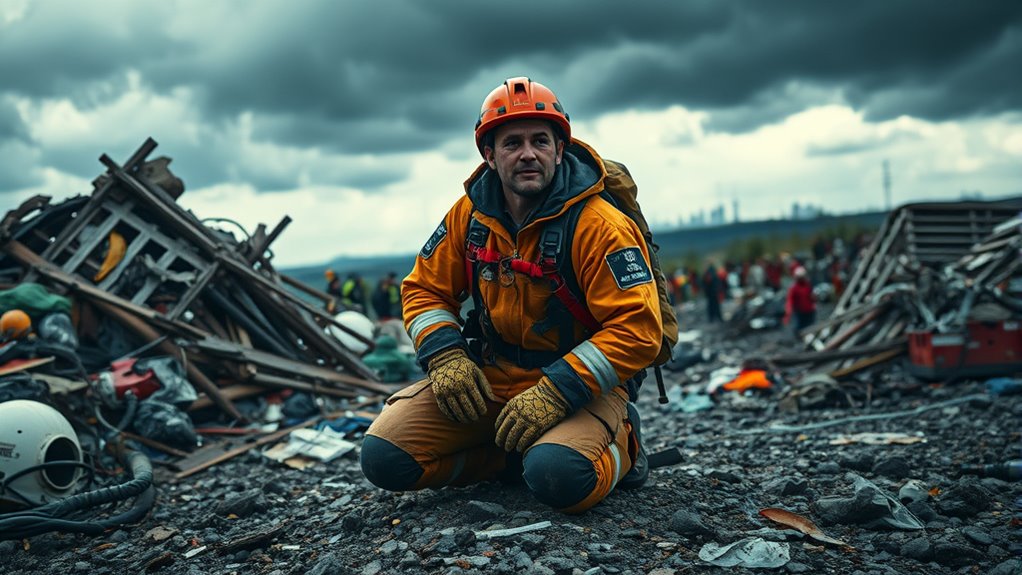
Rescue techs are expected to be highly skilled, adaptable, and ready to respond quickly in high-pressure situations. These expectations can sometimes create false or excessive demands that overlook the realities of the job. While rescue tech training is rigorous and essential, it doesn’t make you infallible or capable of handling every rescue situation flawlessly. People often assume that once you’ve completed training, you’re equipped to manage any rescue scenario without hesitation. However, rescue tech training provides foundational knowledge and skills, but real-world emergencies are unpredictable and complex. Overestimating your capabilities or the capabilities of rescue tech equipment can lead to dangerous decisions. It’s important to recognize that your skills and tools are meant to assist, not replace, careful judgment and teamwork.
Many folks believe that rescue tech equipment is foolproof, which isn’t accurate. Equipment is designed to aid your efforts, but it has limitations. It requires proper maintenance, correct usage, and understanding of its capabilities. Overreliance on rescue tech equipment can cause complacency, making you less vigilant or adaptable in the field. Similarly, people sometimes expect rescue techs to have instant solutions for every challenge, overlooking the importance of ongoing rescue tech training. Continuous education and practice are necessary to keep your skills sharp and your knowledge current. Overestimating your proficiency or the adequacy of your equipment can result in risky shortcuts or poor decisions during critical moments.
Furthermore, the perception that rescue techs operate perfectly under pressure is misleading. Even highly trained professionals can experience stress and fatigue, which impact decision-making and performance. Expectations that you’ll always perform flawlessly can add unnecessary pressure and lead to burnout or mistakes. It’s vital to accept that rescue operations are inherently unpredictable, and perfection isn’t always achievable. Instead, focus on preparation, teamwork, and continuous learning. Recognize your limits, seek ongoing rescue tech training, and stay updated on new rescue tech equipment. This mindset helps manage expectations realistically and enhances safety for both rescue techs and those you’re helping.
In essence, managing expectations involves understanding that rescue tech training and equipment are critical tools but not guarantees of success. No rescue operation is without risk, and no tech is infallible. By staying humble, committed to learning, and aware of your limitations, you can perform your duties more effectively and safely. Remember, rescue work is about saving lives, but it’s equally about doing so responsibly, with the right skills, equipment, and mindset. Having a strong foundation in quality assurance principles can also improve safety and effectiveness during rescue operations by ensuring protocols and equipment are properly maintained and tested.
Frequently Asked Questions
How Do Rescue Techs Handle High-Pressure Situations Effectively?
You handle high-pressure situations effectively by relying on your training and experience, which prepare you for challenges. You stay focused, prioritize tasks, and communicate clearly with your team. Managing public perception is key—by demonstrating professionalism and competence, you build trust. When faced with training challenges, you continue learning, adapt, and maintain composure, ensuring you can respond swiftly and efficiently, even under intense pressure.
What Qualifications Are Required to Become a Rescue Tech?
You need the right qualifications to become a rescue tech. First, complete specialized training certifications like CPR, first aid, and technical rescue courses. You should also meet physical requirements, such as strength, stamina, and agility, to handle challenging rescue scenarios. It’s a demanding but rewarding path that requires dedication and proper preparation, ensuring you’re ready when it matters most. Coincidentally, many rescue techs find their calling through personal experiences with emergencies.
How Do Rescue Techs Manage Emotional Stress After Emergencies?
You manage emotional stress after emergencies by building emotional resilience and practicing stress management techniques. You might talk with colleagues, seek counseling, or take time for self-care to process your experiences. Breathing exercises, mindfulness, and physical activity help you stay balanced. Recognizing your limits and maintaining a strong support network are essential. By prioritizing these strategies, you can better handle the emotional toll rescue work takes on you.
What Are Common Misconceptions About Rescue Tech Responsibilities?
You often hear that rescue techs are responsible for handling all aspects of emergencies, but that’s a misconception. In reality, your role focuses on using costly equipment efficiently to ensure public safety. You’re not expected to do everything alone; teamwork and proper training are key. Recognizing these misconceptions helps you stay realistic about your responsibilities, preventing burnout and emphasizing the importance of collaboration in high-stakes rescue operations.
How Do Rescue Techs Coordinate With Other Emergency Services?
Like a conductor leading an orchestra, you coordinate with other emergency services through clear team communication and resource allocation. You stay in constant contact, sharing essential information quickly and efficiently to guarantee everyone’s efforts align. You understand each agency’s role, adapting your actions to support theirs, which maximizes impact. By maintaining this seamless coordination, you help create a unified response, ultimately saving more lives and reducing chaos during emergencies.
Conclusion
Remember, rescue techs are the steady lighthouse guiding ships through stormy seas, not the magical fairy godmothers transforming every distress into instant relief. Expecting perfection sets you up for disappointment, obscuring their true value. By understanding their real role, you see their efforts as a beacon of hope, not a miracle. Keep your perspective clear—appreciate their work, and avoid the shadow of false expectations that can dim their genuine light.