As someone involved in media, you must prioritize accurate, responsible reporting to prevent unnecessary panic during crises. Verify facts carefully, cross-check sources, and avoid sensational headlines that exaggerate risks. Focus on balanced, clear information to build public trust and avoid spreading misinformation. Responsible communication helps maintain societal stability and reduces fear. If you’re interested, there’s more to learn about how responsible reporting can protect communities and uphold credibility in challenging times.
Key Takeaways
- Verify all information thoroughly before publication to prevent spreading misinformation that could cause panic.
- Use balanced, factual language to inform the public without sensationalism or exaggeration.
- Consult experts and reputable sources to ensure accuracy and credibility of reported facts.
- Avoid graphic or alarming descriptions unless essential, maintaining a calm, transparent communication style.
- Prioritize responsible reporting to foster trust, reduce fear, and support societal resilience during crises.

In today’s fast-paced information landscape, media outlets hold significant power to shape public perception and influence societal norms. With this power comes a responsibility to deliver accurate, reliable information, especially during times of crisis. When reporting on urgent topics, ensuring fact checking accuracy becomes essential. You need to verify every detail before sharing it with the public, understanding that misinformation—even if unintentional—can lead to confusion, panic, or worse. Rushing to publish sensational stories without proper verification can cause more harm than good, fueling unnecessary anxiety and chaos. Instead, take the time to cross-check sources, consult experts, and confirm facts from reputable outlets. This diligence not only preserves your credibility but also helps maintain public trust during critical moments. Proper application timing of information release can also influence public response and understanding. Avoiding sensationalism is equally important. When news stories are exaggerated or sensationalized, they tend to grab attention at the expense of truth. While it’s tempting to use dramatic headlines to increase readership or viewership, doing so can distort reality and escalate fears unnecessarily. You should focus on delivering balanced, factual reporting that highlights the severity of the situation without resorting to hyperbole. This approach encourages rational understanding rather than panic-driven reactions. By sticking to the facts and resisting the urge to sensationalize, you foster a more informed and calm public response, which is especially significant when disaster or emergencies unfold. Furthermore, your responsibility extends beyond just the accuracy of the information you share. You must also consider the potential impact of your reporting on those affected by crises. Sensationalism avoidance involves choosing language carefully, avoiding graphic or alarming descriptions that could traumatize or mislead audiences. Instead, aim for transparency and clarity, providing the essential facts without inflaming emotions. When you do this consistently, you create a media environment that promotes trust, reduces fear, and supports societal resilience.

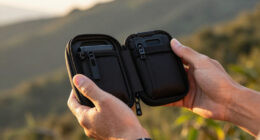
Survival Kit, 262Pcs Survival Gear and Supplies with First Aid Kit Pouch and Crossbody Bag, Emergency Kit with Tent, Camping Axe Hammer, Survival Shovel w/Pick, Bug Out Bag Gifts for Men Women
- Family Emergency Preparedness: Designed for 72-hour disaster survival
- First Aid Supplies: Includes comprehensive first aid kit in red pouch
- Survival Gear Included: Contains tools for food, water, warmth, and light
As an affiliate, we earn on qualifying purchases.
Frequently Asked Questions
How Do Media Outlets Verify Disaster Information Before Reporting?
You should verify disaster information by checking multiple sources, ensuring they are credible and authoritative. Use source verification to confirm facts and avoid spreading false rumors. Cross-reference reports with official agencies, such as emergency services or government statements. Avoid jumping to conclusions based on unverified social media posts. By practicing rumor control and verifying details carefully, you help prevent panic and provide accurate, responsible coverage during crises.
What Are the Legal Consequences of Spreading False Disaster News?
Oh, so you want to turn into a disaster news villain? Well, beware! Spreading false disaster news can lead to serious legal liabilities, and you could be liable for damages caused by your irresponsible reporting. Courts take liable reporting seriously, and you might face lawsuits, fines, or even criminal charges. So, think twice before sharing sensational stories—your reputation and legal standing depend on responsible journalism.
How Can Audiences Identify Responsible Media Coverage During Crises?
You can identify responsible media coverage during crises by looking for sources that use fact-checking methods to verify information before publishing. Ethical journalism prioritizes accuracy, transparency, and avoiding sensationalism. Trust outlets that cite credible experts and official reports, and be wary of stories that lack evidence or create unnecessary panic. By staying critical and checking multiple sources, you make certain you’re consuming responsible coverage that helps rather than harms during emergencies.
What Role Do Government Agencies Play in Media Disaster Reporting?
Government agencies act as the compass guiding media disaster reporting, guaranteeing accuracy and responsibility. They provide official guidelines that media outlets follow, helping prevent misinformation and panic. By holding media accountable, agencies ensure coverage remains factual and calm, like a steady hand on a ship in stormy seas. Your role is to recognize when media aligns with these guidelines, trusting reports that prioritize safety and clarity over sensationalism.
How Does Sensationalism Impact Public Response to Disasters?
Sensationalism effects your perception of disasters by amplifying fear and urgency, which can heighten public anxiety. When media outlets focus on dramatic or shocking details, you might overreact or panic, even when the actual threat is manageable. This unnecessary fear can lead to chaos, misinformation, or complacency. To stay informed without fueling panic, it is crucial to seek balanced reporting and avoid sensationalized headlines that distort the true severity of events.
Conclusion
Remember, as a reader, your response to media reports shapes public reaction. Studies show that sensational headlines can increase panic by up to 60%. So, always verify information before reacting or sharing. By staying calm and questioning headlines, you help prevent unnecessary chaos. Your responsible media consumption can make a difference—avoid spreading fear and instead promote informed, rational responses. Together, we can foster a more accurate and balanced public understanding in times of crisis.