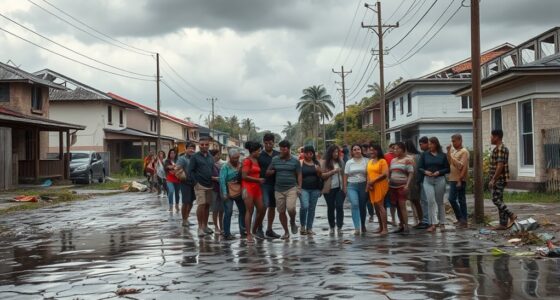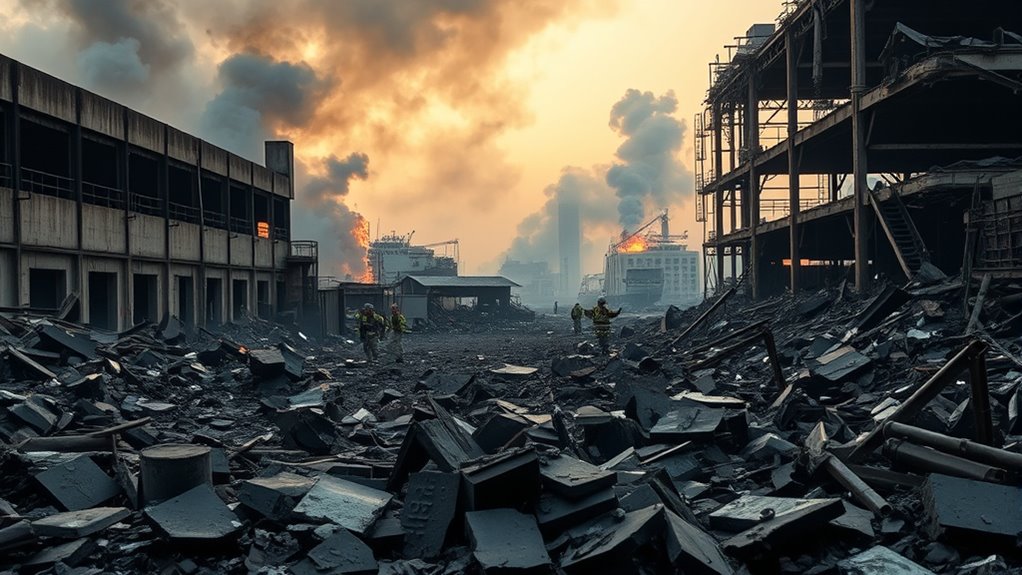

The 2020 Beirut port explosion revealed serious gaps in urban hazard management, showing how vulnerable infrastructure and unprepared emergency plans can lead to disaster. To improve city resilience, you need to focus on strengthening infrastructure, developing clear response strategies, and fostering community engagement. Effective hazard mitigation relies on ongoing planning, resource allocation, and learning from past incidents. Continuing to explore these topics will help you understand how cities can better protect themselves from future crises.

Get emergency and outdoor gear delivered free — and shop member deals
- Fast, free delivery on millions of items
- Access to Prime Big Deal Days deals on October 6–7
- Prime Video, Amazon Music and more included
Key Takeaways
- The explosion revealed critical gaps in Beirut’s urban resilience and emergency preparedness strategies.
- It underscored the need for proactive infrastructure upgrades and risk-informed urban planning.
- The event highlighted importance of effective communication and community engagement in hazard management.
- Lessons from Beirut emphasize continuous training, drills, and technological integration for rapid response.
- Enhancing urban hazard management requires ongoing investment, adaptive strategies, and global knowledge sharing.
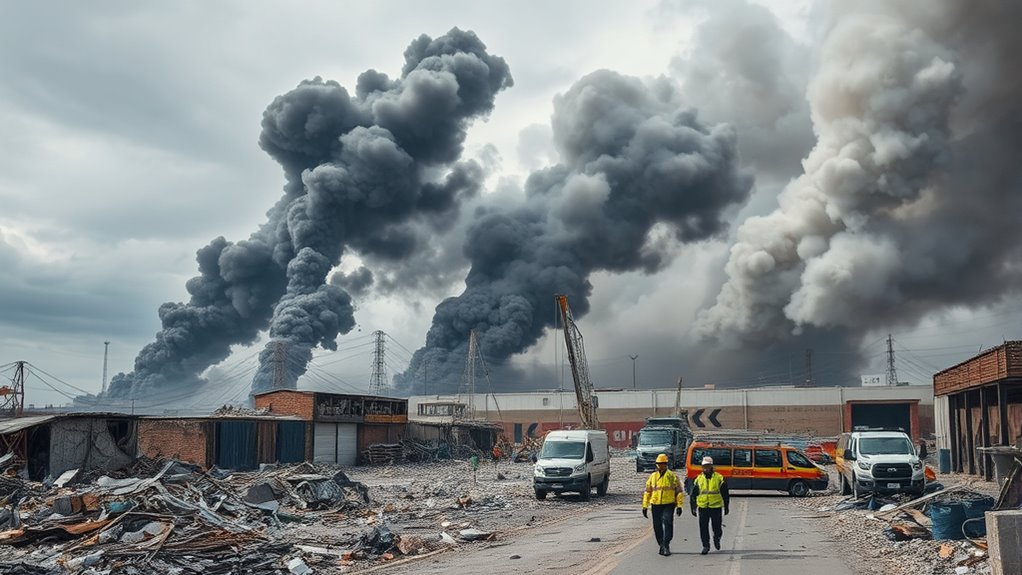
On August 4, 2020, a massive explosion rocked Beirut Port, causing widespread destruction and loss of life. In the aftermath, it became clear how critical urban resilience and emergency preparedness are in managing such disasters. As someone witnessing the chaos, you realize that cities like Beirut must have systems in place that can withstand shocks and respond swiftly to crises. Urban resilience isn’t just about bouncing back; it’s about developing a city’s capacity to absorb and adapt to shocks, reducing vulnerability and ensuring essential functions continue despite disasters. The explosion exposed the gaps in Beirut’s emergency preparedness, showing how unready the city was to handle such an unprecedented event. Emergency preparedness involves more than just having plans; it requires ongoing training, clear communication channels, and community engagement. When the blast occurred, many residents and responders scrambled to understand what was happening and how to stay safe. Had there been effective emergency plans, the response could’ve been swifter and more organized, saving more lives and reducing injuries. Moreover, integrating technology and data into emergency response strategies can significantly enhance coordination and effectiveness during crises. You see that urban resilience depends heavily on proactive measures, including infrastructure reinforcement, strategic planning, and resource allocation. For Beirut, strengthening these elements could mean the difference between a city overwhelmed by disaster and one that recovers quickly. Emergency preparedness needs to be ingrained in the city’s fabric, ensuring that everyone, from government officials to ordinary citizens, knows their roles and responsibilities during crises. It’s about creating a culture of readiness, where drills, community awareness, and contingency plans are routine. The explosion revealed how fragile urban systems can be when they lack these layers of protection, emphasizing that resilience isn’t an afterthought but a core aspect of urban planning. You can see that improving urban resilience and emergency preparedness isn’t just a local issue; it’s a global necessity. Every city faces risks, whether from industrial accidents, natural disasters, or other hazards. The key lies in learning from Beirut’s experience and investing in robust systems that can adapt and respond efficiently. Building resilience involves integrating risk assessments into city development, upgrading infrastructure, and fostering a community mindset geared toward safety. Emergency preparedness should be a continuous process, not a one-time event, ensuring that when disaster strikes again, the city can respond effectively, minimizing damage and safeguarding lives. The Beirut explosion serves as a stark reminder that investing in these areas isn’t optional but essential for urban survival and resilience in an unpredictable world.
urban hazard management emergency kit
As an affiliate, we earn on qualifying purchases.
As an affiliate, we earn on qualifying purchases.
Frequently Asked Questions
What Were the Immediate Government Responses Post-Explosion?
You see that, immediately after the explosion, the government swiftly initiated emergency evacuation efforts to protect affected residents. They also prioritized public communication, providing updates and safety instructions through various channels to keep citizens informed and calm. These actions aimed to manage the crisis effectively, contain damage, and guarantee community safety amid the chaos. Your understanding highlights the importance of rapid response and clear communication during urban hazards.
How Did the Explosion Impact Beirut’s Urban Infrastructure Long-Term?
You see Beirut’s urban landscape forever changed, scars etched into its skyline and streets. The explosion weakened infrastructure resilience, leading to long-term damage that hampers everyday life. Buildings, bridges, and roads require urgent repair, but the resilience of the city’s urban fabric is tested. Over time, efforts to rebuild focus on strengthening urban resilience, aiming to transform vulnerability into vitality, ensuring future hazards don’t leave such devastating marks again.
Were There Any International Aid Efforts for Urban Hazard Management?
Yes, international cooperation and aid coordination played essential roles in urban hazard management after the explosion. You’re likely to see aid agencies working closely with local authorities to plan and fund reconstruction efforts, improve infrastructure resilience, and prevent future disasters. This coordinated effort helps guarantee resources are efficiently allocated, integrating international expertise into Beirut’s urban hazard management strategies to rebuild safer, more resilient communities.
What Lessons Were Learned to Improve Future Port Safety Protocols?
You’ve learned that container safety isn’t just about stacking boxes neatly; it’s about preventing disasters. Emergency preparedness now takes center stage, with protocols that demand regular drills and risk assessments. Future port safety protocols emphasize strict regulations and better oversight, proving that ignoring safety measures is no longer an option. After all, a well-prepared port can save lives, money, and maybe even reputation—so don’t skimp on safety, or you’ll pay the price.
How Did the Explosion Influence Beirut’s Urban Planning Policies?
You see that the explosion prompted Beirut to prioritize urban resilience and implement zoning reforms. Authorities now focus on safer urban planning, reducing risks in vulnerable areas, and improving emergency response. These policies aim to prevent future disasters by strengthening infrastructure and enforcing stricter zoning laws, making the city more resilient. As a result, Beirut’s urban landscape evolves to better protect residents and ensure sustainable development amidst potential hazards.
Conclusion
You witness how reckless storage and poor planning propelled the Beirut port explosion, leaving devastation in its wake. This tragic event teaches you the importance of vigilant vigilance and vigilant hazard management. By building better barriers, bolstering safety standards, and embracing effective emergency responses, you can prevent such perilous problems from persisting. Remember, proactive precautions and prudent policies protect people, places, and possibilities—paving the path for safer, more secure urban spaces amid unforeseen threats.
Fall Picks
fall essentials
As an affiliate, we earn on qualifying purchases.