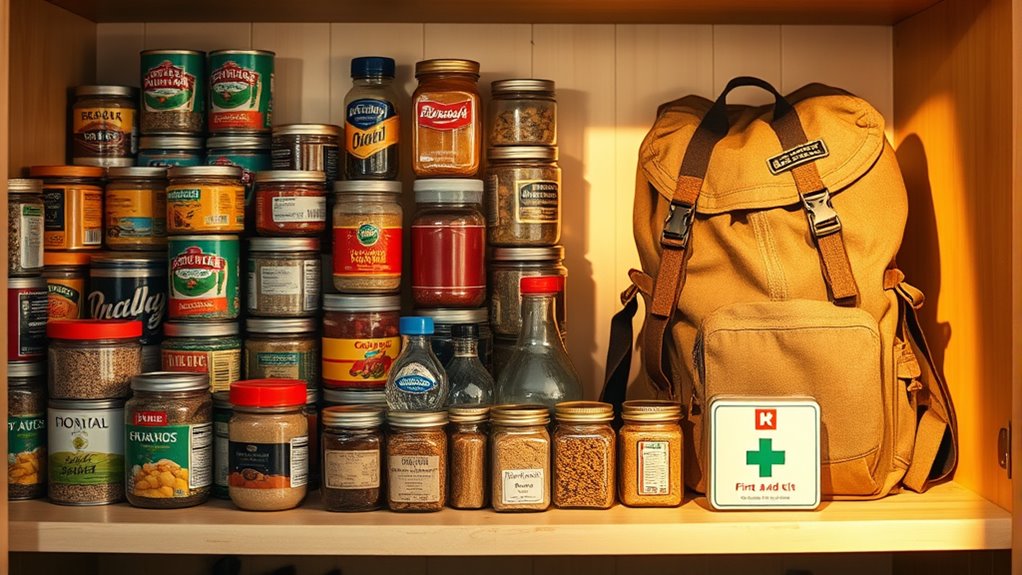
The COVID-19 pandemic revealed how fragile supply chains can be, especially for preppers who want to stay prepared. Transportation delays caused shortages of essentials like food, medicine, and household supplies, even when at the source there was plenty. Relying solely on just-in-time deliveries makes you vulnerable during crises. To stay resilient, you need backup plans, stockpiles, and local sources. Keep exploring to uncover key strategies for strengthening your preparedness against future disruptions.
Key Takeaways
- COVID-19 exposed supply chain fragility, highlighting reliance on just-in-time deliveries and global logistics.
- Transportation disruptions caused food and essential shortages, not lack of production.
- Building local supply networks and stockpiles reduces dependency on fragile logistics systems.
- Diversifying sourcing and establishing backup plans improve resilience during crises.
- Recognizing supply chain vulnerabilities enables better preparedness for future disruptions.
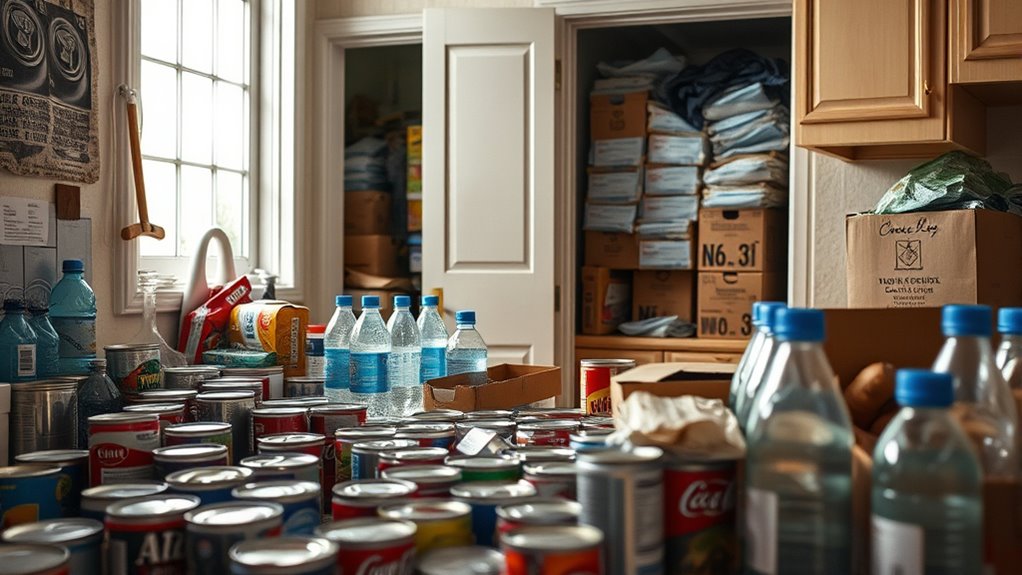
Have you ever wondered how fragile today’s supply chains truly are? The COVID-19 pandemic exposed just how vulnerable our interconnected systems can be, revealing weaknesses that many people had never considered. As stores faced empty shelves and long wait times for essential goods, it became clear that relying solely on a steady stream of deliveries isn’t enough. You might find yourself asking how disruptions in transportation and distribution channels could impact your ability to access food and everyday necessities. Understanding these vulnerabilities is key to becoming better prepared for future crises.
During the height of the pandemic, food shortages became a stark reality in many areas. Supermarkets saw limited stock on shelves, not because of a lack of food production but because of transportation delays. Trucks, ships, and planes experienced delays due to quarantine restrictions, labor shortages, and logistical challenges. These disruptions caused ripple effects across the supply chain, making it hard for providers to restock shelves quickly. For you, this means that even if food is available at the source, it might not reach your local stores on time. Relying solely on store-bought supplies can leave you vulnerable when these delays happen. Preppers learned that stockpiling essentials and diversifying sources of food can help mitigate the impact of sudden shortages caused by transportation hiccups.
Food shortages during the pandemic were caused by transportation delays, not lack of production.
Transportation delays don’t just affect food; they also impact medicine, household supplies, and other critical items. When delivery routes are disrupted, you might find yourself waiting longer for packages, prescriptions, or replacement goods. These delays highlight the importance of having a backup plan—like keeping a well-stocked emergency kit with necessary supplies. It’s also wise to develop relationships with local suppliers or farmers who can provide essentials directly, bypassing some of the fragile logistics chains. Recognizing that supply chains depend heavily on just-in-time delivery models helps you understand why shortages happen so quickly and why they can be hard to resolve once they occur. Moreover, understanding the complexity of supply chain logistics can help you make better decisions about stockpiling and sourcing.
The pandemic underscored the importance of resilience in your supply planning. It’s not enough to rely on the assumption that goods will always arrive on schedule. Instead, you should consider the possibility of prolonged disruptions and plan accordingly. Stockpiling, establishing local networks, and understanding where your essentials come from can make a big difference. By becoming aware of how transportation delays and supply chain vulnerabilities impact daily life, you can take proactive steps to ensure you’re less affected when the unexpected happens. Preparedness means recognizing these weaknesses and addressing them before a crisis hits, giving you more control over your safety and well-being during uncertain times.

Ready America 70280 Emergency 2-Person 3-Day Survival Backpack
- Emergency Kit for Disasters: Supports 2 people for 3 days
- Includes 33-Piece First Aid Kit: Treat minor injuries easily
- Food, Water, and Blankets: Survival essentials with 5-year shelf life
As an affiliate, we earn on qualifying purchases.
Frequently Asked Questions
How Can Individuals Better Prepare for Supply Chain Disruptions?
You can better prepare for supply chain disruptions by building strong community networks and establishing relationships with alternative sources. Stockpile essential supplies and learn to preserve food. Stay informed about local resources and consider joining local prepper groups. Having multiple sources guarantees you’re not reliant on just one supply chain. These steps help you stay resilient and self-sufficient when disruptions occur unexpectedly.
What Are the Most Overlooked Supply Chain Vulnerabilities During a Crisis?
You might overlook how just-in-time logistics makes you vulnerable when disruptions hit. Relying heavily on a few supplier dependencies means shortages can strike unexpectedly. During a crisis, these gaps appear suddenly, catching you off guard. Strengthening your preparedness involves diversifying sources and stockpiling essentials. By understanding these overlooked vulnerabilities, you can build resilience and avoid being caught unprepared, ensuring you maintain access to critical supplies when disruptions occur.
How Do Supply Chain Issues Affect Everyday Household Items?
Supply chain issues directly impact your access to household essentials, causing shortages and delays. When supply chain dependencies are disrupted, items like toilet paper, cleaning supplies, and canned foods become harder to find or more expensive. You might notice gaps on store shelves or longer wait times for deliveries. Staying prepared means understanding these vulnerabilities so you can stockpile key household essentials and reduce reliance on fragile supply chains during crises.
What Role Do Government Policies Play in Supply Chain Resilience?
Government policies critically impact supply chain resilience through regulation and strategic planning. When policies promote flexible regulations and support diverse sourcing, you benefit from fewer disruptions and more reliable access to essentials. Conversely, restrictive regulations or delayed policy responses can hinder supply chain agility. You should stay informed about policy changes, as understanding their impact helps you prepare better, ensuring you can adapt quickly and maintain access to essential household items during crises.
How Can Preppers Identify Hidden Vulnerabilities in Their Supplies?
You should regularly review your inventory tracking to spot gaps or outdated supplies, helping you identify hidden vulnerabilities. Diversify your suppliers to prevent reliance on a single source that could fail. Did you know that 70% of supply chain disruptions come from overlooked weak points? By maintaining detailed records and broadening your supplier network, you can anticipate and mitigate risks before they threaten your preparedness.
Conclusion
Now that you’ve seen how fragile our supply chains can be, it’s like holding a fragile glass orb—you realize just how easily it can shatter. But with that awareness, you hold the power to prepare, to build your own sturdy fortress against future storms. Don’t wait for chaos to knock on your door; instead, become the resilient gardener who plants seeds of readiness today, ensuring you’re not left in the rubble when the next crisis hits.