To prepare for earthquakes, start by securing heavy furniture and appliances with straps or brackets to prevent tipping. Install safety devices like braces on shelves and reinforce your home’s structure. Create a family emergency plan with clear communication and evacuation steps, and assemble an emergency kit with essentials like water, food, and first aid supplies. Conduct regular drills so everyone knows what to do. Keep informed through alerts, and if you want detailed tips, you’ll find helpful strategies as you continue.
Key Takeaways
- Secure heavy furniture and appliances with straps or brackets to prevent tipping during shaking.
- Identify and reinforce structural vulnerabilities using seismic retrofitting and proper building practices.
- Develop and practice a family emergency plan, including communication, evacuation routes, and safe spots.
- Prepare an emergency kit with essential supplies, medications, and important documents accessible for quick use.
- Conduct regular earthquake drills to ensure everyone understands safety actions like drop, cover, and hold on.
Assessing Potential Risks in Your Area
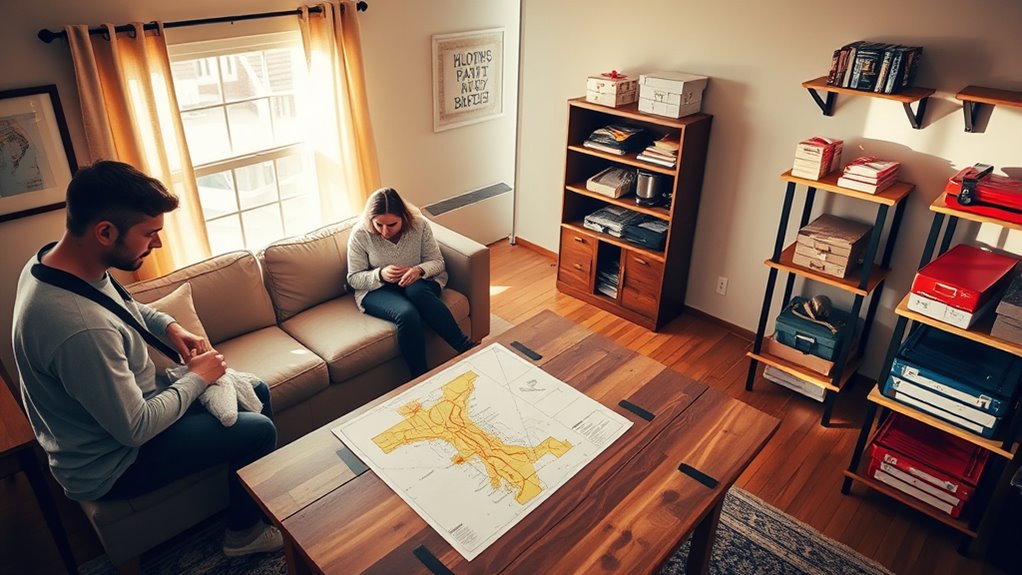
Understanding the risk of earthquakes in your area is the first step in preparing effectively. Start by reviewing seismic hazard maps, which show the likelihood of earthquakes of different magnitudes in your region. These maps help you identify how vulnerable your area might be and what levels of shaking to expect. Additionally, familiarize yourself with local building codes, as they specify construction standards designed to withstand seismic activity. Knowing whether your home complies with these regulations can influence your safety measures. If your area has high seismic hazard levels, you’ll want to prioritize strengthening your home and plans accordingly. Regularly updating your knowledge based on new seismic data ensures you’re making informed decisions to protect yourself and your family. Consulting technology in energy distribution can also help you understand how infrastructure resilience impacts community safety during earthquakes. Being aware of natural warning signs, such as earth tremors or unusual animal behavior, can provide early alerts to potential seismic events. Monitoring seismic activity reports from local authorities further enhances your preparedness and response plans. Staying informed about seismic mitigation strategies can help you adopt practical measures to reduce damage and improve safety. Additionally, understanding home reinforcement techniques can significantly improve your property’s ability to withstand seismic forces.
Securing Heavy Furniture and Appliances

Securing heavy furniture and appliances is a crucial step in earthquake preparedness because these items can cause serious injuries or damage if they topple during shaking. To prevent this, use proper strapping techniques to anchor furniture to walls or floors, ensuring they stay in place. Focus on furniture placement by positioning heavy pieces against walls and away from windows or doorways. Secure bookshelves, dressers, and appliances like refrigerators and water heaters with straps or brackets designed for seismic safety. Check that all straps are tight and in good condition. Remember, the goal is to minimize movement and prevent tipping hazards that could harm you or damage your property during an earthquake. Properly secured furniture helps protect your home and loved ones when it matters most. Additionally, understanding the shelf life of stored items can help prevent damage from falling or leaking containers during seismic events. Incorporating seismic safety measures into your home setup can further enhance protection and peace of mind during emergencies. Being aware of seismic hazards in your area can guide you in making more effective home safety adjustments. Recognizing heavy furniture and appliance risks can also prompt timely reinforcement and safer storage practices. Regularly inspecting and maintaining these securing techniques ensures ongoing effectiveness and safety.
Installing Safety Devices and Braces

Installing safety devices and braces further reduces the risk of furniture and appliances tipping over during an earthquake. Seismic retrofitting involves adding braces, straps, and anchors that strengthen your home’s structure and secure heavy items. These devices absorb quake forces, preventing damage and injury. Regular safety device maintenance is essential to guarantee everything functions correctly when needed. Check straps, bolts, and anchors periodically, replacing worn or damaged parts. Proper installation of safety devices creates a safer environment, especially in areas prone to seismic activity. Don’t overlook the importance of securing shelves, cabinets, and electronics with appropriate braces. By investing in seismic retrofitting and maintaining safety devices, you enhance your home’s resilience and reduce the risk of accidents during an earthquake. Understanding seismic reinforcement can help you better prepare your home for seismic events. Additionally, inspecting and tightening anchor bolts regularly ensures that all safety measures remain effective over time. Incorporating sound design principles can also help in creating warning systems or alerts that notify your family in case of seismic activity. Being aware of building codes and standards may also improve your home’s ability to withstand earthquakes.
Creating a Family Emergency Plan

Creating a family emergency plan is an essential step to guarantee everyone knows what to do before, during, and after an earthquake. Start by establishing clear communication strategies, such as designated contacts and meeting points, so everyone stays connected even if phones fail. Practice evacuation procedures regularly, ensuring all family members understand the safest routes and safe spots inside your home. Assign roles to each person, like who calls emergency services or gathers important items. Discuss how to respond if someone is injured or if you’re separated. Keep a list of emergency contacts accessible. A well-coordinated plan reduces panic and confusion, helping your family stay safe and make quick decisions when it matters most. Additionally, understanding post-disaster recovery steps can prepare your family for rebuilding and support after an earthquake. Preparing an emergency kit with essentials such as water, food, and medical supplies is also crucial for sustaining your family during the initial aftermath. Regularly reviewing and updating your plan ensures everyone remains informed and prepared for emergency situations. Being familiar with Louisiana alimony laws can also be helpful if your family’s safety plan is affected by legal or financial considerations related to divorce or separation. Incorporating home safety measures, such as securing heavy furniture and checking for structural vulnerabilities, can further enhance your preparedness.
Preparing an Emergency Kit

You need to gather essential supplies like a flashlight, batteries, and important documents to be prepared. Make sure your kit includes first aid materials to handle injuries, as well as enough food and water to last several days. Having these items ready can make a big difference during an emergency. Additionally, understanding fetal movements can help you monitor your pregnancy health during stressful situations. Regularly practicing home safety measures can further enhance your preparedness and protect your family during unforeseen events. Incorporating earthquake-resistant features into your home can also reduce the risk of structural damage and ensure safety. Understanding indoor air quality and ensuring proper ventilation can further improve safety and well-being during emergencies. Being aware of emergency communication plans ensures you can stay connected with loved ones when disaster strikes.
Essential Supplies Checklist
Having a well-stocked emergency kit is vital for staying safe during an earthquake. Your kit should include enough water (one gallon per person per day for at least three days), non-perishable food, and a manual can opener. Pack a flashlight, extra batteries, and a battery-powered or hand-crank radio to stay updated on emergency alerts. Include essential personal items like medications, hygiene supplies, and important documents. For emergency communication, have a whistle and a fully charged power bank for your phone. Consider community resources, such as local shelters and contact numbers, to coordinate help if needed. Regularly check and update your supplies to make certain everything remains functional and accessible when an emergency strikes. Being prepared with these essentials can make a vital difference, especially if you are aware of expiration dates on your supplies to ensure their safety and effectiveness.
First Aid Materials
To guarantee you can effectively treat minor injuries during an earthquake, assembling a well-stocked first aid kit is vital. Your kit should include basic emergency medical supplies such as bandages, antiseptic wipes, adhesive tape, scissors, and gloves. It’s also important to have pain relievers, antiseptic ointments, and any necessary personal medications. Completing your preparation with first aid training ensures you know how to handle injuries confidently and efficiently. Regularly check and update your supplies to make sure they’re in good condition and not expired. Keep your kit in an accessible location known to all family members. Being prepared with the right emergency medical supplies and knowledge can make a key difference in managing injuries until professional help arrives.
Food and Water Storage
Are you prepared to sustain yourself during an earthquake and its aftermath? Making sure your food and water storage is essential. Stock up on emergency food storage items like non-perishable canned goods, dried fruits, and energy bars that last long and require minimal preparation. Don’t forget to include a manual can opener. For water, store at least one gallon per person per day for three days. To keep water safe, learn water purification methods such as boiling, using water purification tablets, or portable filters. Regularly check expiration dates and rotate supplies to keep them fresh. Having a well-organized kit with ample food and water ensures you can stay nourished and hydrated, even if access to fresh supplies is delayed after an earthquake.
Conducting Earthquake Drills With Family Members

Practicing earthquake drills with your family helps guarantee everyone knows how to stay safe during a real quake. You can incorporate role-playing scenarios to simulate different situations, such as being indoors or near windows, so everyone understands the safest actions to take. During these drills, emphasize effective communication strategies, like shouting commands clearly and ensuring everyone knows how to call for help or check on each other. Repeating these exercises regularly builds confidence and reduces panic when an actual earthquake occurs. Make sure each family member understands their role, whether it’s dropping, covering, or holding on, and practice staying calm. Consistent drills reinforce safe habits and help your family respond quickly and effectively in emergencies.
Safeguarding Important Documents and Valuables

Securing your important documents and valuables is essential to protect them from damage or theft during a quake. You should store critical papers like passports, insurance policies, and financial records in a fireproof safe to prevent damage from fire or water. Additionally, create digital backups of these documents and store them securely online or on an external drive, guaranteeing you can access them even if physical copies are lost. Consider keeping valuables such as jewelry or heirlooms in a separate, hidden location or a safe deposit box for added security. Regularly update and review your safety measures to ensure everything remains protected. Being proactive in safeguarding your essential items helps you recover faster after an earthquake.
Staying Informed and Monitoring Alerts

Keeping yourself informed about earthquake developments is key to responding effectively. By monitoring seismic activity and alert systems, you stay prepared for potential dangers. Subscribe to local alerts, download emergency apps, and stay tuned to official sources for real-time updates. These alert systems can notify you seconds before shaking begins, giving you essential seconds to act. Regularly check seismic monitoring websites to track ongoing activity in your area. Use the table below to understand alert types and sources:
| Alert Type | Source |
|---|---|
| Earthquake Warnings | Seismic monitoring agencies |
| Community Alerts | Local government alerts |
| Smartphone Notifications | Emergency apps |
| Radio/TV Alerts | Official broadcast channels |
Staying informed ensures your safety and helps you take quick, effective action.
Frequently Asked Questions
How Often Should I Review and Update My Earthquake Preparedness Plan?
You should review and update your earthquake preparedness plan at least once a year. Regular emergency drills help you identify weaknesses and improve your response. After any significant event or if your circumstances change, make plan updates promptly. Keeping your plan current ensures everyone knows what to do, where to go, and how to stay safe. Consistent reviews and drills make your family more prepared and resilient during an actual earthquake.
What Are the Best Materials for Securing Fragile Items in My Home?
Imagine the sudden jolt that could send hanging artwork crashing or glassware shattering across your home. To prevent this chaos, use materials like museum wax or heavy-duty picture hangers for artwork, and secure glassware with rubber or silicone stabilizers. Strapping fragile items to shelves with zip ties or attaching them to walls with safety brackets guarantees they stay put. These simple yet effective materials can save you from disaster during an earthquake.
How Can I Help Neighbors or Vulnerable Community Members Prepare?
You can help neighbors and vulnerable community members prepare by engaging in community outreach and volunteer coordination. Reach out to those who may need assistance, offer to help them create emergency plans, and share safety tips. Organize neighborhood drills or resource sharing events. Your active involvement guarantees everyone is informed, prepared, and supported during emergencies, fostering a resilient community where everyone knows they’re not alone in facing potential risks.
Are There Local Resources or Programs to Assist With Home Safety Modifications?
Think of your home as a sturdy ship steering stormy seas. Local government programs and community safety initiatives are like skilled crew members helping you stay afloat. They often offer free or low-cost home safety modifications, like securing heavy furniture or installing seismic straps. Reach out to your city or county offices, or visit their websites, to discover resources that can help you reinforce your home and protect your loved ones during an earthquake.
What Should I Do if I Live in a High-Rise Building During an Earthquake?
If you live in a high-rise during an earthquake, stay calm and avoid elevators, as they may become stuck or malfunction. Use your balcony safely if needed, but avoid leaning over railings. Drop, cover, and hold on inside your apartment, away from windows and exterior walls. After shaking stops, carefully assess your surroundings and wait for official instructions before evacuating. Prioritize safety and stay informed through local alerts.
Conclusion
Think of preparing for earthquakes like tending a sturdy garden. With careful planning, you plant safety measures early, secure your tools, and stay alert like vigilant gardeners watching the sky. When storms come, your home and family are the resilient trees, rooted deep and ready to weather the storm. By staying prepared and informed, you create a fortress of strength—ready to stand tall and safe no matter what nature throws your way.