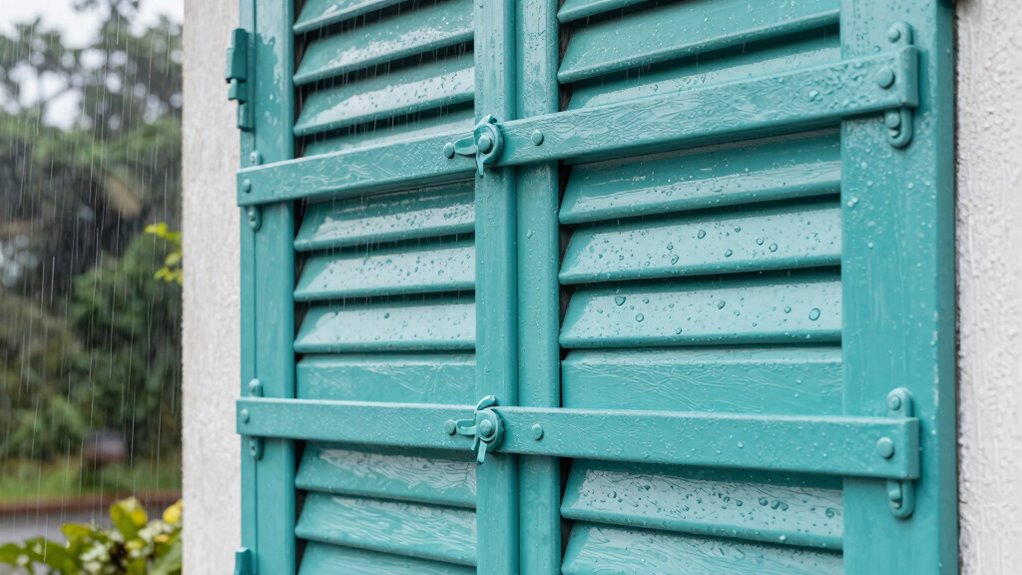

Storm shutters and boarding kits protect your home by forming a strong barrier that prevents wind-borne debris like rocks, branches, and projectiles from breaking your windows. Impact-resistant materials such as steel, aluminum, or polycarbonate are designed to withstand different storm levels, with proper installation key to their effectiveness. While shutters offer reliable, long-term protection, boarding kits provide quick, temporary shelter—though they may be less effective against high winds and heavy debris. Learn more about choosing and installing the right solutions to keep your home safe.
Key Takeaways
- Storm shutters made of impact-resistant materials like steel or aluminum are designed to withstand high-impact debris strikes.
- Boarding kits with sturdy plywood or panels provide temporary protection but are less reliable against strong debris impacts.
- Proper installation and secure anchoring are critical to ensure shutters or boards effectively stop debris during high winds.
- Impact resistance testing and certification indicate a shutter’s ability to withstand specific debris sizes and storm intensities.
- Larger or harder debris require stronger, impact-rated shutters, while smaller debris can often be stopped by impact-resistant films or panels.

ObegShare Storm Window Protection – Impact Roll Up Shutters for Homes, Patio, Counter, Metal Perforated Defense Panels (Brown)
🛡️ Hurricane & Weather Proof:** Provides superior protection against storms, rain, and enhances home security.
As an affiliate, we earn on qualifying purchases.
As an affiliate, we earn on qualifying purchases.
How Do Storm Shutters Keep Your Home Safe From Flying Debris?

Storm shutters protect your home by creating a strong barrier against flying debris during a storm. They enhance window security by preventing rocks, branches, and other projectiles from smashing through glass, which can cause injuries and costly damages. Besides safety, storm shutters also consider aesthetic considerations; modern designs blend seamlessly with your home’s exterior, maintaining curb appeal while providing protection. When properly installed, they stay in place during high winds, ensuring your windows remain intact. This stability is further supported by proper installation techniques, which are crucial for their effectiveness. Additionally, storm shutter materials play a significant role in their durability and ability to withstand severe weather conditions. Proper installation methods are essential to ensure they stay secure during intense storms, offering reliable protection. Using storm shutters correctly can also help reduce your insurance premiums, providing financial benefits alongside safety. This added layer of defense not only keeps your home safe from debris but also gives you peace of mind knowing your property is better prepared for severe weather events. Ultimately, storm shutters serve both functional and visual purposes, safeguarding your home effectively and maintaining its look.

Warp Brothers EZ-36 Storm Window Kit, 36-Inch by 72-Inch
Poly-pane tape-on kits
As an affiliate, we earn on qualifying purchases.
As an affiliate, we earn on qualifying purchases.
Which Storm Shutter Types Are Most Effective for Different Storms?

Choosing the right storm shutter depends on impact resistance, how well it handles hurricanes, and your budget. Some shutters offer higher protection for severe storms, while others are more affordable and easier to install. Understanding these factors helps you pick the most effective option for each storm type. Additionally, considering the storm preparedness features and durability of the material can ensure long-lasting protection during extreme weather events. For example, selecting impact-resistant materials can significantly improve a shutter’s performance against debris. Evaluating the impact resistance ratings of different shutters can help you determine their suitability for various storm intensities. Incorporating ergonomic design principles in the installation process can also make operation easier and safer during emergencies. Moreover, choosing shutters with certified impact resistance can provide added assurance of their effectiveness in extreme conditions.
Impact Resistance Levels
When evaluating impact resistance levels, it’s crucial to match the right storm shutter type to the specific severity of a storm. Material testing helps determine impact thresholds, ensuring shutters can withstand debris strikes during high winds. Different storm levels require varying resistance, from lightweight panels to heavy-duty steel. For minor storms, polycarbonate shutters often suffice. Moderate storms demand aluminum or steel with proven impact thresholds. Severe hurricanes call for shutters tested to withstand high-impact debris. Here’s a quick comparison:
| Shutter Type | Impact Resistance | Best Storm Level |
|---|---|---|
| Polycarbonate | Moderate | Tropical storms |
| Aluminum | High | Strong hurricanes |
| Steel | Very high | Catastrophic hurricanes |
Choose the right material based on impact testing and storm severity to protect your home effectively. Impact resistance testing is essential for verifying that your shutters meet the necessary standards for different storm conditions. Additionally, understanding the impact resistance levels helps homeowners select the most appropriate protective measures for their region.
Suitability for Hurricanes
Selecting the right storm shutter type guarantees your home stays protected during hurricanes of varying strengths. For weaker storms, impact-resistant window film offers a flexible, cost-effective barrier that deters flying debris without obstructing ventilation systems. As storm intensity increases, accordion or roll-down shutters provide durable protection, effectively sealing windows against high winds and debris impact. These shutters are suitable for severe hurricanes and ensure maximum safety. In contrast, plywood boards are less reliable for stronger storms, as they can be compromised under extreme conditions. Assess your area’s storm history and your home’s needs to determine the best fit. Remember, choosing the appropriate shutters not only safeguards your home but also maintains proper ventilation, reducing interior damage during hurricanes.
Cost and Installation Factors
Understanding the cost and installation considerations of storm shutters helps you make informed decisions based on your budget and storm protection needs. The cost comparison varies widely among types, from affordable plywood to high-end roll-down shutters. The installation process also differs: some shutters, like storm panels, are quick to install but may require manual setup each storm, while electric or automated shutters involve a more complex installation but offer convenience. Keep these factors in mind: Free Floating storm shutters can be an effective way to balance cost and ease of use, especially in areas prone to frequent storms. Long-term durability can justify higher upfront costs for certain types.

GISONTONE Exterior Hurricane Shutter Typhoons Resistance, Blinds Outdoor Aluminum Curtain Rolling Up Motorized Security for Window Screen White (Aluminum+Sidelock)
1. **Hurricane Resistance**: Hurricane Shutters Slat, end locking design to resist hurricanes
As an affiliate, we earn on qualifying purchases.
As an affiliate, we earn on qualifying purchases.
Are Boarding Kits a Reliable Way to Protect Your Home During a Storm?
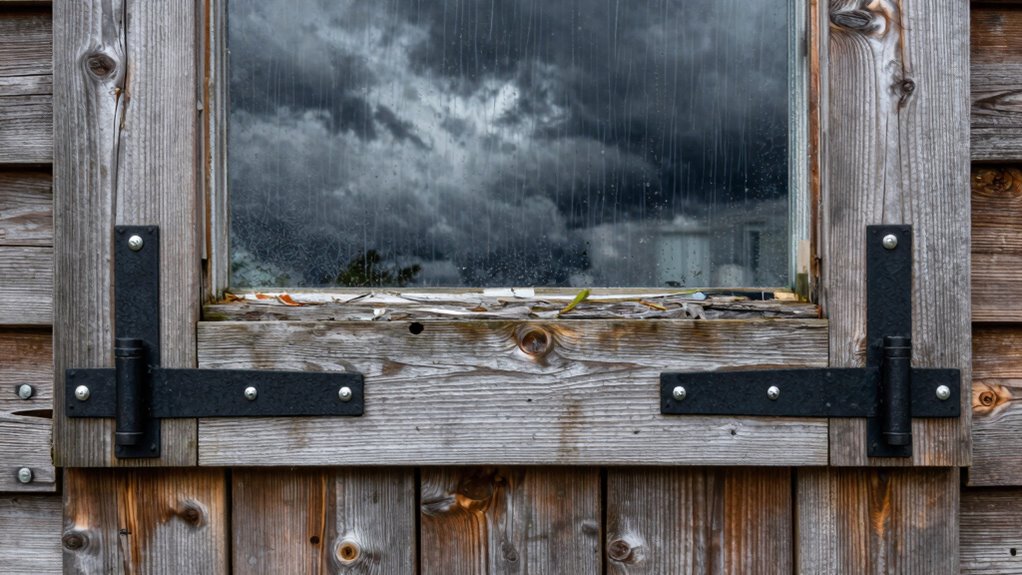
Boarding kits are a popular choice for storm protection because they’re quick to install and can provide a strong barrier against flying debris. While they offer immediate storm safety, their reliability depends on proper installation and material quality. Boarding kits can enhance your home’s resilience during a storm, but they aren’t foolproof. They may not withstand very high winds or sustained impacts, especially if not secured correctly. If you’re looking for consistent protection, storm shutters generally outperform boarding kits. However, in emergencies or short-notice situations, boarding kits can serve as a practical temporary solution. Ultimately, for reliable home resilience, consider integrating boarding kits with other storm safety measures, but don’t rely on them as your sole defense against severe weather. Proper installation techniques are crucial to maximize their effectiveness and ensure safety during storms. Additionally, understanding storm-resistant design principles can help you better prepare your home for severe weather conditions, especially when considering storm-resistant window and door features. Implementing these features can significantly reduce damage and improve your home’s overall storm preparedness. Incorporating storm-resistant materials can further bolster your home’s ability to withstand impacts and wind forces.

XISOCO 3 PCS 4' x 2' x 0.24'' Polycarbonate Greenhouse Panels, Double Layer Polycarbonate Panels, Outdoor Waterproof, UV Protected, Impact Resistance Clear Sheets, for Garden and Greenhouse
Product Advantages: These XISOCO polycarbonate panels offer 99.5% UV protection, and the lightweight good light transmittance shatterproof multiwall…
As an affiliate, we earn on qualifying purchases.
As an affiliate, we earn on qualifying purchases.
What Are the Main Limitations of Storm Shutters and Boarding Kits?
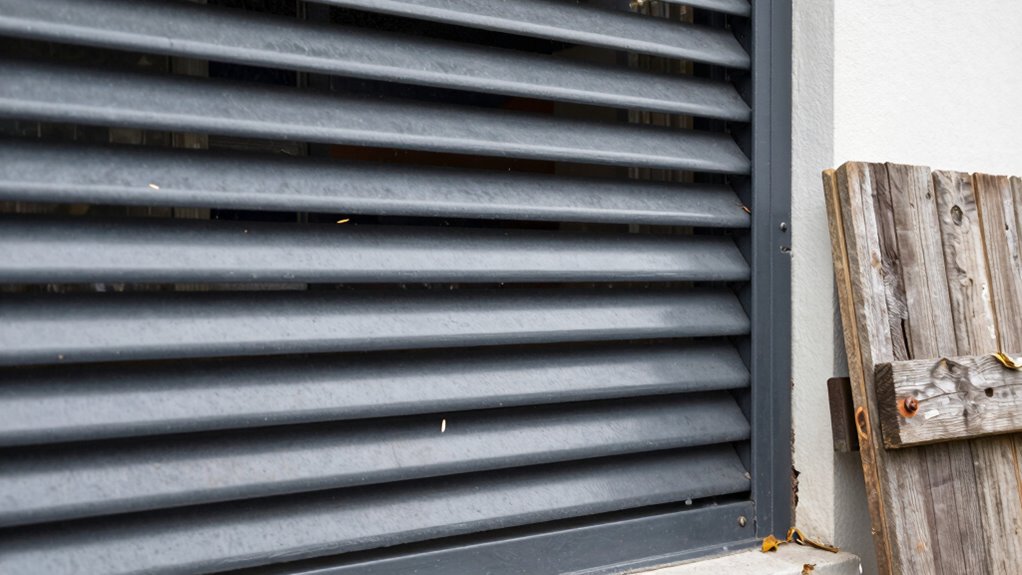
Storm shutters and boarding kits have limitations you should consider, such as material strength and how well they’re installed. If the materials aren’t sturdy enough or the installation isn’t done properly, your home may still be vulnerable. Plus, the impact of debris can vary, making some protections less effective during a storm. Additionally, understanding cybersecurity tactics can help you better assess and improve the security of your storm protection systems. Being aware of material durability can also help you choose the most reliable options for storm safety.
Material Strength Limits
Have you ever wondered what limits the strength of storm shutters and boarding kits during a hurricane? The main factor is material strength, which can weaken over time due to factors like material fatigue. Even the sturdiest materials have their limits, especially when exposed to relentless wind pressure and debris impact. Proper installation standards are essential; if shutters aren’t installed correctly, their ability to withstand high winds diminishes. Key limitations include:
- Material fatigue: Repeated stress causes materials to weaken, reducing effectiveness.
- Inherent material strength: Some materials can’t handle extreme wind forces or debris strikes.
- Installation quality: Poor installation compromises the integrity, regardless of material strength.
- Environmental impact of tissue paper can also accelerate deterioration if materials are exposed to moisture or other elements over time. Additionally, understanding the material properties can help in selecting the most durable options for storm protection. For example, stress tolerance varies significantly among different materials, which affects their longevity and performance during storms. Moreover, considering material durability is crucial for long-term storm preparedness and resilience.
Understanding these limits helps you choose and maintain the right storm protection, ensuring your home stays safer during storms.
Installation Quality Concerns
Even with strong materials, poor installation can considerably weaken the protective barrier that shutters and boarding kits provide. Material durability alone doesn’t guarantee protection if installation precision isn’t maintained. Improperly fitted shutters may not close tightly, creating gaps vulnerable to high winds and debris. Misaligned or loosely secured boards can detach during a storm, rendering the barrier ineffective. Over time, subpar installation also increases wear and tear, compromising long-term performance. To maximize their effectiveness, you need precise measurement, proper fastening techniques, and attention to detail during installation. Skimping on these aspects can lead to critical weaknesses, regardless of how robust your materials are. Ultimately, quality installation is essential to ensure your shutters and boarding kits deliver the intended level of storm protection.
Debris Impact Variability
While storm shutters and boarding kits are effective at providing barriers, their ability to withstand debris impact varies considerably depending on the type and size of debris during a storm. Debris variability plays a significant role in how well your protection holds up under wind load. Smaller, lightweight debris may be stopped easily, but larger or harder objects can cause failure if the shutters aren’t designed for high-impact forces. Factors such as material strength, installation quality, and shutter design influence overall performance. Keep in mind:
- Different debris types exert varying impact forces, affecting durability
- Wind load can amplify debris velocity, increasing impact risk
- Shutter limitations become more apparent with larger, heavier debris
Understanding these limits helps you choose the right protection for your home.
How Do You Choose the Best Storm Protection for Your Home and Storm Risk?
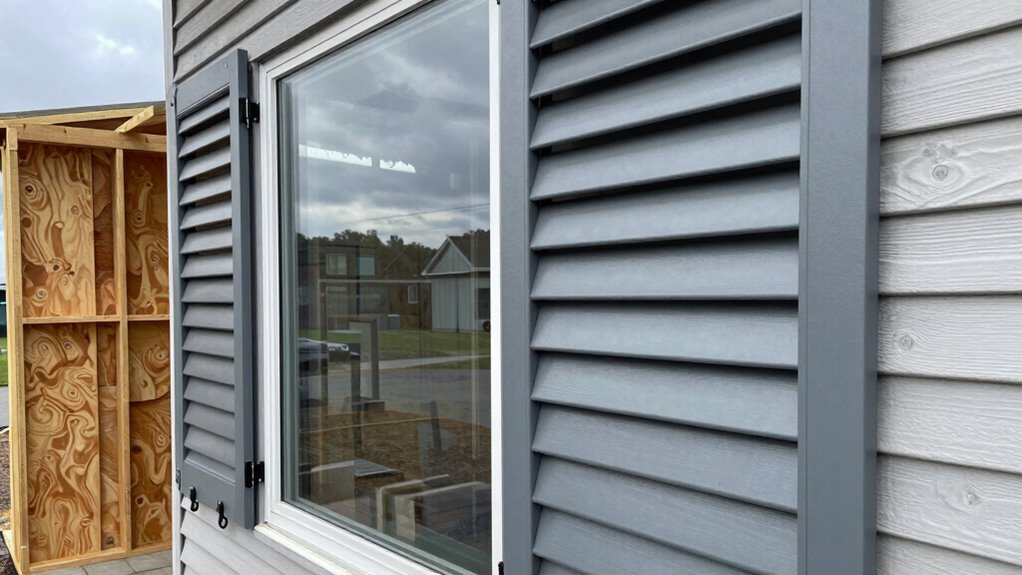
Choosing the right storm protection for your home depends on understanding your specific storm risk and your property’s unique features. Consider your window framing and security features to determine the best option. If your windows have strong framing, shutters or boarding kits can provide reliable protection against debris and wind. For homes in high-risk areas, multi-layered solutions like storm panels combined with reinforced window frames offer added security. Assess your property’s vulnerabilities and match them with appropriate protection measures.
| Storm Risk Level | Recommended Protection Approach |
|---|---|
| Low | Impact-resistant windows, basic shutters |
| Moderate | Storm panels, reinforced window frames |
| High | Full storm shutters, boarding kits, reinforced security features |
| Very High | Multi-layer protection, customized solutions |
Tips for Installing Storm Shutters and Boarding Kits Safely and Effectively

Proper installation of storm shutters and boarding kits guarantees they perform effectively when a storm hits. To guarantee safety and effectiveness, follow these tips:
- Securely anchor shutters and boards to withstand high winds, maintaining window security without compromise.
- Pay attention to aesthetic considerations; choose options that blend with your home’s appearance while offering protection.
- Use proper tools and check manufacturer instructions to avoid gaps or loose fittings that could compromise the barrier.
Do Storm Shutters and Boarding Kits Help Lower Your Insurance Costs or Damage Claims?
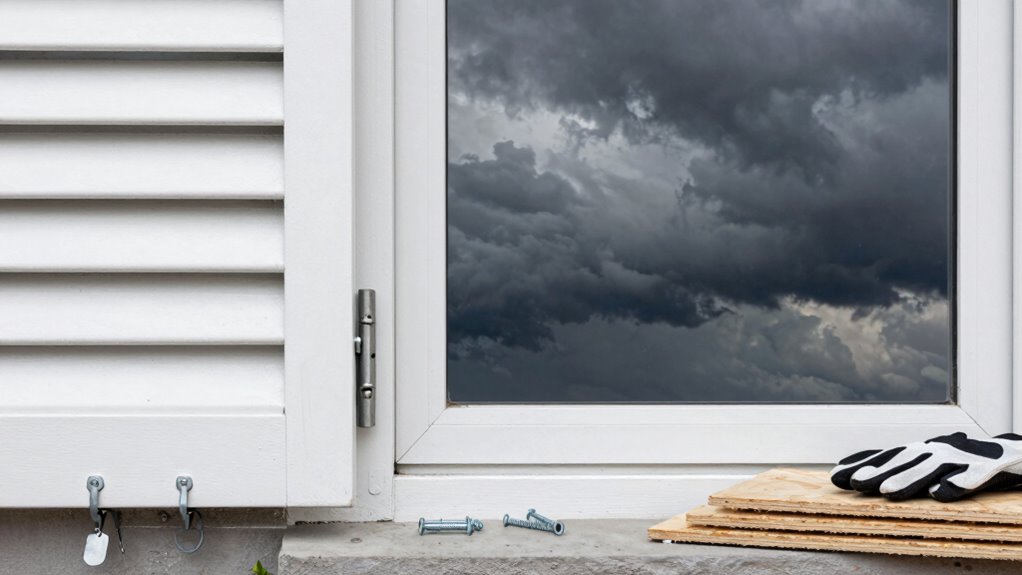
Did you know that installing storm shutters and boarding kits can potentially lower your insurance premiums and reduce damage claims? Insurance companies often offer discounts for homes with proven damage prevention measures, like storm shutters. These upgrades protect your windows and doors, decreasing the risk of costly repairs after a storm. Insurance discounts vary by provider, but many recognize the value of enhanced protection. Boarding kits, when properly installed, also contribute to damage prevention, especially if shutters aren’t an option. To understand the benefits better, see the table below:
| Benefit | Explanation |
|---|---|
| Insurance discounts | Lower premiums for increased protection |
| Damage prevention | Reduced risk of window damage and associated costs |
| Claims reduction | Fewer claims due to minimized storm damage |
| Cost savings | Long-term financial benefits |
| Peace of mind | Confidence in your home’s resilience |
Frequently Asked Questions
How Long Does It Take to Install Storm Shutters Properly?
It typically takes about one to two hours per window for a professional to install storm shutters properly, depending on the type and size. If you opt for DIY, it might take longer, especially if you’re unfamiliar with the process. The installation timeline varies based on the complexity, but hiring professionals guarantees quicker, more efficient work. Either way, plan ahead to ensure your home’s protection before a storm approaches.
Are There Any Maintenance Requirements for Storm Shutters?
Think of storm shutter maintenance like tending a garden—you need to check on it regularly. You should inspect your shutters for corrosion and clean them to prevent buildup. Applying a protective coating can help prevent corrosion, especially in salty environments. Regularly lubricate moving parts to keep everything functioning smoothly. By doing these simple steps, you guarantee your storm shutters remain reliable during storms, providing essential protection when you need it most.
Can Storm Shutters Be Used for Purposes Other Than Storm Protection?
Yes, storm shutters can serve purposes beyond storm protection. You might use them to enhance privacy or improve your home’s aesthetic appeal. While they’re primarily designed for safety during storms, their sturdy design can block unwanted views or add a sleek look to your windows. Just keep in mind that privacy concerns and aesthetic considerations can influence your choice of shutter style and material, making them a versatile addition to your home.
What Is the Lifespan of Different Types of Boarding Kits?
The lifespan of boarding kits varies based on material and durability. Plywood typically lasts 3-6 months before warping or rotting, especially if exposed to moisture. Aluminum panels offer better material longevity, often lasting 5-10 years with minimal maintenance. Vinyl options fall in between, with durability comparison showing they resist weathering better than wood but less than metal. Regular inspections and proper storage can extend your boarding kit’s effectiveness.
Do Storm Shutters Affect the Appearance of My Home?
Storm shutters can impact your home’s appearance, but many options are designed to blend seamlessly with your exterior, minimizing the aesthetic impact. You might choose shutters that match your home’s style or color, enhancing its curb appeal rather than detracting from it. While some shutters are more noticeable, modern designs aim to provide protection without compromising your home’s visual appeal. So, you can stay safe while maintaining your home’s attractive look.
Conclusion
To keep your home safe, think of storm shutters and boarding kits as your home’s armor against flying debris. While they’re powerful tools, they aren’t invincible—like any shield, they have limits. Choosing the right protection means matching it to your storm risk and installing it properly. When you do, you’re not just defending your property; you’re fortifying your peace of mind, turning a fragile house into a sturdy fortress against nature’s fiercest winds.