After a flood, you should assume bacteria, viruses, and chemicals are present in your water. Floodwaters can carry harmful germs like E. coli and viruses, along with industrial or agricultural chemicals from runoff. Testing these contaminants is essential to verify your water is safe for drinking, cooking, or bathing. By understanding how to identify and address these dangers, you’ll be better prepared to protect yourself and your family—keep going to learn more about testing and safety steps.
Key Takeaways
- Test for bacteria like E. coli and coliforms, which often contaminate floodwaters.
- Check for viruses such as hepatitis A and norovirus that can cause illness.
- Analyze chemical pollutants, including pesticides and industrial chemicals, introduced by runoff.
- Use certified labs and proper sampling techniques to ensure accurate detection of contaminants.
- Regularly retest water post-flood to monitor and confirm safety before use.

Safe Home® DIY Bacteria in Water Test Kit – Results as Fast as 6 Hours – Detects 50 Different Species of Coliform Bacteria – EPA Lab Certified – Made in the USA – (1 Pack)
- Certified Accurate by Leading Labs: Good Housekeeping, Red Cross, Merck certified
- Detects 50 Bacteria Species: Includes E. coli, as low as 1 organism
- Fast Results in 6 Hours: Quick detection of bacteria presence
As an affiliate, we earn on qualifying purchases.
As an affiliate, we earn on qualifying purchases.
Understanding Water Contaminants in Floodwaters: Bacteria, Viruses, and Chemicals
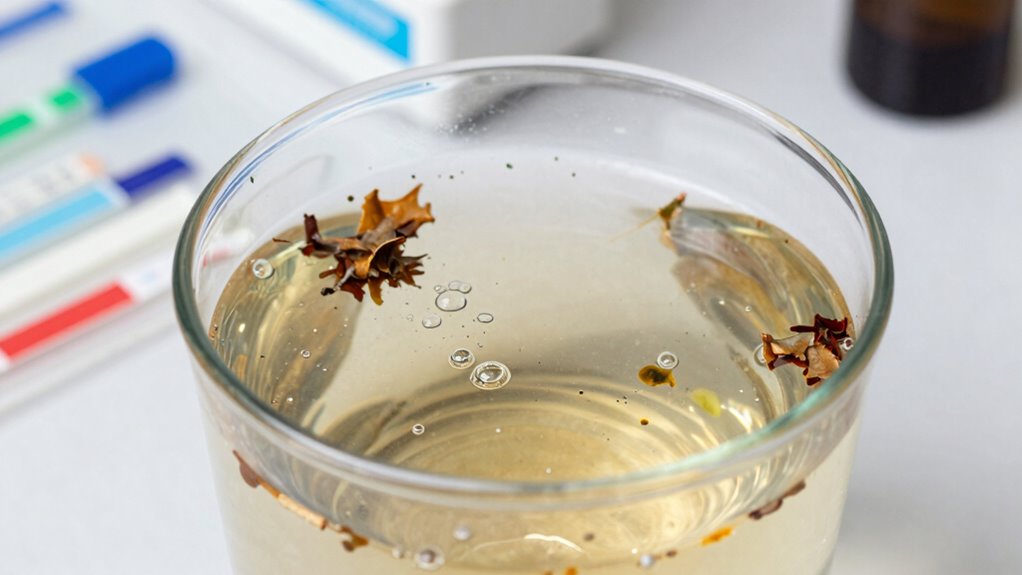
Floodwaters can carry a wide range of harmful contaminants, including bacteria, viruses, and chemicals, which pose serious health risks. Urban runoff often contains pollutants from roads, parking lots, and industrial areas, introducing bacteria and chemicals into floodwaters. Agricultural pesticides are another concern, as heavy rains can wash these chemicals from fields into nearby waterways. When floodwaters mix with contaminated urban runoff or pesticides, they create a hazardous environment that can spread diseases and toxic substances. These contaminants can linger in the water, making it unsafe to drink or use without proper testing and treatment. Understanding the sources, like urban runoff and pesticides, helps you recognize potential dangers and underscores the importance of testing floodwaters for harmful bacteria, viruses, and chemicals. Additionally, water testing techniques are essential for accurately identifying the types and levels of contaminants present in floodwaters. Conducting comprehensive water testing can help detect both common and emerging pollutants, ensuring safety and proper response measures. Proper sampling methods and lab analysis are critical components of an effective water testing process to ensure reliable results. Employing advanced measurement tools can improve the accuracy of contaminant detection, providing more reliable data for decision-making. Incorporating rapid testing methods can also provide timely information, enabling quicker responses to contamination issues.
How to Test Your Flood-Affected Water for Bacteria, Viruses, and Chemicals
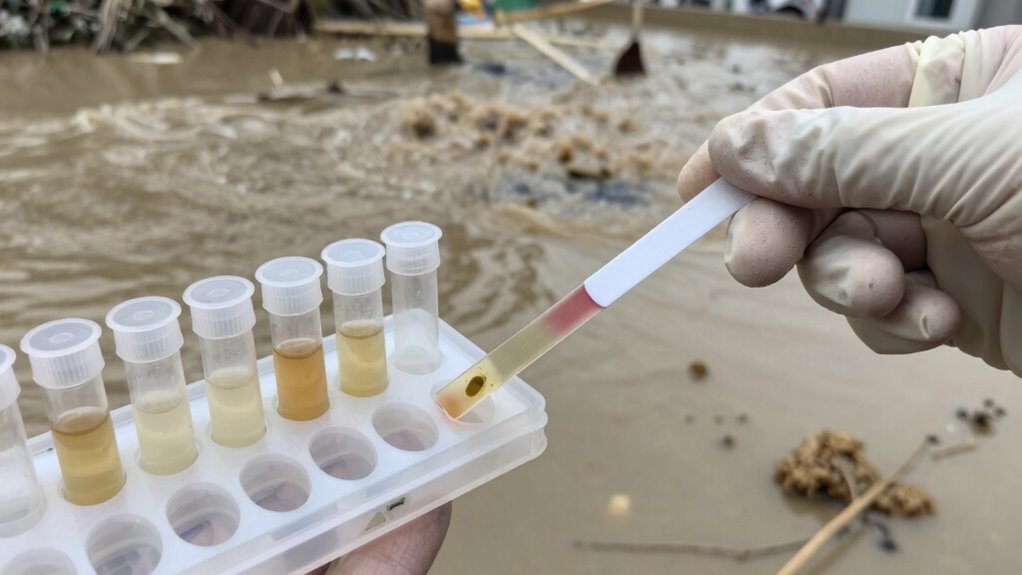
To determine if flood-affected water is safe to use, you need to test it for bacteria, viruses, and chemicals. Proper water sampling is essential for an accurate contamination assessment. Here are three key steps to follow:
Testing flood-affected water for bacteria, viruses, and chemicals ensures safe usage and contamination awareness.
- Collect samples carefully from multiple locations using sterile containers to prevent cross-contamination. Employing standardized sampling procedures can help ensure consistency and reliability in your results. Additionally, following proper handling techniques minimizes the risk of introducing errors during collection. Incorporating validated testing protocols further enhances accuracy and confidence in your findings.
- Send the samples to a certified laboratory that specializes in water testing for bacteria (like E. coli), viruses, and chemical contaminants.
- Review the lab results promptly to identify any harmful substances present. Ensuring accurate sampling techniques helps improve testing reliability.
Steps to Ensure Your Water Is Safe to Use After a Flood
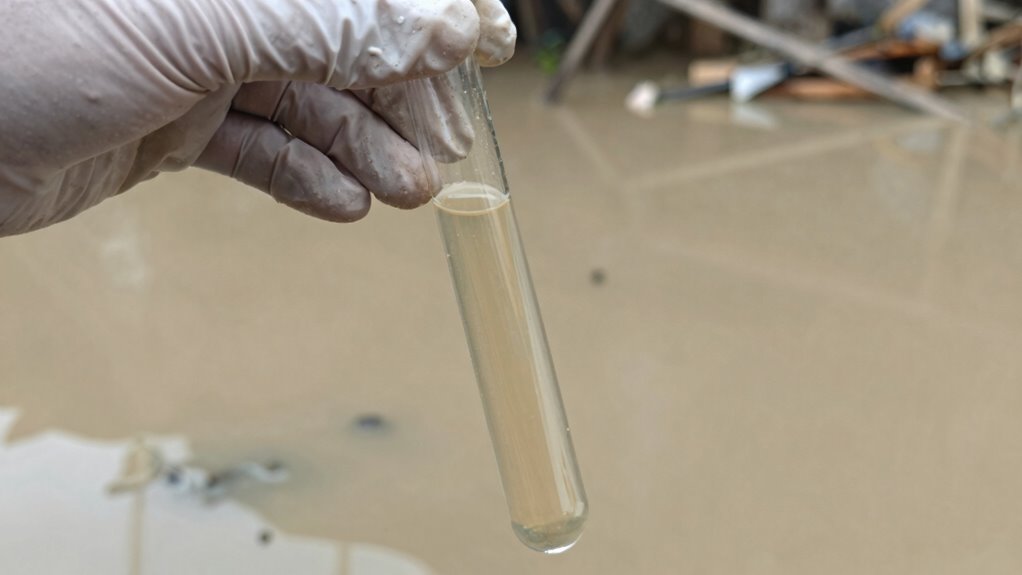
After confirming your water is free of harmful contaminants through testing, you should take additional steps to guarantee it’s safe for use. Start with proper water purification methods, such as boiling for at least one minute or using certified filtration systems, to eliminate any lingering pathogens. It’s also essential to flush your plumbing system to clear out any contaminated water. Keep emergency preparedness in mind by storing enough clean water for essentials in case of future disruptions. Regularly disinfect faucets and pipes with appropriate solutions to prevent bacterial growth. Always follow local health advisories and consider retesting your water periodically. Additionally, understanding microplastics in dust and other pollutants can help you better assess potential contamination sources in your environment. Using water testing kits can provide ongoing assurance of your water’s safety, especially after flood events. Being aware of regulatory standards ensures your water treatment practices meet safety requirements. Incorporating environmental pollutant awareness into your routine can further help identify hidden risks affecting your water quality. Monitoring contaminant levels regularly is crucial for early detection of potential issues. Taking these precautions helps ensure your water remains safe, reducing health risks after a flood.
Frequently Asked Questions
How Often Should I Retest My Water After a Flood?
You should retest your water immediately after the flood and again within a few weeks to monitor contamination levels. Testing frequency depends on the severity of the flood and your water source. If initial tests show contamination, retest regularly—every 3 to 6 months—until results are consistently clean. Staying vigilant helps guarantee your water remains safe and free from harmful contaminants introduced during the flood.
Are There Specific Brands of Water Testing Kits Recommended?
When selecting water testing kits, choose trusted brands like First Alert, EPA-approved, or Watersafe, as they offer reliable testing accuracy. These brands are widely recommended for their precision in detecting contaminants after floods. You should also check reviews and make certain the kit tests for common pollutants like bacteria, nitrates, and lead. Using reputable brands assists you in obtaining accurate results and confidently determine if your water is safe to use.
Can Untreated Floodwater Be Safely Used for Irrigation?
You shouldn’t use untreated floodwater for irrigation because urban runoff and soil contamination pose serious risks. Floodwaters often carry pollutants, bacteria, and chemicals that can harm your plants and introduce contaminants into your soil. Always test floodwater before using it for irrigation. If testing shows contamination, treat the water or avoid using it altogether to protect your garden, soil health, and overall safety.
What Are the Long-Term Health Risks of Floodwater Contaminants?
Ignoring floodwater contaminants can lead to serious long-term health risks. You might face effects like chronic respiratory issues, neurological problems, or cancers from prolonged exposure to hazardous substances like bacteria, chemicals, or heavy metals. The contaminant effects can accumulate over time, causing lasting damage. To protect your health, always test floodwater thoroughly, and avoid using untreated water for drinking, cooking, or irrigation until it’s deemed safe.
How Do I Interpret Test Results if They Show Multiple Contaminants?
If your test results show multiple contaminants, don’t panic. You need to understand that contaminant interactions can complicate their significance, so some levels may be more harmful together. Focus on the test result significance for each contaminant individually and collectively. Consult a water quality professional to interpret these results accurately, and follow their advice for proper treatment to make certain your water is safe.
Conclusion
Think of floodwaters as a hidden treasure chest filled with potential dangers. By testing for bacteria, viruses, and chemicals, you’re opening that chest carefully, ensuring your water is safe. Don’t take chances—treat contaminated water like a ticking time bomb. With proper testing and precautions, you can unseal the door to clean, safe water again. Stay vigilant, stay safe, and turn the tide against unseen threats lurking after floods.