
You should use a gas mask or respirator whenever you’re exposed to airborne hazards like chemical spills, biological threats, or toxic fumes. They’re vital in workplaces with hazardous chemicals, during emergency situations, or in environments with poor air quality. Proper fitting ensures maximum protection, so understanding when and how to use them is essential. If you want to know more about the types and proper use, continue exploring to stay safe and prepared.
Key Takeaways
- They are needed when exposure to airborne chemical, biological, or particulate hazards poses a health risk.
- Use them during chemical spills, industrial accidents, or in environments with toxic fumes or dust.
- Emergency responders and hazmat teams wear them in hazardous situations involving hazardous materials.
- Healthcare workers utilize masks and respirators to prevent infection during outbreaks of airborne diseases.
- Proper fitting and seal are essential whenever there’s a threat of inhaling dangerous or contaminated airborne substances.
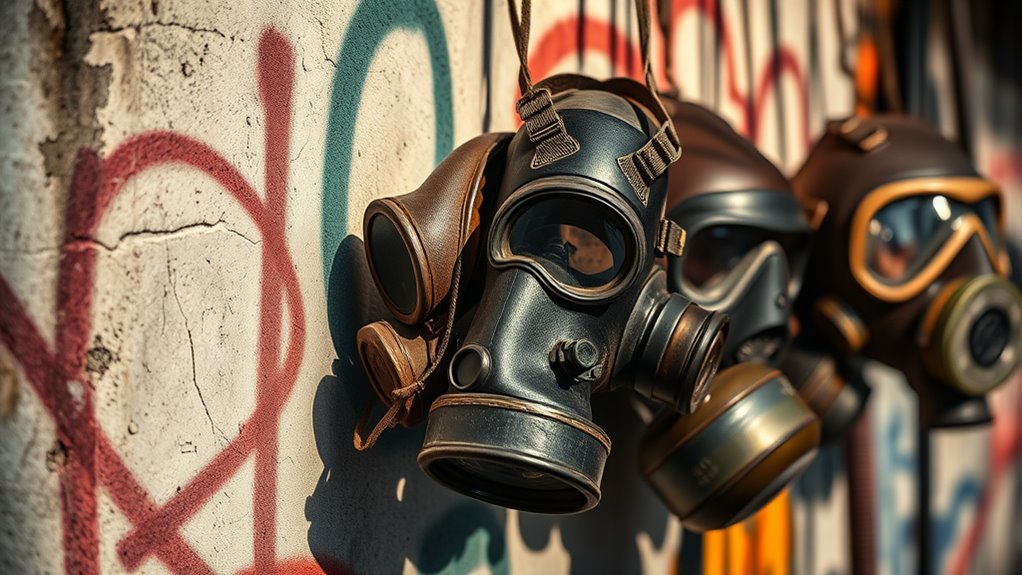
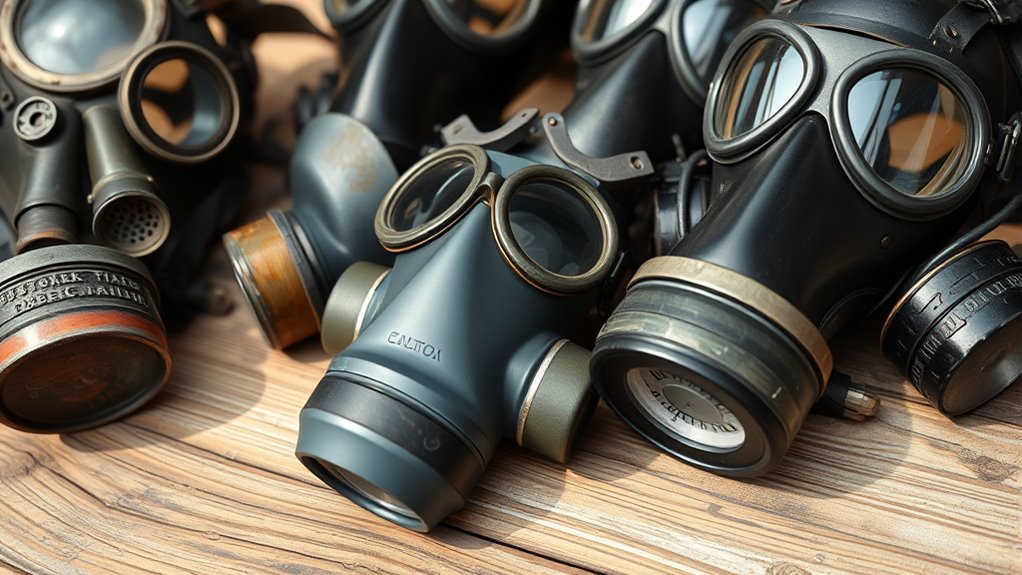
Gas masks and respirators are essential protective gear designed to filter out harmful particles, gases, and vapors from the air you breathe. Their origins trace back over a century, with historical usage playing a crucial role in their development. During World War I, gas masks were introduced as a vital defense against chemical warfare, such as mustard gas and chlorine, which threatened soldiers on the battlefield. These early designs were rudimentary but effective enough to save countless lives, marking a significant milestone in protective equipment. Over the decades, their design evolved, incorporating advanced filters and materials, making them more effective and comfortable. Today, modern applications of gas masks and respirators extend far beyond military use. They’re essential in industrial settings where workers face exposure to hazardous chemicals, dust, or fumes, such as in manufacturing plants, construction sites, and laboratories. In addition, emergency responders, including firefighters and hazmat teams, rely on them to protect against toxic smoke, chemical spills, and airborne pathogens. During crises like chemical accidents or biological threats, these masks become your first line of defense, preventing dangerous substances from entering your respiratory system. You might also encounter them in healthcare environments, especially during outbreaks of airborne diseases, where they help contain the spread of infection. Their design now emphasizes better fit, comfort, and filtration efficiency, ensuring you can wear them for extended periods without discomfort. Whether you’re working in a lab, responding to an emergency, or preparing for potential chemical hazards, understanding when to use a gas mask or respirator is vital. If you’re dealing with airborne contaminants that could cause respiratory issues or severe health problems, it’s time to don the appropriate gear. Respirators and masks are also crucial for environmental cleanup efforts, where toxic substances may be released into the air, and your protection depends on their proper use. Proper fitting and seal are critical to ensure maximum effectiveness, which has been a focus of recent design improvements. The choice between a simple dust mask, a half-face respirator, or a full-face gas mask depends on the level of threat and the specific contaminants involved. Remember, the effectiveness of your protection hinges on proper fitting and seal, so always ensure your mask fits snugly. While these devices have a rich history rooted in wartime innovation, modern applications have expanded their utility across sectors. They’re now vital tools for safeguarding health and safety in numerous high-risk environments, making it clear that knowing when and how to use them can truly be a matter of life and death.
Frequently Asked Questions
Can Gas Masks Protect Against Biological Agents?
Yes, gas masks can protect against biological agents by providing a biological defense and preventing pathogen exposure. When properly fitted with filters designed for biological hazards, they block airborne bacteria and viruses, reducing the risk of infection. You should wear a gas mask during biological threats or outbreaks to guarantee effective pathogen protection. Always check that the filter is rated for biological agents before use to maximize safety.
How Often Should I Replace Filters in My Respirator?
You should replace your respirator filters every 40 hours of use or sooner if you notice reduced airflow or odor leakage, as filters lose effectiveness over time. Studies show that improper filter replacement can compromise protection, shortening the respirator’s lifespan. Always follow manufacturer guidelines for filter replacement and inspect your respirator regularly to ensure it provides maximum safety. Proper maintenance keeps your respirator effective when you need it most.
Are Gas Masks Effective Against Chemical Spills?
Gas masks can be effective against chemical spills if they have proper filters designed for chemical resistance. Make certain your mask is rated for spill containment and use filters suited for specific chemicals involved. Always check the manufacturer’s guidelines for chemical compatibility, and replace filters regularly. Keep your mask well-maintained to protect yourself from harmful fumes and accidental exposure during chemical spills. Proper use and maintenance are key to safety.
What Maintenance Is Required for Long-Term Respirator Use?
Imagine your respirator as a loyal pet needing regular care. You’ll want to replace filters regularly to keep it effective, like changing dog food to prevent illness. Follow storage guidelines to avoid mold or damage, ensuring it’s ready when needed. Clean it properly after use, and check for cracks or wear. These simple steps keep your long-term respirator functioning like new, ready to protect you whenever danger strikes.
Can Children or Pregnant Women Safely Wear Gas Masks?
Children and pregnant women should not wear gas masks without medical advice, as it can impact child safety and pregnancy considerations. You need to guarantee proper fit and avoid breathing difficulties. Always consult healthcare professionals before use, since respirators designed for adults may not fit children properly or could cause discomfort during pregnancy. Prioritize safety, and never use a gas mask unless it’s recommended by a medical expert.
Conclusion
Remember, gas masks and respirators are your shield when dangers like harmful gases or airborne particles threaten your safety. Think of them as your personal umbrella in a storm—without one, you’re exposed and vulnerable. Always assess the situation carefully, and don the right gear when needed. Staying prepared is key to protecting your health, just like a well-placed shield keeps a knight safe in battle. Don’t wait until it’s too late—be ready to act.