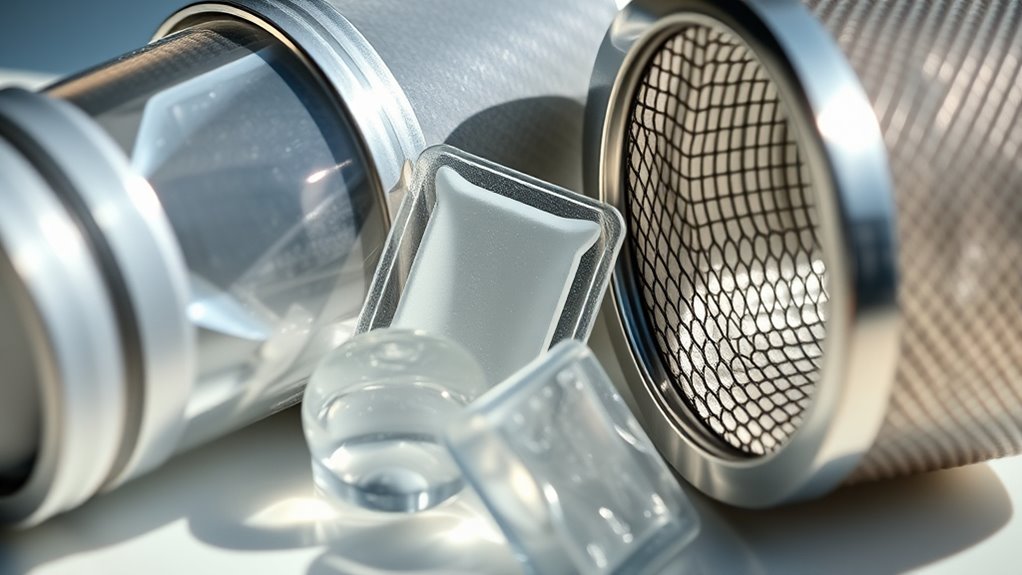

Water treatment tablets and filters are effective tools for purifying water when used correctly, but they have limits. Tablets made with chlorine or iodine kill most bacteria and viruses but might not eliminate protozoa or chemicals. Filters remove bacteria, protozoa, and sediments but may not block all viruses or chemical pollutants. Combining both methods enhances safety, yet heavily contaminated water may require advanced systems. To stay safe, understand each product’s capabilities—more tips follow.

Get emergency and outdoor gear delivered free — and shop member deals
- Fast, free delivery on millions of items
- Access to Prime Big Deal Days deals on October 6–7
- Prime Video, Amazon Music and more included
Key Takeaways
- Water treatment tablets are effective against bacteria and viruses but may not eliminate protozoa like Cryptosporidium.
- Proper use involves following instructions, pre-filtered water, and correct dosage to avoid chemical residues and ensure safety.
- Water filters effectively remove bacteria and protozoa but may not eliminate viruses or chemical pollutants unless specifically designed for that purpose.
- Combining filtration and chemical treatment enhances safety, but neither method guarantees complete protection in heavily contaminated water.
- Regular maintenance and understanding each method’s limitations are essential for safe, effective water purification.
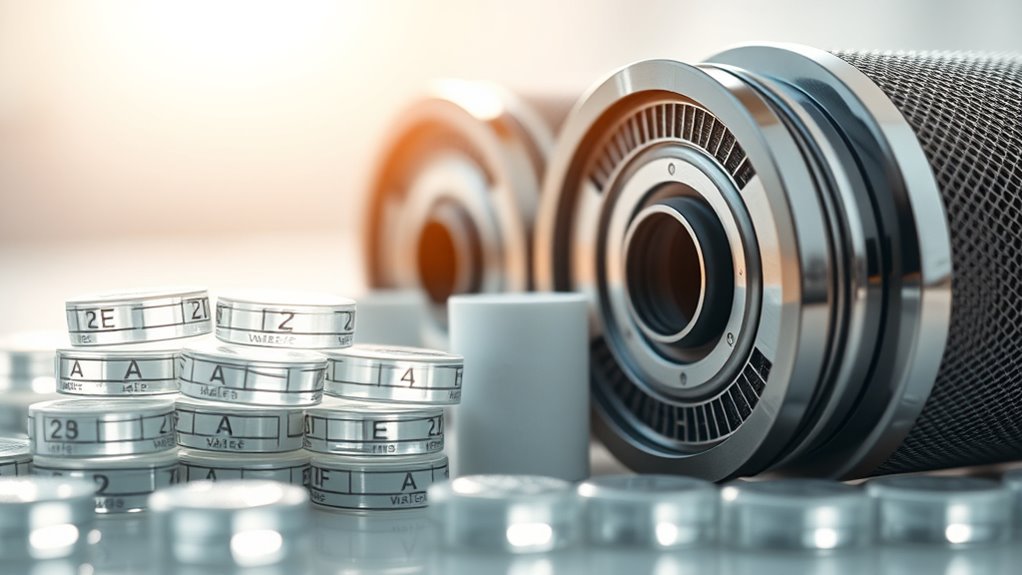
Water treatment tablets, typically made with chlorine or iodine, are portable and easy to use. You simply add the recommended number of tablets to a container of water, wait the prescribed amount of time, and then drink. These tablets are effective against many bacteria and viruses, but they’re not foolproof. For example, they often struggle with certain protozoa like Cryptosporidium, which can survive chemical disinfection. Additionally, some tablets can leave an unpleasant taste or odor, and overuse may lead to health concerns over chemical residues. It’s important to follow the instructions precisely—using the right amount, waiting the correct time, and ensuring the water is clear before treatment. If the water is muddy or contains debris, pre-filter it through a cloth or other material to improve effectiveness and prevent clogging. Properly storing and handling these tablets also prolongs their effectiveness and safety.
Water treatment tablets are effective but require proper use and pre-filtering for best results.
Filters, on the other hand, physically remove contaminants from water. They come in various forms—pump filters, squeeze bottles, gravity systems, or straw-style devices. Proper use involves regular maintenance, such as cleaning or replacing filters as recommended by the manufacturer. While filters are excellent at removing bacteria, protozoa, and some sediments, they may not be effective against viruses unless specifically designed with advanced membranes. It’s essential to understand what your filter can handle; using it on water contaminated with chemical pollutants or heavy metals might give a false sense of security. Always check the specifications before relying solely on a filter for chemical or toxic contamination.
Both tablets and filters have their limitations, and no single method guarantees complete safety in every situation. Combining methods—such as filtering water first and then treating it with tablets—can provide an extra layer of protection. Remember that neither method can fully eliminate all contaminants if the water source is heavily polluted. In such cases, seeking alternative water sources or using more advanced purification systems becomes necessary. Also, store treated water properly to prevent recontamination. Proper use, thorough understanding of each product’s capabilities, and awareness of their limits are key to ensuring your drinking water remains safe during outdoor adventures or emergencies. Understanding the regional water quality and potential contaminants can help you select the most effective treatment methods.
water treatment tablets for camping
As an affiliate, we earn on qualifying purchases.
As an affiliate, we earn on qualifying purchases.
Frequently Asked Questions
Are Water Treatment Tablets Effective Against Viruses?
Yes, water treatment tablets can be effective against viruses if you follow the instructions carefully. They typically contain disinfectants like chlorine or iodine, which can inactivate many viruses. However, their effectiveness depends on proper contact time, water clarity, and tablet quality. Always check the product label for virus protection claims, and consider alternative methods if you’re unsure or dealing with highly contaminated water.
How Long Do Water Filters Typically Last?
Water filters typically last between 2 to 6 months, depending on usage and the filter type. You should check the manufacturer’s guidelines for specific lifespan details. Regularly inspect your filter for signs of clogging or reduced flow, and replace it promptly to guarantee clean, safe water. Proper maintenance extends the filter’s effectiveness, so don’t ignore replacement schedules. Staying on top of these details keeps your water safe and your system running smoothly.
Can Tablets Be Used in Cold Water?
Did you know that over 2 billion people worldwide lack access to clean drinking water? Tablets can be used in cold water, but effectiveness varies. Cold temperatures may slow down the chemical reactions needed to purify water, so it can take longer. Always follow the manufacturer’s instructions, and if the water is extremely cold, consider pre-warming it slightly to guarantee proper disinfection.
Are There Any Health Risks With Long-Term Filter Use?
Yes, long-term filter use can pose health risks if you don’t maintain them properly. Over time, filters can trap bacteria, mold, or other contaminants if they aren’t cleaned or replaced regularly, which may cause health issues. Additionally, some filters may leach materials into your water if they degrade. To stay safe, follow manufacturer instructions for maintenance, replace filters as recommended, and monitor your water quality regularly.
Do Tablets Alter the Taste of Drinking Water?
The proof is in the pudding—you might notice a slight change in taste when you use water treatment tablets. Some tablets can give your water a metallic or chemical flavor, especially if used excessively. However, many modern formulations are designed to minimize this. To keep the taste as neutral as possible, follow the instructions carefully and avoid overuse. Your water should be safe and pleasant to drink without any unpleasant aftertaste.
Conclusion
So, next time you grab those water tablets or filters, remember—they’re your tiny superheroes fighting off the worst germs and contaminants. But don’t rely on them to turn your tap water into a magic potion; they have their real limits. Use them wisely, follow the instructions, and you’ll stay safe. Otherwise, you might end up drinking water that’s more like a questionable potion than pure, clean refreshment. Stay smart, stay safe, and keep those water heroes in check!
Fall Picks
fall essentials
As an affiliate, we earn on qualifying purchases.