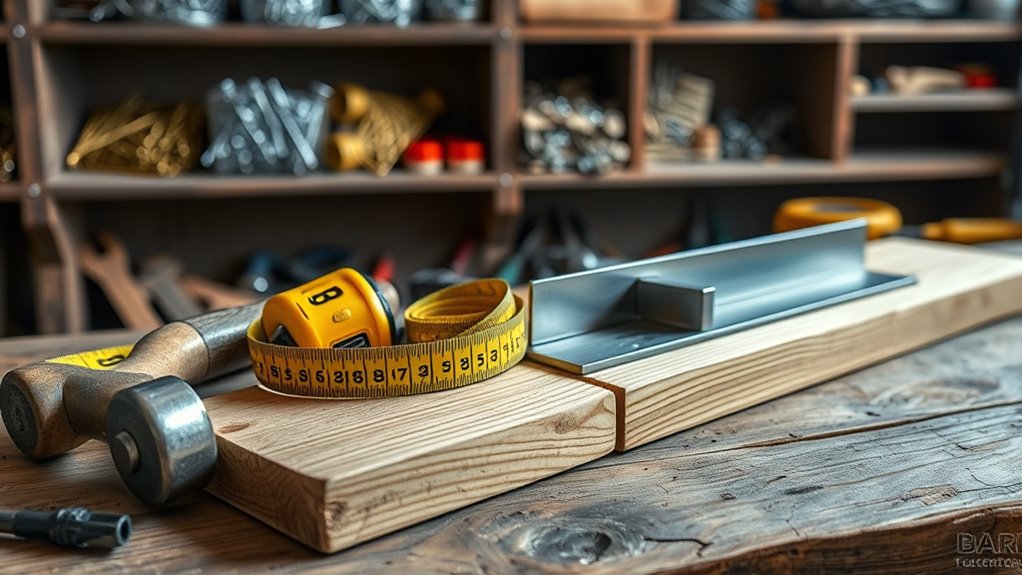

To get started with basic carpentry for DIY repairs, focus on mastering common wood joints like butt, dovetail, and mortise-and-tenon for strength and stability. Practice measuring carefully with a good tape measure and marking accurately with a pencil and square. Use the right saws to cut pieces precisely, then dry-fit before assembling. Developing these foundational skills boosts your confidence and quality of work, and if you continue exploring, you’ll discover even more advanced techniques.
Listen free for 30 days with Audible
Thousands of audiobooks and originals — cancel anytime.
As an affiliate, we earn on qualifying purchases.
Key Takeaways
- Learn common wood joints like butt, dovetail, and mortise-and-tenon for strong, reliable repairs.
- Measure carefully with a tape measure and square to ensure precise cuts and proper fit.
- Use the appropriate saws and follow marked lines carefully for accurate, straight cuts.
- Dry-fit pieces before gluing or fastening to check fit and make necessary adjustments.
- Develop skills through practice, patience, and utilizing quality tools to improve repair quality and confidence.
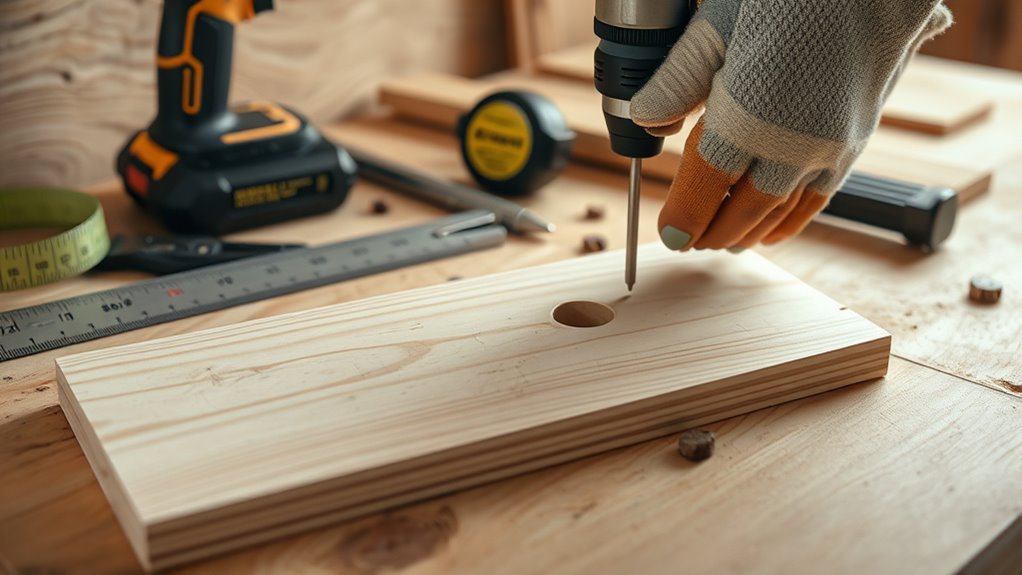
If you’re interested in tackling simple home repairs yourself, learning basic carpentry skills is a great place to start. One of the first areas to focus on is understanding different wood joint types. Knowing how to create strong, reliable joints is essential for everything from framing to furniture repair. There are several common types, like butt joints, where two pieces of wood are simply butted together, and more durable options such as dovetail and mortise-and-tenon joints, which provide added strength and stability. As you practice, you’ll see how each joint type serves different purposes, and choosing the right one depends on the load, appearance, and ease of assembly.
Master basic wood joints like butt, dovetail, and mortise-and-tenon for strong, reliable DIY repairs.
Before you even begin cutting or joining wood, measuring and marking become your most important tools. Precise measurement ensures your pieces fit correctly, preventing wasted material and frustration later on. When measuring, use a good quality tape measure and double-check your numbers. Mark your cuts clearly with a pencil, making small, distinct lines that are easy to follow with your saw or chisel. For accuracy, consider using a square or a combination square to ensure your markings are perfectly perpendicular or at the desired angle. Proper measuring and marking are the foundation of good carpentry, helping you avoid mistakes that could compromise the integrity of your project.
Once you’ve identified your joint type and marked your measurements, the next step is carefully cutting your wood. Use the appropriate saw for the task—whether it’s a handsaw, miter saw, or circular saw—and follow your marked lines precisely. Take your time to ensure straight cuts, as uneven edges can weaken your joints and affect the overall appearance. After cutting, dry-fit the pieces together to check their fit before applying glue or fasteners. This step allows you to make adjustments if necessary, saving you time and material.
As you develop your skills, you’ll find that mastering wood joint types and honing your measuring and marking techniques will markedly improve your projects. These foundational skills help ensure your repairs are strong, durable, and visually appealing. Remember, patience and attention to detail are key. With practice, you’ll become more confident in your ability to create precise joints and cuts, making DIY repairs more manageable and satisfying. Additionally, exploring modern carpentry tools can further streamline your projects and improve accuracy, making your DIY experience more enjoyable. Over time, these skills will become second nature, empowering you to take on more complex projects with confidence and ease.
Frequently Asked Questions
What Safety Gear Should I Wear During Carpentry Projects?
You should wear protective eyewear to shield your eyes from debris and dust, and hearing protection to safeguard your ears from loud tools. Gloves can protect your hands, but only if they don’t interfere with your grip or safety. Always use a dust mask if you’re sanding or working with materials that produce fine particles. Prioritizing safety gear guarantees you stay protected while tackling your carpentry projects.
How Do I Choose the Right Type of Wood for Repairs?
Choosing the right wood is like picking the perfect puzzle piece. You’ll want to contemplate grain patterns, which affect strength and appearance, and wood treatments for durability. For repairs, opt for hardwoods like oak or maple if strength matters, or softwoods like pine for ease of work. Match the wood’s grain and treatment to your project’s needs, ensuring it blends seamlessly and holds up over time.
What Are Common Mistakes Beginners Make in Carpentry?
You often make measurement mistakes or use improper tools, which can lead to poor results. Always double-check your measurements and take your time to mark cut lines accurately. Use the right tools for each task; for example, don’t force a dull saw through wood. These small errors can cause frustration and waste materials, so stay patient, follow instructions carefully, and practice proper techniques to improve your carpentry skills.
How Can I Measure Accurately for Precise Cuts?
To measure accurately for precise cuts, focus on proper measuring techniques like using a quality tape measure and a square for straight lines. Always double-check your measurements before marking, and mark clearly with a sharp pencil for marking accuracy. Keep the tape measure snug against the edge and avoid slack. Take your time, and verify measurements multiple times to make certain your cuts are exactly right, reducing errors and waste.
What Tools Are Essential for Basic Carpentry Work?
Imagine a toolbox as your carpentry palette; essential tools like a tape measure, square, and saw help you craft precision. You’ll rely on measuring techniques to make certain accurate cuts and proper fitting of woodworking joints. A pencil for marking, a level for straight lines, and clamps for stability complete your kit. These tools make your project smoother, turning rough timber into polished pieces with confidence and skill.
Conclusion
Now that you’ve got the basics down, you’re like a skilled captain steering your own ship through DIY repairs. With each project, your confidence grows, and your home becomes a stronger, more personalized harbor. Remember, every expert was once a beginner, so don’t be afraid to learn and try new things. Keep practicing, stay patient, and soon you’ll be maneuvering even bigger repair adventures with ease—your toolbox and skills ready for anything that comes your way.
NFL season / tailgating Picks
team gear
As an affiliate, we earn on qualifying purchases.