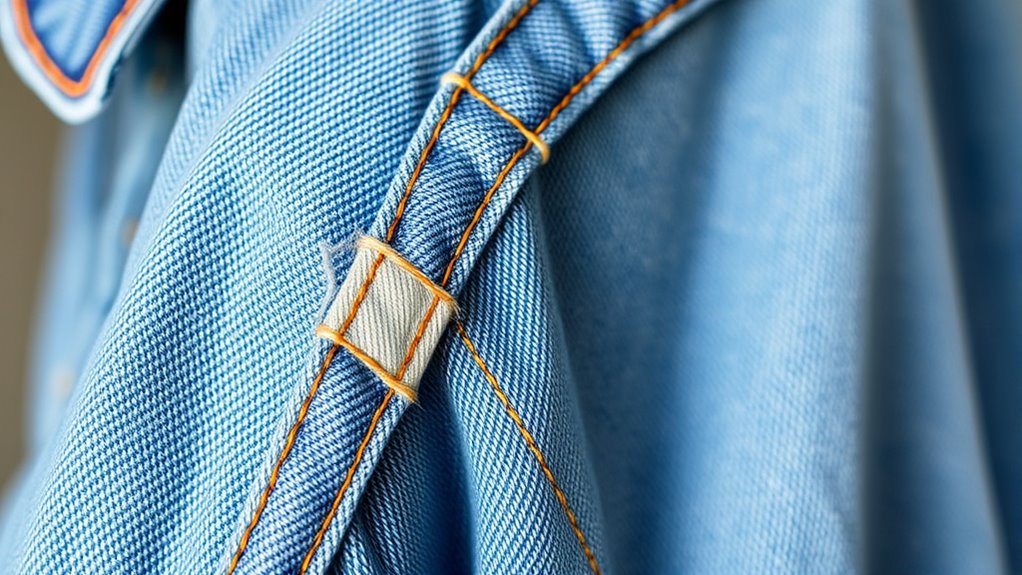

Sewing your clothes instead of tossing them can extend their life, save money, and help the environment. Simple repairs like reattaching buttons, fixing tears, and patching worn areas are easy and effective with basic skills and tools. By focusing on durable, practical fixes, you turn damaged items into wearable pieces again. Keep exploring ways to make your wardrobe more sustainable—there’s more you can do to keep your clothes lasting longer.
Key Takeaways
- Basic sewing skills enable quick repairs like fixing tears, reattaching buttons, and mending hems, extending clothing lifespan.
- Patching worn areas prevents further damage and keeps garments functional, reducing the need for replacements.
- Using appropriate tools and stitches ensures durable, practical repairs tailored to different fabric types.
- Repairing clothes promotes sustainable fashion by minimizing textile waste and environmental impact.
- Small, manageable projects build confidence and inspire a conscious, eco-friendly approach to wardrobe maintenance.

Ever wonder how a simple stitch can save your favorite shirt or that cozy sweater? “Sew It Don’t Toss It” encourages you to embrace sewing as a practical way to extend your clothing’s life, rather than discarding items at the first sign of wear. When you learn basic repair skills, you gain the power to fix tears, loose seams, and minor damage, transforming what might seem like garbage into wearable treasures. Instead of rushing to buy new clothes, you can invest a little time into mending what you already own. It’s not just about saving money; it’s also about reducing waste and making your wardrobe more sustainable.
You don’t need to be an expert seamstress to perform simple repairs. Starting with small projects helps you build confidence. For example, if a hem comes undone or a button falls off, you can easily sew it back on with a needle and thread. These quick fixes not only prolong the life of your clothes but also give you a sense of accomplishment. Over time, you might find yourself tackling more complex repairs, like patching a worn-out elbow or mending a small tear in your favorite jeans. These fixes require patience and a little practice, but they’re entirely doable with basic supplies and a bit of guidance.
Using the right tools makes all the difference. Keep a sewing kit handy—needles, threads matching your clothing colors, scissors, and patches. For small tears, a simple whip stitch or a zigzag stitch can do the trick. For larger holes, you might want to reinforce the area with a fabric patch before sewing it up. Learning how to sew a simple patch can be a game changer, especially for denim or knits prone to holes. Many tutorials are available online to help you master these skills quickly. Remember, the goal isn’t perfection but functionality. Your repaired clothing might not look brand-new, but it will serve its purpose and last much longer. Embracing clothing repairs can also inspire you to explore other sustainable fashion practices and become more conscious in your wardrobe choices.
Frequently Asked Questions
How Can I Identify When a Clothing Item Is Worth Repairing?
You should consider repairing your clothing when the item holds sentimental value, is made from quality materials, or can be easily fixed without extensive effort. Check for minor issues like loose seams, small tears, or missing buttons—these are usually worth patching up. If the repair costs less than buying new, and the item still fits and functions well, it’s definitely worth fixing to extend its life.
What Are Basic Sewing Tools Every Beginner Should Have?
You should start with essential tools like a sewing needle and pins for simple repairs. A basic sewing kit also includes scissors, a thimble, and a measuring tape to help you work accurately. Consider getting colorful or clear thread to match different fabrics. A seam ripper is handy for fixing mistakes, and an iron helps smooth out wrinkles and set stitches. These tools make sewing easier and more enjoyable for beginners.
How Do I Choose the Right Thread Color for Repairs?
You should choose a thread color that closely matches your garment for the most seamless repair. Hold a small piece of the fabric next to the thread to compare shades in natural light. If you’re unsure, opt for a neutral color like beige or gray that blends well with many fabrics. Remember, a matching thread makes repairs less noticeable, helping your clothes look fresh and well-maintained.
Are There Eco-Friendly Alternatives to Traditional Repair Materials?
Think of eco-friendly repair materials as seeds of change. You can choose organic cotton or hemp threads, which grow sustainably and break down naturally. Plant-based dyes are gentle yet vibrant, symbolizing renewal. Using biodegradable patches or cork fabric shows your commitment to healing garments without harming the planet. These alternatives act as threads of hope, weaving a future where clothing lasts longer and our environment stays healthy.
How Can I Maintain Repaired Clothes to Ensure Longevity?
To keep your repaired clothes lasting longer, wash them gently in cold water and avoid harsh detergents. Always follow care labels to prevent further damage, and store them properly in a cool, dry place. Repair small tears or loose seams promptly to prevent bigger issues. And, if needed, reinforce repairs with eco-friendly materials to extend their life. Regular care and prompt fixes help your clothes stay in great shape longer.
Conclusion
By choosing to sew instead of toss, you breathe new life into your clothes, turning waste into treasure. It’s a simple act that saves money and reduces clutter, yet it also connects you to your wardrobe’s story. While tossing a garment might be quick, repairing it creates lasting memories and sustainability. So next time a shirt tears or a hem frays, remember: sewing it up isn’t just practical—it’s a powerful way to care for your clothes and the planet.