You can easily grow enough food for your family using container gardens on your balcony, patio, or even windowsill. Focus on quick-growing greens, herbs, and compact fruiting plants like cherry tomatoes or dwarf varieties. Choose containers with good drainage and quality soil, and place them where they get at least six hours of sunlight daily. With the right setup and care, you’ll enjoy fresh, homegrown produce. Keep exploring to discover how to maximize your container garden’s yield.

Get emergency and outdoor gear delivered free — and shop member deals
- Fast, free delivery on millions of items
- Access to Prime Big Deal Days deals on October 6–7
- Prime Video, Amazon Music and more included
Key Takeaways
- Choose versatile, high-yield plants like tomatoes, leafy greens, and herbs suited for container growth to maximize harvests.
- Use appropriately sized containers with drainage and quality potting soil to promote healthy plant development.
- Position containers in areas with at least six hours of direct sunlight or supplement with grow lights for optimal growth.
- Practice companion planting and organic pest control to enhance plant health and avoid chemical pesticides.
- Regularly harvest mature produce to ensure continuous growth and provide fresh food for your family.

Growing your own food in container gardens is an efficient way to feed your family, even if you have limited space. Whether you live in an apartment, have a small backyard, or only a balcony, container gardening allows you to cultivate fresh produce right at your fingertips. The key is choosing the right containers and plants suited to your environment. You don’t need a large garden plot to enjoy homegrown vegetables and herbs; a few well-selected containers can produce a surprising amount of food.
Container gardening offers an efficient way to grow fresh food in small spaces.
Start by selecting containers that provide adequate drainage and enough space for your chosen plants. You can use traditional pots, buckets, or even repurposed items like old wheelbarrows or wooden crates. Make sure they’re clean and have drainage holes to prevent waterlogging. Fill them with quality potting soil designed for container gardening, as this will give your plants the nutrients they need to thrive. Keep in mind that container plants typically require more frequent watering than those in the ground, so check moisture levels regularly and water when the top inch of soil feels dry.
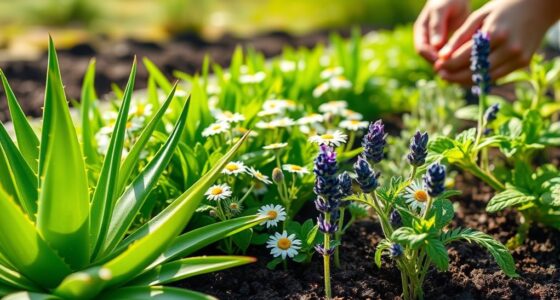
When choosing plants, focus on those that grow well in containers and can provide consistent harvests. Leafy greens like lettuce, spinach, and kale are excellent choices because they grow quickly, require minimal space, and can be harvested multiple times. Tomatoes are another popular option; cherry or dwarf varieties work well in containers and can produce abundant fruit throughout the season. Herbs such as basil, parsley, cilantro, and mint are easy to grow in small pots and add flavor to your meals while encouraging you to cook from scratch more often.
Planting in containers is flexible, allowing you to optimize sunlight exposure based on your space. Most vegetables and herbs need at least six hours of direct sunlight daily, so place your containers accordingly. If sunlight is limited, consider grow lights or placing containers near windows that receive ample light. Companion planting also helps maximize yields and manage pests naturally. For instance, planting basil near tomatoes can enhance flavor and deter pests.
Container gardening isn’t just about convenience; it’s a sustainable way to control what you eat. You can avoid pesticides and select organic seeds and soil. As your plants grow, you’ll learn to harvest at peak ripeness, ensuring maximum flavor and nutrition. With a little effort and planning, your container garden can become a reliable source of fresh, healthy food for your family, no matter the size of your space. It’s a simple yet effective way to take control of your food and enjoy the satisfaction of growing it yourself.
container garden pots with drainage
As an affiliate, we earn on qualifying purchases.
As an affiliate, we earn on qualifying purchases.
Frequently Asked Questions
What Are the Best Container Materials for Growing Edible Plants?
You should choose containers made from materials like terracotta, plastic, or wood for growing edible plants. Terracotta is breathable and helps prevent overwatering, but it can crack in freezing temperatures. Plastic is lightweight, affordable, and retains moisture well, making it easy to manage. Wooden containers are natural and attractive, but make certain they’re treated to avoid rot. Consider your climate, plant needs, and aesthetic preferences when selecting the best material.
How Do I Prevent Pests in Container Gardens?
Pests can be as sneaky as a fox in your garden, but you can outsmart them. You should regularly inspect your plants, remove any pests by hand, and use organic barriers like row covers. Introduce beneficial insects such as ladybugs or predatory mites to naturally control pests, and avoid chemical pesticides that can harm your plants and the environment. Consistent vigilance keeps your container garden thriving and pest-free.
Can Container Gardens Survive Winter in Cold Climates?
Yes, container gardens can survive winter in cold climates if you take proper precautions. You should move your containers to a sheltered spot like a garage or shed, or insulate them with straw, bubble wrap, or mulch. Consider using cold-hardy plants or growing them indoors on sunny windowsills. Regularly check for frost, and if needed, cover your plants during cold snaps to protect them and guarantee they thrive through winter.
How Often Should I Fertilize Container-Grown Vegetables?
Did you know that regular fertilization can boost your vegetables’ yields by up to 30%? You should fertilize your container-grown vegetables every 1-2 weeks during the growing season. Use a balanced, water-soluble fertilizer and follow the label instructions for the right amount. Keep an eye on your plants for signs of nutrient deficiencies, and adjust feeding as needed to keep your garden thriving.
What Are Space-Saving Techniques for Small Balconies?
To save space on your small balcony, hang planters and use vertical gardening solutions like wall-mounted planters or trellises. Opt for multi-tiered plant stands to maximize height, and choose compact or dwarf varieties of vegetables and herbs. Arrange your containers strategically, placing taller plants at the back and shorter ones in front. This approach keeps your balcony organized, accessible, and allows you to grow more food in limited space.
Conclusion
So, here you are, growing food in containers, thinking you’re saving money and the planet. Ironically, the real magic is in how easy it is to produce enough to feed your family—without much effort or land. Who knew that a few pots could turn you into a food producer? Now, instead of relying on grocery stores, you’re unexpectedly self-sufficient. Maybe the real secret to sustainability was just a container away all along.
Fall Picks
fall essentials
As an affiliate, we earn on qualifying purchases.