If you need to stay warm and dry fast with almost nothing, find a natural shelter like rocks or thick bushes, and insulate yourself using dry leaves, bark, or blankets. Keep your clothing dry and cover yourself with plastic, bark, or any waterproof material to prevent moisture. Stay active to generate body heat and avoid sitting still for too long. If you stick with these tips, you’ll discover even more ways to survive, no matter your circumstances.
Key Takeaways
- Use available insulation like jackets, blankets, or dry leaves to trap body heat and reduce heat loss.
- Find natural shelters such as dense thickets, overhanging branches, or large rocks for wind and rain protection.
- Cover yourself with plastic, tarp, or bark to stay dry, and secure coverings to prevent moisture entry.
- Keep moving lightly to generate body heat and avoid prolonged stillness that can cause temperature drops.
- Sit or lie on insulating materials to prevent contact with cold ground, reducing hypothermia risk.

Have you ever found yourself in urgent need of a shelter and wondered how quickly you can secure a safe place to stay? When you’re caught outside with nothing but the clothes on your back, every second counts. Your primary goal becomes staying warm and dry, preventing hypothermia and other dangers that come with exposure. Luckily, there are simple strategies you can employ to protect yourself even with minimal resources.
First, focus on creating a barrier between yourself and the cold ground. If you have any form of insulation like a jacket, a blanket, or even large leaves, use them to cushion your body. Sit or lie on this material to prevent heat loss through direct contact with the cold surface. If you’re in a wooded area, gathering dry leaves, pine needles, or shredded bark can serve as an effective insulating layer. Piling these materials underneath you keeps your body heat from dissipating into the ground and reduces the risk of hypothermia.
Create a barrier with insulation like leaves or a blanket to prevent heat loss to the ground.
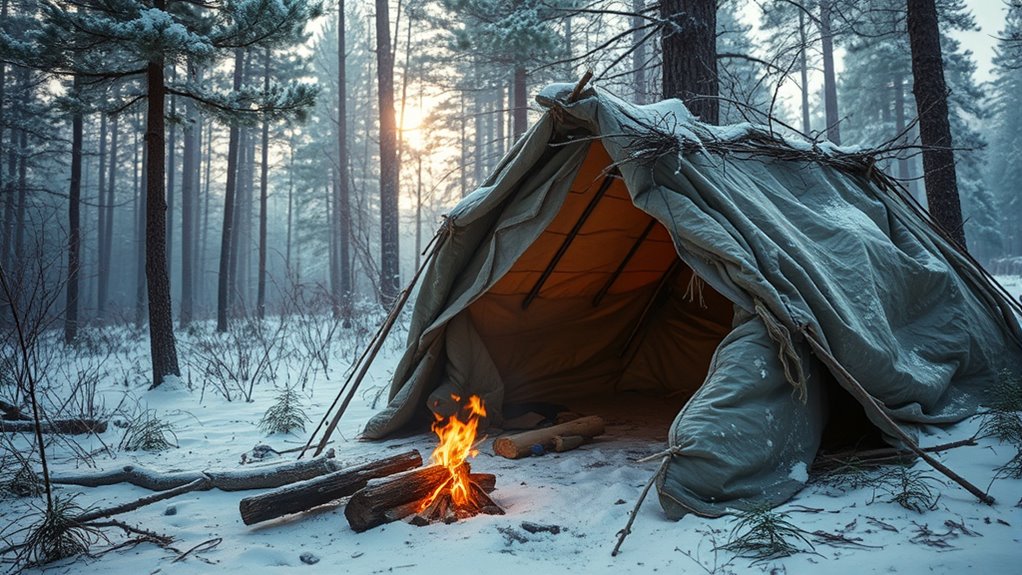
Next, seek out natural shelter that offers protection from wind and rain. Look for dense thickets, overhanging branches, or large rocks that can shield you from the elements. If possible, position yourself so your back is against a solid surface, which helps block wind and retain heat. If you find a fallen log or a hollowed-out tree, these can provide a more secure shelter. Remember, the goal is to reduce wind exposure and prevent rain from soaking you, so always prioritize natural features that offer the best cover.
In addition, use what you have to stay dry. If you have any clothing, even a single layer, make sure it’s as dry as possible and wear it properly. If your clothing gets wet, your body will lose heat rapidly, increasing the danger of hypothermia. If you’re caught in the rain, find any material you can use to cover yourself—plastic, a tarp, or even large pieces of bark or plastic bags. If you don’t have waterproof gear, fashion a makeshift cover by arranging branches and leaves over your head and torso, securing it with cords, shoelaces, or strips of cloth if available.
Furthermore, be aware that proper insulation is essential for survival, so always look for additional materials that can help trap your body heat. Finally, keep moving if you’re able. Light activity generates body heat and helps maintain circulation. Shivering is your body’s natural response to cold, so if you start shivering, it means your body is working hard to stay warm. Avoid sitting still for too long, as this can cause your body temperature to drop further. Consistently seek out or create insulation, shelter, and dry areas, and your chances of surviving cold conditions improve dramatically.
Frequently Asked Questions
What Are the Best Natural Materials for Shelter Construction?
You should use natural materials like wood, leaves, and bark for shelter construction. Wood provides sturdy framing and insulation, while leaves and bark are excellent for roofing and waterproofing. You can also incorporate mud or clay to seal gaps and add stability. These materials are readily available in nature, easy to work with, and help you stay warm and dry, even when resources are limited.
How Can I Find Clean Water in an Emergency?
You’d be surprised, but your best bet for clean water is collecting rain or dew—just set out a container overnight. If that’s not an option, look for streams or springs, but always boil or filter water first. Avoid stagnant puddles or muddy areas—they’re tempting but often full of contaminants. Remember, your survival depends on proper purification; don’t risk drinking unsafe water, even if it looks crystal clear.
What Are Signs of Hypothermia to Watch For?
You should watch for signs like shivering, exhaustion, confusion, and slow, shallow breathing. If you notice someone’s face or lips turning blue, or they become clumsy and irritable, these are serious indicators of hypothermia. Their skin might feel cold and pale. If you see these signs, get them to warmth immediately, remove any damp clothing, and seek emergency help. Acting quickly can save a life.
How Do I Signal for Rescue Effectively?
You can signal for rescue effectively by using visible signals like a brightly colored cloth or mirror to reflect sunlight. Shout loudly at regular intervals, and create noise with whistles or banging objects. If possible, use a fire to produce smoke during the day or a flashlight at night. Position yourself in an open area to be easily seen, and stay calm to conserve energy while waiting for help.
What Are Common Mistakes to Avoid in Shelter Building?
You should avoid building a shelter that’s unstable or poorly insulated, as it won’t keep you warm or dry. Don’t neglect proper site selection—pick a spot protected from wind and water. Using unsuitable materials or overcomplicating the design can waste energy and time. Also, don’t forget to guarantee proper ventilation to prevent condensation. Keep it simple, sturdy, and well-placed to maximize your shelter’s effectiveness.
Conclusion
When you’re stranded with almost nothing, your quick thinking can turn the tide. Use what you have—branches, clothing, or even a tarp—to create a shelter that shields you from the elements. Remember, a simple refuge can be more powerful than you’d think, holding back storms and freezing cold like an unbreakable fortress. Stay calm, act fast, and trust your resourcefulness—you might just outsmart nature’s fiercest fury with nothing but your own ingenuity.