

To design a family emergency plan, identify multiple escape routes from each room and practice them regularly to build confidence. Establish a communication plan with a primary contact outside your home, using phones or walkie-talkies, and create a list of emergency contacts. Decide on a safe outdoor meeting spot, prepare supplies, and review the plan often. Preparing ahead guarantees everyone stays calm and coordinated during a crisis—continue to discover more tips to enhance your plan.
Key Takeaways
- Identify multiple escape routes and safe outdoor meeting spots for each room in the home.
- Establish clear communication methods and designate a primary outside contact for coordination.
- Create a comprehensive emergency plan covering evacuation procedures, roles, and responsibilities for all family members.
- Conduct regular drills to practice evacuation, communication, and reinforce familiarity with procedures.
- Prepare emergency kits and update the plan periodically to adapt to changing circumstances and hazards.
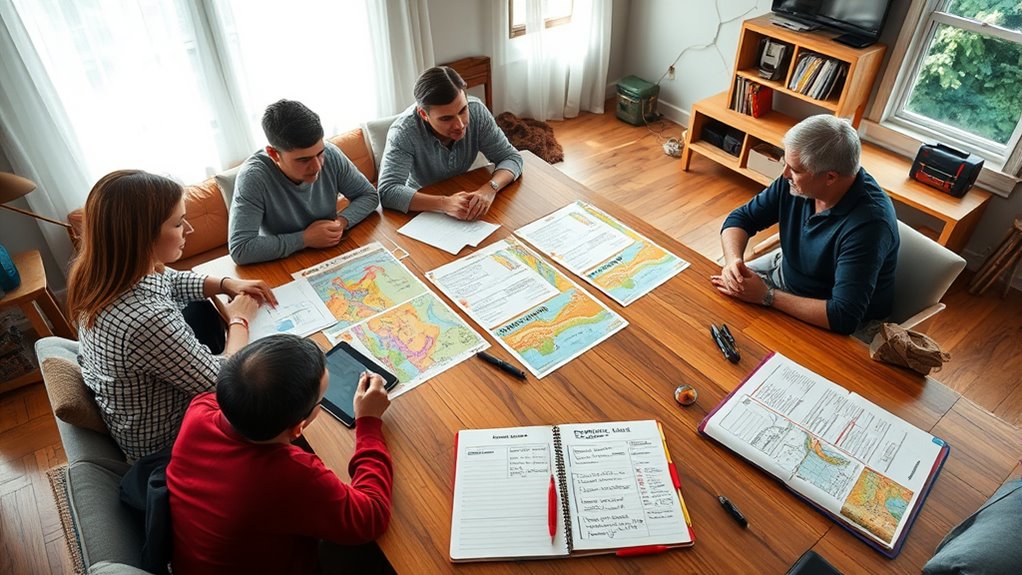
Have you ever wondered what you would do if a sudden emergency disrupted your family’s daily life? Preparing for such moments can feel overwhelming, but creating a solid family emergency plan makes a huge difference. One essential part of that plan involves understanding evacuation procedures. Knowing exactly how to leave your home quickly and safely can save precious time and reduce panic. You should identify multiple escape routes from each room, considering possible obstacles or hazards. Practice these routes regularly so everyone knows where to go without hesitation. Determine a safe meeting spot outside your home, like a neighbor’s yard or a park, where everyone can regroup after evacuating. Additionally, plan for scenarios where certain routes might be blocked, so having alternatives ready is crucial. This way, your family won’t be left scrambling in a stressful situation.
Alongside evacuation procedures, developing communication strategies is equally vital. During an emergency, normal communication channels might be disrupted or overwhelmed, so having a clear plan helps everyone stay connected. Designate a primary contact outside your immediate area, such as a relative or friend, who can coordinate information and relay messages between family members if needed. Make sure each member knows how to reach this person and understands the importance of checking in regularly. Also, establish how you’ll communicate within your family—whether through cell phones, walkie-talkies, or designated meeting points. Keep emergency contact lists accessible, printed, and stored in multiple locations, like your wallet, car, and home. Discuss and practice how to communicate effectively under stressful conditions, so everyone remains calm and knows what to do when the time comes. Vetted information on privacy policies and data security can help ensure your family’s communication methods are protected and reliable.
Creating a family emergency plan isn’t just about knowing what to do; it’s about making sure everyone is prepared and confident in their roles. Regular drills help reinforce evacuation procedures and communication strategies, making these actions second nature. Familiarity reduces panic and helps ensure a swift, coordinated response. It’s also wise to review and update your plan periodically, especially if your family’s circumstances change or new hazards emerge. By taking these steps, you’re not only protecting your loved ones but also empowering them to face emergencies with confidence. When everyone knows their role and how to stay connected, you considerably increase your family’s safety and resilience. Remember, a well-designed plan can transform chaos into order, giving you peace of mind amid uncertainty.
Frequently Asked Questions
How Often Should I Review and Update Our Emergency Plan?
You should schedule reviews of your emergency plan at least once a year and after any significant event, such as a natural disaster or changes in your family. Regular plan revisions guarantee everyone stays prepared and aware of current procedures. Keep your family informed about updates and practice drills regularly. This way, your plan remains effective, and everyone knows what to do in an emergency, reducing confusion and increasing safety.
What Are the Best Communication Tools for Family Emergencies?
Think of communication tools as your lifeline during emergencies. You should prioritize reliable communication apps like WhatsApp, Signal, or texting for quick updates. Make certain everyone in your family has an emergency contact list saved, including local authorities and trusted neighbors. Regularly test these tools to guarantee they’re working and everyone knows how to use them. When chaos strikes, these tools keep you connected and informed—your safety net when it counts most.
How Can I Involve Children in Emergency Preparedness?
You can involve children in emergency preparedness by teaching them about child safety in simple, age-appropriate ways. Practice emergency drills regularly so they become familiar with procedures, making them confident and calm during actual events. Encourage their participation by assigning small tasks, like gathering their emergency kit or identifying safe spots. These activities help children feel empowered and prepared, ensuring everyone stays safe and calm during emergencies.
What Should I Include in a Family Emergency Kit?
You should include emergency supplies like bottled water, non-perishable food, flashlights, batteries, and a portable phone charger. Don’t forget a well-stocked first aid kit with bandages, antiseptic, and any necessary medications. Pack extra clothes, blankets, and personal hygiene items. Make sure to have copies of important documents. Regularly check and update your emergency supplies to guarantee everything is in good condition and ready when needed.
How Do I Coordinate With Neighbors and Community During Emergencies?
Imagine your neighborhood as a symphony waiting to play in harmony. You can coordinate during emergencies by establishing clear neighborhood communication channels, like group chats or meetings, to share essential updates swiftly. Tap into community resources such as local shelters or emergency services, and encourage neighbors to do the same. Building strong relationships ensures everyone knows their role, turning chaos into coordinated action and keeping your community resilient in crisis.
Conclusion
By building a bold, balanced family emergency plan, you bring safety and security to your space. Stay savvy, stay prepared, and set your strategy now. When chaos comes, your calm and coordinated response can conquer confusion. Remember, planning in peace prepares you for any predicament. With clear communication, committed coordination, and confident courage, you create a community of care that keeps your loved ones safe, steady, and secure in any storm.