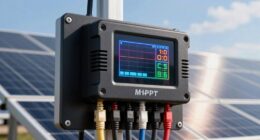
AI tools for predictive analytics in disasters help you forecast climate changes, identify hotspots, and plan effective responses. They analyze real-time data from satellites, sensors, and social sources to detect early warning signs of events like floods, hurricanes, and earthquakes. These tools support resource allocation, improve evacuation strategies, and guide long-term mitigation efforts. By using AI-enhanced models and visual alerts, you can better prepare and respond to disasters. Discover more about these technologies and how they can strengthen your disaster management efforts.
Key Takeaways
- AI-enhanced climate models analyze real-time satellite and sensor data to forecast climate changes and identify disaster hotspots.
- Predictive analytics integrate multiple factors like population and infrastructure for optimized emergency resource deployment.
- AI-powered early warning systems monitor environmental signals to alert authorities and communities before disasters strike.
- Long-term planning tools leverage climate projections to improve infrastructure resilience and guide policy for disaster risk reduction.
- Advanced visualization combined with AI models enhances communication clarity, ensuring rapid understanding of disaster alerts.

Predictive analytics powered by AI is transforming how we prepare for and respond to disasters. By harnessing advanced algorithms and vast data sets, AI enables you to anticipate events more accurately, giving you critical time to act. One of the key ways this technology makes a difference is through climate modeling. Instead of relying solely on historical patterns, AI-driven climate models analyze real-time data from satellites, weather stations, and sensors to forecast how climate conditions will evolve. This allows you to identify potential disaster hotspots, such as areas at risk of flooding or hurricanes, well before they occur. As a result, you can prioritize resources and plan evacuation routes with greater confidence, reducing loss of life and property.
AI also revolutionizes resource allocation during emergencies. When a disaster strikes, you need to distribute supplies, personnel, and aid efficiently. Traditional methods often involve guesswork and slow decision-making, but AI tools can analyze multiple variables simultaneously—such as affected population density, infrastructure status, and logistical constraints—to suggest most effective deployment strategies. This means you can allocate rescue teams to the most urgent areas first or send medical supplies where they are needed most, minimizing delays and maximizing impact. Furthermore, AI models can update these recommendations on the fly as new data streams in, ensuring your response adapts to rapidly changing conditions.
The predictive power of AI extends further into early warning systems. By continuously monitoring environmental and social data, AI algorithms can detect subtle signals indicating an impending disaster—like an unusual increase in seismic activity or changes in groundwater levels. When these signs are identified, alerts can be issued to authorities and communities beforehand, giving everyone precious extra hours or days to prepare. This proactive approach enhances resilience and reduces overall damage.
Additionally, AI-driven climate modeling helps governments and organizations plan long-term mitigation strategies. By understanding potential future climate scenarios, you can develop infrastructure projects that withstand extreme weather, establish policies to reduce greenhouse gas emissions, and create community awareness programs. These efforts not only save lives but also help you build a more resilient society. Moreover, integrating high color accuracy projectors into communication and warning systems can improve the clarity of visual alerts, ensuring critical messages are understood swiftly and accurately by affected populations.
disaster prediction satellite data analysis tools
As an affiliate, we earn on qualifying purchases.
As an affiliate, we earn on qualifying purchases.
Frequently Asked Questions
How Do AI Tools Handle Data Privacy During Disaster Prediction?
You should know that AI tools handle data privacy during disaster prediction by implementing data anonymization, which removes personally identifiable information to protect individuals. They also follow strict privacy compliance standards, ensuring data collection and usage adhere to legal and ethical guidelines. This way, your data remains secure and private while still enabling effective disaster prediction. These practices help maintain trust and prevent misuse of sensitive information.
What Are the Limitations of Current AI Predictive Models?
They say “garbage in, garbage out,” and this holds true for AI predictive models. Your models often face limitations like model bias, which skews results, and data quality issues that reduce accuracy. Current models struggle with unpredictable variables and incomplete data, making forecasts less reliable. These factors highlight that, despite advancements, AI still needs better training and cleaner data to truly excel in disaster prediction.
How Accessible Are These AI Tools for Small Organizations?
You might find AI tools for predictive analytics somewhat accessible, but cost barriers can limit small organizations from adopting them widely. Many of these tools are becoming more user-friendly, with intuitive interfaces designed for non-experts. However, without sufficient funding or technical expertise, implementing these solutions can still be challenging. Investing in affordable, easy-to-use AI tools is vital to help small organizations enhance disaster prediction and response efforts effectively.
What Ethical Considerations Arise in Disaster Predictive Analytics?
Did you know that over 80% of disaster prediction models can contain biases? You must consider ethical issues like bias mitigation, which guarantees fair and accurate predictions, and stakeholder engagement, essential for respecting affected communities’ needs. You’re responsible for transparency, avoiding harm, and making sure predictions serve everyone equitably. Prioritize ethical practices to build trust and improve disaster response effectiveness.
How Do AI Tools Adapt to Rapidly Changing Disaster Scenarios?
You rely on adaptive algorithms and real-time monitoring to keep AI tools effective during rapidly changing disaster scenarios. These tools analyze new data instantly, allowing you to update predictions and responses quickly. By continuously learning from evolving conditions, the AI adjusts to unpredictable situations, helping you make timely decisions. This dynamic approach ensures that your disaster response remains accurate and effective, even as circumstances shift suddenly.

Remote Sensing of the North Eastern Himalayan Ecosystem
As an affiliate, we earn on qualifying purchases.
As an affiliate, we earn on qualifying purchases.
Conclusion
Think of AI tools as your lighthouse in the storm, guiding you through unpredictable waters. They illuminate the path ahead, helping you anticipate disasters before they strike. With each prediction, you’re steering clearer of danger, riding the waves with confidence. Embrace these tools as your steadfast guard, turning chaos into clarity. As the storm rages, let AI be your beacon, leading you safely through the darkness toward calmer shores.
disaster response resource allocation software
As an affiliate, we earn on qualifying purchases.
As an affiliate, we earn on qualifying purchases.
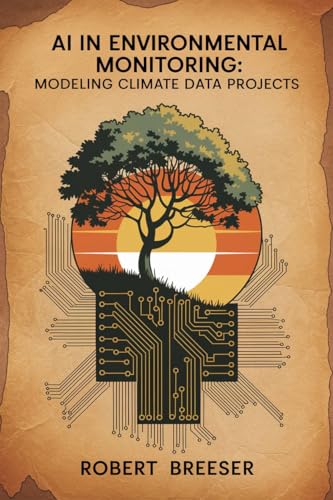
AI in Environmental Monitoring: Modeling Climate Data Projects (AI in Everything Everywhere)
As an affiliate, we earn on qualifying purchases.
As an affiliate, we earn on qualifying purchases.