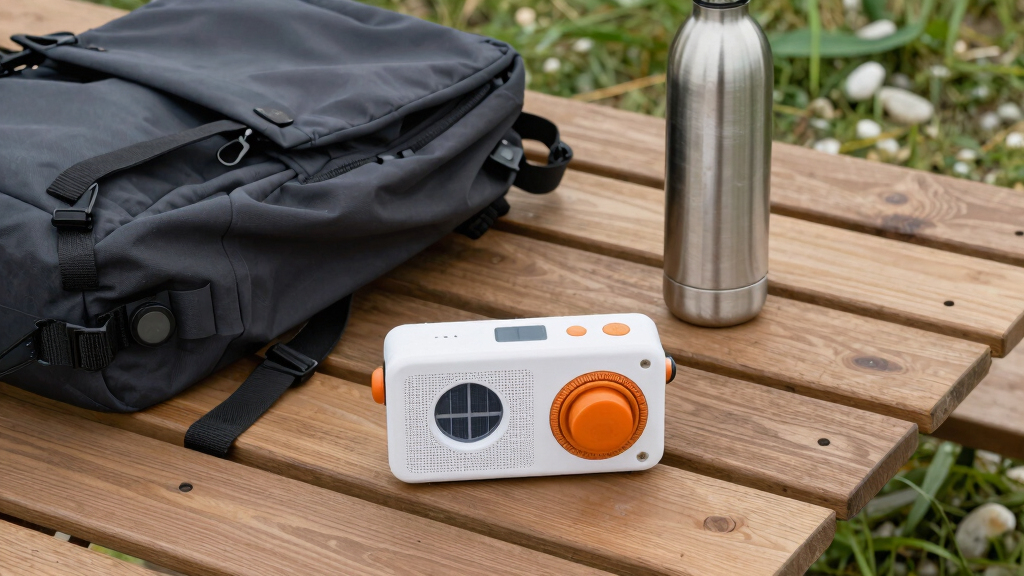

When choosing a solar-powered emergency radio, durability, power capacity, and usability are key. The Emergency Weather Radio stands out as the best overall for its balanced features and reliable NOAA alerts. The Raynic Weather Radio offers extensive weather alert options, making it ideal for storm-prone areas. Meanwhile, the FosPower NOAA Emergency Weather Radio provides a compact, versatile package for those who need portability. Buyers often face tradeoffs between battery capacity, weight, and feature set—more powerful models tend to be bulkier, while smaller units may lack extended runtime. Continue reading for a detailed breakdown of these options to find the best fit for your emergency preparedness kit.
Key Takeaways
- High-capacity batteries (above 10,000mAh) significantly extend usage time during power outages.
- Multiple charging options (solar, hand crank, USB) increase reliability in different emergency scenarios.
- Inclusion of NOAA weather alerts and emergency signals enhances safety during severe weather events.
- Compact size favors portability but may limit battery capacity and feature set.
- Build quality and water resistance are critical for durability in outdoor or harsh conditions.




More Details on Our Top Picks
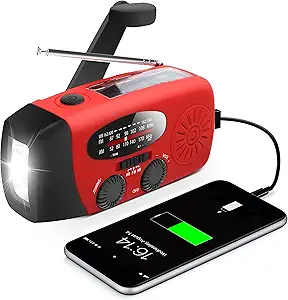
Emergency Weather Radio – Hand Crank Solar, 12000mAh Power Bank, 8500mm² Solar Panel, NOAA AM/FM Alert, Ultra-Clear Sound with 57MM Speaker, 5W Flashlight, SOS for Camping, Hurricanes & Power Outages
This model stands out for combining a robust 12000mAh power bank with multi-band NOAA and AM/FM reception, making it ideal for both weather alerts and device charging during prolonged power outages. Unlike smaller radios, its large solar panel and multiple charging options—including hand crank and Type-C—ensure continuous power, even in low-light conditions. Its clear audio and powerful flashlight make it a reliable choice for outdoor and storm scenarios. However, the size and weight may be less convenient for quick carry or backpacking. Compared with the Emgykit 086S, this radio offers higher capacity and better weather band reception, but at a slightly larger form factor. This pick makes the most sense for users seeking a comprehensive emergency kit with both communication and power features, and who are okay with a bulkier device for longer-term preparedness.
Pros:- High-capacity 12000mAh power bank for extended device charging
- Large 8500mm² solar panel for efficient sunlight collection
- Multi-band NOAA weather alerts with DSP signal processing
- Robust waterproof IPX6 design suitable for outdoor use
Cons:- Relatively bulky and heavier compared to smaller emergency radios
- Higher price point due to extensive features
Best for: Families and outdoor enthusiasts who want a versatile, high-capacity emergency radio with device charging capabilities.
Not ideal for: Hikers or minimalists who prioritize ultra-portability over multi-functionality, due to its size and weight.
- Battery Capacity:12000mAh
- Solar Panel Size:8500mm²
- Power Sources:Solar, Hand Crank, Type-C
- Radio Bands:NOAA, AM/FM
- Water Resistance:IPX6
- Speaker Power:5W
- Dimensions:Approx. 7 x 3.5 x 4 inches
- Weight:Approximately 1.2 lbs
Bottom line: This is the best all-around emergency radio for those prioritizing power, communication, and durability in storm or outdoor scenarios.
Emergency Crank Weather Radio, 14800mWh Solar Hand Crank Portable AM/FM/NOAA Weather Radio with 1W 3 Mode Flashlight & Reading Lamp, Cell Phone Charger, SOS for Home and Emergency
Compared to the others, the MD-090P offers a substantial 14800mWh (4000mAh) battery, enabling it to charge multiple devices and run longer during outages. Its upgraded 3-mode flashlight and motion-sensor reading lamp enhance usability in dark or emergency situations, making it especially suitable for outdoor or home use. The external antenna improves reception, and its price point delivers significant value for the features included. Nevertheless, its larger size and weight might be less suitable for quick mobility or backpacking. Unlike the more compact Raynic model, this radio emphasizes battery capacity and lighting versatility, trading off some portability. It appeals to users seeking maximum power and multi-functionality at an affordable price, especially for home preparedness or outdoor survival.
Pros:- Massive 14800mWh (4000mAh) rechargeable battery for multiple device charges
- Powerful 3-mode flashlight and motion-sensor reading lamp
- External antenna for improved reception
- Affordable price considering the extensive features
Cons:- Larger and heavier, less portable for quick outdoor use
- More complex controls may be overwhelming for casual users
Best for: Homeowners and outdoor survivalists who need a high-capacity radio with versatile lighting features and device charging.
Not ideal for: Lightweight hikers or minimalists who need a compact, easy-to-carry radio for short trips, due to its bulk.
- Battery Capacity:14800mWh
- Recharge Methods:Micro USB, Solar, Hand Crank
- Light Modes:3 LED flashlight, motion sensor reading lamp
- Radio Bands:NOAA, AM/FM
- Antenna:External for better reception
- Water Resistance:Not specified
- Dimensions:Approximately 7.5 x 3.5 x 2 inches
- Weight:Around 1.4 lbs
Bottom line: This radio offers excellent value for those who prioritize battery capacity and lighting options for home or outdoor emergencies, accepting some bulk.
Hand Crank Emergency NOAA Weather Radio with 10000mAh Battery, USB-C Charging, Flashlight & SOS Alarm for Camping and Emergencies
This model is well-suited for outdoor adventurers, offering a 10,000mAh battery, NOAA/AM/FM reception, and IPX6 waterproof protection, making it reliable in stormy or wet environments. Its dual LED lights—including a 48-LED reading lamp and 20-LED flashlight—provide versatile illumination, while the compass aids navigation. Compared to larger models like the Emgykit 086S, its more compact design prioritizes portability without sacrificing essential features. However, it lacks some advanced alert technologies and digital displays found in higher-end devices, which might limit its usability for detailed weather tracking. This radio is ideal for campers or hikers who need a durable, multi-purpose device with navigation, but may not suit those seeking the highest battery capacity or extensive smart features.
Pros:- Waterproof IPX6 rating for rugged outdoor use
- Dual LED lights for multiple illumination needs
- Includes a compass for navigation
- Reliable NOAA/AM/FM reception
Cons:- Limited digital features and no advanced alert system
- Moderate battery capacity may be insufficient for prolonged use
Best for: Outdoor enthusiasts and campers needing a durable, waterproof radio with basic navigation and lighting.
Not ideal for: Urban preppers or users who want a high-capacity power bank or smart alerts, due to its simpler feature set.
- Battery Capacity:10,000mAh
- Recharge Methods:USB-C, Hand Crank, Solar
- Waterproof Rating:IPX6
- Radio Bands:NOAA, AM/FM
- LED Lights:48-LED reading lamp, 20-LED flashlight
- Additional Features:Compass
- Dimensions:6.3 x 3.5 x 1.8 inches
- Weight:Approx. 1.1 lbs
Bottom line: This is a solid choice for outdoor adventurers who need a tough, waterproof radio with basic navigation and lighting, accepting some limitations in power capacity.
Portable NOAA AM/FM Weather Radio with Solar Charging, Hand Crank, and 12000mAh Battery
Compared to smaller radios like the Raynic, this device offers a large 12000mAh battery, making it ideal for long outdoor trips or blackout situations where extended power is necessary. Its solar panel and hand crank ensure multiple charging options, and the high-sensitivity NOAA/AM/FM tuner delivers clear weather alerts. The powerful flashlight (up to 260 feet) and adjustable reading lamp make it suitable for outdoor activities and emergencies. The bulkier design may be less appealing for quick carry or minimalist setups. While it excels in power capacity and illumination, its size might be a drawback for users seeking ultra-portability. This radio is best suited for users who prioritize long-lasting battery life and high-intensity lighting over compactness and lightweight design.
Pros:- Large 12000mAh battery for extended use
- High-efficiency solar panel for quick recharging
- Bright flashlight reaching up to 260 feet
- Reliable NOAA/AM/FM reception with noise reduction
Cons:- Bulkier and heavier than smaller models
- Moderate price increase for high capacity and features
Best for: Outdoor enthusiasts and preppers looking for a high-capacity, durable weather radio with strong lighting features.
Not ideal for: Backpackers or those needing a compact emergency radio for short-term use, due to its larger size.
- Battery Capacity:12000mAh
- Solar Panel Size:8500mm²
- Recharge Methods:Solar, Hand Crank, Type-C
- Radio Bands:NOAA, FM, AM
- Flashlight Range:Up to 260 feet
- Water Resistance:Water Resistant
- Dimensions:6.8 x 2.9 x 4.7 inches
- Weight:Approximately 1.3 lbs
Bottom line: This radio is ideal for those seeking long-lasting power and powerful illumination for outdoor or extended emergency use, accepting its larger size.
FosPower NOAA Emergency Weather Radio A1 with 7400mWh Power Bank, AM/FM, Solar/Hand Crank Charging, SOS Alarm & Flashlight – Orange
This model stands out for its substantial 7400mWh power bank, capable of charging phones and tablets, making it ideal for extended emergency scenarios where device power is critical. Unlike the Raynic Weather Radio, which focuses solely on reception, the FosPower integrates multiple charging methods—solar, hand crank, and AAA batteries—offering more flexibility, though it’s bulkier and less portable. Its NOAA alerts and SOS alarm enhance safety, but the reliance on AAA batteries means they are not included, adding to potential inconvenience. The built-in flashlight and LED reading lights improve visibility during blackouts, making it a comprehensive safety device for home or car emergencies.
Pros:- Large 7400mWh power bank ensures device charging during emergencies
- Multiple charging options (solar, hand crank, batteries) increase resilience
- Includes NOAA weather alerts, SOS alarm, and bright flashlight for safety
Cons:- Bulky design may be inconvenient for compact storage
- AAA batteries are not included, requiring additional purchase
- Solar charging efficiency depends on sunlight conditions
Best for: Families or individuals preparing for long-term power outages who need reliable device charging and safety alerts.
Not ideal for: Minimalists or those with limited space, since its bulkier design may not fit easily in small kits or compartments.
- Power Bank Capacity:7400mWh (2000mAh)
- Charging Methods:Hand Crank, Solar Panel, AAA Batteries
- Light Sources:4 LED Reading Lights + 1W Flashlight
- Weather Alerts:NOAA Emergency Broadcasts
- Warranty:Limited Lifetime Warranty
- Color:Orange
Bottom line: This radio is best for users seeking a versatile, all-in-one emergency device with reliable power backup and safety features.
Raynic Weather Radio, 5000mAh/18500mWh NOAA Weather Radio, Solar Hand Crank Emergency Radio with AM/FM/SW/NOAA Weather Alert, Flashlight, Reading Lamp, Cell Phone Charger and SOS Siren
Compared with larger models like the FosPower, the Raynic offers a more portable form factor, making it suitable for outdoor activities while still providing essential emergency features. Its 5000mAh battery and multiple power sources—including solar, hand crank, and AC—allow for reliable operation during power outages or outdoor adventures. The inclusion of SW bands and a built-in compass makes it a good choice for hikers or campers, but it doesn’t include a high-capacity power bank for device charging like the FosPower, limiting its utility for prolonged power outages. Its NOAA alerts and SOS siren enhance safety, but its smaller size means fewer built-in lights and less brightness.
Pros:- Portable, lightweight design for outdoor use
- Multiple power sources including solar, hand crank, and AC
- Includes SW bands, NOAA alerts, and a compass for navigation
Cons:- Lower device charging capacity compared to larger models
- Fewer built-in lights and lower flashlight brightness
- Battery capacity (18500mWh) is less than some larger units
Best for: Outdoor enthusiasts or hikers who need a compact emergency radio with multiple power options and navigation tools.
Not ideal for: Users primarily looking for long-term device charging or home use, as its battery capacity is lower and design more geared toward portability.
- Battery Capacity:18500mWh (5000mAh)
- Charging Methods:Hand Crank, Solar, AC
- Light Outputs:3W flashlight, reading lamp
- Weather Alerts:NOAA and SW channels
- Additional Features:Built-in compass
- Dimensions:7.5 x 3.5 x 4.7 inches
Bottom line: This radio makes the most sense for outdoor lovers requiring a rugged, portable emergency device with navigation and alert features.
Solar-Powered Hand Crank Emergency Radio with 12000mAh Battery, NOAA/AM/FM Reception, LED Flashlight & Phone Charger
This pick makes the most sense for users who prioritize a high-capacity battery and dependable NOAA alerts, especially during prolonged outages. Its 12000mAh lithium battery surpasses smaller models, providing extended device charging and powering the LED flashlight capable of lighting up to 260 feet. The large monocrystalline solar panel offers faster charging in low-light conditions, but its bulkier size may be less convenient for portability. While the strong NOAA reception and bright flashlight make it suitable for home or outdoor use, its size could be a drawback for those needing a lightweight, compact option.
Pros:- High-capacity 12000mAh battery for long-term use
- Fast-charging monocrystalline solar panel
- Reliable NOAA alerts and a bright, long-range flashlight
Cons:- Bulkier design limits portability
- Requires initial full charge before use
- Larger size may not fit in small emergency kits
Best for: Home users or campers who need a durable, high-capacity emergency radio with fast solar charging and long-lasting power.
Not ideal for: Users needing a small or lightweight device for hiking or backpacking, due to its larger footprint.
- Battery Capacity:12000mAh lithium
- Solar Panel Size:8500mm² monocrystalline
- Dimensions:6.8 x 2.9 x 4.7 inches
- Flashlight Range:Up to 260 feet
- Brightness Levels:Two modes
- Weather Alerts:NOAA
Bottom line: This device is best for those seeking extended power and fast solar charging for home or outdoor survival scenarios.
Emergency Radio Hand Crank Solar, 10000mAh/37000mWh Emergency Weather Radio, Hand Crank Solar Radios with NOAA/AM/FM, Thermal Blanket, Survival Bracelet, for Home & Outdoor
Compared to the other radios, this model offers an exceptionally high 37000mWh capacity, making it suitable for extended use and device charging. It combines multiple features—thermal blanket, survival bracelet, SOS alarm—making it a comprehensive survival kit for outdoor adventures or long-term emergencies. Its automatic NOAA weather scan ensures continuous alerting, and the large-capacity battery supports prolonged operation. However, its size and weight (55 grams for the blanket) make it less portable than smaller units like the Raynic or RunningSnail. The included emergency tools elevate its value for outdoor survival, but it may be overkill for casual or short-term needs.
Pros:- Massive 37000mWh capacity supports extended use
- Includes thermal blanket, survival bracelet, and SOS alarm
- Automatic NOAA weather scan for continuous alerts
Cons:- Bulkier and heavier than basic models
- Overfeatures may not suit users seeking simplicity
- Design less focused on portability for quick use
Best for: Outdoor explorers or preppers seeking a high-capacity, multi-tool emergency device for extended survival situations.
Not ideal for: Those needing a lightweight, compact emergency radio for backpacking or quick deployment, due to its larger size and additional survival gear.
- Battery Capacity:37000mWh (not specified mAh)
- Charging Methods:Hand Crank, Solar, Lithium-ion
- Additional Tools:Thermal Blanket, Paracord Bracelet, SOS Alarm
- Weather Alert:Automatic NOAA
- Weight:55 grams (blanket weight)
Bottom line: Ideal for outdoor survivalists who want a high-capacity, multi-tool emergency radio for extended emergencies and adventures.
RunningSnail Emergency Hand Crank Radio With LED Flashlight For Emergency, AM/FM NOAA Portable Weather Radio With 2000mAh Power Bank Phone Charger, USB Charged & Solar Power For Camping, Emergency
Compared with more feature-rich options, this model offers a straightforward approach with a 2000mAh power bank, suitable for short-term device charging and basic NOAA alerts. Its compact size and lightweight design make it highly portable, ideal for camping or quick outdoor emergencies. However, it’s less suitable for long-term power outages or extended device charging, compared to models like the FosPower or Raynic with larger batteries. The built-in LED flashlight and NOAA alerts make it a reliable, no-frills option for casual users who want essential emergency features without added complexity.
Pros:- Compact and lightweight for easy portability
- Includes NOAA alerts and LED flashlight
- Affordable price point for basic emergency preparedness
Cons:- Limited 2000mAh power bank for device charging
- No advanced navigation or extra survival tools
- Battery capacity may be insufficient for prolonged outages
Best for: Casual outdoor users or campers seeking a simple, affordable emergency radio with basic power and alert functions.
Not ideal for: Preppers or families preparing for extended outages requiring higher device charging capacity and advanced safety features.
- Power Bank Capacity:2000mAh/7400mWh
- Battery Type:Li-ion
- Dimensions:5 x 1.8 x 2.4 inches
- Flashlight:LED
- Weather Alerts:NOAA
- Weight:7.84 ounces
Bottom line: This radio works well for casual outdoor use, but falls short for long-term emergency power needs.
WVL Hand Crank Weather Radio, NOAA Emergency Radio Portable AM/FM Solar Powered 7400mWh with Flashlight, SOS Siren & Phone Charger for Camping & Survival(Blue)
This model stands out for its combination of portability and versatile charging options, providing a reliable source of weather alerts and communication during blackouts. Compared to larger units like the 12000mAh Emergency Radio, it is lighter and easier to carry, but sacrifices some battery capacity and power for its small size. Its 2000mAh battery and 3 charging methods—hand crank, upgraded solar, and USB—make it a dependable choice for short-term emergencies. The SOS alarm and bright LED flashlight enhance safety, though its limited battery runtime means it’s better suited for quick use rather than prolonged outages.
Pros:- Compact and lightweight for easy portability
- Supports multiple charging methods including solar and hand crank
- Includes SOS alarm and bright LED flashlight
Cons:- Limited battery capacity may not last through extended outages
- Smaller size means less powerful speaker and shorter runtime
Best for: Hikers and campers needing a lightweight, all-in-one emergency radio with phone charging capabilities.
Not ideal for: Home users seeking long-lasting power backup, as its smaller battery limits extended operation.
- Battery Capacity:2000mAh
- Radio Bands Supported:AM/FM/WB
- Built-in Flashlight:Yes
- SOS Alarm:Yes
- Phone Charger:Yes
- Charging Methods:Hand Crank, Solar, USB
- Weight:231g
- Dimensions:3.5 x 2 x 5 inches
Bottom line: Ideal for outdoor enthusiasts who want a portable, multi-function emergency radio without extra bulk.
12000mAh/44400mWh Emergency Radio-NOAA Approved Weather Radio with AM/FM Portable Solar Panel/Hand Crank/AC Input Rechargeable Battery and Flashlight SOS Siren Lamp for Indoor/Outdoor Emergencies
This pick makes the most sense for those prioritizing extended use during emergencies, thanks to its large 12,000mAh battery and multiple charging options. Compared with the WVL Hand Crank Weather Radio, it offers much longer broadcast and device-charging times, but at the cost of increased weight and size. Its industry-leading solar panel converts sunlight 6-8x faster, making it ideal for outdoor activities like camping or prolonged power outages. The stereo speaker and large analog dial enhance usability for all ages, although the bulk and higher price tag might deter ultralight backpackers or budget-conscious buyers.
Pros:- Massive 12000mAh battery for extended operation
- High-efficiency solar panel for faster charging
- Multiple power sources including AC, solar, hand crank, and AAA batteries
Cons:- Heavier and larger, less portable for everyday carry
- Higher price point may not suit casual users
Best for: Preppers and outdoor adventurers needing a reliable, high-capacity emergency radio for prolonged outages.
Not ideal for: Individuals seeking a lightweight, compact device for casual or short-term use, given its size and weight.
- Battery Capacity:12000mAh
- Radio Bands Supported:AM/FM/NOAA
- Built-in Flashlight:Yes
- Water Resistance:Waterproof
- Solar Panel:High-efficiency
- Charging Methods:Solar, Hand Crank, AC, AAA
- Speaker Power:5W
- Dimensions:4.7 x 2.9 x 6.8 inches
Bottom line: Best suited for home or outdoor use where long-lasting power is critical and portability is less of a concern.
Eoxsmile Emergency Radio with NOAA Weather Alert, 5000mAh Solar Hand Crank Portable AM/FM Shortwave Radio, Rechargeable Battery Powered, USB Charger, Flashlight, SOS Alarm for Home Outdoor Survival
This model excels for its comprehensive broadcast coverage, including shortwave, and its NOAA weather alerts, making it versatile for both domestic and international emergencies. Compared to the Raynic Emergency Radio with similar features, it offers a slightly larger battery at 5000mAh and a robust NOAA alert system with loud SOS alarms. Its built-in solar, hand crank, and USB charging cover all power needs, but the lack of a dedicated phone charging port limits its utility for device recharges. The large volume knob and multiple bands make it user-friendly, although its bulk and weight might be less appealing for ultra-portable needs.
Pros:- Supports shortwave, AM, FM, and NOAA bands
- Includes a loud SOS alarm and flashlight
- Multiple power sources including solar, crank, and USB
Cons:- Lacks dedicated USB port for device charging
- Relatively bulky for pocket carry
Best for: Global travelers and survivalists who need reliable radio access with multiple power options.
Not ideal for: Those who primarily need a compact device for short-term outdoor activities, due to its size and weight.
- Battery Capacity:5000mAh
- Radio Bands Supported:AM/FM/SW/NOAA
- Built-in Flashlight:Yes
- SOS Alarm:Yes
- Power Sources:Solar, Hand Crank, USB, Batteries
- Dimensions:6.49 x 1.9 x 2.9 inches
- Weight:approximately 1.2 lbs
Bottom line: Perfect for international travelers and preparedness enthusiasts requiring broad broadcast options and multiple power sources.
Raynic Emergency Radio with Solar Hand Crank and NOAA Weather Alerts
This pick makes the most sense for budget-conscious buyers who still want reliable NOAA alerts and solar charging. Compared with the Emgykit 086S, it offers a similar battery capacity at 5,000mAh but often at a lower price point. Its large HD LCD display and multiple power options—including solar, hand crank, AC, and AAA batteries—make it flexible for various scenarios. The built-in flashlight and SOS siren add essential safety features, though the slightly heavier weight and absence of a dedicated phone charger limit convenience for outdoor use. Its straightforward design makes it accessible for users of all ages.
Pros:- Multi-band support including NOAA, AM, FM, SW
- Affordable price with good feature set
- Multiple charging options including solar, crank, and AAA batteries
Cons:- Heavy for ultra-portable use
- No dedicated USB charging port for devices
Best for: Families and budget-minded preppers seeking a reliable, multi-band emergency radio without high cost.
Not ideal for: Outdoor adventurers needing ultra-light equipment or those requiring device charging capability.
- Battery Capacity:5000mAh
- Radio Bands Supported:AM/FM/SW/NOAA
- Built-in Flashlight:Yes
- SOS Alarm:Yes
- Display:HD LCD
- Water Resistance:IPX3
- Dimensions:6.8 x 3.7 x 2.9 inches
- Weight:1.2 lbs
Bottom line: A cost-effective choice for families and home users needing dependable NOAA alerts and multiple power options.
Hand Crank Emergency Radio 7400mWh (2000mAh) Solar Hand Crank Radio Built in 3 Charging Cables AM/FM/NOAA Weather Radio Battery Operated Hand Crank Charger for Emergency Supplies Survival Gear
This model offers a unique advantage with its three built-in charging cables—Lightning, USB-C, and Micro USB—making it highly convenient for charging multiple devices simultaneously, unlike many competitors. Its 7400mWh battery provides reliable power, suitable for short-term emergencies and mobile device recharging. Compared to the Raynic Emergency Radio, it emphasizes device compatibility with integrated cables, but it doesn’t include dedicated device charging ports. Its lightweight, compact design and multiple power sources—solar, hand crank, and AAA—make it versatile, though its smaller battery limits longer use. The inclusion of SOS and LED lights rounds out its survival features.
Pros:- Built-in charging cables for multiple devices
- Multiple power sources including solar, crank, and AAA batteries
- Compact and lightweight for easy transport
Cons:- Limited battery capacity for prolonged use
- No dedicated USB port for direct device charging
Best for: Preppers and outdoor users who need quick, reliable device charging combined with emergency radio features.
Not ideal for: Users needing long-duration power backup or larger battery capacity for extended outages.
- Battery Capacity:7400mWh / 2000mAh
- Supported Devices:Lightning, USB-C, Micro USB
- Radio Bands Supported:AM/FM/NOAA
- Built-in Flashlight:Yes
- SOS Alarm:Yes
- Charging Options:Solar, Hand Crank, AAA
- Weight:approximately 1 lb
- Dimensions:6.8 x 3.7 x 2.9 inches
Bottom line: Excellent for those who prioritize device compatibility and compactness in emergency situations.
How We Picked
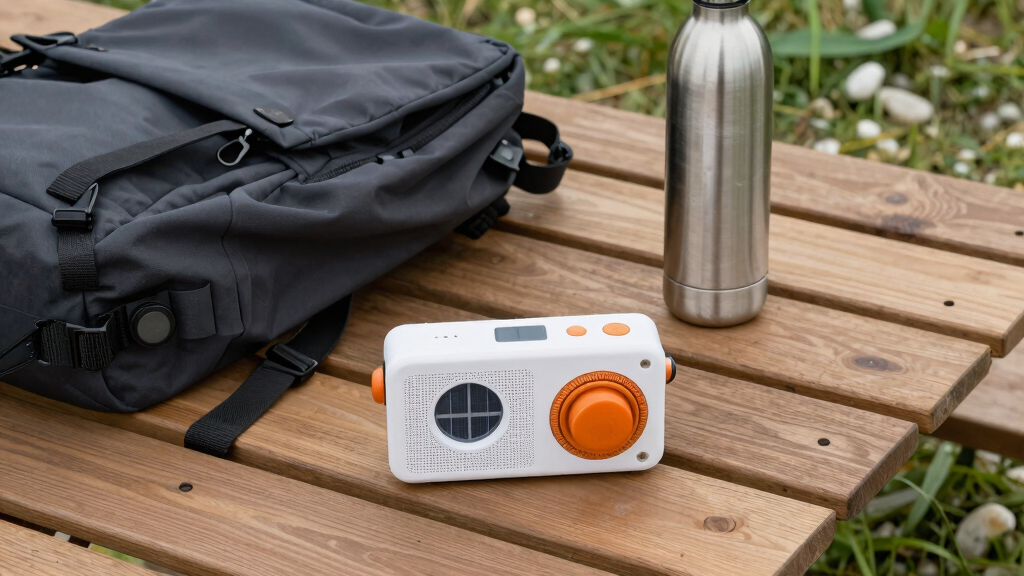
I evaluated each emergency radio based on a combination of performance, usability, durability, and value. Priority was given to models with reliable solar and hand crank charging, long-lasting batteries, and clear NOAA weather alert capabilities. Ease of operation, build quality, and additional features like flashlights or SOS alarms also influenced the rankings. The products were compared to identify which ones offered the best balance of power, portability, and emergency preparedness features. My focus was on selecting options suitable for various emergency scenarios, from outdoor survival to home use, while highlighting their unique strengths and tradeoffs.Factors to Consider When Choosing Solar-powered Emergency Radios
Choosing the right solar-powered emergency radio involves balancing several factors to match your specific needs. Beyond basic features, understanding how each element impacts usability and reliability can help you avoid common pitfalls and invest wisely. The following considerations will guide you through the key aspects to evaluate before making a purchase.Battery Capacity and Power Sources
A higher-capacity battery, such as 10,000mAh or more, provides longer operation during extended power outages. However, larger batteries often mean increased weight and size. Multiple charging options, including solar panels, hand cranks, and USB charging, add redundancy, ensuring your radio stays powered in various conditions. Consider your typical emergency scenarios—if you expect prolonged outages, prioritize models with larger batteries and versatile charging methods.Weather Alert and Signal Capabilities
Reliable NOAA alerts and emergency sirens are essential features that can provide early warnings during storms or disasters. Some radios include shortwave (SW) reception or additional alert channels, which can be lifesaving in certain regions. Be cautious of models with basic alert systems that might not cover all weather scenarios relevant to your location. Prioritize units with clear, loud alerts and multiple notification options.Portability and Durability
If you plan to carry your radio outdoors or use it in rugged conditions, size, weight, and water resistance become critical. Compact models are easier to store and transport but may sacrifice battery capacity. Look for units with sturdy, weatherproof designs and reinforced casings to withstand drops or exposure to the elements. Balance portability with power needs to ensure your radio remains functional when you need it most.Additional Features
Extras like built-in LED flashlights, SOS alarms, reading lamps, and USB charging ports enhance the utility of your emergency radio. These features can be lifesaving or convenient during outdoor adventures or power outages. However, they also add to the device’s complexity and cost. Consider which features are non-negotiable for your setup and avoid overpaying for bells and whistles that won’t see regular use.Cost and Value
Price ranges widely in this category, often reflecting build quality, battery capacity, and feature set. While cheaper models can suffice for basic needs, investing in a slightly more expensive unit may provide peace of mind with better durability and longer runtime. Evaluate the long-term value—how often you anticipate needing the radio and in what scenarios—to determine if a premium option is justified.Frequently Asked Questions
How long can a solar-powered emergency radio operate without sunlight?
The operating time depends on the battery capacity and power consumption of the radio. Most models can run for approximately 10-20 hours on a full charge, with larger batteries extending this period significantly. In prolonged emergencies, even in low sunlight conditions, a well-charged battery can provide hours of operation. Some units also include hand crank or USB charging options to replenish power when solar input isn’t available, ensuring continuous usability.
Are solar-powered emergency radios weatherproof enough for outdoor use?
Many models designed for outdoor use feature water-resistant or waterproof builds, often rated with IP ratings indicating their level of protection. While not all are fully waterproof, most can withstand splashes or light rain, making them suitable for outdoor activities. It’s important to verify the specific water resistance rating, especially if you plan to use the radio in heavy rain or wet environments. Proper storage and handling can also extend the lifespan of your device during harsh conditions.
Can I rely solely on a solar-powered emergency radio for communication during a disaster?
While solar-powered radios are reliable for receiving weather alerts and emergency broadcasts, they are typically not used for two-way communication. Most models lack the capability to send signals or messages. For comprehensive communication needs, pairing a radio with a dedicated satellite or cell-based device can provide more robust connectivity. Still, a well-chosen emergency radio remains a vital part of any disaster preparedness plan, especially for weather alerts and receiving critical updates.
What additional features should I look for in a solar-powered emergency radio?
Features like built-in flashlights, SOS alarms, reading lamps, and multiple charging ports can greatly increase the radio’s usefulness. A bright, loud alert system ensures you won’t miss emergency notifications, while USB ports allow you to charge phones or small devices. Consider your environment—if you’re outdoors often, waterproofing and ruggedness matter. However, avoid overpaying for features that don’t align with your specific needs or that might complicate operation during high-stress situations.
How do I maintain the solar panel’s efficiency over time?
Maintaining the solar panel’s efficiency involves regular cleaning to remove dirt, dust, and debris that can block sunlight. Avoid scratching or damaging the surface, and store the radio in a cool, shaded place when not in use. Positioning the panel at the optimal angle toward the sun maximizes energy absorption. Over time, solar cells may degrade slightly, but careful handling and maintenance can prolong their effective life, ensuring your device stays ready when needed.
Conclusion
The best overall choice for most users is the Emergency Weather Radio due to its balanced power, durability, and alert features. For those seeking the best value, models like the FosPower NOAA Emergency Weather Radio provide solid performance at a reasonable price. Beginners or casual users might prefer compact, simple devices such as the WVL Hand Crank Weather Radio that are easy to operate. If you face frequent storms or outdoor adventures, investing in a more rugged, feature-rich model like the Raynic Weather Radio ensures you’re prepared for a variety of emergencies. Assess your specific needs, environment, and budget to find the most suitable emergency radio for 2026.