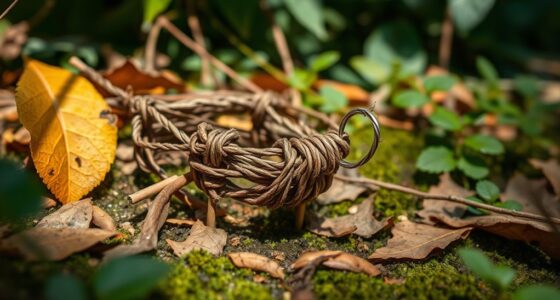
To find food sources near water bodies, look for abundant aquatic plants like watercress or wild rice along the shoreline, which you can harvest sustainably. Observe the water surface for signs of insect activity, such as ripples or buzzing, and gather insects like crickets or beetles safely nearby. Confirm all plants and insects are free from pollutants, and always identify species correctly to avoid toxins. Keep exploring to discover more effective foraging tips and tricks.
Key Takeaways
- Observe shoreline signs like ripples and buzzing insects to locate active foraging areas.
- Identify and harvest edible aquatic plants such as watercress, duckweed, and wild rice sustainably.
- Collect insects like crickets and beetles near water using nets or by hand for protein-rich food.
- Ensure plants and insects are free from pollutants or pesticides before harvesting and consumption.
- Use physical skills and caution to safely access food sources without disturbing the ecosystem.

Water bodies often attract a variety of wildlife, making them excellent spots to find food sources. As you explore the shoreline, you’ll notice numerous opportunities for foraging, especially in the form of aquatic plants and insects. Aquatic plant foraging is a reliable way to gather nutritious greens without venturing far from the water’s edge. Look for submerged or emergent plants like watercress, duckweed, or wild rice, which thrive in moist conditions. These plants can often be pulled easily from the water or harvested from the shoreline, providing a fresh, vitamin-rich addition to your diet. Just be sure to identify edible species correctly to avoid toxic plants, and harvest sustainably so the ecosystem remains healthy. Incorporating safe foraging methods can enhance your experience and ensure environmental balance.
Alongside aquatic plants, shoreline insect harvesting can notably supplement your food sources. Insects are abundant near water bodies, especially during warm months, and they are a highly efficient source of protein. You might observe insects such as crickets, beetles, or water boatmen crawling along the shoreline or flying nearby. To harvest them, you can simply scoop or catch them with a net or your hands. Some insects, like grasshoppers or crickets, can be collected easily and prepared for eating, either raw or cooked. Shoreline insects are not only plentiful but also easy to find, making them a practical choice for a quick, high-energy meal. Remember to harvest insects responsibly—avoid overcollecting and steer clear of those that may have been exposed to pesticides or pollutants.
While foraging for aquatic plants and shoreline insects, stay alert to your surroundings. Moving slowly and observing the water’s surface can help you identify the best spots for gathering. Look for signs of recent insect activity, such as buzzing or ripples, which indicate where insects are concentrated. When collecting aquatic plants, ensure they are free of pollutants and free from invasive species. Insects should be cleaned thoroughly before consumption. Combining these methods, you can develop a sustainable approach to gathering food from water-rich environments, ensuring you’re making the most of the resources available without harming the ecosystem. Engaging in balance and coordination development activities can also support physical skills necessary for safe and effective foraging.

AMIR Portable Safe Box, Combination Security Case LockBox with Code, Waterproof Anti-Theft Mini Travel Safe Box with Removable Chain, Portable Lock Box for Home, Office, Christmas
Waterproof and Robust Materials: The portable security case is made of high-strength ABS plastic shell, lightweight and practical....
As an affiliate, we earn on qualifying purchases.
Frequently Asked Questions
What Tools Are Best for Foraging Near Water Bodies?
For foraging near water bodies, you’ll want water-based foraging tools like a sturdy basket or a net to collect edible aquatic plants efficiently. A small, sharp knife helps you harvest roots and leaves safely. Keep a waterproof container for storing your finds. Your goal is to gather edible aquatic plants, so look for healthy, fresh greenery. These tools make foraging easier and safer, ensuring you maximize your harvest while respecting the environment.
Are There Seasonal Variations in Food Availability by Water?
Yes, there are seasonal variations in food availability by water. During certain seasons, you’ll find an abundance of seasonal fruit ripening nearby, providing fresh nourishment. Fish migration patterns also influence food sources, as many fish species move upstream or downstream, making them easier to catch at specific times. By understanding these cycles, you can optimize your foraging efforts, ensuring you gather the most abundant and nutritious foods throughout the year.
How Do I Identify Edible Plants Near Water Sources?
You can identify edible plants near water sources by observing plant identification features like leaf shape, color, and texture. Look for plants with broad, green leaves, and avoid those with milky or bitter sap. Edible plant characteristics often include a mild smell and edible flowers. Always cross-check with reliable foraging guides or local experts to confirm you’re harvesting safe, edible plants and avoiding toxic look-alikes.
What Safety Precautions Should I Take When Foraging?
When foraging near water, you should be cautious of wildlife encounters and contamination risks. Always identify plants carefully, avoiding those near animal trails or water contaminated with runoff. Keep a safe distance from wildlife to prevent aggressive encounters. Wash all gathered plants thoroughly to reduce contamination risks. Carry a first aid kit, and let someone know your plans. These precautions help safeguard your safety while enjoying nature’s bounty.
Can Urban Water Bodies Provide Reliable Food Sources?
Urban water bodies can offer some food, but don’t rely on them as your main source. Imagine fishing or waterfowl hunting as a treasure hunt—exciting but unpredictable. Urban fishing can yield fish, but water quality often varies, risking contaminants. Waterfowl hunting is possible, yet often restricted. Always check local regulations and test water safety first. Think of these spots as supplements, not dependable food sources.

DocSafe Fireproof Document Bag (5200℉) with Fireproof Organizer Travel Case,Heat Insulated Fire&Water Resistant 8 Layers Safe Money Bag Storage for Important Documents,Cash,Power Bank,Valuables,Gray
5200°F Fireproof Resistant Insulation Protection: DocSafe 5200°F fireproof document bags are made of 10mm premium fire-retardant, non-itchy silicone-coated...
As an affiliate, we earn on qualifying purchases.
Conclusion
Discovering food sources near water bodies is like revealing a hidden treasure chest—full of surprises waiting to be found. By paying attention to the plants, insects, and animals that thrive nearby, you can easily gather nourishment. Keep exploring with curiosity and caution, and you’ll find that these vibrant ecosystems are a bountiful feast just waiting for you. Remember, nature’s riches are often hidden in plain sight, just like a pearl in an oyster.

Waterproof Lock Box, Portable 4-Digit Combination Safe Boxes with Removable Cable, Anti-Theft Small Security Lockbox, Resettable Code Cash Case, Outdoor Key Hider for Travel, Gym, Hotel, Dorm, Beach
Waterproof Top Security: 4-digit portable lock box with removable hardened steel cable, 10,000 possible combinations, easy to read,...
As an affiliate, we earn on qualifying purchases.

Lewis N. Clark Safebox Portable Safe with Anti Theft Combination Lock and Slash Resistant Material to Protect Wallet, iPhone and Valuables at the Beach, Pool, Camping + Hotel, Small
PORTABLE SAFE: Secura Lock Technology with a 3-digit resettable combination lock (no key) so you can secure it...
As an affiliate, we earn on qualifying purchases.