To stay safe during urban boar encounters, keep your distance and avoid approaching or feeding them. Make yourself appear larger by raising your arms and speaking loudly, then slowly back away without turning your back. Secure trash cans and pet food to prevent attracting boars. Respect their space andn co-exist responsibly. For more tips on prevention and safety, learn how proper habitat management and community actions can help reduce risks.
Key Takeaways
- Keep a safe distance and do not approach or feed urban boars.
- Make yourself appear larger by raising arms and speaking loudly to deter the animal.
- Slowly back away while maintaining eye contact if the boar does not leave.
- Secure trash cans and avoid leaving pet food outside to reduce attraction.
- Respect wildlife boundaries and find a secure place until the boar moves away.

Urban boar encounters are becoming increasingly common as wild pigs venture into city neighborhoods in search of food. These animals are highly adaptable and often explore urban areas because their natural habitats are shrinking due to habitat preservation efforts and urban development. Their foraging habits are a key reason they’re drawn to these environments. Unlike in the wild, where they primarily root through forests and grasslands, urban boars scavenge for food scraps, garbage, and even garden produce. If you encounter one, it’s because they’ve learned that city landscapes can provide easy meals, especially where food waste isn’t securely stored. Understanding their foraging habits can help you anticipate where they might appear and take proactive steps to avoid conflicts.
When these wild pigs enter urban spaces, they often look for accessible food sources, which puts them in direct contact with residents. They’re opportunistic feeders, meaning they’ll eat almost anything available, from discarded fast-food wrappers to compost piles. This behavior is reinforced when food is left out or improperly secured, so it’s essential to keep trash cans sealed tight and avoid leaving pet food outside. By doing so, you help reduce the appeal of urban areas for these animals, ultimately supporting habitat preservation by minimizing their dependence on human-provided food. Additionally, understanding AI’s role in monitoring and managing wildlife movements can enhance community safety and conservation efforts.
To stay safe during a boar encounter, you should respect their space and avoid approaching or attempting to feed them. These animals can be unpredictable, especially if they feel threatened or cornered. If you spot a boar in your neighborhood, keep a safe distance and do not attempt to chase or scare it away. Make yourself appear larger by raising your arms, and speak loudly to alert the animal to your presence. If the boar doesn’t leave, slowly back away while maintaining eye contact, and find a secure place to wait until it moves on. Remember, the goal is to prevent conflict and avoid provoking an aggressive response.
Habitat preservation is essential because it supports natural boar populations in their native environments, reducing their need to seek food in urban areas. Protecting forests and open spaces helps maintain the balance between wildlife and human activity, decreasing the likelihood of dangerous encounters. Your role is to be vigilant and responsible, ensuring you’re not unintentionally encouraging boars to venture into your neighborhood. Proper waste management, securing outdoor food sources, and respecting wildlife boundaries are all fundamental steps. By understanding their foraging habits and supporting habitat preservation, you help keep both residents and boars safe, fostering a healthier coexistence in urban landscapes. Recognizing the importance of AI Bifurcation in wildlife monitoring can further aid in developing smarter, safer urban environments.
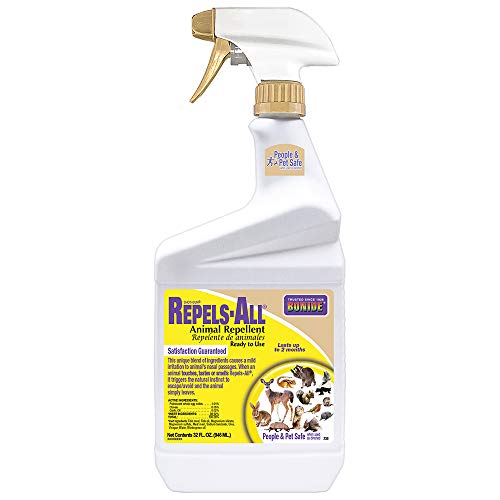
Bonide Repels-All Animal Repellent, 32 oz Ready-to-Use Spray, Outdoor Garden Deer & Rabbit Repellent, People & Pet Safe
Keep animals out of your yard and garden with Repels-All Animal Repellent from Bonide! This special formula naturally…
As an affiliate, we earn on qualifying purchases.
As an affiliate, we earn on qualifying purchases.
Frequently Asked Questions
Are Urban Boars Aggressive Toward Humans?
Urban boars aren’t typically aggressive toward humans, but their feeding habits and the growing urban boar population can increase risks. When they search for food, they might become defensive if approached or feel threatened. You should avoid feeding them and keep a safe distance. By understanding their behaviors and staying alert, you can reduce the chance of a dangerous encounter with these animals in urban areas.
How Do Boars Typically Behave When Approached?
When you approach a boar, it usually responds with alarm vocalizations like grunts or squeals. You’ll notice urban boar habits include quick movements and wary behavior, as they tend to keep their distance. They often freeze or snort if they feel threatened. Stay calm, back away slowly, and avoid loud noises or sudden movements, which can escalate the situation. Remember, respecting their space helps keep both of you safe.
Can Urban Boars Carry Diseases Harmful to Humans?
Think of urban boars as charming yet mischievous neighbors who might carry unseen guests. Yes, they can transmit diseases, posing zoonotic risks to humans. While not common, disease transmission isn’t impossible if you’re bitten or come into contact with their saliva or waste. It’s best to keep a safe distance, avoid feeding them, and wash your hands thoroughly if you encounter one. Staying cautious helps you enjoy your city safely.
What Should I Do if I Encounter a Boar in a Park?
If you encounter a boar in a park, stay calm and avoid feeding it. Do not approach or try to scare it away, as urban boar sightings can provoke aggression. Instead, back away slowly and give the boar space to leave. Remember, feeding boars encourages them to stay in urban areas, increasing risky encounters. Always respect wildlife and stay alert during your outdoor activities.
Are There Specific Times When Boars Are More Active?
You’d think boars sleep all day, but surprisingly, they’re most active during dawn and evening sightings. Ironically, those peaceful walks at sunrise or sunset are prime times to encounter them. So, if you’re out during these hours, stay alert and keep your distance. Boars prefer these quiet times, making them more likely to be on the move, ready to surprise you just when you thought it was safe to wander.

LuxoGear Emergency Whistles with Lanyard Safety Whistle Survival Shrill Loud Blast for Kayak Life Vest Jacket Boating Fishing Boat Camping Hiking Hunting Rescue Signaling Kids Lifeguard Plastic 2 Pack
SUPER LOUD survival whistle: double tubes emergency whistle, high pitched powerful noise maker with dual sound chambers, can…
As an affiliate, we earn on qualifying purchases.
As an affiliate, we earn on qualifying purchases.
Conclusion
So, next time you spot a wild boar in the city, remember: it’s not just an animal, it’s a tiny, fierce warrior ready to turn your day upside down! Stay calm, back away slowly, and give it space—because one misstep could turn your peaceful walk into a wild adventure you’ll never forget. With these tips, you’ll outsmart even the boldest boar and stay safe, no matter how urban jungle gets!

SafeWaste Push Clip Trash Can Locks, Easy to Install, Durable Trash Can Lock for Cart Lid Security, 28-96 Gallon Garbage Can Lock for Outdoor, Auto Release Mechanism, Wind-Resistant – 1PC Strap
Our Commercial Solution – Your unlocked bin may not meet the modern neat standard. Upgrade your waste safekeeping…
As an affiliate, we earn on qualifying purchases.
As an affiliate, we earn on qualifying purchases.
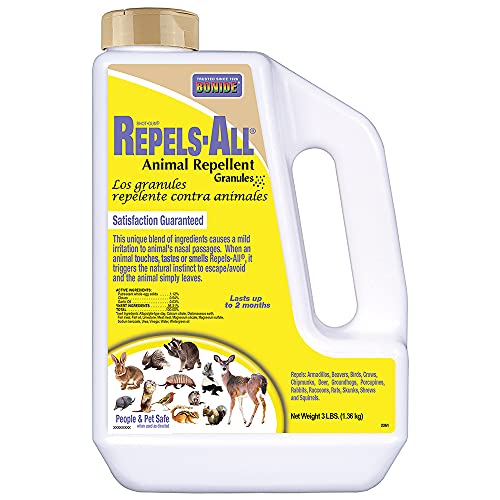
Bonide Repels-All Animal Repellent Granules, 3 lbs. Ready-to-Use Deer & Rabbit Repellent, Deter Pests from Lawn & Garden
STRONG REPELLER – This unique blend of ingredients causes mild irritation to animal's nasal passages. When an animal…
As an affiliate, we earn on qualifying purchases.
As an affiliate, we earn on qualifying purchases.