If you’re caught in icy water during the first 10 minutes, focus on controlling your breathing by taking slow, deep breaths to stay calm and prevent hyperventilation. Keep your head above water to conserve heat and minimize movement to reduce heat loss. Avoid panicking or thrashing, as these actions tire you quickly and worsen hypothermia risk. Stay as still as possible, secure yourself if you can, and look for ways to exit or find shelter—more strategies to help you survive lie ahead.
Key Takeaways
- Remain calm to control breathing and prevent hyperventilation, which reduces drowning and hypothermia risks.
- Focus on slow, deep breaths to stabilize heart rate and maintain oxygen flow.
- Keep your head above water to minimize heat loss and avoid panic-induced hyperventilation.
- Minimize movement to conserve heat and energy, avoiding thrashing or frantic efforts.
- Seek safety or exit the water as soon as possible to reduce hypothermia risk and improve survival chances.

Have you ever wondered what happens to your body when it suddenly plunges into freezing water? When you hit that icy surface, your initial reaction is almost guaranteed to be a gasp, followed by an involuntary inhale. This reflex can cause you to take in a mouthful of water, which increases the risk of drowning. Your body’s survival instincts kick in immediately, triggering a complex chain of responses. Your heart rate spikes, blood vessels constrict to preserve core temperature, and your breathing becomes rapid and shallow. These reactions are natural but can be dangerous if you’re unprepared or panic sets in.
When hitting icy water, your body’s immediate response includes gasping and rapid breathing, increasing drowning risk.
In the first moments, your primary focus should be on controlling your breathing. Panic can cause hyperventilation, which worsens your situation by reducing carbon dioxide levels in your blood. Try to stay calm and consciously slow your breath. Take slow, deep breaths, exhaling steadily, which helps stabilize your heart rate and keeps oxygen flowing to your brain. It might seem counterintuitive, but remaining calm is your best tool for survival. As your body reacts to the cold, your muscles will tense, and your limbs may start to feel numb or unresponsive. Avoid thrashing or panicking, because that burns energy and accelerates heat loss.
Once you’ve regained some composure, focus on conserving your body heat. If you’re in the water with others, huddle together to share warmth. If you’re alone, try to keep your head above water and minimize movement to reduce heat loss. Moving vigorously in cold water increases heat loss through convection, so avoid unnecessary splashing or thrashing. Instead, keep your face and head out of the water as much as possible—your head accounts for a significant amount of heat loss. If you have any clothing or gear that can insulate you, use it. If you’re in a boat or near debris, grab onto it to stabilize yourself and prevent drifting further from safety.
Additionally, knowing that air purification devices can improve indoor air quality and reduce allergens highlights the importance of a safe, healthy environment when outside safety is compromised — ensuring your surroundings are not contributing to respiratory stress if you manage to get out of the water.
Remember that your body’s natural response is to try to preserve core temperature, but it can only do so for a limited time. Within the first ten minutes, your focus should be on breathing control, minimizing movement, and seeking a way out of the water or into shelter. Panic, hyperventilation, or excessive movement can accelerate hypothermia. Staying calm and deliberate increases your chances of survival until help arrives or you can get to safety.

Tactiko Survival 51 oz/1500 ml Stainless Steel Wide Mouth Water Bottle, Single Wall Boil-Safe, Leakproof, BPA-Free with Carry Sleeve and Strap for Camping, Hiking, Outdoor Prep (Black)
Campfire & Boil-Safe 18/8 304 Stainless Steel: Boils water over campfire, grill, or stove for purification, coffee, or…
As an affiliate, we earn on qualifying purchases.
As an affiliate, we earn on qualifying purchases.
Frequently Asked Questions
How Can I Prevent Cold Shock Before Entering Icy Water?
To prevent cold shock before entering icy water, gradually acclimate your body by doing cold showers or immersions beforehand. Wear appropriate thermal gear and approach the water slowly to give your body time to adjust. Keep your breathing steady and avoid panicking as soon as you hit the water. Staying calm and prepared helps reduce the risk of shock, making your experience safer and more manageable.
What Signs Indicate Someone Is Suffering From Cold Shock?
Imagine your body suddenly throws a tantrum, like a fish out of water flopping wildly—that’s cold shock in action. You might see rapid, uncontrollable breathing, gasping, or hyperventilation, as if you’re trying to scream underwater. Your skin could turn pale or bluish, and you might feel dizzy or disoriented. These signs tell you that your body’s freaking out, and immediate help is vital before it spirals out of control.
Are There Specific Clothing Tips to Reduce Cold Shock Risk?
Wearing quick-drying, insulating, and waterproof clothing helps reduce cold shock risk. Opt for layers that trap heat and wick moisture away from your skin. Make certain your clothing fits well without restricting movement, and cover your head, hands, and feet to prevent heat loss. Avoid cotton, as it retains moisture and worsens hypothermia risk. Staying dry and properly layered keeps your body temperature stable and minimizes cold shock effects.
How Long Can I Survive in Icy Water With Cold Shock?
In icy water, you might only have 1 to 3 minutes before cold shock overwhelms you. Your body reacts like a lightning strike, causing rapid breathing, panic, and potential drowning. To survive, stay calm, control your breathing, and avoid panicking. Focus on floating or treading water, conserving energy. Remember, quick action and staying composed can make the difference between life and death in these icy depths.
What Emergency Equipment Is Best for Cold Shock Situations?
You should carry an insulated rescue throw, thermal blankets, and a life jacket with a reflective surface. These help keep you warm and visible. A whistle can alert rescuers, while a waterproof flashlight aids in visibility. Always wear a personal flotation device, especially in cold water, to prevent rapid heat loss and improve chances of rescue. Proper equipment increases your survival odds and keeps you safer until help arrives.

SEACHOICE 86020 Life Vest, Type II Personal Flotation Device – Yellow – Adult
U.S. Coast Guard Type II PFD
As an affiliate, we earn on qualifying purchases.
As an affiliate, we earn on qualifying purchases.
Conclusion
In those first crucial minutes, quick action can mean the difference between life and death. While the cold shock might make your body scream to panic, your calm response can restore control. Remember, in the chaos of icy waters, your composed mind becomes your strongest tool. Embrace the struggle, but don’t surrender to fear. Cold waters test your limits, yet your resilience can turn the tide—your calmness, your greatest survival weapon.

MEGE KNIGHT Mens Thermals Top and Bottom set Winter Underwear Insulated Hunting Long Johns Outdoor Military Hunting Essentials Cold Gear Black
[Cold Gear] The thermal underwear for men is made of velvet fleece, soft and stretchable, locking body heat…
As an affiliate, we earn on qualifying purchases.
As an affiliate, we earn on qualifying purchases.
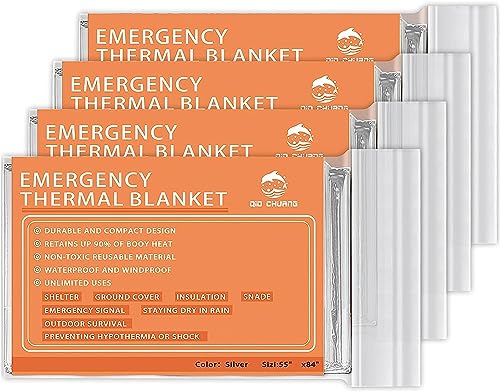
QIO CHUANG Emergency Mylar Thermal Blankets -Space Blanket Survival kit Camping Blanket (4-Pack). Perfect for Outdoors, Hiking, Survival, Bug Out Bag ,Marathons or First Aid 1
Emergency Mylar Thermal Blankets – Emergency Blanket,Space Blanket,Thermal Blanket,Mylar Blanket,Survival Blanket.Our durable advanced aluminized Mylar blankets are perfect…
As an affiliate, we earn on qualifying purchases.
As an affiliate, we earn on qualifying purchases.