
To register for your local alert system, find your community’s official website or emergency services page. Sign up using your contact details like phone number and email, and choose the types of alerts you want to receive—such as weather, fire, or safety notices. It’s usually straightforward and free. Keeping your information updated guarantees you stay informed during emergencies. If you want to learn more about getting the most out of these alerts, keep exploring all your options.
Key Takeaways
- Visit your local government or community emergency management website to find the alert registration portal.
- Provide basic contact details such as phone number and email, and select preferred alert types.
- Complete the registration form and verify your information to ensure accurate alert delivery.
- Sign up for multiple notification methods like texts, emails, or automated calls if available.
- Keep your contact information updated regularly to maintain reliable receipt of alerts.

In today’s unpredictable environment, registering for your local alert system is one of the simplest ways to stay informed and prepared for emergencies. These community notifications deliver critical information directly to your phone, email, or other devices, guaranteeing you’re aware of threats like severe weather, fires, or local safety issues as soon as they happen. By signing up, you take an active step in your emergency preparedness, reducing the chance of being caught off guard during a crisis. Instead of relying solely on traditional media or word of mouth, you get timely, official alerts that can guide you on immediate actions to protect yourself and your loved ones.
Registering for local alert systems is straightforward and often free. Most communities have a dedicated platform or service that allows residents to sign up with minimal effort. You’ll typically need to provide basic contact information, select your preferred communication methods, and sometimes specify the types of alerts you want to receive. This customization ensures you get relevant information without being overwhelmed by unnecessary notifications. Once registered, you’ll be part of a communication network that keeps you connected to your community’s emergency response efforts.
Community notifications aren’t just about receiving alerts; they’re about fostering a sense of preparedness and resilience. When you’re notified promptly about an emergency, you can make informed decisions quickly—whether it’s evacuating a dangerous area, taking shelter, or simply staying indoors. These alerts also serve as crucial tools for public safety agencies to disseminate instructions, updates, and reassurance during chaotic situations. Being part of the alert system means you’re actively participating in your community’s emergency preparedness plan, which benefits everyone by creating a more coordinated and responsive environment.
It’s essential to guarantee your contact information remains current and that you understand how to interpret the alerts you receive. Many systems allow you to test notifications periodically, so you’re familiar with what to expect when a real emergency occurs. Additionally, consider signing up for multiple forms of communication—such as texts, emails, and phone calls—to maximize your chances of receiving alerts, especially if one method fails due to technical issues or network outages. Staying connected through these community notifications can make a significant difference in how quickly and effectively you respond to emergencies.
Being aware of public safety resources and how they function enhances your overall preparedness and ensures you can act swiftly when needed.

Geiger Counter Nuclear Radiation Detector - FNIRSI Radiation Dosimeter with LCD Display, Portable Handheld Beta Gamma X-ray Rechargeable Radiation Monitor Meter, 5 Dosage Units Switched
【Nuclear Radiation Detector】FNIRSI GC-01 Geiger counter nuclear radiation detector with built-in GM sensor, able to detect Gamma, Beta...
As an affiliate, we earn on qualifying purchases.
Frequently Asked Questions
Can I Register Multiple Phone Numbers for Alerts?
Yes, you can register multiple phone numbers for alerts. Most systems allow you to add multiple devices through contact management, ensuring everyone stays informed. You simply need to update your contact info in the system, adding each phone number you’d like to receive alerts on. This way, you’re covered across multiple devices, and no one misses important notifications during emergencies or alerts.
How Do I Update My Contact Information?
Updating your contact information is quick and easy—it’s the key to staying safe in a world where alerts can be life-changing. To do a contact update, log into your alert system account, navigate to your profile, and select “Update Contact Info.” Then, adjust your notification preferences to guarantee you get alerts where you want them. Keep your info current so you’re always in the know, no matter what.
What Types of Emergencies Are Covered by Alerts?
Local alert systems cover a variety of emergency types, including severe weather like tornadoes, hurricanes, and thunderstorms, as well as natural disasters such as earthquakes and floods. They also inform you about other urgent situations like missing persons or hazardous material spills. The alert coverage guarantees you stay informed about any critical event in your area, helping you take timely action to stay safe and prepared.
Is There a Cost to Register for Alerts?
You’ll be glad to know there’s usually no registration fee for local alert systems—over 90% of communities offer free sign-ups, easing your cost concern. Registering is quick and easy, ensuring you get timely alerts without spending a dime. By signing up, you stay informed about emergencies like floods or tornadoes, helping you and your loved ones stay safe without any financial worry.
How Quickly Are Alerts Dispatched After an Incident?
Alerts are dispatched almost instantly after an incident, thanks to advanced alert system technology. This rapid response helps you stay informed and enhances your disaster preparedness. When an emergency occurs, the alert system quickly sends notifications to your device, ensuring you’re aware of threats as soon as they happen. You can rely on these timely alerts to make quick decisions and protect yourself and your loved ones effectively.

Nuclear Radiation Detector GQ GMC-800 Geiger Counter USA Design Product US National Standard Large Color LCD Display 5 Alarm Types Dosimeter Data Save & Global Share Beta Gamma X-ray Portable Device
【Nuclear radiation detector】GQ GMC-800 is the latest upgraded model of USA GQ Electronics Geiger Counters. Portable, personal &...
As an affiliate, we earn on qualifying purchases.
Conclusion
By registering for your local alert system, you’re like a lighthouse guiding you safely through storms. It keeps you informed and prepared, so you can act quickly when emergencies happen. Don’t wait until it’s too late—sign up today and stay connected to your community’s essential updates. Remember, being proactive is like having a safety net always within reach. Stay alert, stay safe, and keep your loved ones protected.

Bloepum DIY Assemble Geiger Counter Kit Counter Module Nuclear Radiation Detector with Sound and Light Alarm Blue
4. Interrupt output interface, through which you can connect The microcontroller is then displayed on the LCD.
As an affiliate, we earn on qualifying purchases.
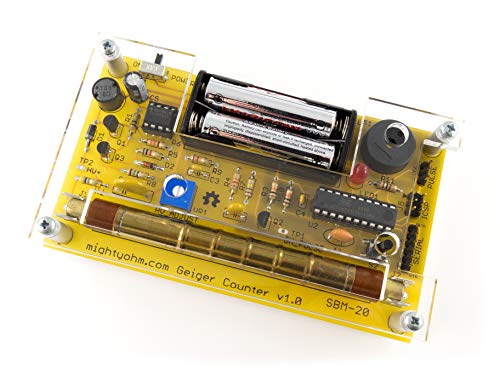
MightyOhm Geiger Counter Kit Bundle
Kit includes all components needed to build a working Geiger counter, including a high quality printed circuit board,...
As an affiliate, we earn on qualifying purchases.