

Your brain’s biases can trick you into underestimating or overestimating danger, leading to risky choices. Confirmation bias makes you seek out info that supports your beliefs, ignoring warning signs. Overconfidence can cause you to believe you’re invincible, risking injury. Anchoring on initial info prevents you from adapting to new threats, while the availability heuristic makes recent or vivid events seem more likely, skewing your judgment. Understanding these tricks will help you stay safer in critical moments.
Key Takeaways
- Biases like overconfidence and confirmation bias can cause reckless decisions and ignoring warning signs in dangerous situations.
- Anchoring bias leads to reliance on initial, possibly misleading info, hindering adaptive responses during emergencies.
- The availability heuristic skews perception by overestimating recent or vivid events, increasing unnecessary fears or risky behaviors.
- Recognizing these biases helps prevent perception distortions that can result in accidents or fatalities.
- Unconscious biases can cause critical errors, emphasizing the importance of awareness to improve safety in high-stakes scenarios.
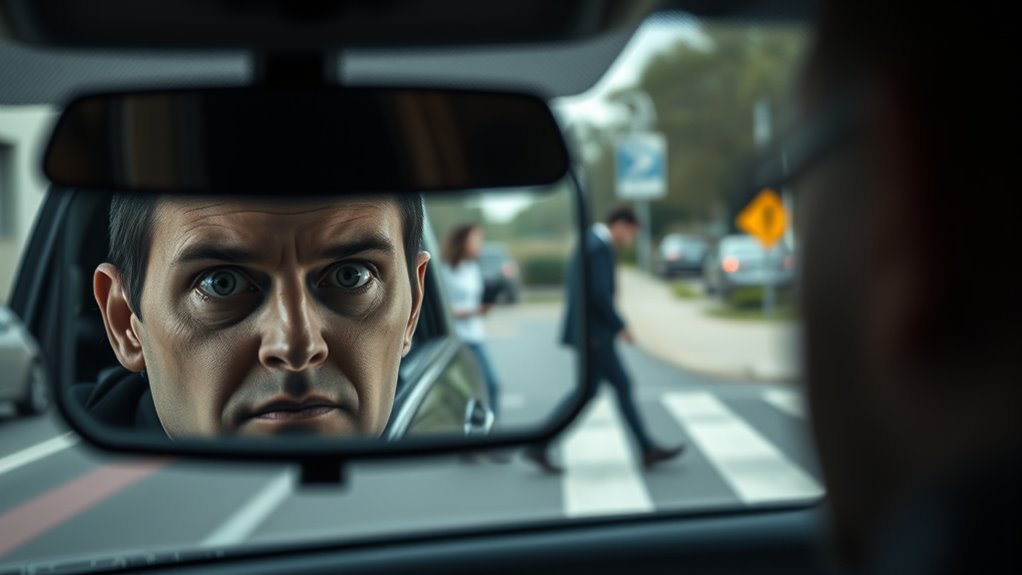
Biases can be deadly, often leading to poor decisions, missed opportunities, and even loss of life. Your brain is wired to simplify complex information, but sometimes, these mental shortcuts can work against you, especially in dangerous situations. When you rely on cognitive biases, you might misjudge risks or overlook critical details, putting yourself and others at risk. Recognizing these biases is essential because they can distort your perception and influence your actions without your awareness.
Biases can distort your perception and lead to dangerous mistakes without you realizing.
One of the most insidious biases is confirmation bias. It causes you to seek out information that supports your preexisting beliefs and ignore evidence that contradicts them. In a high-stakes scenario, this can lead you to dismiss warning signs or alternative strategies, increasing the likelihood of making a catastrophic mistake. For example, if you believe a particular route is safe, you might ignore signs of danger or recent reports warning against it, leading to an accident. Confirmation bias keeps you trapped in a loop, reinforcing faulty assumptions and blinding you to reality.
Another dangerous bias is overconfidence. When you overestimate your abilities or underestimate risks, you become reckless. This can be especially deadly in situations like driving, operating machinery, or handling weapons. Overconfidence might make you ignore safety protocols, dismiss warnings, or underestimate the difficulty of a task. If you believe you’re invincible or that you’ve handled worse situations before, you might take unnecessary risks that could result in injury or death.
Anchoring bias also plays a significant role in deadly decision-making. It causes you to rely heavily on the first piece of information you receive, even if it’s misleading or outdated. In emergencies, this bias can prevent you from adapting to new information. For instance, if you initially think a building is safe based on a quick visual scan, you might ignore later signs of structural damage, leading to a collapse or injury. Your brain’s fixation on initial impressions can prevent you from making the best choice in critical moments.
Lastly, the availability heuristic influences your perception of danger by making you overestimate the likelihood of events that are recent, vivid, or emotionally charged. If you’ve recently heard about a plane crash, you might irrationally fear flying, even though statistically, it remains one of the safest transport methods. Conversely, if you’re exposed to news about violent crimes, you might see the world as more dangerous than it truly is. This bias skews your assessment of risks and can lead to overly cautious or reckless behavior. Additionally, understanding a common cognitive shortcut like these can help you better manage your reactions under pressure.
Understanding these biases helps you see how your brain can deceive you when it matters most. By questioning your assumptions, seeking diverse perspectives, and staying alert to your mental shortcuts, you can reduce the destructive impact of biases and make smarter, safer decisions in dangerous situations.
Frequently Asked Questions
How Do Biases Influence Emergency Decision-Making?
Biases influence your emergency decision-making by causing you to rely on past experiences or quick judgments rather than evaluating the current situation objectively. You might fall into stereotypes, overlook essential details, or overreact based on fear or stress. These mental shortcuts can lead to errors, delays, or poor choices during critical moments. Recognizing and counteracting these biases helps you stay focused, make clearer decisions, and respond more effectively in emergencies.
Can Awareness of Biases Reduce Risky Behaviors?
Studies show that being aware of biases reduces risky behaviors by up to 30%. When you recognize how your mind might mislead you, you can counteract impulsive decisions and stay safer. You become more deliberate, questioning automatic reactions, which helps you assess situations more accurately. So, yes—awareness of biases empowers you to make smarter choices, especially in dangerous or high-pressure scenarios.
Are Certain Biases More Common in High-Stress Situations?
Yes, certain biases become more common in high-stress situations. When you’re under pressure, your brain tends to rely on quick judgments and shortcuts, like confirmation bias or overconfidence, to save time. This can lead you to overlook important details or make rash decisions. Recognizing that stress amplifies these biases helps you stay alert and pause, reducing the risk of errors in dangerous or critical moments.
How Do Cultural Differences Affect Cognitive Biases?
Imagine a kaleidoscope, shifting patterns shaped by your cultural lens. Cultural differences influence your cognitive biases by coloring how you interpret information and make decisions. You might see a situation through your community’s values or beliefs, leading to unique biases. These cultural filters shape your perceptions, affecting your reactions and judgments, sometimes reinforcing stereotypes or misunderstandings. Recognizing this helps you understand why biases vary across different cultural backgrounds.
What Strategies Can Help Overcome Biases in Life-Threatening Scenarios?
You can overcome biases in life-threatening scenarios by staying calm and focusing on factual information. Practice situational awareness and question your assumptions quickly. Use training and simulations to build muscle memory for clear decision-making under pressure. Seek diverse perspectives to challenge your biases and develop adaptable responses. Trust your instincts but verify them with evidence, ensuring you react effectively rather than impulsively in dangerous situations.
Conclusion
If you don’t recognize these biases, your brain could be your deadliest enemy. It’s like having a traitor whispering false alarms and blind spots right in your ear, convincing you that danger isn’t real—until it’s too late. By ignoring these mental tricks, you’re basically handing your life over to your own faulty thinking. Wake up, stay alert, and outsmart your brain’s sneakiest traps before they turn deadly. Your survival depends on it.