Recovering psychologically after a disaster involves building resilience by connecting with others, practicing self-compassion, and gradually facing stressful situations. Focus on maintaining physical health with good nutrition, sleep, and routines that create a sense of normalcy. Engage in calming activities and seek support from friends, community groups, or professionals to process your feelings. Remember, healing takes time, patience, and persistence—learning more can help you navigate this journey with confidence.
Key Takeaways
- Practice self-compassion and gradually face stressful situations to build emotional resilience.
- Connect with community support to reduce isolation and foster shared understanding.
- Maintain a healthy routine with proper nutrition, sleep, and exercise to support emotional well-being.
- Create calming environments and engage in hobbies or mindfulness practices for emotional relief.
- Seek professional help to process grief, develop coping strategies, and reinforce recovery efforts.
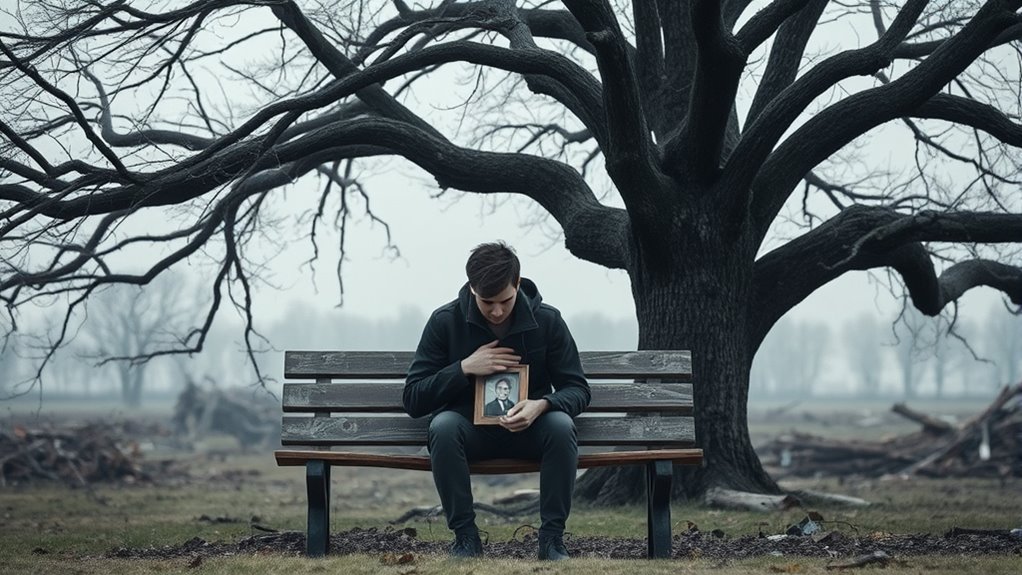
Experiencing a disaster can leave you feeling overwhelmed, anxious, and uncertain about the future. It’s natural to grapple with intense emotions like fear, anger, or sadness after such an event. During these times, building emotional resilience becomes essential. Emotional resilience is your ability to adapt, recover, and bounce back from adversity. It doesn’t mean you won’t feel upset or distressed; instead, it helps you manage those feelings more effectively. You can strengthen this resilience by practicing self-compassion, staying connected to your feelings without judgment, and gradually facing stressful situations rather than avoiding them. Remember, healing is a process, and setbacks are normal.
Community support plays a fundamental role in your recovery. When you reach out and connect with others who understand what you’re experiencing, it can reduce feelings of isolation. Support from friends, family, or local groups provides a sense of belonging and shared strength. Don’t hesitate to lean on your community—whether through talking, participating in group activities, or volunteering. These connections can remind you that you’re not alone in facing the aftermath of a disaster. Often, shared experiences foster empathy and understanding, making it easier to process your emotions and rebuild trust in your environment.
Taking care of your physical health is also indispensable. Proper nutrition, sleep, and exercise can improve your mood and energy levels, which in turn support your emotional resilience. Establish routines, even simple ones, to create a sense of normalcy amid chaos. Give yourself permission to feel upset without guilt, but also actively seek moments of positivity, such as engaging in hobbies or mindfulness practices. Recognize that recovery isn’t linear; some days will be better than others. Patience and persistence are key. Additionally, understanding the importance of home theatre projectors in creating a calming personal space can be a helpful way to find comfort during recovery.
Engaging in community activities or volunteer work can boost your sense of purpose and connection. When you help others or participate in rebuilding efforts, you reinforce your resilience and foster hope. Sharing your story with trusted individuals can also lighten emotional burdens and provide perspective. Remember, seeking professional help is a sign of strength, not weakness. Therapists or counselors trained in trauma recovery can offer tools tailored to your needs, helping you process grief and develop coping strategies.
Ultimately, recovering psychologically after a disaster is a journey that involves nurturing your emotional resilience and leaning on community support. Small steps forward, patience, and the support of those around you will gradually restore your sense of stability and hope for the future.

Radiant Resilience: A Guide to Emotional Self-Care for Black Woman
As an affiliate, we earn on qualifying purchases.
As an affiliate, we earn on qualifying purchases.
Frequently Asked Questions
How Long Does Psychological Recovery Typically Take?
Your psychological recovery timeline varies based on the trauma’s severity and your emotional resilience. Some people start feeling better within a few months, while others may need a year or more. It’s important to be patient and seek support when needed. Focus on building emotional resilience through self-care, therapy, and connecting with loved ones. Remember, healing is a gradual process, and everyone’s journey is unique.
Can Children Recover Emotionally Faster Than Adults?
Imagine a young sapling bending but not breaking in a storm; children often recover faster because of their remarkable resilience and ongoing emotional development. You notice their bright eyes returning, laughter replacing tears, as they adapt and process with a natural ease. While adults may carry scars longer, children’s resilience helps them bounce back sooner—yet, they still need support and understanding during their healing journey.
Are There Specific Therapies Proven Effective Post-Disaster?
Yes, trauma-focused therapy and community support are proven effective after a disaster. You should consider trauma-focused cognitive-behavioral therapy, which helps process traumatic memories and reduce symptoms. Additionally, engaging with community support groups offers emotional connection and shared understanding. Combining these approaches can accelerate recovery, helping you rebuild resilience and regain a sense of safety and stability after the trauma.
How Can I Support Someone Struggling Psychologically?
Did you know that strong social connections boost emotional resilience by 50%? To support someone struggling psychologically, listen actively and validate their feelings without judgment. Encourage them to seek peer support, which can provide comfort and understanding. Be patient, offer reassurance, and remind them they’re not alone. Your presence and empathy can make a vital difference in helping them rebuild their emotional strength after a disaster.
What Signs Indicate Serious Long-Term Mental Health Issues?
You should watch for persistent post-trauma symptoms like severe anxiety, depression, or withdrawal that last beyond a few weeks. If they’re not improving, consider a mental health screening to assess their needs. Signs of serious long-term issues include difficulty functioning daily, suicidal thoughts, or drastic mood changes. These indicate it’s time to encourage professional help, ensuring they get the support necessary for recovery.

Sensory Strips for Anxiety Calming Stickers, 36Pcs 2 Textured for Mood Calming, Breathing Mindfulness Fidget Sticker for Kids, Anxiety Relief at Office & Classroom Desk
QUICKLY PROMOTE MENTAL HEALTH – Gently run your fingers over the sensory stickers to reduce stress, improve focus,…
As an affiliate, we earn on qualifying purchases.
As an affiliate, we earn on qualifying purchases.
Conclusion
Just like a mighty tree weathering a fierce storm, your mind can recover and grow stronger. The winds may shake you, but with patience and support, your roots will deepen, and new leaves will bloom. Remember, healing isn’t a straight path—it’s a forest of twists and turns. Trust in your resilience, nurture your spirit, and soon, you’ll stand tall once more, proud of how you’ve weathered the storm and emerged renewed.

Special Supplies Therapy Putty for Teens and Adults – Resistive Hand Exercise Stress Relief Therapy Putty Kit, Set of 4 Strengths, Three Ounces of Each Putty (Primary Colors)
Stretchy Soft Therapy Putty – This hand therapy putty is designed to stimulate your hands and fingers while…
As an affiliate, we earn on qualifying purchases.
As an affiliate, we earn on qualifying purchases.
community support activity kits
As an affiliate, we earn on qualifying purchases.
As an affiliate, we earn on qualifying purchases.