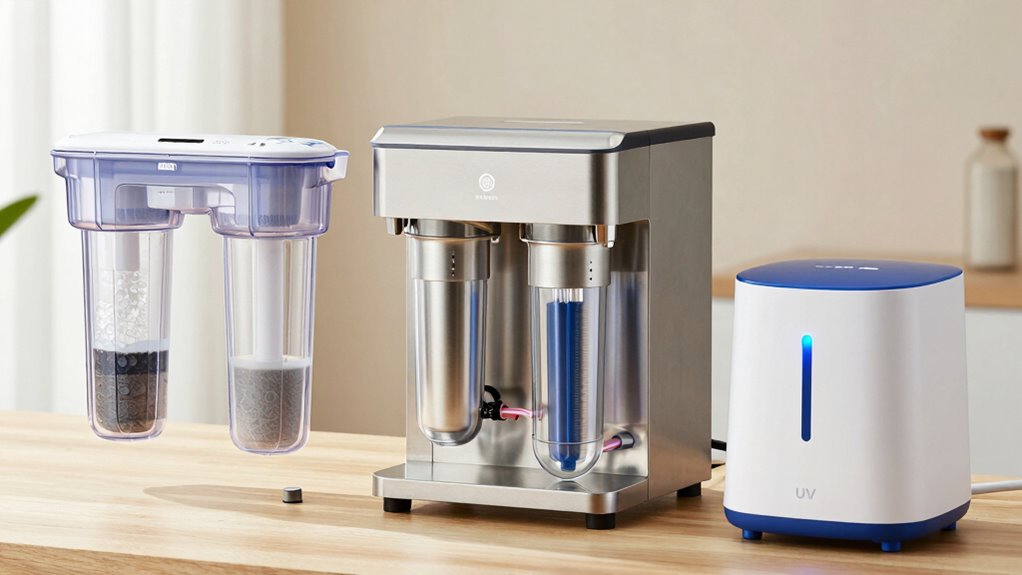

Choosing between gravity filters, reverse osmosis, and UV depends on what matters most to you. If you want portable, mineral-rich water with minimal maintenance, go for a gravity filter. For thorough contaminant removal, especially chemicals and salts, reverse osmosis is effective, but it wastes water and strips minerals. If microbiological safety is your priority, UV sterilizes instantaneously without chemicals. To find the best fit for your needs, discover more about each system’s strengths and limitations below.
Key Takeaways
- Gravity filters excel for outdoor, emergency, and off-grid use by providing portable, low-maintenance filtration that preserves minerals and natural taste.
- Reverse osmosis systems offer comprehensive contaminant removal ideal for household use but produce water waste and may strip beneficial minerals.
- UV systems are perfect for microbiological safety, instantly killing pathogens without affecting mineral content or pH, suitable for disinfecting water.
- Consider water quality, specific contaminants, environmental impact, and installation space when choosing between these technologies.
- Combining systems (e.g., UV with gravity filtration) can optimize water safety, mineral retention, and efficiency based on your needs.

Purewell 3-Stage 0.01μm Ultra-Filtration Gravity Water Filter System, NSF/ANSI 42&372 Certification, 304 Stainless Steel Countertop System with 2 Filters and Stand, Reduce 99% Chlorine, 2.25G, PW-OB
- Three-Stage Filtration: Reduces contaminants with NSF-certified filters
- Ultra-Fine 0.01μm Pore Size: Filters out 99.99% tiny particles
- Complete Accessory Set: Includes stainless steel spigot and stand
As an affiliate, we earn on qualifying purchases.
As an affiliate, we earn on qualifying purchases.
What Are the Main Types of Water Purification Technologies?
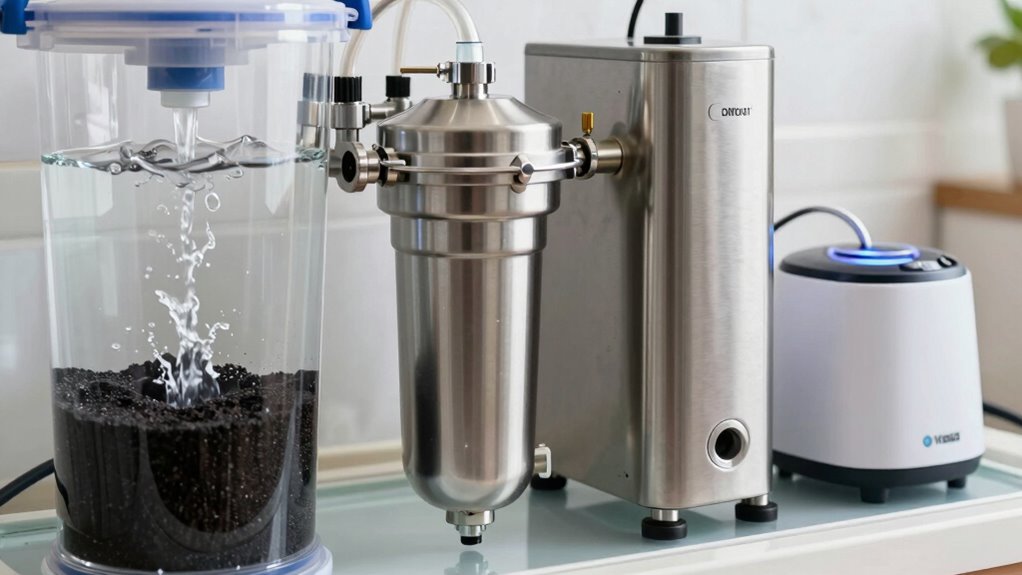
Water purification technologies vary widely, but the main types include gravity filters, reverse osmosis (RO), and ultraviolet (UV) systems. Each method impacts water pH levels and mineral retention differently. Gravity filters typically preserve minerals and maintain natural pH, making water taste better and stay balanced. Reverse osmosis, on the other hand, removes contaminants and minerals, often lowering pH and stripping essential minerals, which can affect taste and health. UV systems use light to kill bacteria but don’t alter mineral content or pH levels. Understanding these differences helps you choose a system aligned with your needs—whether you prioritize mineral retention, pH balance, or contaminant removal. Recognizing these main types guides you toward making an informed decision about your water purification setup.
How Do Gravity Water Filters Work, and Are They Right for You?

Gravity water filters use natural gravity to push water through a filtering medium, removing impurities as it flows into your container. They offer simple, maintenance-free operation and are great for improving taste and reducing contaminants. Ideal for outdoor use, they are especially useful in scenarios where portability and ease of use matter most. Additionally, understanding the best laundry detergents can help ensure your filtered water keeps your clothes fresh and clean. Proper maintenance of your filter, such as regular gear inspection, can extend its lifespan and ensure consistent water quality. Since they lack complex electronics, they also tend to have a lower initial cost compared to other purification systems. Moreover, their straightforward design makes them accessible for beginners in water filtration, ensuring reliable performance without extensive technical knowledge.
How Gravity Filters Operate
Gravity filters work by relying on the natural force of gravity to draw water downward through different filtering media. As water passes through layers of activated carbon, sand, or ceramic, contaminants are trapped, improving filtration efficiency. The design emphasizes material durability, allowing the filter to withstand regular use without degrading. Because gravity does the work, you don’t need external power sources or complex mechanisms, making these systems simple and reliable. The flow rate depends on the filter’s size and media quality, affecting how quickly you get clean water. Proper maintenance and timely replacement of filter components ensure consistent performance. Additionally, gravity filters are often appreciated for their cultural significance, which enhances their appeal in community and outdoor settings. Their simplicity of design also makes them accessible and easy to operate for users of all experience levels. For outdoor enthusiasts and emergency preparedness, gravity filters are a trusted solution due to their effectiveness and independence from electricity. They are also valued for their low-cost operation, making them an economical choice over time. Furthermore, advancements in filter media technology have improved their ability to remove a wider range of contaminants. Overall, gravity filters offer an effective, low-maintenance solution for removing sediments, bacteria, and certain chemicals, making them suitable for many outdoor, emergency, or everyday applications.
Benefits of Gravity Filtration
Because they rely on natural forces rather than electricity or complex machinery, gravity filters provide a simple yet effective solution for clean drinking water. Their portability makes them ideal for camping, hiking, or emergency situations, where access to clean water is limited. You can easily set up a portable filter anywhere, with no need for power sources. Additionally, gravity filtration often preserves beneficial minerals in your water, maintaining a natural taste and health benefits. This makes them a great choice if you’re looking for a straightforward, low-maintenance option that doesn’t strip away essential nutrients. Plus, microplastics in dust can sometimes contaminate water sources, making effective filtration even more important. Gravity filtration is also favored for its ability to remove certain contaminants without chemical additives or electrical components. Overall, gravity filters offer convenience, mineral retention, and reliable purification, making them a practical choice for everyday use or outdoor adventures. Furthermore, understanding the filtration process can help you choose the most suitable system for your needs. Since they rely on simple physical mechanisms, gravity filters are often considered more environmentally friendly due to their minimal energy consumption.
Ideal Usage Scenarios
If you’re wondering whether a gravity water filter is suitable for your needs, understanding how it works can help. Gravity filters are ideal for outdoor adventures, emergency preparedness, or areas lacking reliable electricity. They provide clean water without complex setup, making them accessible and straightforward. Consider these scenarios:
- You want pH balancing and mineral enhancement to improve water taste and health benefits.
- You need a portable solution for camping or hiking, where electricity isn’t available.
- You seek a cost-effective system for long-term use, especially in rural or off-grid locations.
- Additionally, maintenance requirements are minimal compared to other purification methods, ensuring consistent performance over time.
Gravity filters excel in these contexts, offering simple, effective purification while maintaining beneficial minerals. Just guarantee their capacity matches your household or activity needs for peak performance.
What Are the Pros and Cons of Reverse Osmosis Systems?
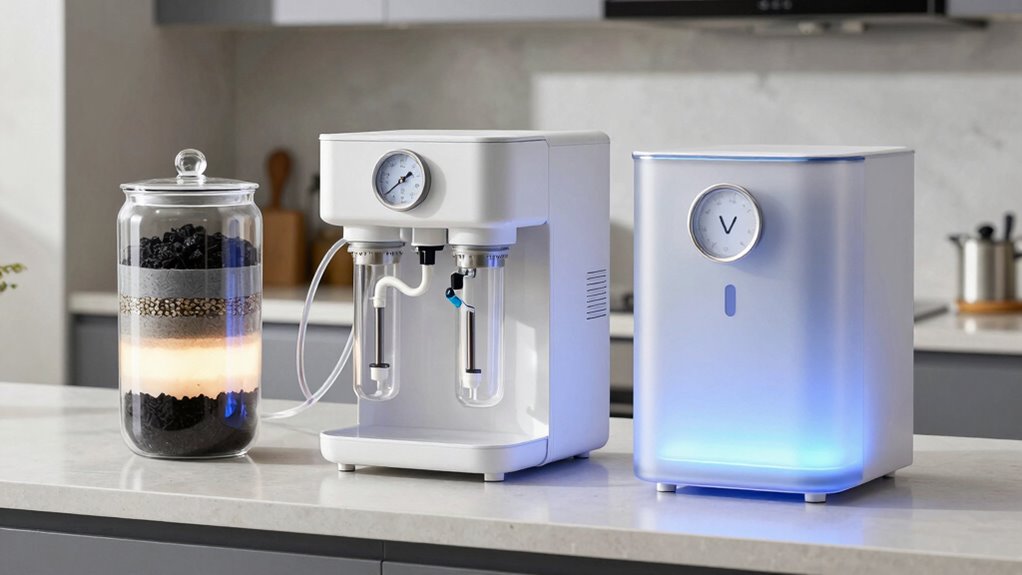
Reverse osmosis systems are highly effective at removing contaminants, but they also have limitations, such as stripping away beneficial minerals. You should consider how much water they waste in the process and whether that fits your needs. Additionally, integrating connected home fitness technology can help monitor and optimize your water quality over time. Being aware of water wastage helps you make more sustainable choices when selecting a purification system. Understanding these pros and cons can also guide you in choosing the most energy-efficient option for your household. For example, some electric bikes are designed for high performance and speed, which could influence your energy consumption. Recognizing the importance of water filtration accuracy ensures that you select a system that effectively balances purification with resource conservation. Knowing these factors helps you decide if an RO system is right for your home.
Filtration Effectiveness and Limits
Reverse osmosis (RO) systems are highly effective at removing a wide range of contaminants, including dissolved salts, bacteria, and organic compounds, making them a popular choice for clean drinking water. However, they do have filtration limitations that you should consider.
- Complete contaminant removal can sometimes lead to overly pure water that lacks essential minerals, affecting taste and health.
- Slow filtration speeds may be frustrating if you need large quantities of water quickly.
- Water waste is significant, as RO systems discard a portion of water during the filtration process, which impacts efficiency and sustainability.
- Additionally, filtering limitations can mean that certain chemicals or viruses may not be fully eliminated by RO alone, so supplementary filtration methods might be necessary.
While RO is excellent at contaminant removal, understanding its limits helps you decide if it fits your needs or if supplementary filtration is necessary.
Water Waste Considerations
While reverse osmosis systems deliver exceptional contaminant removal, they do so at the cost of water efficiency. These systems typically produce a significant amount of wastewater—often three to four gallons for every gallon of purified water—leading to higher water waste. This inefficiency can impact your overall water consumption and environmental footprint. Additionally, RO units tend to have higher installation costs, which can be a barrier if you’re on a tight budget. However, they are relatively energy-efficient compared to other purification methods, since they don’t require much power beyond running the pump. If water waste and installation costs are concerns for you, an RO system might not be the best fit. Consider your water usage and environmental priorities before choosing this technology. Water Waste concerns are especially relevant when evaluating the overall sustainability of your water purification options.
How Does UV Water Purification Keep Your Water Safe?
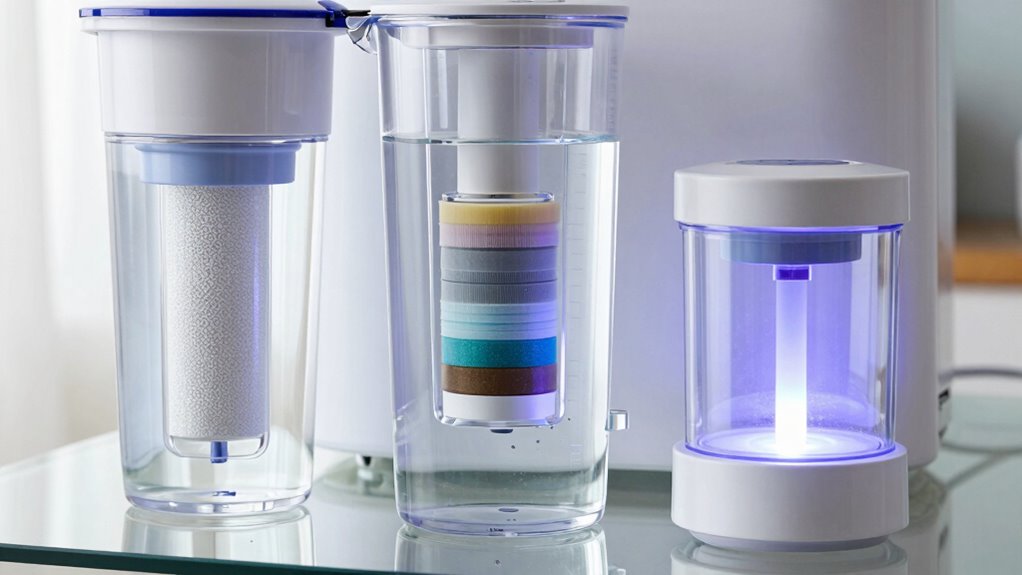
Have you ever wondered how UV water purification keeps your water safe? UV sterilization uses ultraviolet light to destroy bacteria, viruses, and other pathogens, ensuring your water is free from harmful microorganisms. This process is quick, chemical-free, and leaves no residuals, making it a safe choice for water safety.
UV sterilization quickly destroys harmful microorganisms, ensuring safe, chemical-free water without residuals.
Consider these powerful benefits:
- Instant Protection – UV sterilization acts immediately, neutralizing germs on contact.
- Chemical-Free Purity – No added chemicals or additives, preserving water’s natural quality.
- Reliable Safety – Effective against a wide range of microorganisms, providing peace of mind.
Which Water Filter Removes the Most Contaminants?

When it comes to removing the widest range of contaminants, gravity filters with activated carbon often lead the way. These filters effectively reduce chlorine, pesticides, volatile organic compounds (VOCs), and some heavy metals, providing an all-encompassing clean. They also help maintain your water’s pH balance, ensuring it’s neither too acidic nor too alkaline. Unlike reverse osmosis systems, gravity filters generally preserve essential minerals, supporting your health and taste. While they may not eliminate every microscopic impurity, they excel at considerably lowering common pollutants. If your priority is broad-spectrum contaminant removal while retaining beneficial minerals, gravity filters with activated carbon are a solid choice. They strike a good balance between purification efficiency and preserving water quality, making them suitable for everyday use.
How to Choose the Best Water Purification System for Your Home

Choosing the right water purification system for your home depends on your specific needs and water quality. To make an informed decision, consider these key factors:
- Water quality standards: Identify contaminants present and choose a system that effectively addresses them.
- Installation requirements: Determine if the setup fits your home’s plumbing and space constraints.
- Your daily needs: Decide whether you want a portable solution or a whole-house system for consistent purity.
Maintenance Tips and When to Upgrade Your Water Filter

Regular maintenance is essential to guarantee your water filter continues to provide safe, clean water. Consistently perform filter maintenance by replacing cartridges or cleaning components as recommended by the manufacturer. This ensures optimal performance and prevents bacteria buildup or clogging. Pay attention to signs that indicate it’s time for an upgrade, such as reduced flow rate, persistent odors, or discoloration in your water. Knowing when to upgrade your filter is vital for maintaining water quality and system efficiency. Don’t wait until filtration becomes ineffective—timely upgrade timing helps prevent potential health issues and extends the lifespan of your entire purification stack. Regularly check your system’s performance, follow maintenance schedules, and stay proactive about upgrades to keep your water pure and safe.
Frequently Asked Questions
Can Gravity Filters Effectively Remove Viruses From Water?
Gravity filters alone typically can’t effectively remove viruses from water because their filtration efficiency is limited to larger particles and bacteria. While they improve water clarity, viruses are often too small to be filtered out by standard gravity filters. For reliable virus removal, you should consider additional purification methods like UV sterilization or reverse osmosis, which have higher filtration efficiency against viruses and assure your water is safe to drink.
How Much Does a Typical UV Purification System Cost?
A typical UV purification system costs between $100 and $500, depending on the size and features. The cost overview includes installation, maintenance, and replacement bulbs, which are key pricing factors. Smaller, portable units are usually more affordable, while larger, whole-house systems tend to be pricier. You should consider your water quality, flow rate needs, and budget to choose the right UV system that offers reliable disinfection without overspending.
Are Combination Water Filters More Effective Than Single Technology Systems?
Coincidences often reveal that combination water filters are more effective than single technology systems. By integrating multi-stage filtration, they target a broader range of contaminants, including chemicals and bacteria, more thorough. This layered approach enhances chemical removal and improves water quality. So, if you want reliable purification, choosing a multi-technology filter offers better protection, ensuring safer, cleaner drinking water with less worry about unseen pollutants.
What Are the Energy Requirements for Reverse Osmosis Units?
You’ll find that reverse osmosis (RO) units generally require moderate energy consumption, mainly for pushing water through membranes. This energy use impacts overall filtration efficiency, ensuring cleaner water but at a cost of higher power compared to gravity filters or UV systems. To optimize your setup, consider your energy availability and filtration needs, as RO units deliver high-quality purification but need consistent power to function effectively.
How Long Do UV Bulbs Last Before Needing Replacement?
A stitch in time saves nine. Your UV bulb usually lasts about 9 to 12 months before needing replacement, depending on usage and water quality. To maintain ideal disinfection, follow the recommended replacement schedule, and check the manufacturer’s guidelines. Regularly inspecting your UV system ensures it stays effective, so don’t wait until it’s too late—timely replacement keeps your water safe and clean.
Conclusion
Choosing the right water purification method is like steering the waters of the Nile—each has its unique path and purpose. Whether you prefer the simplicity of gravity filters, the thoroughness of reverse osmosis, or the safety of UV treatment, understanding their strengths helps you make an informed decision. By selecting wisely, you’ll guarantee your home’s water remains pure and inviting, much like the timeless flow of a mighty river—steadfast, clear, and essential.