TL;DR

Get emergency and outdoor gear delivered free with Prime
- Fast, free delivery on millions of items
- Prime Video, Amazon Music and more included
- Member-only deals all year
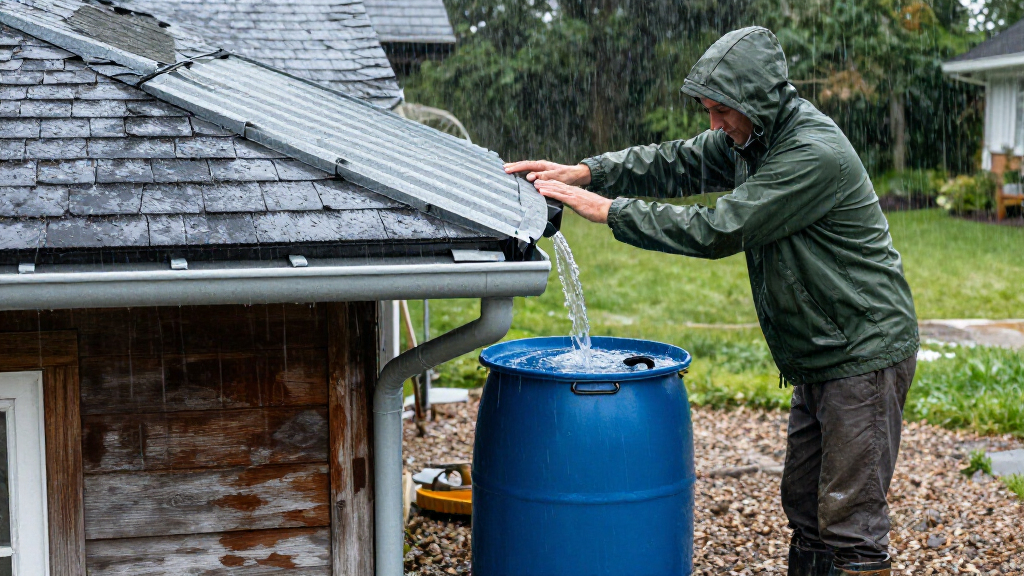
A preparedness guide focused on the Kansas City area says a roof can collect substantial rainwater, but the roof edge and gutter determine whether it reaches storage cleanly. Rain barrels are best treated as non-drinking-water supplies unless the water is properly treated; the guide recommends debris control, screening, a secure lid, a first-flush diverter and safe overflow routing.
A preparedness guide on rainwater collection emphasizes that roof and gutter condition determines how reliably runoff reaches a household barrel, making maintenance at the roof edge a key part of a backup-water plan. It recommends using collected rain mainly for non-drinking purposes unless it has been properly treated, and describes a basic setup intended to keep debris, insects and overflow under control.
The guide uses the Kansas City area as an example, where leaves, seed pods and twigs can accumulate in gutters from fall into early winter. Wet debris can stain water as it decays, contribute to algae growth and create standing water. It can also clog inlet screens or a first-flush diverter, which is designed to divert the dirtiest runoff at the start of a storm. These are practical risks described by the guide, not reported measurements of contamination in a particular barrel.
A commonly used harvesting estimate cited in the source is that one inch of rain on 1,000 square feet of roof yields roughly 620 gallons of runoff. Actual collection depends on conditions such as roof area, rainfall, losses and the performance of the drainage system. The estimate illustrates the potential volume, while the guide argues that usable collection depends on keeping water moving through the gutter and into storage rather than spilling over a blocked edge.
Its suggested barrel setup includes a gutter cover, a screened inlet, a secure lid, a first-flush diverter and an overflow hose that directs excess water away from the foundation. The guide says different cover types—including micro-mesh, solid covers and foam filters—handle debris and heavy flows differently. Fit, roof pitch, tree cover, gutter condition and downspout location all affect which option may work; the source does not identify one cover as best for every home.
Preparedness Field Guide · Kansas City Example
Rainwater As A Backup Supply: Why Preparedness Starts At The Roof Edge
A roof can collect substantial rainwater, but the roof edge and gutter determine whether runoff reaches storage cleanly. Keep debris moving, manage the first flush and plan overflow before the next storm.
01 / The purpose
Keep Backup Water Usable
A rain barrel can supplement household water for jobs that do not require drinking-quality supplies. That can preserve treated or bottled water for drinking and food preparation during a tap interruption.
Good fit for untreated barrel water
Keep the intended use clear and label the barrel accordingly.
- Toilet flushing
- Washing and cleaning
- Garden watering
- Other non-drinking tasks
Collection does not make water safe to drink.
CDC guidance says rainwater may contain germs or chemicals. Drinking, cooking or bathing with it calls for appropriate testing and treatment. A cleaner intake can help manage debris, but it does not replace treatment.
02 / The collection path
From Roof Runoff To Storage
Dust, pollen, bird droppings and roofing-material residue may enter runoff. In the Kansas City example, fall leaves, seed pods and twigs add seasonal maintenance needs.
Roof
Rain picks up surface material.
Gutter
Clear debris to keep water moving.
Downspout
Direct runoff toward the barrel.
First flush
Divert some of the dirtiest early runoff.
Covered barrel
Screen the inlet and route overflow away.
Wet debris can stain stored water as it decays, contribute to algae growth and create standing water. Clogs can also interfere with inlet screens and first-flush diverters. These are practical risks described by the guide, not measurements from a specific barrel.
03 / The setup
Build A Managed Intake
The guide recommends components that control debris, insects, early runoff and excess flow. Inspect them as part of routine upkeep.
Gutter cover
Choose a type that fits the roof and gutter and suits nearby trees and expected flow.
Screened opening
Check for clogs so water can enter while debris and insects are managed.
Secure lid
Keep the barrel covered and mark the water clearly for its intended use.
First-flush diverter
Divert some initial runoff; inspect the diverter because debris may affect operation.
Safe discharge route
Use an overflow hose to carry excess water away from the foundation.
Seasonal inspection
Check after leaf fall, hail or heavy storms, and keep the gutter and drainage route clear.
04 / Reading the estimate
Potential Volume Is Not Usable Yield
Illustrative factors only; bar lengths do not represent measured percentages. Actual yield depends on roof dimensions, rainfall, runoff losses and drainage performance.
05 / Before the next storm
Inspect The Roof Edge First
Reliable collection starts before water reaches the barrel. Check the route from roof to storage, then confirm that every part can move water safely.
Clean gutters and downspouts
Remove leaves and other debris that could slow flow or block the inlet.
Match covers to the home
Consider roof pitch, nearby trees, gutter condition and downspout location.
Route overflow away
Make sure excess water drains away from the foundation without obstructing flow.
06 / Key questions
Quick Answers For A Backup Plan
How much can a roof collect?
The cited rule of thumb is roughly 620 gallons from one inch of rain on 1,000 square feet of roof. Actual collection varies.
Can I drink barrel water?
Not untreated. Consult current public-health guidance and use appropriate testing and treatment for drinking, cooking or bathing.
What belongs in a basic setup?
A gutter cover, screened inlet, secure lid, first-flush diverter and overflow hose are the guide’s recommended components.
Which gutter cover is best?
No single option fits every home. Micro-mesh, solid covers and foam filters handle debris and heavy flow differently.
Keeping Backup Water Usable
Rainwater collection can supplement stored household water for tasks that do not require drinking-quality supplies. The guide points to toilet flushing, washing, cleaning and gardening as potential uses, which can help preserve treated or bottled water for drinking and food preparation during an interruption in tap service. Its central practical point is that maintenance upstream can reduce debris and clogging before water enters a barrel.
Collection does not make water safe to drink. The Centers for Disease Control and Prevention says rainwater is not necessarily safe for drinking without treatment to remove germs and chemicals, and advises regular testing for people who drink, cook or bathe with it. A barrel intended for emergencies should therefore be labeled and managed according to its use. Anyone planning to drink harvested water needs an appropriate treatment process; a cleaner intake may make treatment easier, but does not replace it.
Popular right now

Sony BRAVIA 5 85-Inch Mini LED 4K HDR Smart TV (K-85XR50)

TCL T7 Series 85-Inch 4K 144Hz QLED Smart Google TV

KitchenAid Artisan 5-Qt Tilt-Head Stand Mixer – Almond Cream (KSM150PS)
As an affiliate, we earn on qualifying purchases.
From Roof Runoff to Storage
Federal preparedness guidance cited in the source, Ready.gov, advises storing at least one gallon of water per person per day for several days, for drinking and sanitation. That stored supply takes space, and a rain barrel offers a separate way to collect water for tasks that do not require potable water. The source also cites the U.S. Environmental Protection Agency’s Soak Up the Rain program as support for capturing roof runoff with a rain barrel.
The collection path starts with the roof, then the gutter and downspout, before reaching a barrel. Dust, pollen, bird droppings and roofing-material residue may enter the runoff. In the guide’s Kansas City example, seasonal debris can add further maintenance needs. A first-flush diverter can discard some early runoff, but debris may interfere with its operation, so screens and diverters need inspection as part of routine upkeep.
Limits of the Collection Estimates
The source provides no measurements from a particular home, no test results for collected water and no comparison of how much water different gutter covers capture. The 620-gallon estimate is a rule of thumb, not a guarantee: actual yield varies with rainfall, roof dimensions, runoff losses and system condition. The source also does not establish that any cover type will prevent contamination or function reliably in every storm.
It does not specify treatment instructions for making rainwater potable, nor does it give local requirements for rainwater collection. People considering drinking, cooking or bathing with harvested water should consult current public-health guidance and use appropriate testing and treatment. The guide’s practical recommendations are general preparedness advice, not a substitute for local rules or a water-safety assessment.
Inspect Before the Next Storm
The next step for a household considering a barrel is to inspect the roof edge and drainage route: clear gutters, check that covers fit the roof and gutter, and make sure the downspout directs water into the barrel without obstructing flow. Check the inlet screen, lid, first-flush diverter and overflow route regularly, especially after seasonal leaf fall, hail or heavy storms. Overflow should be carried away from the foundation, and stored water should be clearly marked for its intended use.
No follow-up announcement, new rule or scheduled milestone is identified in the source material. For households that may use rainwater for drinking or food preparation, the next necessary steps are to consult health authorities, test the supply as advised and apply a suitable treatment method. Until those steps are completed, the safer planning assumption is to reserve barrel water for non-potable tasks.
Key Questions
How much rainwater can a roof collect?
The source cites a rule of thumb of roughly 620 gallons from one inch of rain on 1,000 square feet of roof. Actual collection varies with rainfall, roof size and losses in the system.
Can I drink water from a rain barrel?
Not without appropriate treatment. The CDC guidance cited in the source says rainwater may contain germs or chemicals and is not necessarily safe to drink untreated. Testing and treatment are needed for drinking, cooking or bathing uses.
What should a basic rain-barrel setup include?
The guide recommends a gutter cover, screened inlet, secure lid, first-flush diverter and overflow hose. These components help manage debris, insects, early runoff and excess water.
Which gutter cover is best for collecting rain?
The source does not name a single best option. Micro-mesh, solid covers and foam filters differ in how they handle debris and heavy flow; selection depends on trees, roof pitch, gutter size and condition.
Source: Ask a Prepper