In off-grid communities, sharing seed-saving techniques is key to boosting food security and resilience. You’ll find that focusing on open-pollinated and heirloom varieties guarantees you can maintain local adaptability. By harvesting quality seeds from healthy plants and using proper drying and storage methods, you can extend seed viability. Plus, these practices foster community collaboration, empowering everyone to contribute to sustainable living. To learn more about enhancing your seed-saving skills, keep exploring the topic.

Get emergency and outdoor gear delivered free with Prime
- Fast, free delivery on millions of items
- Prime Video, Amazon Music and more included
- Member-only deals all year
Key Takeaways
- Off-grid communities prioritize open-pollinated and heirloom varieties for seed saving, ensuring crops retain desirable traits and adapt to local conditions.
- Members share techniques for harvesting seeds from healthy plants, focusing on minimal stress to maintain seed quality.
- Effective drying methods, such as sun drying or mechanical drying, are exchanged among community members to enhance seed viability.
- Communities emphasize proper storage practices, using airtight containers and maintaining cool, dark conditions to preserve seeds long-term.
- Knowledge exchange fosters collaboration, encouraging responsible resource use and sustainable practices within the community.
As an affiliate, we earn on qualifying purchases.
Importance of Seed Saving in Off-Grid Living
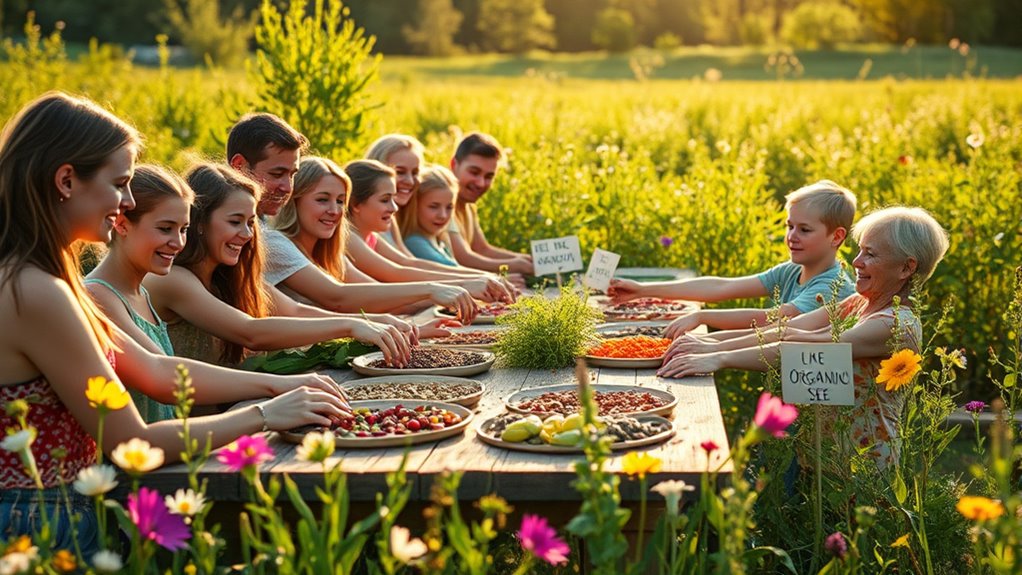
Seed saving is a cornerstone of sustainable off-grid living, ensuring food security and independence. By controlling your seed supply, you enhance local autonomy and reduce reliance on external sources.
In areas with unpredictable supply chains, saving seeds guarantees a steady food supply, even in harsh conditions. It also helps preserve biodiversity, allowing you to grow a variety of plants that can adapt to changing climates and resist pests.
This practice supports traditional crop varieties, ensuring they aren’t lost to industrial agriculture. By engaging in seed saving, you not only bolster your self-sufficiency but also contribute to the resilience of your community, fostering a sustainable future for all.
Choosing the Right Crops for Seed Saving
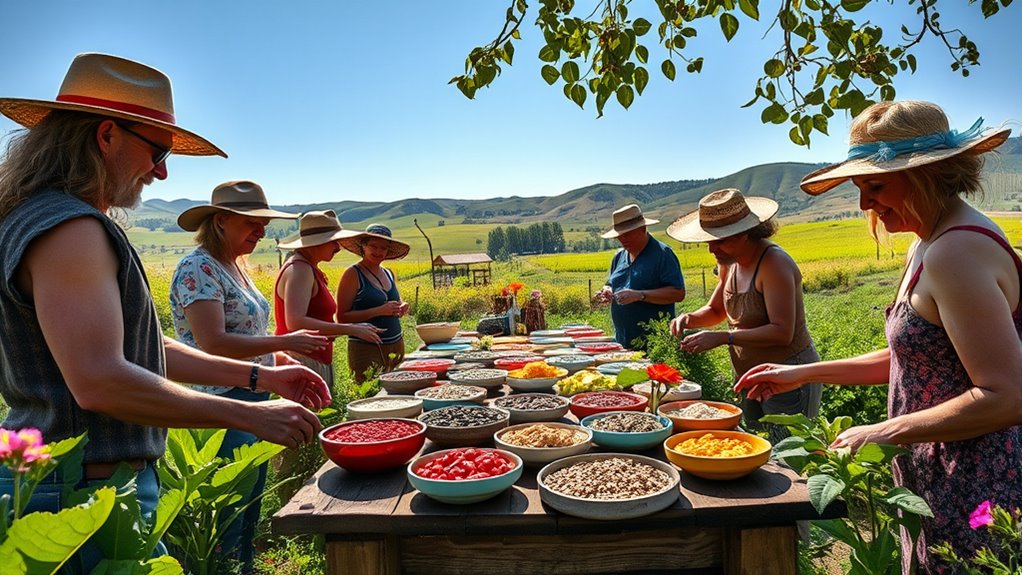
When it comes to successful seed saving, choosing the right crops is essential for ensuring a productive garden year after year.
Focus on open-pollinated varieties, as they produce seeds that retain the parent plant’s traits, ensuring resilience and adaptability to local conditions. Heirloom varieties are particularly valuable due to their historical significance.
Start with annual plants like tomatoes and peppers, which are self-pollinating and easy to manage. Beans, peas, pumpkins, and squashes also make excellent choices, yielding high-quality seeds with minimal effort.
Identifying and Harvesting Quality Seeds

Choosing the right crops is just the beginning; identifying and harvesting quality seeds is equally important for successful seed saving.
To guarantee seed viability, measure oxygen consumption and analyze volatile compounds using techniques like HS-GC-IMS. Timing your evaluations at specific intervals can boost accuracy up to 97.7%.
Measuring oxygen consumption and analyzing volatile compounds can significantly enhance seed viability assessments.
Pay attention to moisture content; it’s essential for storability and germination. When harvesting, select seeds from healthy, disease-free plants to maintain quality.
Timing your collection is key, as it varies by species and environmental conditions. Opt for hand harvesting for precision or machines for efficiency.
Minimize physical stress during harvesting to preserve seed integrity, and process them immediately to prevent moisture accumulation. This sets the stage for thriving seedlings.
Techniques for Effective Seed Drying
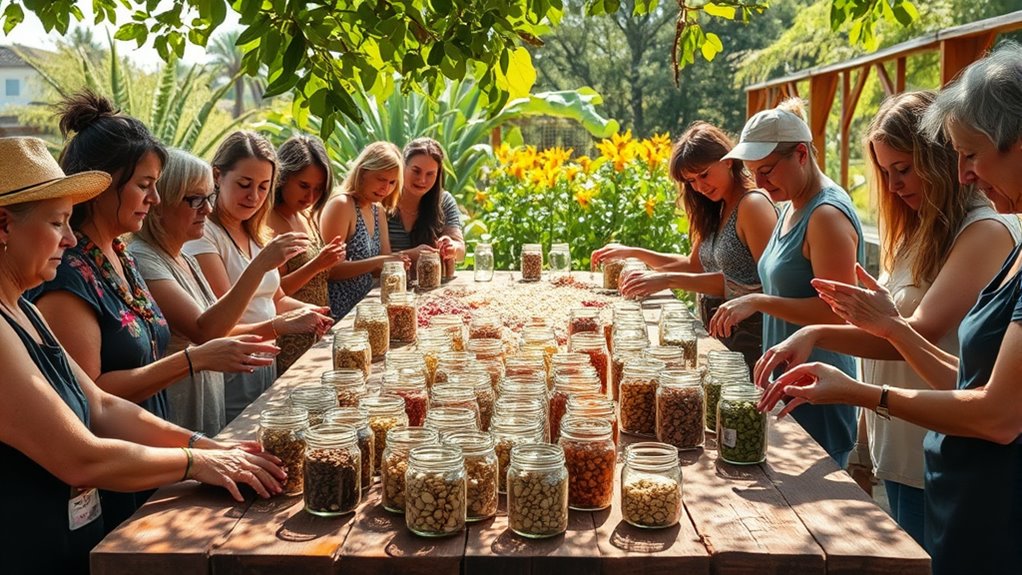
Effective seed drying is essential for maintaining seed viability and ensuring successful germination.
Start by spreading seeds in a single layer on a clean surface, like a screen or paper towel. Label the drying area with the seed type and date for easy tracking.
Choose a warm, dry, well-ventilated spot, away from direct sunlight, and expect drying to take several days to a week. To test dryness, crack a seed; it should break without bending.
Alternatively, you can use sun drying techniques by layering seeds thinly, shading them initially if moisture is high, and covering them at night.
Mechanical drying methods also work well, using air circulation to control conditions and improve efficiency.
Best Practices for Long-Term Seed Storage

After successfully drying your seeds, the next step is to focus on long-term storage to guarantee they remain viable for future planting.
Store your seeds in a cool, dark place at temperatures between 35 and 50 degrees Fahrenheit with a relative humidity of 30 to 40%. For long-term storage, freezing them at 0 degrees Fahrenheit is ideal, eliminating humidity concerns.
Use airtight containers like glass jars or plastic sealable bags to keep out moisture and pests. Don’t forget to include desiccants to manage moisture levels.
Before opening frozen seeds, let them reach room temperature to prevent condensation. By maintaining consistent conditions, you’ll ascertain your seeds stay healthy and ready for planting when the time comes.
Advanced Seed-Saving Techniques for Unique Varieties
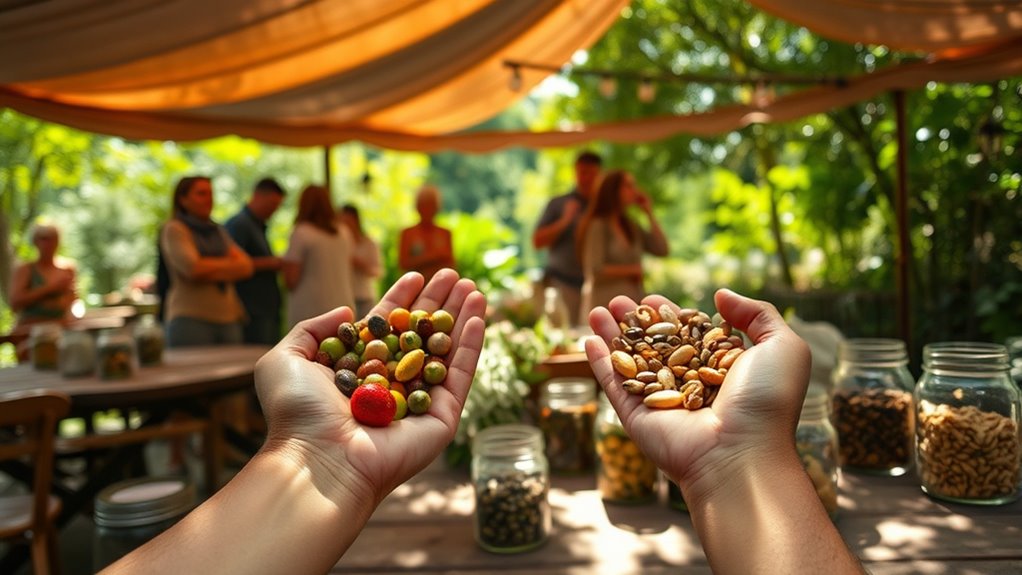
As you explore advanced seed-saving techniques for unique varieties, you’ll discover that the approach you take can greatly impact your success.
Start by selecting seeds from healthy, disease-free plants that show the traits you desire. To prevent cross-pollination, maintain isolation distances or use physical barriers like mesh bags.
Select seeds from healthy, disease-free plants that exhibit desired traits, using isolation methods to prevent cross-pollination.
Understanding whether your plants are annuals or biennials helps with timing seed collection. For cross-pollinating plants, consider isolating by time or using manual pollination to guarantee specific traits.
Additionally, support biennials during flowering and mulch them for winter protection.
Building Community Through Seed Sharing
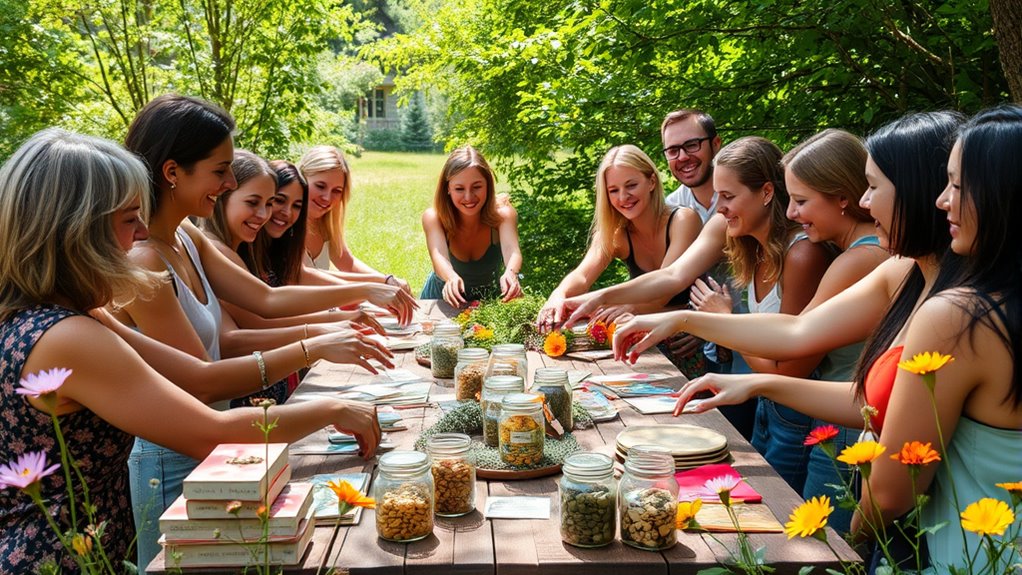
Seed saving not only preserves unique plant varieties but also creates strong community ties through the sharing of seeds. Events like the 8th Annual Seed Sharing Event at Washtenaw County Farm Park bring people together, fostering connections and knowledge exchange. Additionally, sharing seeds can promote weight loss benefits by encouraging the cultivation of nutritious foods, like chia seeds, that enhance overall health. This practice echoes the spiritual principles of sharing and generosity found in many religious teachings. Proper management of resources ensures that the seeds shared can thrive in diverse environments.
By participating in programs such as Share a Seed, you can support under-resourced areas and engage in mutual aid. Community seed libraries enhance accessibility, offering diverse seeds and hosting workshops that teach essential gardening skills. These initiatives encourage active participation and collective learning, allowing you to share gardening tips and best practices. Furthermore, saving seeds contributes to agricultural biodiversity, which is vital for resilient ecosystems and sustainable practices. Additionally, preserving unique plant varieties strengthens local ecosystems and promotes sustainable practices, making your community more resilient and connected.
Educational Resources and Workshops for Seed Savers

How can you become a successful seed saver? First, tap into valuable resources like the Seed Savers Alliance, which offers detailed guides on saving seeds.
Check out “The Complete Guide to Saving Seeds” by Robert E. Gough for insights on over 300 plants. Start with beginner-friendly tips from EcoWatch’s Seed Saving 101.
Participate in workshops and programs, such as the Community Seed Resource Program, which provides mentorship and toolkits.
Local seed libraries often host educational events and seed swaps, giving you a chance to connect with fellow seed savers. Engaging in these activities not only enhances your skills but also strengthens community ties, making seed saving a rewarding experience.
The Future of Seed Saving in Sustainable Communities

While the future of seed saving holds immense promise for sustainable communities, it’s essential to recognize its role in preserving biodiversity and enhancing food security. By saving seeds from local varieties, you support crop resilience and maintain genetic diversity, which industrial agriculture has diminished. This practice not only helps combat climate change but also promotes regenerative farming by ensuring healthier soils and reducing reliance on synthetic inputs. As unpredictable weather events become more frequent, your saved seeds can adapt to these challenges, fostering climate resilience. Additionally, sustainable harvesting practices can be applied to both foraging and seed saving, further enhancing community self-sufficiency.
Frequently Asked Questions
What Tools Are Essential for Successful Seed Saving?
To successfully save seeds, you’ll need a few essential tools.
Screens and sieves help separate seeds from chaff, while cutting tools like knives are crucial for accessing seeds in fruits.
Gloves protect your hands when handling certain seeds, and paper masks shield you from irritants.
For storage, use airtight, air-permeable containers and label everything clearly.
A calendar or planner can assist in tracking your seed-saving activities throughout the seasons, ensuring you stay organized.
How Can I Tell if Seeds Are Fully Mature?
Imagine holding a tiny treasure in your hand; that’s what mature seeds are like.
To tell if seeds are fully mature, look for color changes, increased size, and weight. They’ll feel drier and harder, and you won’t see any green.
Harvest when the plant’s pods or fruits start to dry, and observe for browning leaves or stems. If they’re sturdy and resilient, you’ve likely found your fully mature seeds!
What Are the Signs of Diseased Seeds?
To identify diseased seeds, look for mottling, shriveling, or blotching on their surface.
You might notice cracked, chalky seeds with black specks indicating Diaporthe decay or purple stains from *Cercospora kikuchii*, which can reduce germination.
Check for any dark lesions on emerging radicles, as this could signal damping-off diseases.
If seeds appear weak or fail to germinate, they likely suffer from fungal infections that compromise their viability.
Can I Save Seeds From Hybrid Plants?
You can save seeds from hybrid plants, but it’s risky.
Hybrid seeds often produce offspring that don’t resemble the parent plants, leading to unpredictable traits. Some hybrids may even yield sterile seeds, meaning nothing will grow.
If you decide to save seeds, be prepared for inconsistency.
For reliable results, focus on open-pollinated or heirloom varieties instead, as they’re more likely to produce true-to-type plants in the next generation.
How Often Should I Rotate My Seed Varieties?
You should rotate your seed varieties every two to three years. This keeps your soil healthy and prevents pests from adapting to specific crops.
By changing up your varieties, you’re also varying nutrient demands, which enhances soil fertility. Additionally, longer breaks between similar crops can reduce soil-borne diseases.
Conclusion
In the grand tapestry of off-grid living, seed saving isn’t just a practice; it’s a legacy. Like the wise gardeners of old, you’re not just preserving crops but nurturing a future where self-sufficiency thrives. By sharing seeds and knowledge, you cultivate a community rooted in resilience. As you embrace these techniques, remember the age-old adage: “From little seeds grow mighty trees.” Your efforts today will bear fruit for generations, ensuring the cycle of life continues to flourish.
Halloween Picks
halloween
As an affiliate, we earn on qualifying purchases.
![A Better Way To Tie Your Gym Shorts. (Or Any Drawstring) [Video]](https://doomsdayrobots.com/wp-content/uploads/2026/07/a-better-way-to-tie-your-gym-shorts-or-any-drawstring-video-featured-560x300.jpg)