To prepare for nuclear fallout, secure a reliable emergency kit with bottled water, non-perishable food, medical supplies, and a battery-powered radio. Find a central, basement, or interior room to shelter in and seal windows and doors to prevent radioactive dust entry. Minimize outdoor exposure, wear masks if outside, and keep monitoring updates. Stay indoors until authorities declare it safe, and know how to properly use protective gear and iodine tablets. Keep yourself informed and ready to act.
Key Takeaways
- Identify and access a sheltered location, preferably a basement or central room, to minimize radiation exposure.
- Stockpile essential supplies like bottled water, non-perishable food, medical supplies, and a battery-powered radio.
- Seal windows and doors, turn off ventilation systems, and create a barrier to prevent radioactive dust entry.
- Use masks and protective clothing to reduce inhalation and skin contact with radioactive particles.
- Follow official updates, stay sheltered until authorities declare it safe to leave, and be prepared to take iodine tablets if advised.

In the event of a nuclear fallout, being prepared can mean the difference between safety and danger. Your first priority should be understanding radiation safety. Radiation can cause serious health issues, so knowing how to minimize your exposure is essential. When a nuclear event occurs, radioactive particles are released into the air, and inhaling or ingesting these particles can be harmful. To protect yourself, seek shelter immediately—preferably in a basement or a central room away from windows. Keep as much distance as possible from the fallout source, and avoid going outside unless absolutely necessary. If you must go outside, wear a mask or a cloth over your nose and mouth to reduce inhalation of radioactive dust.
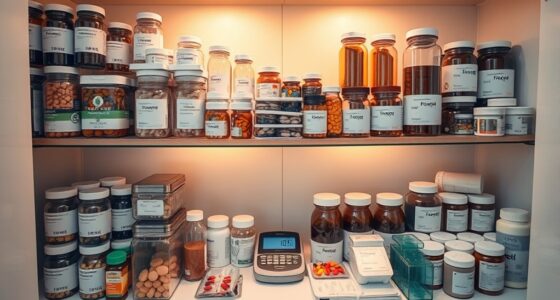
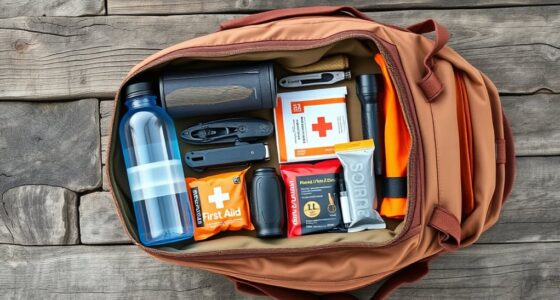
Having a well-stocked emergency kit becomes indispensable in these moments. Your emergency kit should include supplies that help you sustain yourself for at least 72 hours, ideally longer. Stockpile bottled water, non-perishable food, and basic medical supplies. Include a battery-powered radio to stay updated on official information and instructions—this is essential since radio signals may be your primary communication source. Remember, iodine tablets are also an important part of radiation safety. They help protect your thyroid from radioactive iodine, but only take them if authorities recommend it. Store them in your emergency kit along with other medications and first aid supplies. Additionally, utilizing protective gear such as masks and clothing can significantly reduce your risk of radioactive exposure.
Stockpile water, food, medical supplies, and iodine tablets to stay safe during a nuclear emergency.
Preparation extends beyond just having supplies; it’s about knowing how to use them effectively. Familiarize yourself with how to properly don a mask or protective clothing if you have them. Practice assembling your emergency kit so you can grab it quickly if needed. When sheltering, seal windows and doors as best as you can to prevent radioactive dust from entering. Turn off ventilation systems, and create a barrier between yourself and outside air. Stay indoors until authorities declare it safe—this might take hours or days, depending on the situation.
Communication is also key. Keep your emergency kit’s radio handy, and listen closely for updates from local officials. They’ll provide instructions on when it’s safe to leave your shelter or if additional precautions are necessary. Throughout this process, stay calm and rational. Being prepared means understanding the importance of radiation safety measures and having the right emergency kits ready. This preparation can considerably reduce your risk of exposure and help you stay safe until it’s secure to emerge. Remember, your proactive steps today can make all the difference in a nuclear fallout scenario.

Geiger Counter Nuclear Radiation Detector - FNIRSI Radiation Dosimeter with LCD Display, Portable Handheld Beta Gamma X-ray Rechargeable Radiation Monitor Meter, 5 Dosage Units Switched
【Nuclear Radiation Detector】FNIRSI GC-01 Geiger counter nuclear radiation detector with built-in GM sensor, able to detect Gamma, Beta...
As an affiliate, we earn on qualifying purchases.
Frequently Asked Questions
How Long Does Radiation Remain Dangerous After a Nuclear Explosion?
Radiation remains dangerous for varying periods depending on radioactive decay rates. Immediately after a nuclear explosion, contamination can be hazardous for days to weeks. Some isotopes decay quickly, reducing danger within days, while others linger for years. You should stay indoors, avoid contaminated areas, and follow official guidance. Typically, the most dangerous radiation levels diminish considerably within weeks, but some residual contamination might persist for years, so ongoing caution is essential.
What Are the Signs of Radiation Sickness to Watch For?
If you’ve experienced radiation exposure, watch for symptoms like nausea, vomiting, weakness, and skin burns. Fatigue, hair loss, and bleeding gums can also occur. Recognizing these signs early is vital for prompt treatment. Pay attention to symptom recognition, as it helps determine the severity of radiation sickness. Seek medical help immediately if you notice any of these symptoms, as prompt care can improve your chances of recovery.
Can Pets Survive a Nuclear Fallout?
Pets can survive a nuclear fallout if you prioritize pet safety and proper animal sheltering. Keep them indoors, away from fallout zones, and create a safe, enclosed space. Stock up on food, water, and necessary supplies, and monitor their health closely. If possible, seek shelter at a designated animal shelter or a secure location. Staying vigilant and prepared guarantees your pets have the best chance of surviving the fallout.
How Do I Decontaminate Clothing and Gear?
To decontaminate clothing and gear, you should first remove protective clothing carefully, avoiding contact with contaminated surfaces. Then, follow decontamination procedures like rinsing gear with clean water and using soap if available. Focus on thoroughly cleaning surfaces that may have exposed particles. Afterward, dry your clothing and gear completely before reuse. Always prioritize safety and avoid spreading contamination to other areas or your skin.
Are There Specific Foods to Avoid During Fallout?
Think of your body as a fortress under siege. During fallout, avoid foods that could be contaminated sources, like fresh produce from uncertain sources or canned goods stored near windows. Stick to sealed, packaged foods and water from trusted sources. These choices help guarantee food safety and reduce the risk of ingesting contamination sources, keeping your defenses strong. Stay vigilant about what you consume to safeguard your health in this critical time.

Nuclear Radiation Detector GQ GMC-800 Geiger Counter USA Design Product US National Standard Large Color LCD Display 5 Alarm Types Dosimeter Data Save & Global Share Beta Gamma X-ray Portable Device
【Nuclear radiation detector】GQ GMC-800 is the latest upgraded model of USA GQ Electronics Geiger Counters. Portable, personal &...
As an affiliate, we earn on qualifying purchases.
Conclusion
Now that you’re prepared, you’ll stand like a fortress against the chaos, your shelter a tiny island amid a sea of destruction. When the skies darken with ash and the world falls silent, you’ll be the one still standing, unbowed, unbroken. Your preparations turn you into a beacon of hope in a wasteland of despair. Stay vigilant, stay ready — because in the blink of an eye, everything could change, and you’ll need to be the last light shining.

Bloepum DIY Assemble Geiger Counter Kit Counter Module Nuclear Radiation Detector with Sound and Light Alarm Blue
4. Interrupt output interface, through which you can connect The microcontroller is then displayed on the LCD.
As an affiliate, we earn on qualifying purchases.
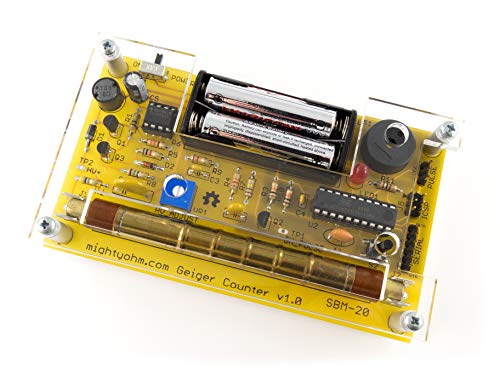
MightyOhm Geiger Counter Kit Bundle
Kit includes all components needed to build a working Geiger counter, including a high quality printed circuit board,...
As an affiliate, we earn on qualifying purchases.