Cybersecurity for critical infrastructure is essential because these systems manage significant services like energy, water, and transportation, making them prime targets for cyberattacks. Your focus should be on monitoring for malicious activity, updating legacy systems when possible, and implementing layered defense strategies. By understanding threats and adopting best practices, you can help protect public safety and guarantee operational resilience. To learn more about securing these crucial systems, keep exploring the key strategies and solutions available.
Key Takeaways
- Protect legacy industrial control systems with layered security measures and regular vulnerability assessments.
- Monitor network traffic continuously to detect anomalies and unauthorized activities promptly.
- Implement segmentation and access controls to limit potential attack vectors within critical infrastructure networks.
- Conduct staff training and awareness programs to recognize and respond to cyber threats effectively.
- Integrate real-time threat intelligence and advanced detection tools to stay ahead of evolving cyber risks.
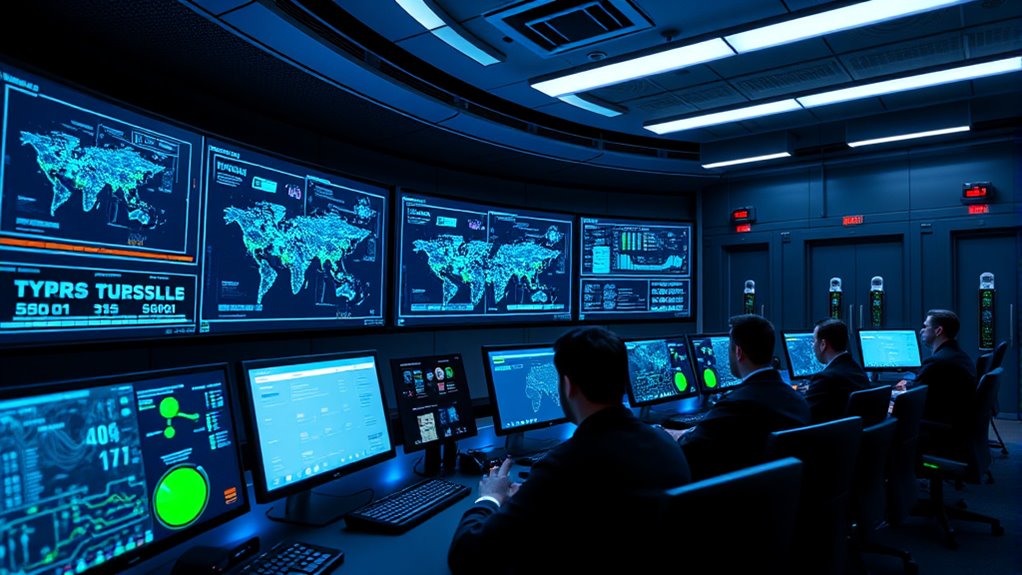
How vulnerable are our essential infrastructure systems to cyber threats? The reality is, these systems are increasingly at risk, especially as they become more connected and reliant on digital technologies. Industrial control systems (ICS) form the backbone of important sectors like energy, water, transportation, and manufacturing. They manage everything from power grids to water treatment plants, making them attractive targets for cybercriminals and nation-state actors alike. The challenge lies in protecting these complex networks from intrusion, sabotage, and disruption. Threat detection, in this context, is indispensable. It involves monitoring industrial control environments for signs of malicious activity before damage occurs. You need to understand what normal operations look like so you can spot anomalies that might indicate an attack. Effective threat detection tools sift through vast amounts of data generated by ICS, identifying unusual patterns, unauthorized access, or abnormal behavior within the network. This proactive approach helps you respond quickly, potentially stopping an attack in progress rather than just reacting after the fact. Industrial control environments are often legacy systems with outdated security measures, making them even more susceptible. Many factories and utilities haven’t updated their security protocols due to operational constraints or the fear of downtime. This creates gaps that cyber adversaries can exploit. To strengthen defenses, you should implement layered security strategies, including intrusion detection systems tailored for industrial environments. These systems continuously analyze network traffic and system logs, alerting you to potential threats in real time. Since ICS networks often operate in isolated segments—known as air-gapped networks—it’s essential to monitor these areas closely, even if they are thought to be secure. Additionally, regular security assessments can help identify vulnerabilities and improve threat detection capabilities. Threat detection isn’t just about technology; it also involves training staff to recognize signs of cyber intrusion and maintaining a culture of security awareness. Regular assessments and penetration testing can expose vulnerabilities in your industrial control systems, ensuring your threat detection measures stay sharp. Additionally, adopting advanced security standards and protocols designed specifically for industrial environments helps you stay ahead of evolving cyber threats. You should also consider integrating threat intelligence feeds that provide real-time updates on known vulnerabilities and attack patterns targeting ICS. The goal is to minimize the window of opportunity for cyber attackers and guarantee that your critical infrastructure remains resilient. In the end, safeguarding these vital systems requires a combination of sophisticated threat detection tools, vigilant monitoring, and ongoing staff training. By doing so, you not only protect your operational continuity but also secure the safety and well-being of the public relying on your services. The stakes are high, but with a proactive and informed approach, you can markedly reduce the risk of cyber threats compromising your critical infrastructure.
Top picks for "cybersecurity critical infrastructure"
Open Amazon search results for this keyword.
As an affiliate, we earn on qualifying purchases.
Frequently Asked Questions
How Do Cyber Threats Evolve Against Critical Infrastructure?
Threat evolution happens as cyber adversaries develop new tactics, techniques, and tools to bypass defenses. You’ll notice vulnerabilities adapting over time, making it essential to stay ahead. Attackers continually refine their methods, exploiting emerging weaknesses and shifting targets within critical infrastructure. To protect yourself, you must monitor these changes, update security measures regularly, and anticipate how threats evolve, ensuring your defenses adapt swiftly to emerging vulnerabilities.
What Are the Legal Implications of Cybersecurity Breaches?
When a cybersecurity breach occurs, you could face serious legal liabilities, including fines and lawsuits, especially if privacy regulations are violated. You’re responsible for protecting sensitive data and maintaining compliance with laws like GDPR or HIPAA. Failing to secure critical infrastructure may also lead to regulatory penalties and damage your reputation. Staying proactive with security measures helps you mitigate these legal risks and uphold your organization’s integrity.
How Can Small Agencies Improve Their Cybersecurity Measures?
You can improve your cybersecurity by conducting regular risk assessments to identify vulnerabilities and prioritize security measures. Employee training is essential; educate your staff on recognizing phishing attempts and safe online practices. Implement strong, multi-layered security protocols and keep software updated. Regularly review and update your security policies, ensuring everyone understands their role. By staying proactive and informed, you can better protect your agency’s vital data and infrastructure from cyber threats.
What Role Does International Cooperation Play in Cybersecurity?
International alliances amplify your cybersecurity efforts by fostering formidable defenses through diplomatic strategies. You can collaborate, share intelligence, and strengthen standards across borders. These alliances act as a bulwark against breaches, ensuring you’re not isolated in your security struggles. By building bridges with global partners, you leverage collective knowledge, resources, and resilience, transforming isolated efforts into a united front that’s better equipped to battle cyber threats worldwide.
How Is AI Used to Enhance Critical Infrastructure Security?
You use AI to enhance critical infrastructure security through AI-driven threat detection, which helps identify potential cyber attacks in real-time. Automated vulnerability scanning regularly checks systems for weaknesses, allowing you to address issues before hackers exploit them. These AI tools improve your ability to respond quickly, reduce false alarms, and strengthen your defenses, ensuring essential systems stay protected against evolving cyber threats and maintaining operational continuity.
Conclusion
You must master the mechanisms of cybersecurity to protect essential venues. By building barriers, boosting backups, and breathing new life into your defenses, you safeguard systems and stabilize security. Staying vigilant and vigilant isn’t just valuable — it’s crucial. Remember, robust resilience results from rapid response, relentless research, and routine review. Keep your infrastructure invulnerable, innovative, and invincible by integrating intelligent, intentional cybersecurity practices into every aspect of your operation.