
TL;DR

Get emergency and outdoor gear delivered free — and shop member deals
- Fast, free delivery on millions of items
- Access to Prime Big Deal Days deals on October 6–7
- Prime Video, Amazon Music and more included
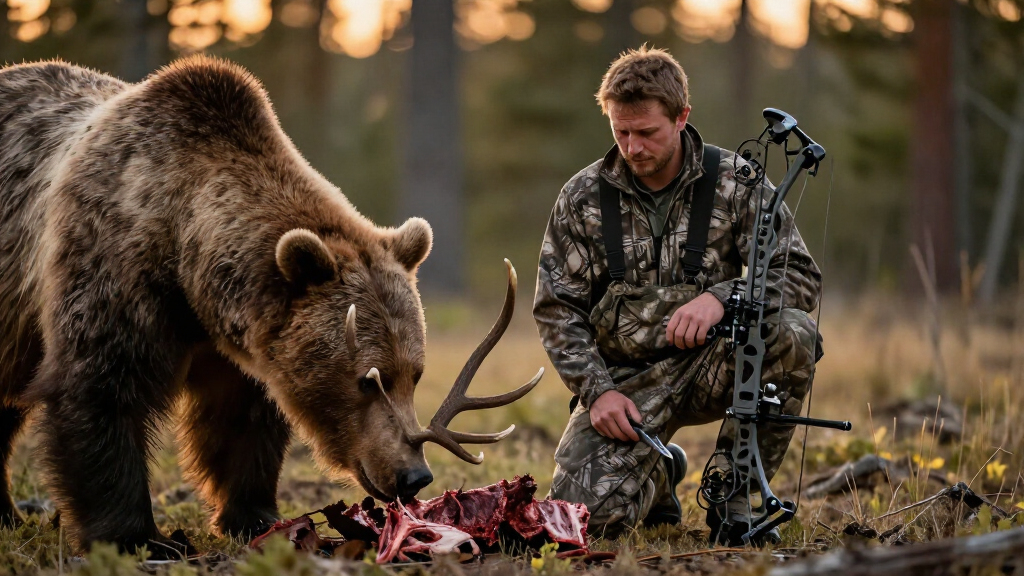
A bowhunter in Montana abandoned his elk carcass after a grizzly bear fed on it. State authorities then charged him, raising questions about wildlife management and hunting practices. The incident underscores ongoing wildlife conflicts in the region.
A bowhunter in Montana was compelled to abandon his elk carcass after a grizzly bear fed on it, according to local authorities. The Montana Department of Fish, Wildlife, and Parks (FWP) subsequently charged him, citing violations of hunting regulations. This incident highlights ongoing tensions between wildlife conservation efforts and hunting activities in the region.
The incident occurred in a remote area of Montana, where the hunter had successfully harvested an elk but left the carcass unattended. A grizzly bear, attracted by the scent, fed on the meat before the hunter could retrieve it. Montana FWP officials confirmed that the hunter was charged with failing to properly secure his kill, which is a violation of state hunting laws designed to prevent wildlife conflicts and protect bears.
According to FWP spokespersons, the hunter was present at the scene but did not take adequate measures to safeguard his kill from wildlife. The bear’s feeding on the carcass was observed and documented by wildlife officers, who responded to reports of a bear feeding near the hunter’s location. The hunter has not publicly commented on the incident, and it remains unclear whether he was aware of the bear’s presence prior to the feeding.
Following the incident, the hunter was charged with a misdemeanor related to improper carcass management. The carcass was confiscated by wildlife officials, and the bear was observed to be unharmed but habituated to human food sources, raising concerns about future human-wildlife interactions in the area.
Implications for Hunting Regulations and Wildlife Safety
This incident underscores the importance of proper carcass management for hunters in bear habitats, as failure to do so can lead to conflicts with wildlife and legal repercussions. It also highlights ongoing challenges faced by wildlife agencies in balancing hunting activities with conservation efforts. The case may influence future enforcement of carcass security regulations and prompt increased education for hunters about bear behavior and safety practices.
Moreover, the incident draws attention to the broader issue of human-wildlife conflicts in Montana and similar regions, where expanding bear populations increasingly interact with human activities. It may lead to discussions about stricter regulations and better enforcement to prevent such conflicts and protect both humans and bears.
As an affiliate, we earn on qualifying purchases.
Wildlife Conflicts and Hunting Laws in Montana
Montana has a significant population of grizzly bears, which are protected under federal and state law. Hunting of bears is regulated, with specific rules about carcass management designed to prevent attracting bears to human activity zones. In recent years, reports of bears feeding on unattended kills have increased, often resulting in conflicts and sometimes dangerous encounters.
Historically, hunters have been advised to take precautions, such as using bear-proof containers and promptly retrieving carcasses. Despite these guidelines, incidents like this one indicate that violations still occur, sometimes leading to legal action against hunters for improper carcass handling. The incident also comes amid a broader national discussion about managing expanding bear populations and the risks they pose to human safety.
Prior cases in Montana and neighboring states have shown that improper carcass management can result in bears becoming habituated to human food sources, increasing the risk of bear-human conflicts and potential relocations or lethal removals of bears.
Details About the Hunter’s Awareness and Actions
It is not yet clear whether the hunter was aware of the bear’s presence or if he took any precautions to prevent the bear from feeding on the carcass. The specifics of his actions immediately after the kill, and whether he attempted to retrieve the meat before the bear arrived, remain unconfirmed. Additionally, the extent of the hunter’s knowledge about bear behavior in that area is unclear.
Legal and Wildlife Management Follow-Ups Expected
Authorities are expected to continue investigating the incident, including reviewing the hunter’s actions and adherence to regulations. The case may set a precedent for stricter enforcement of carcass management laws. Wildlife officials might increase educational outreach to hunters about bear safety and proper carcass handling, especially in areas with high bear densities. Further incidents could prompt policy reviews or regulatory adjustments to prevent future conflicts.
Key Questions
Why did the hunter abandon the elk meat?
The hunter abandoned the elk meat because a grizzly bear was feeding on it, and he likely wanted to avoid further wildlife conflict or potential danger.
What laws did the hunter violate?
The hunter was charged with failing to properly secure his carcass, which is a violation of Montana’s hunting regulations designed to prevent attracting bears and other wildlife.
Could the bear have been harmed?
According to wildlife officials, the bear was unharmed but became habituated to human food sources, which can increase future conflict risks.
Will the hunter face penalties?
Yes, based on the charges filed by Montana FWP, the hunter could face fines or other legal consequences for improper carcass management.
What can hunters do to prevent similar incidents?
Hunters are advised to use bear-proof containers, promptly retrieve carcasses, and follow all regulations regarding carcass management to prevent attracting bears and avoid legal issues.
Source: rss
Fall Picks
fall essentials
As an affiliate, we earn on qualifying purchases.