

Shelter-in-place means you stay where you are, securing your environment and staying informed through alerts, usually during hazardous conditions like chemical spills or storms. Evacuation involves leaving the area quickly, following official routes, and packing essential supplies to reach a safe location. Knowing the differences helps you react appropriately to threats—whether to secure yourself or evacuate swiftly. To understand how to prepare for each situation and stay safe, keep exploring these options further.
Key Takeaways
- Sheltering in place involves securing your current location and staying inside, while evacuation requires leaving the area immediately.
- Authorities recommend sheltering in place during hazardous exposures like chemical spills, whereas evacuation is advised for imminent threats like fires or floods.
- Sheltering focuses on protecting yourself from environmental hazards with safety gear and a prepared space; evacuation emphasizes moving quickly to a safe location.
- During shelter-in-place, stay informed through alerts and maintain supplies; during evacuation, pack a grab-and-go bag and follow official routes.
- Knowing the difference ensures you respond appropriately, minimizing risk and maximizing safety during emergencies.

Have you ever wondered whether you should shelter in place or evacuate during an emergency? Deciding between these options depends on the situation and the guidance from authorities. When it comes to sheltering in place, your primary focus should be on maintaining effective emergency communication. Keep your phone charged and stay tuned to official alerts through radio, television, or emergency apps. This way, you’ll receive real-time updates about the threat level and instructions. Having a reliable communication plan ensures you’re not left in the dark, making it easier to react quickly and appropriately.
Stay informed and keep your phone charged to respond effectively during emergencies.
Equally important is your personal safety gear. If you’re instructed to shelter in place, gather essential supplies like masks, gloves, and protective clothing if the threat involves hazardous materials or airborne toxins. Personal safety gear helps reduce exposure to harmful substances and keeps you safe while you wait for the all-clear. Make sure your shelter area is stocked with enough water, non-perishable food, and first aid supplies. Prepare a dedicated space that’s easy to access and away from windows or vents if necessary. This minimizes your risk of injury or contamination. Understanding the shelf life of supplies can help ensure your emergency stock remains effective when needed.
On the other hand, if evacuation is recommended, your emergency communication plan becomes even more critical. You need to stay informed about evacuation routes and shelter locations. Listen for updates through your phone or emergency alerts, and keep your personal safety gear ready to go. Pack a grab-and-go bag with essentials such as water, snacks, medications, important documents, and any personal safety gear you might need. This preparation allows you to leave quickly when required, without wasting precious time searching for supplies.
Knowing the difference between sheltering in place and evacuating can save your life. If authorities advise you to stay put, focus on securing your environment, staying informed, and using personal safety gear to protect yourself from hazards. If they recommend evacuation, act swiftly, follow official routes, and ensure your communication devices are functional so you can receive ongoing updates. Being prepared with a clear plan and the right gear means you can adapt to the situation more effectively. It’s essential to understand your options and be ready to implement them at a moment’s notice, keeping your safety and well-being at the forefront.
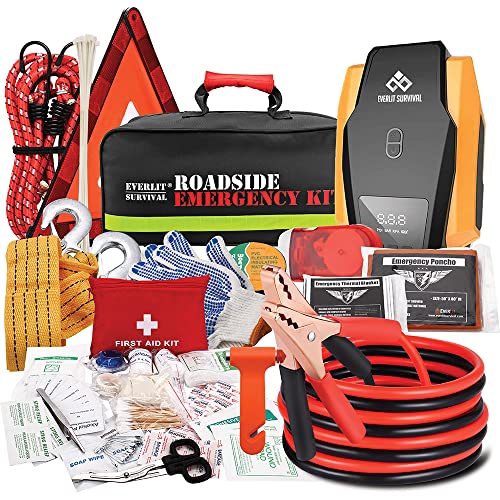
Everlit Survival Car Emergency Kit, Roadside Safety Tool Kit with Gloves,Digital Auto Air Compressor Tire Inflator, First Aid Kit, 12 Feet Jumper Cable, Tow Strap, Flashlight for Women, Men, Teenagers
- Roadside Emergency Kit: Comprehensive tools for roadside emergencies
- Digital Tire Inflator: Inflates tires quickly with auto shutoff
- LED Light and Nozzles: Includes LED light and multiple inflator nozzles
As an affiliate, we earn on qualifying purchases.
As an affiliate, we earn on qualifying purchases.
Frequently Asked Questions
How Do I Decide Whether to Shelter-In-Place or Evacuate?
You should decide whether to shelter-in-place or evacuate based on a thorough risk assessment of the situation. If danger is localized, like a chemical spill or fire nearby, shelter-in-place is safest, ensuring you stay safe indoors. If the threat is widespread, such as a wildfire or flood, evacuation is necessary. Use clear communication strategies to stay informed, follow official advice, and act promptly to protect yourself and others.
What Supplies Should I Have Ready for Each Scenario?
You should have an emergency kit ready with essentials like water, non-perishable food, medications, flashlight, batteries, and hygiene supplies. A communication plan is also crucial—ensure you have charged phones, backup chargers, and a list of contacts. For shelter-in-place, focus on supplies to last several days indoors. If evacuating, pack a go-bag with your emergency kit items, important documents, and clothing to stay prepared for quick departure.
How Long Should I Stay Sheltered-In-Place?
Think of it as a patience test—you should stay sheltered-in-place until your risk assessment indicates it’s safe to leave, which could be hours or even days. Duration planning involves considering the severity of the situation, updates from authorities, and your supplies. Keep monitoring official advice, stay calm, and be prepared for an extended stay if necessary. Your safety depends on careful judgment and staying informed until it’s clear to step out.
Are There Specific Signs Indicating When to Evacuate?
You should evacuate when emergency communication and community alerts advise you to do so. Signs like worsening weather, fire spreading, or hazardous material leaks indicate it’s time to leave. Pay close attention to alerts on your phone or radio, and follow official instructions promptly. Trust your instincts if the situation feels unsafe. Staying informed through community alerts helps you recognize when evacuation is necessary to keep yourself and others safe.
How Do Evacuation Plans Differ for People With Disabilities?
When evacuating, you’ll find plans tailored for accessibility accommodations, ensuring everyone can move safely. Emergency communication is vital, with clear instructions that consider your needs. Evacuation routes might include ramps or elevators, and assistance teams are trained to support you. Knowing these differences helps you stay prepared and confident, knowing your safety isn’t overlooked. Always review your community’s emergency plan to understand how they accommodate your specific needs during an evacuation.
Conclusion
Knowing whether to shelter-in-place or evacuate can be the difference between safety and danger. Think of it like choosing the right path in a storm—you wouldn’t run blindly into the rain. By understanding the situation and acting quickly, you keep yourself safe, just as a sturdy umbrella shields you from the storm’s worst. Stay alert, trust your instincts, and remember: your safety depends on making the right choice at the right time.