To successfully preserve seeds and plan a seed bank, focus on maintaining seed viability through proper collection, storing seeds in airtight containers at low temperatures, and controlling humidity to prevent mold. Regularly test germination rates to identify unviable seeds early, and organize your collection with detailed labels and records. By managing these factors, you can extend seed lifespan and protect genetic diversity. Keep exploring these strategies to build a resilient and effective seed bank.
Key Takeaways
- Assess seed viability through regular germination testing to inform storage and replenishment strategies.
- Store seeds in airtight, moisture-controlled containers at low temperatures to prolong longevity.
- Label and document seed information meticulously for effective organization and inventory management.
- Remove excess moisture before storage to prevent mold and decay, maintaining optimal seed moisture levels.
- Continuously monitor seed health, rotate stock, and replenish with fresh seeds to ensure a resilient seed bank.

Have you ever wondered how to guarantee plant diversity for future generations? Building a seed bank is one of the most effective ways to do that. It involves collecting, storing, and managing seeds from a wide variety of plant species to preserve genetic diversity. But before you start, understanding the importance of seed viability and the best storage techniques is essential to guarantee your efforts succeed. Seed viability refers to the seed’s ability to germinate and grow into a healthy plant. Over time, seeds can lose their vitality due to environmental factors, age, or poor storage conditions. That’s why testing seed viability regularly is indispensable. You can do this by conducting germination tests, which involve sprouting a small sample of seeds under controlled conditions. If germination rates drop below a certain threshold, it’s a sign that you need to replenish your stock with fresh seeds from reliable sources.
When it comes to storing seeds, choosing the right storage techniques makes all the difference. The goal is to slow down biological processes that cause deterioration, such as respiration and microbial activity. To do this effectively, you should start by cleaning and drying your seeds thoroughly. Moisture is a major enemy in seed storage because it promotes mold and decay. Ideally, seeds should be dried to a specific moisture content—typically around 5-8%—before sealing them in airtight containers. Using materials like glass jars with tight-fitting lids, vacuum-sealed bags, or specialized seed storage boxes helps create an environment that minimizes exposure to oxygen and humidity. Temperature control is equally critical; most seeds preserve best at low temperatures, around 0 to -20°C. If you have the facilities, maintaining a cold, stable environment will considerably prolong seed lifespan. Additionally, understanding the seed’s biological process can help optimize storage conditions for different species.
Additionally, labeling your stored seeds with detailed information—such as species, collection date, and source—ensures you can manage your seed bank effectively. Rotating your stock by regularly testing germination rates and replenishing old or unviable seeds keeps your collection healthy and diverse. It’s also wise to keep an organized record of storage conditions and seed viability tests, so you can identify patterns and improve your techniques over time. Proper storage techniques not only extend seed longevity but also safeguard the genetic diversity of plants you aim to preserve. By prioritizing seed viability and implementing effective storage methods, you create a resilient seed bank that can serve as an essential resource for future conservation, research, and restoration projects.

jixsloft 120 Slots Seed Storage Organizer with 20 Seed Envelopes, Sturdy Seed Organizer Storage Box with Zipper Bag Label Stickers(Seeds not Included), Seed Storage Container for Flower Plants Garden
Sturdy Seed Storage Organizer Set: Includes 120 * organizer storage boxes, 20*seed envelopes, 1 * quality storage zipper…
As an affiliate, we earn on qualifying purchases.
As an affiliate, we earn on qualifying purchases.
Frequently Asked Questions
How Long Can Seed Samples Remain Viable in a Seed Bank?
Seed samples can remain viable in a seed bank for decades or even centuries if you maintain ideal storage conditions. Proper storage conditions, like low temperatures and low humidity, help preserve seed viability by slowing down aging and preventing deterioration. You should regularly monitor seed quality and conduct viability tests to guarantee your seeds stay healthy over time, maximizing their potential for future planting and conservation efforts.
What Are the Costs Associated With Establishing a Seed Bank?
Like planting a seed in fertile ground, establishing a seed bank demands investment. You’ll face funding challenges that require steady financial backing and careful planning. Infrastructure requirements, such as climate-controlled storage, security, and proper shelving, add to costs. You need to allocate funds for equipment, staff, and maintenance. While initial expenses can be high, securing grants and partnerships can help, turning this essential project into a sustainable safeguard for biodiversity.
How Do Seed Banks Prevent Genetic Erosion Over Time?
To prevent genetic erosion over time, you actively maintain seed diversity and guarantee seed longevity. You do this by regularly updating collections with new samples, avoiding over-reliance on a few varieties. You also store seeds in ideal conditions—cool, dry, and dark—to extend their viability. Additionally, you promote genetic diversity through careful selection, which helps safeguard against loss and maintains a resilient seed bank for future generations.
Can Seed Banks Be Used for Commercial Crop Development?
Imagine you’re in a sci-fi film, and seed banks are the secret weapon for crop innovation. You can definitely use seed banks for commercial crop development; they enhance seed bank commercialization by providing diverse genetic material. This boosts crop breeding potential, helping you develop resilient, high-yield varieties. By tapping into stored seeds, you’re fundamentally opening up future farming breakthroughs, ensuring food security and sustainability in an ever-changing climate.
What Are the Legal Considerations for Collecting and Storing Seeds?
You need to guarantee legal compliance when collecting and storing seeds by respecting intellectual property rights and local laws. Always verify if the seeds are protected by patents or plant breeders’ rights, and get proper permissions if necessary. Keep detailed records of seed sources, and follow regulations for conservation and access. Staying informed about legal restrictions helps prevent infringement and safeguards your seed bank’s legitimacy.
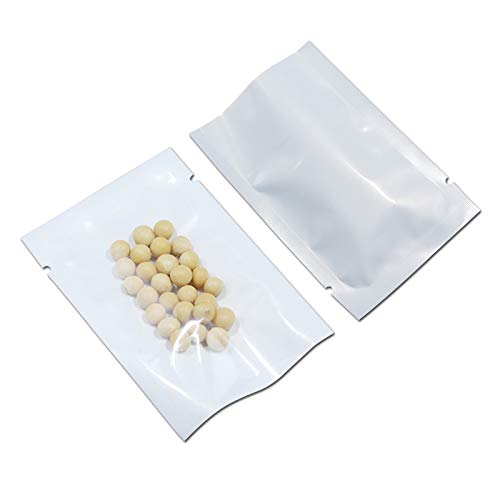
PABCK 300 Pcs 2.4×3.5 inch (Usable Size 2×3.1 inch) White Front Clear Open Top 2.8mil Plastic Heat Seal Bags Vacuum Sealable Pouch Bag for Food Storage Packets Mini Packaging with Tear Notches
Clear front so that can identify your products from outside
As an affiliate, we earn on qualifying purchases.
As an affiliate, we earn on qualifying purchases.
Conclusion
Now that you know the basics, you’re ready to build a bold, beautiful seed bank. By blending careful planning with consistent care, you’ll create a lasting legacy of lush, lively life. Your dedication will develop a durable, dependable seed supply that safeguards species and sustains self-sufficiency. So, seize the seeds, set strong standards, and start securing a sustainable sanctuary today—your future flora will flourish thanks to your thoughtful, tireless efforts.

GROWFRIEND Seed Starter Kit with Grow Lights & Heat Mat – 40-Cell Seed Starter Tray, Humidity Dome, Soil Moisture Meter & Sticky Gnat Traps – Indoor Greenhouse & Plant Propagation Station
🌱 All-in-One Indoor Seed Starter Kit 🌱 From basil to begonias, Growfriend makes it easy to grow vibrant…
As an affiliate, we earn on qualifying purchases.
As an affiliate, we earn on qualifying purchases.

Boczif 26 Slots Seed Storage Organizer Box with Insulated Bag Seed Envelopes Bag and Label Stickers, Garden Seed Container for Seed Packets, Plant, Flower, Vegetable Seeds
【SEED STORAGE ORGANIZED】 This comprehensive seed organizer storage box set includes a durable black Oxford cloth & Foil…
As an affiliate, we earn on qualifying purchases.
As an affiliate, we earn on qualifying purchases.