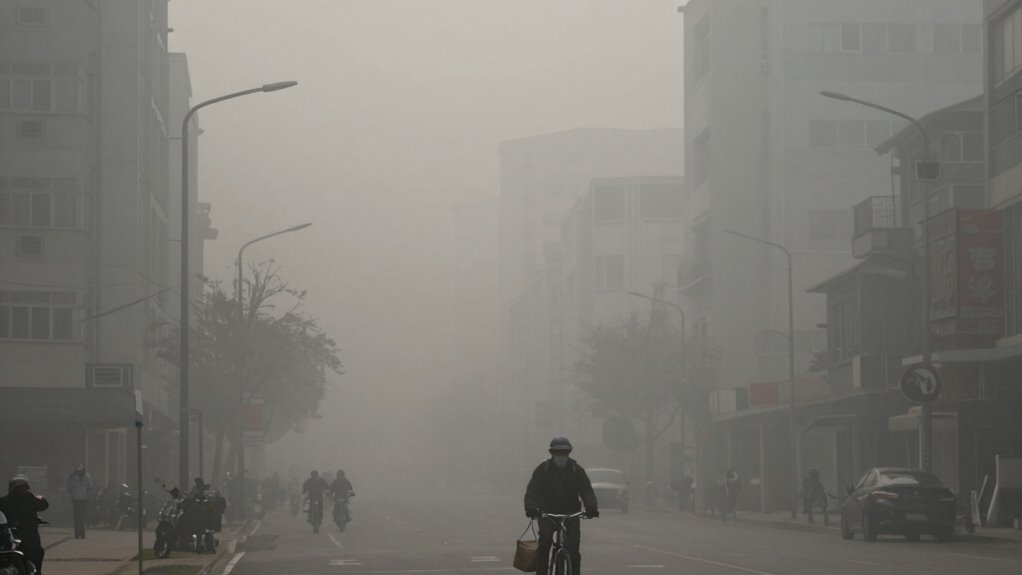

PM2.5 particles are tiny airborne pollutants that pose serious health risks when their levels reach or surpass the “unhealthy” threshold, typically around 35-55 micrograms per cubic meter. When PM2.5 is labeled as “unhealthy,” it means everyone should take precautions, like avoiding outdoor activities and wearing masks, because exposure can worsen respiratory and heart issues. To understand exactly when and why these levels turn dangerous, you’ll find the important details just ahead.
Key Takeaways
- PM2.5 levels are measured in micrograms per cubic meter (µg/m³), with higher numbers indicating worse air quality.
- The Air Quality Index (AQI) categorizes PM2.5 concentrations from ‘Good’ to ‘Hazardous,’ signaling increasing health risks.
- ‘Unhealthy’ AQI levels (151-200) mean everyone may experience health effects; ‘Very Unhealthy’ and ‘Hazardous’ levels pose serious risks.
- Specific PM2.5 thresholds define categories: for example, above 150 µg/m³ is generally considered unhealthy.
- Awareness of these numbers helps determine when to limit outdoor activities and take protective health measures.

GoveeLife Smart Air Quality Monitor with PM2.5 H5106, LED Display Wired
- High Accuracy & Fast Refresh: ±15 µg/m³ PM2.5 accuracy, 2s update
- Multi-Index Air Quality Monitoring: Measures PM2.5, temperature, humidity
- Switchable Display Modes: Clock, PM2.5, bright and night modes
As an affiliate, we earn on qualifying purchases.
As an affiliate, we earn on qualifying purchases.
What Are PM2.5 Particles and Why Do They Matter?
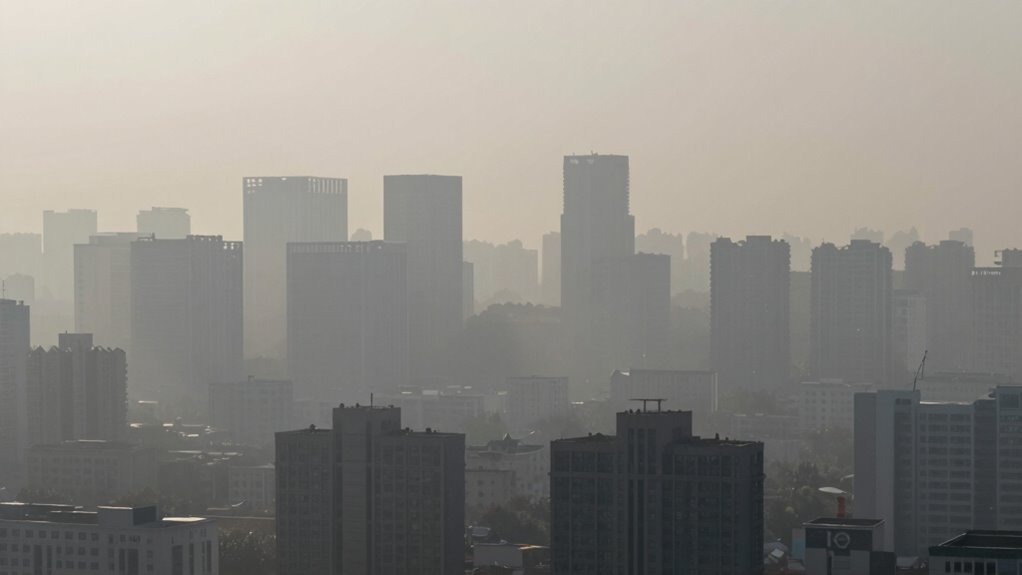
Have you ever wondered what PM2.5 particles are and why they pose a health risk? These tiny airborne pollutants are particles less than 2.5 micrometers in diameter, small enough to penetrate deep into your lungs and bloodstream. The particle composition varies, including chemicals, metals, organic compounds, and soil or dust particles. Because of their small size, PM2.5 particles can travel long distances and linger in the air, making them harder to avoid. They’re produced by combustion processes, like vehicle engines, industrial activities, and even natural sources like wildfires. Understanding what PM2.5 particles are helps you grasp why they’re more than just a nuisance—they’re a serious health concern that requires attention. Recognizing air pollution sources can help you take steps to reduce exposure and protect your health. Additionally, monitoring PM2.5 levels can inform you when air quality is at a dangerous level. Being aware of air quality index readings allows individuals to make informed decisions about outdoor activities during pollution spikes. Moreover, understanding the composition of PM2.5 can shed light on which sources contribute most to harmful pollution.
How Is PM2.5 Measured and Reported?
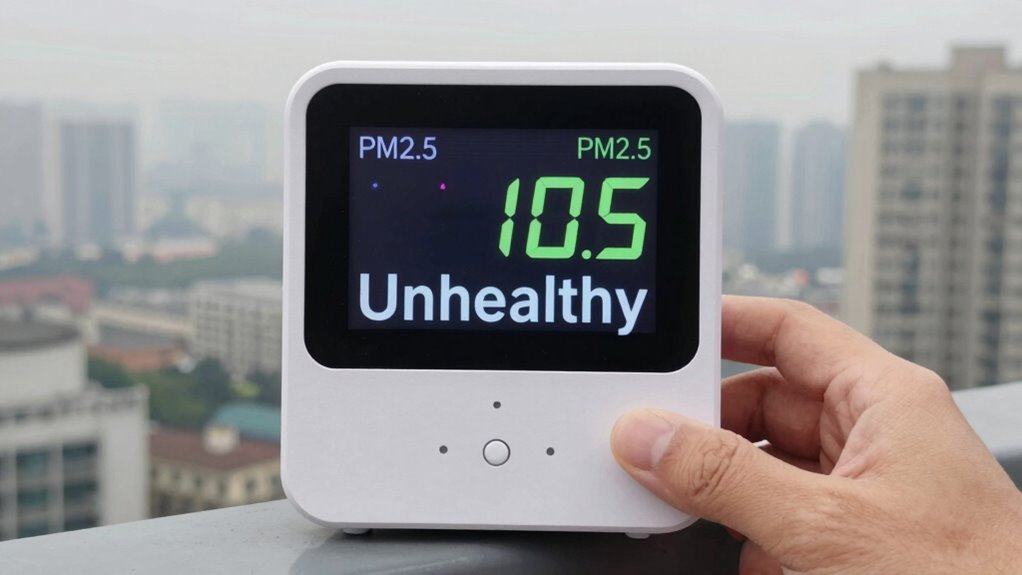
PM2.5 levels are measured using specialized air quality monitoring instruments that detect tiny particles in the atmosphere. These monitors use advanced pollution measurement techniques to gather real-time data on particle concentrations. There are fixed-site monitors placed in cities and regions, which continuously track air quality, providing consistent, reliable measurements. Portable sensors are also used for localized readings or specific studies. The data collected is processed and reported in units like micrograms per cubic meter (µg/m³). This information is then utilized by authorities to assess air quality and inform the public. Accurate measurement methods guarantee we understand pollution levels accurately, helping us determine when air quality is safe or hazardous and guiding appropriate responses and health advisories. Proper measurement techniques ensure that air quality data remains trustworthy and precise. Additionally, calibration procedures are essential to maintain the accuracy and reliability of these monitoring devices over time. Regular quality assurance protocols further enhance the dependability of the data collected, ensuring public health decisions are based on sound information, and ongoing improvements in monitoring technology continue to advance air quality assessment.
What Is the AQI and How Does It Show PM2.5 Levels?

The AQI uses color-coded categories to show air quality levels clearly. You can quickly see how PM2.5 concentrations relate to health risks. Understanding these indicators helps you stay informed about air pollution in your area. Free floating particles can linger in the air, affecting air quality even when pollution levels seem low. Additionally, awareness of air quality indicators enables better decision-making to protect your health during pollution episodes. Recognizing indoor versus outdoor pollution also plays a vital role in managing exposure effectively, especially when considering solar system safety and air filtration options. Being aware of air quality monitoring methods can further enhance your understanding of pollution sources and trends.
AQI Scale and Colors
The AQI scale uses colors and numbers to provide a quick snapshot of air quality based on PM2.5 levels. It helps you understand how pollution sources impact your health and environment at a glance. The colors range from green (good air quality) to purple (hazardous), signaling when pollution becomes a serious concern. Traceability of data ensures that air quality reports are accurate and reliable, fostering trust in the information provided. Feel relief when the color is green, indicating safe air quality for all activities. Recognize yellow or orange as warnings that pollution levels are rising, possibly affecting sensitive groups. Fear the purple zone, where PM2.5 levels are dangerously high, threatening your health. This visual system simplifies complex data, making it easier to grasp the severity of pollution sources and how they impact your daily life. Your awareness can help you take immediate action to protect your health.
PM2.5 Concentration Indicators
Understanding how the AQI translates PM2.5 levels into a clear, easy-to-read format helps you assess air quality quickly. The AQI uses specific concentration ranges of PM2.5 to indicate pollution severity. When pollution sources like traffic, industry, or wildfires release fine particles, the AQI assigns a number that reflects potential health risks. Lower AQI numbers mean better air quality, while higher numbers show increased health concerns. This system simplifies complex pollution data into a straightforward indicator, so you can make informed decisions about outdoor activities. By monitoring PM2.5 concentration indicators, you gain a better understanding of how pollution sources impact air quality and health. This clarity helps you avoid exposure during unhealthy or dangerous pollution levels. Energetic alignment can also influence how pollutants affect your environment and overall well-being.
What Do Unhealthy PM2.5 Levels Mean for Your Health?
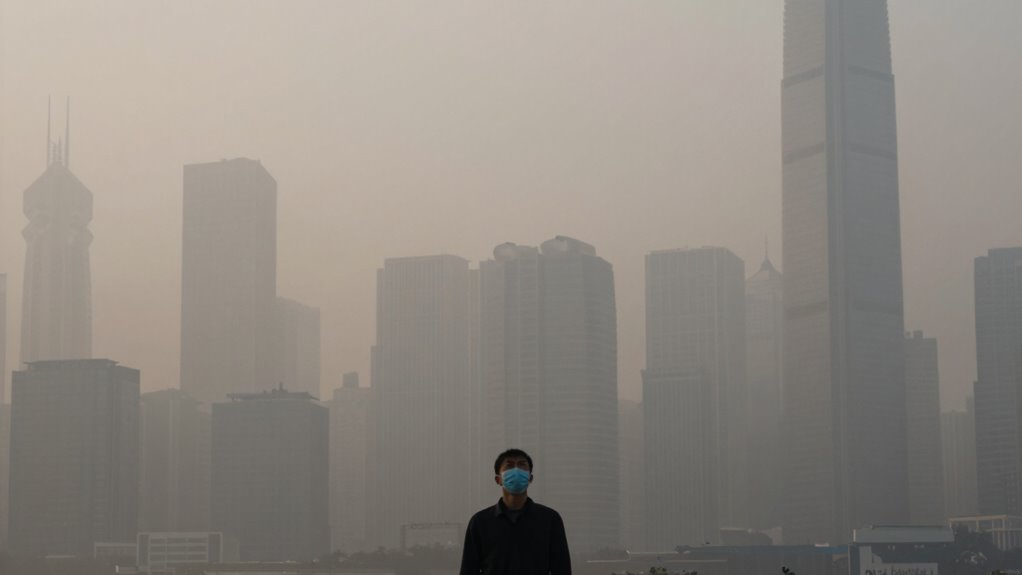
Have you ever wondered how unhealthy PM2.5 levels can affect your well-being? When air quality reaches dangerous levels, your health implications become serious. Breathing in high PM2.5 can lead to worsened respiratory conditions, increased heart risks, and long-term lung damage. It’s essential to stay aware of air quality alerts and understand what these numbers mean for your safety. Ignoring unhealthy levels can result in:
- Worsening asthma or bronchitis
- Increased vulnerability to infections
- Higher risk of cardiovascular events
Understanding indoor air quality can help you take proactive steps to protect yourself and your family from these health hazards. Recognizing how air pollution impacts health emphasizes the importance of monitoring air quality levels regularly. Being aware of PM2.5 concentrations helps you better interpret air quality indices and make informed decisions. Additionally, understanding air quality monitoring techniques enables you to respond promptly to hazardous conditions. Staying informed about air quality standards set by health agencies can further guide your actions during pollution spikes.
Why Do PM2.5 Levels Change During the Day and Year?

PM2.5 levels fluctuate throughout the day and year due to a combination of natural and human-made factors. During the day, air quality often worsens when traffic, industrial activity, and heating increase, raising PM2.5 levels. In the evenings, these levels may decrease as activity slows down. Seasonal variation also plays a big role; for example, winter often sees higher PM2.5 due to heating and weather conditions trapping pollution near the ground. Conversely, cleaner air tends to prevail in the summer when atmospheric conditions promote dispersion. Additionally, natural events like wildfires or pollen release can temporarily spike PM2.5 levels. Understanding these patterns helps you anticipate when air quality might be worse, so you can take precautions to protect your health. Effective strategies such as monitoring local air quality reports can help you plan outdoor activities accordingly. Recognizing air quality fluctuations enables better planning and health protection measures.
Who Is Most Affected When PM2.5 Becomes Unhealthy?
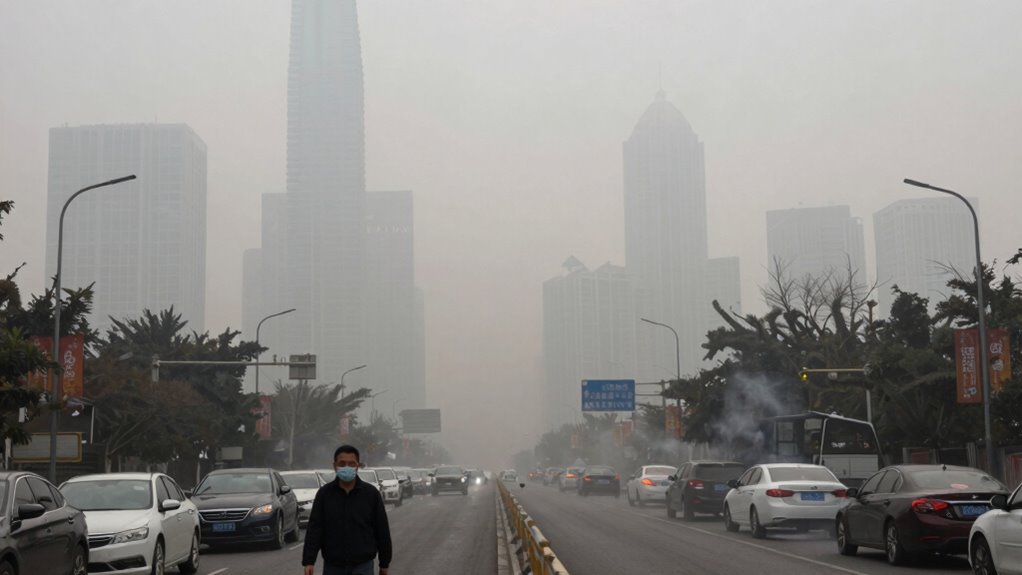
When PM2.5 levels become unhealthy, vulnerable groups like children, the elderly, and people with existing health conditions face the greatest risks. These groups often experience more severe health effects due to their limited ability to fight pollution. You should be aware that health disparities mean some communities are more exposed and less protected, increasing their danger.
During unhealthy days, these vulnerable groups are at higher risk of:
- Developing respiratory and heart problems that can worsen over time
- Suffering from asthma attacks or other breathing difficulties
- Experiencing long-term damage to their lungs and overall health
Understanding who is most affected helps you recognize the importance of protecting those most at risk when pollution levels rise.
How Can You Protect Yourself on High PM2.5 Days?
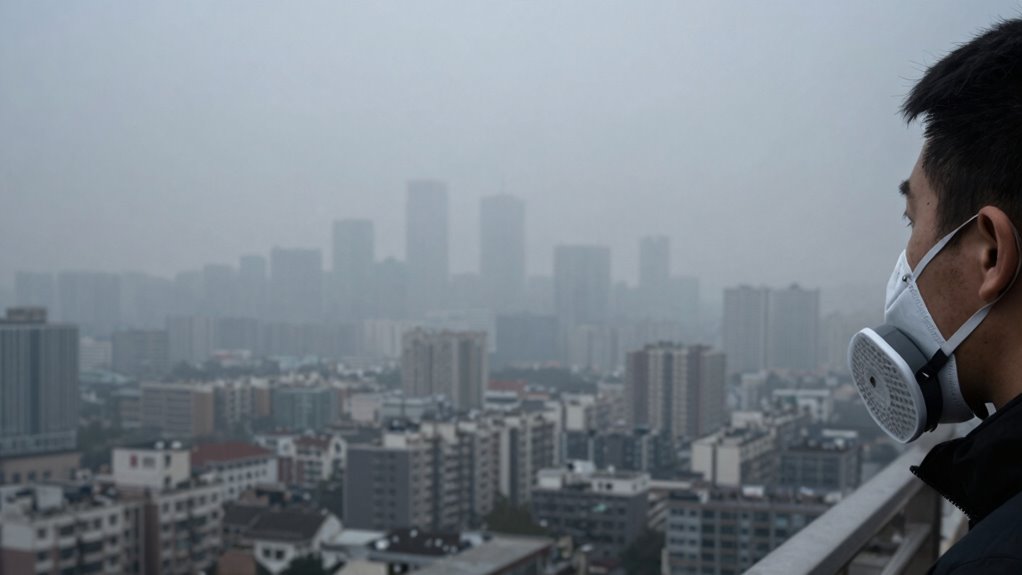
On days with high PM2.5 levels, you should wear protective masks to reduce inhalation of harmful particles. Limiting outdoor activities helps minimize your exposure and keeps you healthier. Taking these simple steps can make a big difference in protecting your lungs.
Wear Protective Masks
Wearing protective masks is one of the most effective ways to reduce your exposure to harmful particles on days with high PM2.5 levels. Choose mask types designed to filter out fine particles, like N95 or KN95 masks, for the best protection. Ensuring proper fitting is essential; a well-fitted mask creates a seal that prevents unfiltered air from sneaking in.
- Feel confident knowing you’re shielding your lungs from invisible dangers.
- Experience peace of mind during outdoor activities, even on polluted days.
- Take control of your health with the right gear, no matter the air quality.
Limit Outdoor Activities
To protect yourself on days with high PM2.5 levels, it’s best to limit your time outdoors. Reducing outdoor activities helps minimize your exposure to harmful pollution. When pollution awareness is high, avoid strenuous exercise outside and stay indoors whenever possible. If you need to go outside, plan activities during times when air quality is better, such as early mornings or after rain. Keep windows and doors closed to prevent indoor pollution from infiltrating your space. Use an air purifier if available. Wearing a mask can help, but limiting outdoor activities is the most effective way to reduce health risks. Staying informed about local air quality reports allows you to make smarter decisions and protect your health on days when pollution levels are dangerous.
How Do Policies Help Reduce PM2.5 Pollution?

Have policies effectively curb PM2.5 pollution by setting clear standards and enforcing regulations that limit emissions from industries, vehicles, and other sources. These policies target key contributors like industrial emissions and transportation policies, reducing harmful particles in the air. When regulations are strict and well-enforced, you help protect vulnerable communities from health risks.
Effective policies reduce PM2.5 emissions, protecting health and the environment.
Consider how your environment improves with:
- Cleaner air that safeguards your lungs and overall health
- Safer neighborhoods with fewer pollution-related illnesses
- A healthier planet for future generations
Why Ignoring Unhealthy PM2.5 Levels Can Harm Your Health?

While policies can limit PM2.5 emissions, ignoring the levels of these particles can seriously harm your health. Poor air quality caused by high PM2.5 levels increases your risk of respiratory issues, heart disease, and asthma attacks. When you overlook unhealthy PM2.5 readings, you expose yourself to dangerous pollutants that can penetrate deep into your lungs and bloodstream. Over time, this exposure can lead to chronic health problems and reduce your overall well-being. Staying informed about air quality alerts and taking precautions during high pollution days helps protect you from these health risks. Ignoring the signs of unhealthy PM2.5 levels puts your health at unnecessary risk, emphasizing the importance of paying attention to air quality reports and acting accordingly.
Frequently Asked Questions
How Do PM2.5 Levels Vary Across Different Geographic Regions?
You’ll notice PM2.5 levels vary greatly across regions due to urban differences and regional variations. In cities with heavy traffic or industrial activity, levels tend to be higher, often reaching unhealthy ranges. Conversely, rural areas usually have lower PM2.5 concentrations. Climate and geography also influence these differences, making some regions more prone to pollution spikes. Staying informed helps you understand when air quality might impact your health.
What Long-Term Health Issues Are Linked to Chronic PM2.5 Exposure?
Chronic PM2.5 exposure can cause serious health issues, including lung disease and increased cardiovascular risk. You might develop conditions like asthma, bronchitis, or even chronic obstructive pulmonary disease (COPD). It also raises your chances of heart attacks, strokes, and other heart-related problems. Long-term exposure impacts your overall health, making it essential to minimize your contact with polluted air and stay informed about air quality levels in your area.
How Accurate Are Current PM2.5 Measurement Technologies?
Think of current PM2.5 measurement tech as a finely tuned compass—highly accurate when properly calibrated. You can trust sensor calibration to guarantee data reliability, especially in diverse environments. However, factors like equipment quality and maintenance can affect readings. While modern sensors provide precise, real-time data, occasional calibration checks are essential to keep the measurements trustworthy, guiding your health decisions effectively.
Can Indoor Air Purifiers Effectively Reduce PM2.5 Exposure?
Indoor air purifiers can effectively reduce your PM2.5 exposure if you choose one with high air purifier efficiency. They improve indoor air quality by capturing fine particles, including pollutants from cooking, smoking, or pollen. To maximize protection, select a purifier with HEPA filters rated for your room size. Regular maintenance and proper placement are essential to guarantee the air purifier works at its best and keeps your indoor environment healthier.
What Future Policies Could Better Control PM2.5 Pollution?
Imagine a cleaner future where innovative regulations lead the way in controlling PM2.5 pollution. You’ll see policies that encourage green technologies and stricter emission standards, making a noticeable difference. Community involvement will play an essential role, empowering you to participate in local air quality initiatives. Together, these efforts create an environment where air pollution is managed more effectively, ensuring healthier living spaces for everyone and a brighter, cleaner tomorrow.
Conclusion
When PM2.5 levels climb into the danger zone, it’s like fog turning into a thick, choking cloud — hiding health risks behind a veil. Staying informed acts as your flashlight, piercing through the haze. Protect yourself by paying attention to air quality reports and taking action. Remember, your lungs are the sails of your body’s ship—keep them clear, and you’ll navigate life’s storms with strength and clarity.