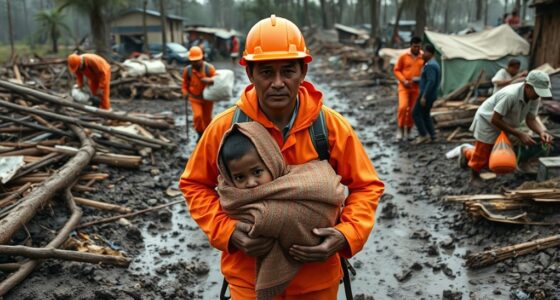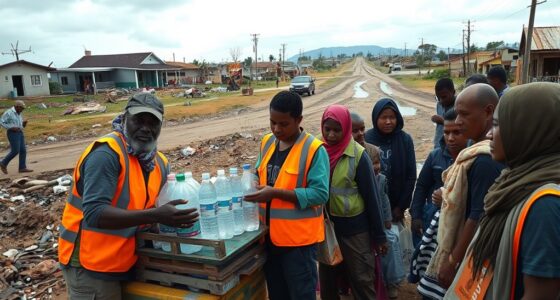

Bias in predictive disaster algorithms occurs when data limitations and societal inequalities influence model outcomes, causing certain communities to be overlooked or unfairly prioritized. If the data is incomplete or reflects systemic neglect, your predictions can reinforce disparities and lead to unequal responses. Recognizing how data quality impacts fairness is vital for accurate planning. To understand how these biases develop and how to address them, consider exploring the factors that shape fair and effective disaster prediction systems.
Open a free Amazon Business account
Business pricing, bulk buying and tax-exempt orders.
As an affiliate, we earn on qualifying purchases.
Key Takeaways
- Bias often stems from underrepresented or skewed historical data, leading to inaccurate disaster risk predictions for vulnerable communities.
- Data quality and completeness directly influence algorithm fairness, with flawed data perpetuating social inequalities.
- Incorporating diverse data sources and community input helps mitigate biases and improve predictive accuracy.
- Transparency about data collection and model limitations is essential to identify and address biases effectively.
- Correcting biases requires techniques like data rebalancing and fairness constraints to ensure equitable disaster response planning.

Predictive disaster algorithms are increasingly essential tools for emergency planning and response, but they often harbor biases that can undermine their effectiveness. One of the core issues lies in algorithm fairness, which refers to how equitably these tools treat different populations. When an algorithm isn’t fair, it may prioritize resources or warnings for certain groups while neglecting others, leading to unequal protection. Achieving fairness requires scrutinizing how these models make decisions and ensuring they don’t reinforce existing social inequalities. But fairness isn’t just about the output; it hinges on the quality of data representation used during algorithm development.
Ensuring data quality and fairness is crucial for equitable disaster prediction and response.
Data representation plays a pivotal role in shaping the accuracy and bias of predictive models. If the data fed into disaster algorithms underrepresents vulnerable communities or marginalized groups, the algorithm’s predictions will be skewed. For example, if historical disaster data predominantly reflects incidents in affluent neighborhoods, the model might underestimate risks faced by low-income or minority communities. This imbalance perpetuates disparities because the algorithm doesn’t have a complete picture of the risks faced by all populations. As a result, emergency responses may overlook those most in need, further amplifying social inequities during crises.
To improve algorithm fairness, you need to critically examine how data is collected and structured. This involves ensuring diverse and wide-ranging data sets that accurately capture the risks in different communities. You should also be aware of biases embedded within historical data, such as underreporting or systemic neglect of certain groups. When data representation is flawed, the model’s predictions become unreliable, which can have deadly consequences in disaster scenarios. It’s essential to incorporate a variety of sources and validate data against real-world conditions to minimize these biases.
Furthermore, transparency about data sources and algorithm design helps you identify potential biases early on. By understanding the limitations of your data and the decision-making process of your models, you can implement corrective measures. These might include rebalancing training data, applying fairness constraints, or involving local communities in data collection efforts. The goal is to develop predictive algorithms that are both accurate and equitable, ensuring all populations receive appropriate warnings and aid during disasters. Ultimately, fostering algorithm fairness through mindful data representation isn’t just a technical task—it’s an indispensable step toward more just and effective emergency response systems. Recognizing the importance of data quality is fundamental to addressing bias and improving outcomes in disaster prediction models.
disaster prediction algorithm fairness tools
As an affiliate, we earn on qualifying purchases.
As an affiliate, we earn on qualifying purchases.
Frequently Asked Questions
How Can Bias in Algorithms Impact Vulnerable Communities Differently?
You might not realize it, but bias in algorithms can worsen community marginalization by skewing resource allocation away from vulnerable groups. This means these communities may not receive timely aid or proper disaster response, deepening inequalities. When biases favor certain populations, you unintentionally limit support for others, making it harder for them to recover and increasing their risk during disasters. Recognizing and addressing these biases is essential for fair and effective disaster management.
What Measures Are Currently in Place to Reduce Algorithmic Bias?
You can diminish algorithmic bias through regular algorithm audits, which identify and address unfair patterns in data. Bias mitigation techniques, like adjusting training data and incorporating fairness constraints, also help. These measures ensure your predictive disaster algorithms are more equitable, especially for vulnerable communities. Staying proactive with audits and bias mitigation promotes fairness, accountability, and improves the overall accuracy and trustworthiness of your disaster response systems.
Can Predictive Algorithms Be Completely Free of Bias?
Like trying to find a clear sky in a storm, completely bias-free predictive algorithms are nearly impossible. You can improve algorithm fairness markedly with bias mitigation techniques, but some biases may still slip through. While ongoing efforts aim to minimize bias, absolute neutrality remains elusive because algorithms reflect the data they’re trained on. You should remain vigilant, continually refining models to ensure fairness and reduce unintended consequences.
How Does Bias in Data Collection Influence Disaster Predictions?
Bias in data collection skews disaster predictions by affecting data sampling and feature selection. When you rely on unrepresentative samples, your model misses important patterns, leading to inaccurate forecasts. Biased feature selection further amplifies this issue by emphasizing irrelevant or incomplete data. To improve predictions, you should guarantee diverse data sampling and carefully choose features that truly reflect the affected populations, reducing bias and increasing prediction accuracy.
What Are the Ethical Considerations in Deploying Biased Algorithms?
Did you know that over 70% of people believe transparency in algorithms impacts trust? When deploying biased algorithms, you must consider ethical issues like fairness and accountability. You should prioritize algorithm transparency and actively engage communities affected by predictions to guarantee their voices are heard. Ignoring these aspects risks worsening inequalities and undermining trust. Ethical deployment demands open communication, community involvement, and a commitment to reducing bias in disaster prediction tools.
Conclusion
You must recognize the risks of biased algorithms and resist the urge to accept them blindly. By questioning, questioning, and challenging these challenges, you can help create clearer, fairer forecasts. Don’t dismiss data disparities or overlook overlooked biases—diligence drives genuine change. When you demand transparency and tackle tendencies toward prejudice, you directly contribute to disaster predictions that are fair, factual, and free from falsehoods. Together, you can transform technology into a force for fairness and accuracy.
Fall yard work Picks
leaf blowers
As an affiliate, we earn on qualifying purchases.