Survival-themed entertainment influences how you see danger and your ability to handle emergencies, shaping your confidence and beliefs—sometimes for better, sometimes for worse. Shows often dramatize techniques, which can lead you to develop misconceptions or overestimate ease, risking risky decisions when real crises occur. It’s important to approach such content critically and verify facts, so you’re prepared. Keep exploring to understand how to separate entertainment from effective survival strategies.
Key Takeaways
- Survival entertainment boosts interest in emergency preparedness but may foster unrealistic expectations.
- Dramatized shows can mislead viewers about effective survival techniques, risking unsafe practices.
- Entertainment’s influence can create false confidence, possibly hindering proper emergency responses.
- Fictional content often exaggerates survival scenarios, leading to misconceptions and complacency.
- Critical evaluation of survival media encourages informed decisions and better real-life preparedness.

Survival-themed entertainment has surged in popularity, shaping how the public perceives danger, resilience, and resourcefulness. While these shows and stories can inspire confidence and teach useful skills, they also carry significant risks, especially when it comes to misinformation. You might find yourself relying on dramatized or inaccurate portrayals of survival techniques, which can lead to misconceptions about what’s truly effective in real emergencies. For example, watching a reality show where a contestant easily builds shelter in minutes might make you underestimate the complexity of actual survival situations. When misinformation spreads, it’s easy to develop false confidence, which could be dangerous if you need to respond to a real crisis. The influence of entertainment on emergency preparedness is a double-edged sword. On one hand, it can motivate you to learn survival skills, prepare emergency kits, or plan evacuation routes. On the other, it might give you unrealistic expectations about what’s possible or safe, leading to complacency or risky decisions. You could mistake a survival scenario for entertainment, forgetting that real emergencies require careful planning and cautious action. The danger of misinformation is compounded when viewers accept fictional or exaggerated portrayals as facts. When survival techniques are depicted inaccurately, it’s easy to adopt ineffective or even harmful practices. For instance, believing you can survive without proper shelter, water, or first aid might put you in greater danger if a real crisis occurs. The influence of entertainment on emergency preparedness can be positive if you approach it critically, using it as a springboard to seek reliable information. But if you let sensationalized stories shape your understanding, you risk neglecting essential safety measures. It’s essential that you cross-check survival advice from credible sources, like emergency management agencies or trained professionals, rather than relying solely on entertainment. Being aware of the dangers of misinformation helps you develop a realistic view of what survival entails. Recognize that many shows prioritize entertainment over accuracy, and don’t assume that everything you see is practical or safe. Instead, use your curiosity to learn from reputable resources and incorporate factual knowledge into your preparedness plans. By doing so, you’ll be better equipped to handle actual emergencies, rather than falling prey to misconceptions fueled by entertainment. In the end, understanding the influence of survival-themed entertainment on your perceptions is paramount. It can motivate you to prepare and learn, but only if you remain vigilant about the accuracy of the information you absorb. Staying informed and questioning what you see ensures that your responses in real crises are grounded in reality, not fiction.

Survival Kit, 262Pcs Survival Gear and Supplies with First Aid Kit Pouch and Crossbody Bag, Emergency Kit with Tent, Camping Axe Hammer, Survival Shovel w/Pick, Bug Out Bag Gifts for Men Women
[Preparedness for the Unknown]: While no one can predict when or how severe a disaster or accident will…
As an affiliate, we earn on qualifying purchases.
As an affiliate, we earn on qualifying purchases.
Frequently Asked Questions
How Does Survival-Themed Entertainment Influence Youth Behavior?
You’re likely to notice that survival-themed entertainment can boost your risk-taking tendencies, especially when peer influence is strong. It might make you more enthusiastic to try daring stunts or challenges, mimicking what you see on screen. This type of entertainment can shape your behavior by normalizing risky actions, encouraging you to push boundaries, and sometimes making you think that taking risks is exciting or even necessary to impress others.
Are There Psychological Risks Associated With Survival-Themed Entertainment?
You risk serious psychological effects from survival-themed entertainment, like desensitization and adrenaline addiction. Watching intense survival scenes repeatedly can make you numb to real-world danger, blunting your emotional responses. Plus, chasing constant adrenaline highs might lead to reckless behavior or dependence. These risks aren’t minor—they could alter your perceptions and reactions permanently, making you less sensitive to genuine threats and more craving thrill-seeking experiences.
What Regulatory Measures Oversee Survival-Themed Entertainment Content?
You’re protected by regulatory measures that oversee survival-themed entertainment content through strict content ratings and licensing standards. These regulations guarantee that producers follow guidelines for safety, appropriateness, and accuracy. As a viewer, you can rely on age ratings and licensing approvals to make informed choices. Authorities regularly monitor and update these standards to prevent harmful material, so you’re less likely to encounter content that could negatively influence your perception or well-being.
How Do Survival-Themed Experiences Affect Viewers’ Real-Life Preparedness?
Think of survival-themed experiences as a double-edged sword that sharpens your awareness of risk perception and boosts skill development. By engaging with these simulations, you become more prepared for real-life emergencies, transforming passive viewers into active responders. These experiences foster confidence and readiness, making you more aware of dangers and better equipped to handle them. Ultimately, they turn entertainment into a practical tool for enhancing your survival instincts.
What Cultural Differences Impact Perceptions of Survival-Themed Entertainment?
You might notice that cultural differences shape how you perceive survival-themed entertainment. Cross-cultural narratives influence whether you see these experiences as empowering or sensationalized, while cultural stereotypes can color your expectations of survival skills or resilience. These perceptions vary widely depending on your background, making you more or less receptive to survival themes, and they also influence how you interpret the realism or value of such entertainment across different cultures.
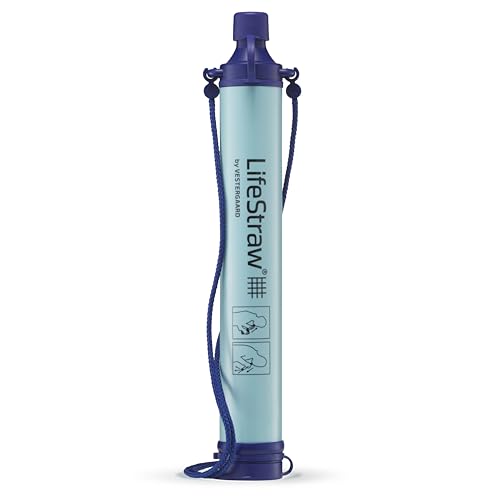
LifeStraw Personal Water Purifier for Hiking, Camping, Travel, and Emergency Preparedness
Removes Bacteria & Parasites: The Microfiltration Membrane Removes 99.999999% of Waterborne Bacteria (Including E. Coli and Salmonella), and…
As an affiliate, we earn on qualifying purchases.
As an affiliate, we earn on qualifying purchases.
Conclusion
As you immerse yourself in survival-themed entertainment, you might find your perception of danger and resilience forever changed. These experiences can be as powerful as a thunderclap, shaping how you view real-life challenges. While they entertain and educate, they also create a heightened sense of adventure and risk. Remember, what you watch can mold how you see the world—so stay curious, cautious, and always ready to face life’s wild surprises head-on.

Mini First Aid Kit – 150 Piece Small Waterproof Hard Shell Medical Kit for Home, Car, Travel, Camping, Truck, Hiking, Sports, Office, Vehicle & Outdoor Emergencies- Small First Aid Medical Kit (Red)
ESSENTIALS FOR EMERGENCY: Everything you need is in this first aid kit! Our kit includes over 150 professional-grade…
As an affiliate, we earn on qualifying purchases.
As an affiliate, we earn on qualifying purchases.

Go Time Gear Ultralight Survival Tent – Heat Retention Emergency Shelter – Thermal Blanket & Bivy Sack Design – Compact Portable Hiking Tent for Go Bag & Survival Kit – Pack of 2, Green
Rugged Emergency Shelter: The Go Time Gear Life Tent is an ultralight tent engineered for robust protection in…
As an affiliate, we earn on qualifying purchases.
As an affiliate, we earn on qualifying purchases.